Can Working as a Firefighter Increase Risk of Skin Cancer?
Firefighters face elevated skin cancer risks from toxic exposures and UV radiation—learn the evidence, prevention strategies, and screening importance.
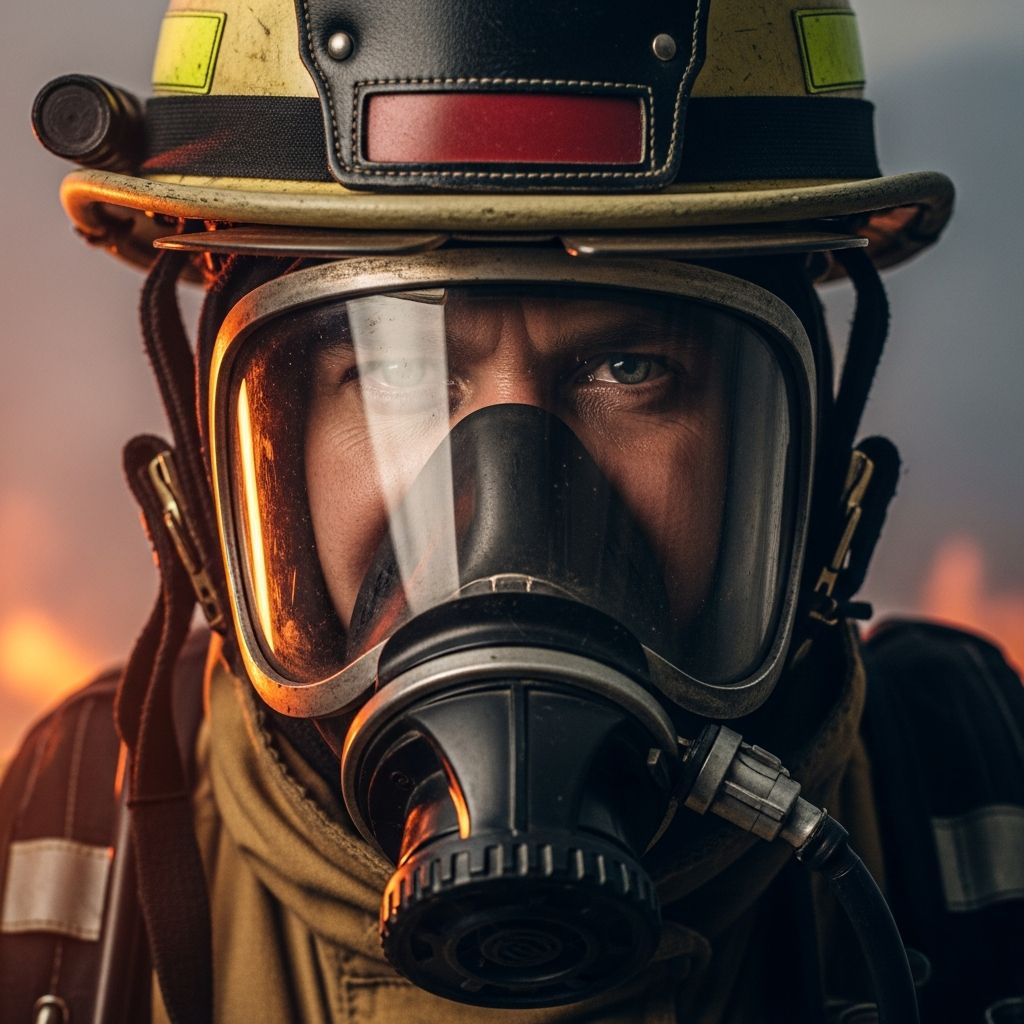
Firefighters confront extreme dangers daily, from raging infernos to hazardous materials, yet an underrecognized threat is skin cancer, including deadly melanoma. Recent research reveals elevated risks linked to occupational exposures beyond flames.
Why Firefighters Face Higher Skin Cancer Risks
Firefighters encounter unique carcinogens during operations. Combustion byproducts like polycyclic aromatic hydrocarbons (PAHs), benzene, metals, and polychlorinated biphenyls deposit on skin and gear, penetrating protective barriers. The International Agency for Research on Cancer (IARC) classifies firefighting as “carcinogenic to humans” (Group 1), with melanoma positively associated.
UV radiation compounds risks, as much work occurs outdoors in sunlight without adequate protection. Wildfire smoke and PM2.5 particles further elevate cancer mortality, surpassing non-wildfire sources. Gear contaminated with per- and polyfluoroalkyl substances (PFAS) raises additional concerns, though direct skin cancer links remain under study.
Evidence from Key Studies on Firefighter Skin Cancer
Multiple studies confirm heightened risks. A 2017 JAMA Dermatology analysis of 2,400 South Florida firefighters found 0.7% diagnosed with melanoma and 3.5% with nonmelanoma skin cancers—rates exceeding Florida’s general population. Median melanoma diagnosis age was 42 versus 64 nationally.
A 2023 JAAD review of five studies showed four indicating increased melanoma risk in career firefighters versus non-firefighters; one noted higher risk in ages 55-74 compared to police. Only one included females, who comprise ~5% of career firefighters per NFPA.
- Australian firefighters exhibited 45% higher lifetime melanoma rates than the general population.
- Firefighters show 21% greater melanoma risk overall, 62% higher ages 30-49.
- Meta-analyses report 19-36% excess melanoma incidence versus controls.
- A 36-year study found 72% higher skin cancer mortality (HR 1.72; 95% CI: 1.14–2.60).
- Volunteer firefighters had 26.1% skin cancer screening prevalence; sunscreen use doubled odds (OR: 2.35).
General cancer risks: Firefighters face 9% higher diagnosis and 14% higher mortality than the U.S. population, with skin cancer at 1.39 times greater risk and malignant melanoma 1.31 times.
Skin Cancer Types and Firefighter Vulnerabilities
| Type | Description | Firefighter Risk Factors |
|---|---|---|
| Melanoma | Most dangerous; arises from melanocytes. | Younger onset (avg. 42); 21-72% elevated risk. |
| Basal Cell Carcinoma (BCC) | Common, slow-growing; rarely metastasizes. | Nonmelanoma rates 3.5% vs. general pop. |
| Squamous Cell Carcinoma (SCC) | Invasive; can metastasize if untreated. | Tied to chemical/UV exposures. |
While UV causes most skin cancers, firefighters’ risks stem primarily from chemical soiling post-fire, absorbed through skin.
Prevention Strategies for Firefighters
Proactive measures mitigate risks:
- Post-Fire Decontamination: Shower immediately after calls using soap/water; launder gear separately to remove PAHs/benzene.
- Sun Protection: Use broad-spectrum SPF 30+ sunscreen, reapply every 2 hours; wear UPF clothing, hats, sunglasses outdoors.
- Regular Screening: Annual full-body exams by dermatologists; self-checks monthly for ABCDE signs (Asymmetry, Border irregularity, Color variation, Diameter >6mm, Evolving).
- Gear Maintenance: Clean turnout gear promptly; advocate PFAS-free alternatives.
- Lifestyle: Avoid tanning beds; limit alcohol/smoking.
Sunscreen users had 2.35x higher screening odds; burn-prone firefighters 1.81x.
Challenges: Volunteer vs. Career Firefighters
Career firefighters benefit from presumptive cancer laws in most states, linking diagnoses like melanoma to duty for disability benefits. Volunteers often excluded, despite similar exposures. Women firefighters, underrepresented in studies, warrant focused research.
Policy and Advocacy Efforts
IARC’s 2022 classification spurs global action. Organizations like Mollie’s Fund partner for prevention; AAD promotes checks. Firefighter Cancer Support provides resources.
Frequently Asked Questions (FAQs)
Do firefighters have higher skin cancer rates than the general population?
Yes, studies show 19-45% higher melanoma incidence, 72% elevated mortality.
Why is melanoma diagnosed younger in firefighters?
Related Stories



Average age 42 vs. 64 nationally, linked to cumulative occupational exposures.
How can firefighters reduce skin cancer risk?
Decontaminate immediately post-call, use sunscreen, get annual screenings.
Are volunteer firefighters covered by cancer presumption laws?
Typically no; most states limit to career firefighters.
Is UV exposure the only risk for firefighters?
No, primary risks from carcinogens like PAHs, benzene on skin/gear.
What is the prevalence of skin cancer screening among firefighters?
26.1% among volunteers; higher with sunscreen use.
Firefighters’ heroism demands prioritizing health. Routine vigilance can combat these stealthy risks, ensuring they return home safely.
References
- Prevalence and Predictors of Skin Cancer Screening among Volunteer Firefighters — PMC/NCBI. 2023-10-01. https://pmc.ncbi.nlm.nih.gov/articles/PMC10528674/
- Firefighters at an Elevated Risk for Skin Cancer — CSD Pool. 2023-01-04. https://www.csdpool.org/firefighters-at-an-elevated-risk-for-skin-cancer
- Firefighting and Cancer Risk: New Evidence Emerges — UDS Health. 2023. https://udshealth.com/blog/firefighter-cancer-risk-study/
- Can Working as a Firefighter Increase Your Risk of Skin Cancer? — Skin Cancer Foundation. 2023. https://www.skincancer.org/blog/can-working-as-firefighter-increase-risk-skin-cancer/
- Mollie’s Fund Partners to Prevent Skin Cancers Among Firefighters — Cure Melanoma. 2017. https://www.curemelanoma.org/blog/mollies-fund-partners-to-prevent-skin-cancers-among-firefighters
- Firefighter Skin Cancer Checks — AAD. 2022. https://www.aad.org/member/career/volunteer/skin-cancer-checks/firefighters
Similar Articles








Read full bio of Sneha Tete