Can You Drink Juice If You Have Diabetes?
Discover if fruit juice fits into a diabetes-friendly diet, plus smart swaps and tips for better blood sugar control.
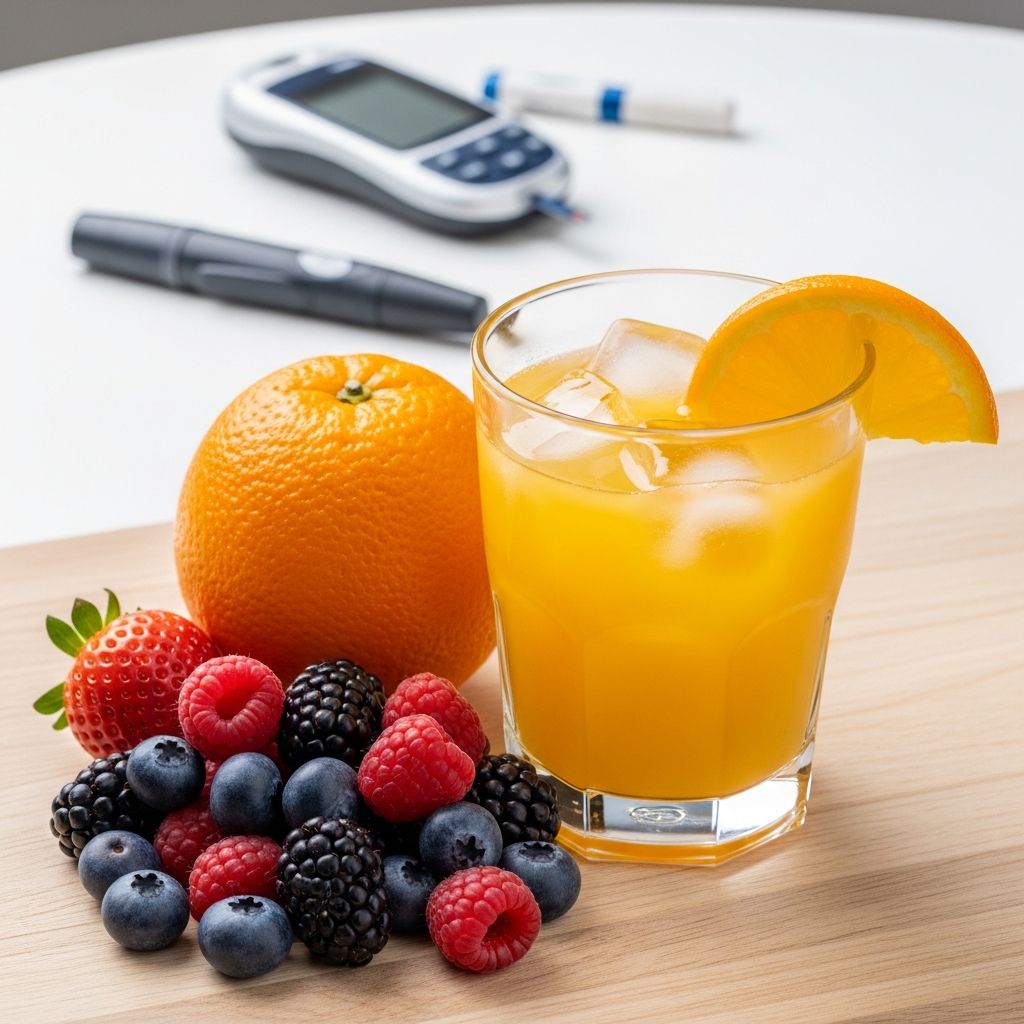
People with diabetes often wonder if they can enjoy a glass of juice without spiking their blood sugar. While juice provides vitamins and hydration, its lack of fiber and high natural sugar content can lead to rapid glucose increases, making it tricky for diabetes management. This article breaks down the facts, risks, smarter choices, and alternatives to help you decide.
What Happens to Your Blood Sugar When You Drink Juice?
Juice delivers a concentrated dose of sugars without the fiber found in whole fruits, causing quicker absorption and sharper blood sugar rises. Unlike eating an apple, which takes time to chew and digest slowly due to fiber, sipping juice floods your system with fructose and glucose rapidly.
For those with diabetes, where insulin response is impaired, this can result in hyperglycemia. Studies show that fruit juices, even 100% pure ones, often exceed safe carb limits per serving, with a typical 4-ounce portion packing 15-20 grams of carbs—equivalent to a slice of bread. Pairing juice with protein or fat can blunt spikes, but solo consumption remains risky.
- Rapid sugar absorption: No fiber means faster glucose entry into the bloodstream.
- Portion pitfalls: Easy to overdrink, doubling or tripling carb intake unintentionally.
- Calorie density: High sugars promote weight gain, worsening insulin resistance over time.
Why Whole Fruit Is Better Than Juice for Diabetes
Whole fruits shine for diabetes control thanks to their fiber, which slows sugar release, promotes satiety, and stabilizes glucose levels. Research links higher whole fruit intake to lower type 2 diabetes risk, attributing benefits to fiber, flavonoids, and the physical act of chewing.
Juicing strips away 80-90% of fiber, leaving mostly sugar water. A medium orange has 3 grams of fiber and 12 grams of sugar; its juice has under 1 gram of fiber but the same sugar. Eating whole produce also boosts nutrient absorption gradually and curbs overeating.
| Nutrient Comparison | Whole Apple (182g) | Apple Juice (8oz) |
|---|---|---|
| Calories | 95 | 114 |
| Carbs (g) | 25 | 28 |
| Fiber (g) | 4.4 | 0.5 |
| Glycemic Impact | Low (slow rise) | High (quick spike) |
Source: Adapted from USDA data and diabetes nutrition studies. Opting for whole fruits aligns with American Diabetes Association guidelines for carb management.
Best Juices for People with Diabetes
Not all juices are equal—focus on low-glycemic, veggie-heavy options to minimize impact. Vegetable juices from non-starchy veggies like kale, spinach, celery, and cucumber offer antioxidants, vitamins, and minimal carbs (under 10g per serving).
Among fruits, choose lower-sugar ones like lemon, lime, grapefruit, or pomegranate, which have glycemic indexes below 55. Pomegranate juice, rich in punicalagins, shows promise in reducing oxidative stress and improving blood lipids in diabetes studies. Always select 100% juice without added sugars.
Related Stories



- Top veggie picks: Tomato, carrot-spinach blend, celery-kale (low GI, high potassium).
- Fruit allowances: Diluted grapefruit or tart cherry (small portions only).
- Homemade tip: Blend 80% veggies with 20% low-sugar fruit for flavor without excess carbs.
Avoid high-GI offenders like pineapple, mango, or grape juice, which can rival soda in sugar load.
Juice Nutrition Facts: What to Watch
A standard 4-6oz serving of orange juice delivers 110 calories, 26g carbs, and 21g sugars but negligible fiber or protein. This imbalance lacks satiety, leading to hunger soon after.
Tomato juice fares better at 41 calories, 10g carbs, and some lycopene antioxidants per cup. Check labels: Many commercial juices hide high-fructose corn syrup, inflating glycemic load further.
| Juice Type (4oz) | Carbs (g) | Sugar (g) | Fiber (g) | Best For |
|---|---|---|---|---|
| Orange | 21 | 17 | 0.5 | Vitamin C (limit) |
| Grapefruit | 13 | 9 | 0.2 | Low GI |
| Tomato | 7 | 5 | 1 | Veggies/low carb |
| Kale-Apple | 12 | 8 | 2 | Balanced homemade |
5 Diabetes-Friendly Juice Recipes
These low-carb recipes use fresh produce for max nutrients. Each serves 1 (8oz), around 10-15g carbs. Use a juicer or blender (strain if needed).
- Green Detox: 2 celery stalks, 1 cucumber, handful spinach, ½ lemon. (8g carbs) Refreshing and hydrating with anti-inflammatory benefits.
- Beet-Berry Boost: ½ small beet, ¼ cup blueberries, 1 carrot, ginger slice. (12g carbs) Supports liver health and steady energy.
- Citrus Zinger: ½ grapefruit, 1 lemon, cucumber slices, mint. (10g carbs) Vitamin C powerhouse without sugar overload.
- Kale Power: 2 kale leaves, ½ apple, celery, parsley. (11g carbs) Potassium-rich for blood pressure control.
- Tomato Tango: 3 tomatoes, celery, basil, dash hot sauce. (9g carbs) Savory, antioxidant-loaded alternative to fruit.
Pro tip: Drink within 15 minutes of making to preserve enzymes. Track post-meal glucose to personalize.
How Much Juice Can You Safely Drink?
Limit to 4oz (½ cup) daily max, counting toward your 45-60g carb meal allowance. Spread intake and pair with meals containing protein (nuts, yogurt) or fat (avocado) to slow absorption.
Monitor blood sugar 1-2 hours post-juice. If rises exceed 50mg/dL, skip or dilute further. Individual tolerance varies by diabetes type, meds, and activity—those with well-controlled A1C (<7%) may handle small amounts better.
Healthier Juice Alternatives for Better Blood Sugar Control
Swap juice for infused water, herbal teas, or smoothies retaining fiber. Smoothies blend whole fruits/veggies with yogurt or chia seeds for balanced macros.
- Infused water: Cucumber-lemon or berry-basil (0 carbs).
- Smoothies: Spinach-berry with almond milk (fiber intact).
- Tea: Green or hibiscus (polyphenols aid insulin sensitivity).
- Seltzer + splash: 1oz low-sugar juice in sparkling water.
Whole fruits like berries (½ cup = 10g carbs, high fiber) or veggies beat juice every time.
FAQs
Is 100% fruit juice okay for diabetes?
Small amounts (4oz) of pure juice may fit if monitored, but whole fruits are superior due to fiber.
Does juicing vegetables spike blood sugar?
Rarely—non-starchy veggie juices have low GI (<15g carbs/serving) and add nutrients without harm.
Can I drink carrot juice with diabetes?
In moderation (4oz); it’s moderate GI but pairs well with greens to lower overall impact.
Is apple cider better than apple juice?
Unsweetened versions are similar; both lack fiber—choose whole apples.
What if my blood sugar rises after juice?
Reduce portion, dilute, or switch to alternatives; consult a dietitian for carb counting.
Final Thoughts
Juice isn’t off-limits for diabetes but demands caution: prioritize veggies, tiny portions, and monitoring. Whole fruits offer the same perks without risks. Work with a healthcare pro for tailored advice.
References
- Is Juicing Safe and Healthy If You Have Diabetes? — Healthline. 2023-05-15. https://www.healthline.com/nutrition/juicing-for-diabetics
- Best Juice Drinks for Type 2 Diabetes — HealthMatch. 2024-02-10. https://healthmatch.io/type-2-diabetes/juice-for-diabetes-type-2
- Eating whole fruit, not drinking fruit juice, may reduce the risk of type 2 diabetes — PMC (NCBI). 2021-09-20. https://pmc.ncbi.nlm.nih.gov/articles/PMC8504907/
- Nutrition Recommendations for People with Diabetes — American Diabetes Association. 2025-01-01. https://diabetesjournals.org/care/article/48/Supplement_1/S1/157555/
- Fruit Juice and Diabetes Risk — CDC Nutrition Guidelines. 2024-06-12. https://www.cdc.gov/diabetes/healthy-eating/juice.html
Similar Articles








Read full bio of Sneha Tete