Can You Eat Butter If You Have Diabetes?
Discover if butter fits into a diabetes-friendly diet, its impacts on blood sugar, and healthier alternatives for better management.
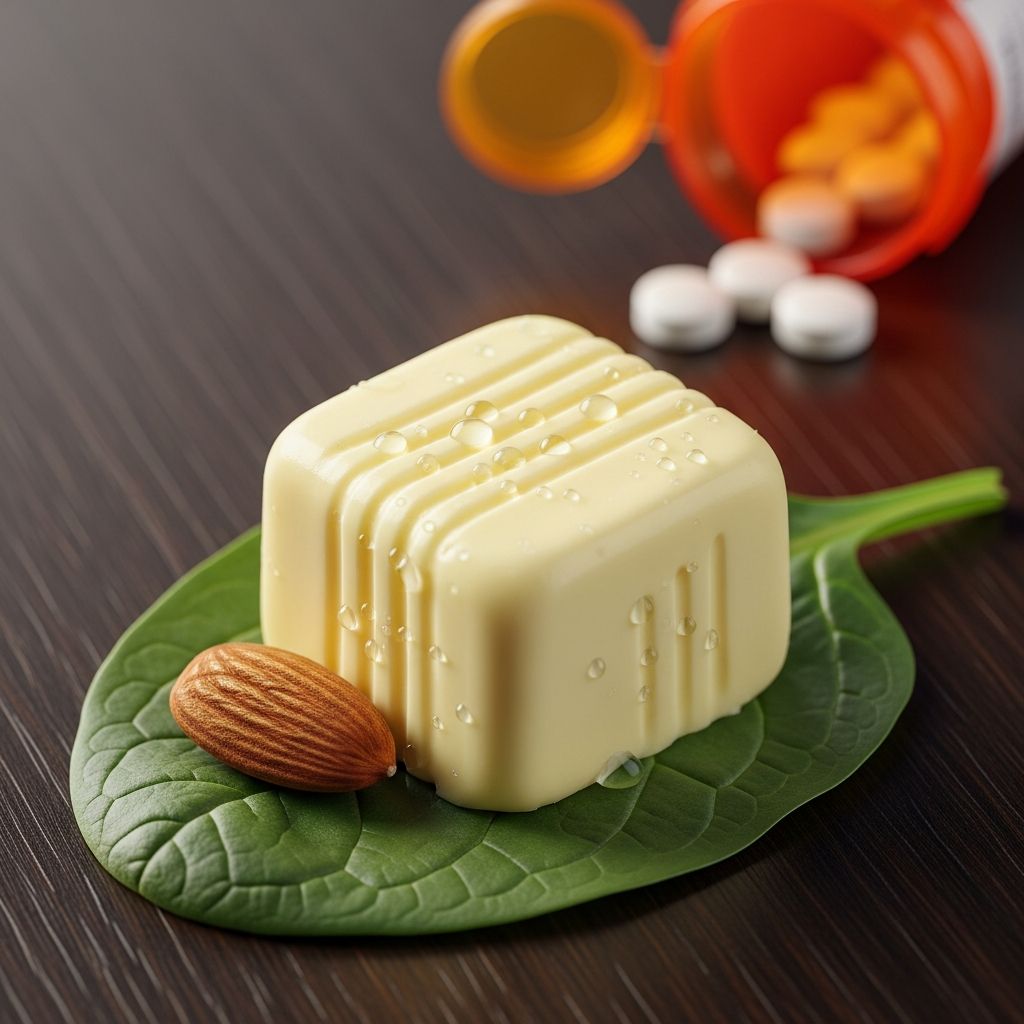
People with diabetes can eat butter in moderation as part of a balanced diet, since it has minimal direct impact on blood sugar levels but contains saturated fats that require careful management to protect heart health.
Butter, a staple in many kitchens, has long been debated in diabetes nutrition due to its high saturated fat content. While it doesn’t spike blood glucose like carbohydrates, excessive intake may contribute to cardiovascular risks, a key concern for those with diabetes. This article examines the science, nutritional profile, expert guidelines, and practical strategies for incorporating butter safely.
What Is Butter Made Of?
Butter is primarily churned cream from cow’s milk, consisting of about 80% fat, 18% water, and small amounts of milk solids and salt in salted varieties. The fat breakdown includes roughly 50% saturated fats, 25% monounsaturated fats, and 4% polyunsaturated fats, with trace nutrients like vitamins A, E, K, and B12.
- Saturated fats: Mainly palmitic and stearic acids, which are stable at high heat.
- Short-chain fatty acids: Such as butyrate, produced during digestion, supporting gut health.
- Cholesterol: About 30mg per tablespoon, negligible for most diets.
Grass-fed butter may offer higher levels of omega-3s and conjugated linoleic acid (CLA), potentially beneficial for metabolism, though evidence is preliminary.
Butter’s Nutrition Facts
One tablespoon (14g) of unsalted butter provides 102 calories, 11.5g total fat (7g saturated), and no carbohydrates or protein, making its glycemic index zero. It supplies 11% of daily vitamin A needs, aiding vision and immunity, plus smaller amounts of vitamin E (antioxidant) and vitamin K (blood clotting).
| Nutrient | Amount per 1 Tbsp (14g) | % Daily Value |
|---|---|---|
| Calories | 102 | 5% |
| Total Fat | 11.5g | 15% |
| Saturated Fat | 7g | 35% |
| Vitamin A | 97mcg | 11% |
| Vitamin E | 0.3mg | 2% |
| Cholesterol | 31mg | 10% |
This profile means butter won’t raise blood sugar but adds calorie-dense fat, relevant for weight management in diabetes.
Is Butter Bad for People with Diabetes?
Butter is not inherently ‘bad’ for diabetes; a meta-analysis of prospective studies found butter consumption linked to a 4% lower risk of type 2 diabetes per 14g daily serving (RR=0.96, 95% CI 0.93-0.99), with neutral effects on mortality and cardiovascular disease (CVD). Higher dairy fat intake, including butter, correlates with better insulin sensitivity and lower liver fat in some studies.
However, saturated fats can elevate LDL cholesterol, increasing heart disease risk—already 2-4 times higher in diabetes patients. The American Diabetes Association (ADA) advises limiting saturated fats to under 10% of calories to mitigate this. Moderation is key: 1-2 tablespoons daily fits within guidelines when paired with unsaturated fats.
- Potential benefits: Butyrate may improve insulin sensitivity and gut health; CLA supports fat metabolism.
- Risks: Overconsumption contributes to weight gain and dyslipidemia.
How Does Butter Affect Blood Sugar?
Butter has zero carbs, so it doesn’t directly raise blood glucose or insulin levels. Pure fats digest slowly, potentially stabilizing post-meal blood sugar when replacing refined carbs.
Related Stories



Research shows substituting olive oil for butter slightly lowers diabetes risk, but butter itself shows inverse associations with diabetes incidence. In practice, adding butter to low-carb veggies can enhance satiety without spikes, aiding glycemic control.
Is Butter or Margarine Better for People with Diabetes?
Butter edges out many margarines for diabetes due to no trans fats or added sugars, but plant-based spreads with unsaturated fats (e.g., olive oil-based) are preferable. Diabetes Australia notes butter is fine sparingly in low-saturated fat diets, while margarines high in omega-6 may promote inflammation.
| Factor | Butter | Margarine (Typical) |
|---|---|---|
| Saturated Fat | High (50%) | Low (if soft) |
| Trans Fats | None | Possible (hard varieties) |
| Carbs/Sugars | Zero | Often added |
| Diabetes Impact | Neutral-low risk | Variable; prefer unsaturated |
Opt for butter over sugary spreads, but prioritize avocado or nut butters for heart health.
Healthier Substitutes for Butter
For diabetes management, swap butter with unsaturated fat sources to reduce saturated fat intake while maintaining flavor.
- Olive oil: Monounsaturated fats lower diabetes risk when substituted for butter.
- Avocado: Fiber-rich, blood-sugar friendly.
- Nut butters (almond, peanut): Protein and healthy fats promote satiety.
- Greek yogurt: Probiotic benefits, low-carb creaminess.
- Applesauce or mashed banana: For baking, natural sweetness without refined sugar.
These alternatives support better lipid profiles and weight control.
Bottom Line: Can You Eat Butter with Diabetes?
Yes, in moderation—1-2 tablespoons daily—as it doesn’t affect blood sugar and may offer metabolic benefits, but prioritize heart-healthy fats overall. Focus on whole foods, portion control, and monitoring lipids/blood sugar.
Frequently Asked Questions (FAQs)
What is the recommended daily butter intake for diabetes?
Limit to 1-2 tablespoons (14-28g) per day, comprising less than 10% of calories from saturated fats.
Does grass-fed butter benefit diabetes more?
It may provide extra omega-3s and CLA for insulin sensitivity, but evidence is limited; moderation still applies.
Can butter cause blood sugar spikes?
No, due to zero carbs, but pair with carbs mindfully for overall meal balance.
Is butter better than vegetable oil for cooking with diabetes?
Butter has a higher smoke point for some uses, but oils like avocado or olive offer healthier fat profiles.
How does butter fit into a low-carb diabetes diet?
Well, as it adds flavor and satiety without carbs, enhancing adherence.
References
- Is Butter Back? A Systematic Review and Meta-Analysis of Butter Consumption and Risk of Cardiovascular Disease, Type 2 Diabetes, and Total Mortality — Pimpin et al., American Journal of Clinical Nutrition (PMC). 2016-06-08. https://pmc.ncbi.nlm.nih.gov/articles/PMC4927102/
- Is Butter Bad for You, or Good? — Healthline (reviewed by registered dietitians). 2023 (updated). https://www.healthline.com/nutrition/is-butter-bad-for-you
- What’s better, butter or margarine? — Diabetes Australia. 2023-05 (approx.). https://www.diabetesaustralia.com.au/blog/whats-better-butter-or-margarine/
Similar Articles








Read full bio of medha deb