Butternut Squash Skin: 4 Benefits, Cooking Tips & Uses
Discover if butternut squash skin is safe and nutritious to eat, plus tips for preparation and health benefits.
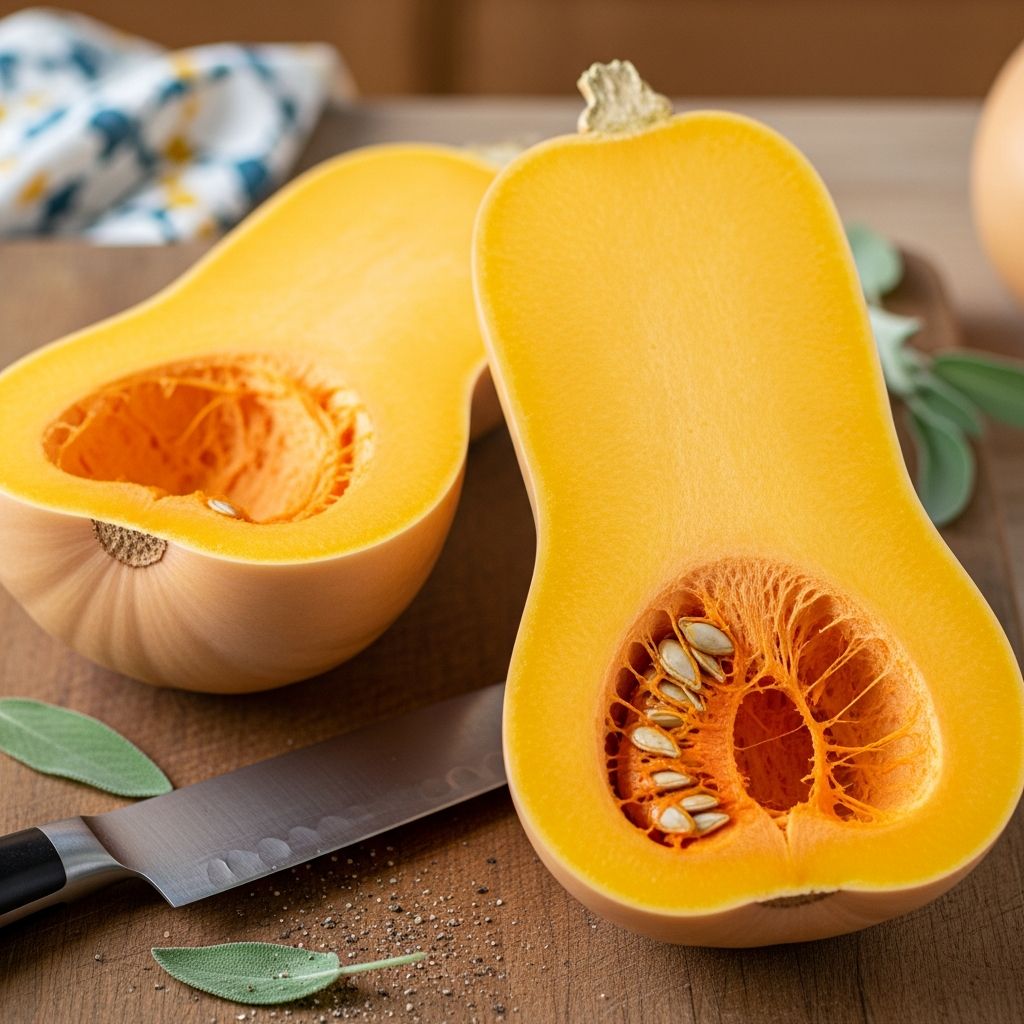
Butternut squash skin is
edible
and safe to consume when properly prepared, offering additional fiber, vitamins, and antioxidants that complement the flesh’s nutrition. Many people peel it due to its toughness, but roasting or cooking softens it effectively for versatile use in meals.What Is Butternut Squash?
Butternut squash (Cucurbita moschata) is a
winter squash
variety with smooth, tan-colored skin, a bulbous base, and bell-shaped narrow neck. Harvested in fall, its thick skin allows storage for months in cool, dark places, distinguishing it from summer squashes.Rich in sweet, nutty flavor, it grows on vines like pumpkins and provides substantial nutrition per 1 cup cooked: 82 calories, 2g protein, 7g fiber, zero fat or cholesterol.
Can You Eat the Skin of Butternut Squash?
Yes,
butternut squash skin is edible
and softens with cooking, making it suitable for roasting whole without peeling. While often peeled for texture, the skin adds nutritional value and can be eaten after thorough washing and cooking.- Skins contain
soluble and insoluble fiber
aiding digestion, blood sugar regulation, and cholesterol reduction. - Minor blemishes don’t disqualify it; choose heavy squash with dull skin.
- Seeds, pulp, and even blossoms are also edible when roasted or cooked.
Is It Safe to Eat Butternut Squash Skin?
Butternut squash skin is
safe
for most people when washed well to remove dirt or pesticides. Cooking eliminates potential bacteria, and its toughness raw makes it unappealing uncooked anyway.Individuals with sensitivities to nightshade family traces or digestive issues may prefer peeling, but no widespread allergies exist. Always source organic if concerned about chemicals.
Health Benefits of Butternut Squash Skin
The skin boosts the squash’s impressive profile:
457% RDI vitamin A
(beta-carotene form),53% RDI vitamin C
, plus B vitamins like thiamine, niacin, B6, and folate. Antioxidants combat aging and disease.Minerals include
19% DV manganese
, 17% DV potassium (blood pressure regulation), 15% DV magnesium, 8% DV calcium for bone health, iron, and copper.| Nutrient (per 1 cup cooked) | % Daily Value |
|---|---|
| Vitamin A (beta-carotene) | 457% RDI |
| Vitamin C | 53% RDI |
| Manganese | 19% DV |
| Potassium | 17% DV |
| Magnesium | 15% DV |
| Fiber | 7g (high) |
Fiber from skin helps prevent constipation, supports gut microbiome, lowers colon cancer risk.
Pros and Cons of Eating Butternut Squash Skin
Pros
- **Extra Nutrition:** Boosts fiber, antioxidants, vitamins.
- **Time-Saving:** No peeling needed for roasting.
- **Waste Reduction:** Uses whole vegetable sustainably.
- **Texture Variety:** Adds slight chewiness to dishes.
Cons
- **Tough Texture:** May be chewy if undercooked.
- **Pesticide Residue:** Wash thoroughly, prefer organic.
- **Bitterness:** Some find skin less sweet than flesh.
How to Prepare Butternut Squash Skin for Eating
Wash under running water with a brush. For easiest prep:
- Cut off stem and blossom ends.
- Halve lengthwise, scoop seeds (roast separately).
- Roast at 400°F for 50-60 minutes until fork-tender.
- Scoop or slice; skin softens naturally.
Raw uses: Grate into salads, make sticks for dipping, or dehydrate into chips.
Recipe Ideas Using Butternut Squash Skin
Stuffed Butternut Squash Boats
Full recipe serves 4; uses whole halves.
Ingredients:
- 1 whole butternut squash
- 1 15-oz can black beans
- 2 cups fresh spinach
- 1 cup corn
- 1.5 cups cooked barley or rice
- Spices: 1 tsp each paprika, chili powder, garlic powder, parsley, oregano; ½ tsp red pepper flakes
- 3 green onions, chopped
- 1 Tbsp oil (optional)
Related Stories



Instructions:
- Preheat oven to 400°F; line pan with parchment.
- Halve squash, remove seeds, bake face-up 50-60 min until soft.
- Scoop flesh leaving 1″ shell; mash in bowl.
- Sauté beans, barley, spices, corn, spinach; mix in squash.
- Refill shells, bake 10 min; top with onions.
Other Ideas
- Cube and roast with skin on for salads or soups.
- Puree into sauces, oatmeal, or baked goods.
- Roast seeds for snacks; sub for potatoes in recipes.
Buying and Storing Butternut Squash
Select heavy-for-size squash with
dull, blemish-minimal skin
(minor spots ok since often peeled, but edible anyway). Store in cool, dark spot for months.FAQs
Is butternut squash skin tough to eat?
Raw, yes—but roasting softens it completely for easy eating.
Does butternut squash skin have nutritional value?
Absolutely: Adds fiber, vitamins, minerals, enhancing overall benefits.
Can you eat butternut squash raw with skin?
Skin is too tough raw; grate finely for salads, but cook preferred.
Should you peel butternut squash before cooking?
Not necessary—roast whole; peel only if smoother texture desired.
Are butternut squash seeds and skin healthy?
Yes, both provide fiber, antioxidants; roast seeds for crunch.
This article expands on butternut squash’s versatility, emphasizing whole-use for maximum nutrition. Incorporate skin-on methods to boost meals effortlessly.
References
- Health Benefits of Butternut Squash — OSU Extension Family & Community Health, Advanced Health. 2023-10. https://advancedhealth.com/wp-content/uploads/2023/10/73-Oct-Butternut-Squash-handout.pdf
- Butternut Squash Nutrition Facts — USDA FoodData Central. 2024-01-15. https://fdc.nal.usda.gov/fdc-app.html#/food-details/169295/nutrients
- Winter Squash: Nutritional Profile and Health Benefits — Harvard T.H. Chan School of Public Health. 2023-11. https://www.hsph.harvard.edu/nutritionsource/food-features/winter-squash/
- Dietary Fiber in Squash and Digestive Health — NIH National Institute of Diabetes and Digestive and Kidney Diseases. 2024-05. https://www.niddk.nih.gov/health-information/digestive-diseases
Similar Articles








Read full bio of medha deb