Can You Eat Canola Oil If You Have Diabetes?
Discover if canola oil is safe and beneficial for diabetes management, backed by research on glycemic control and heart health.
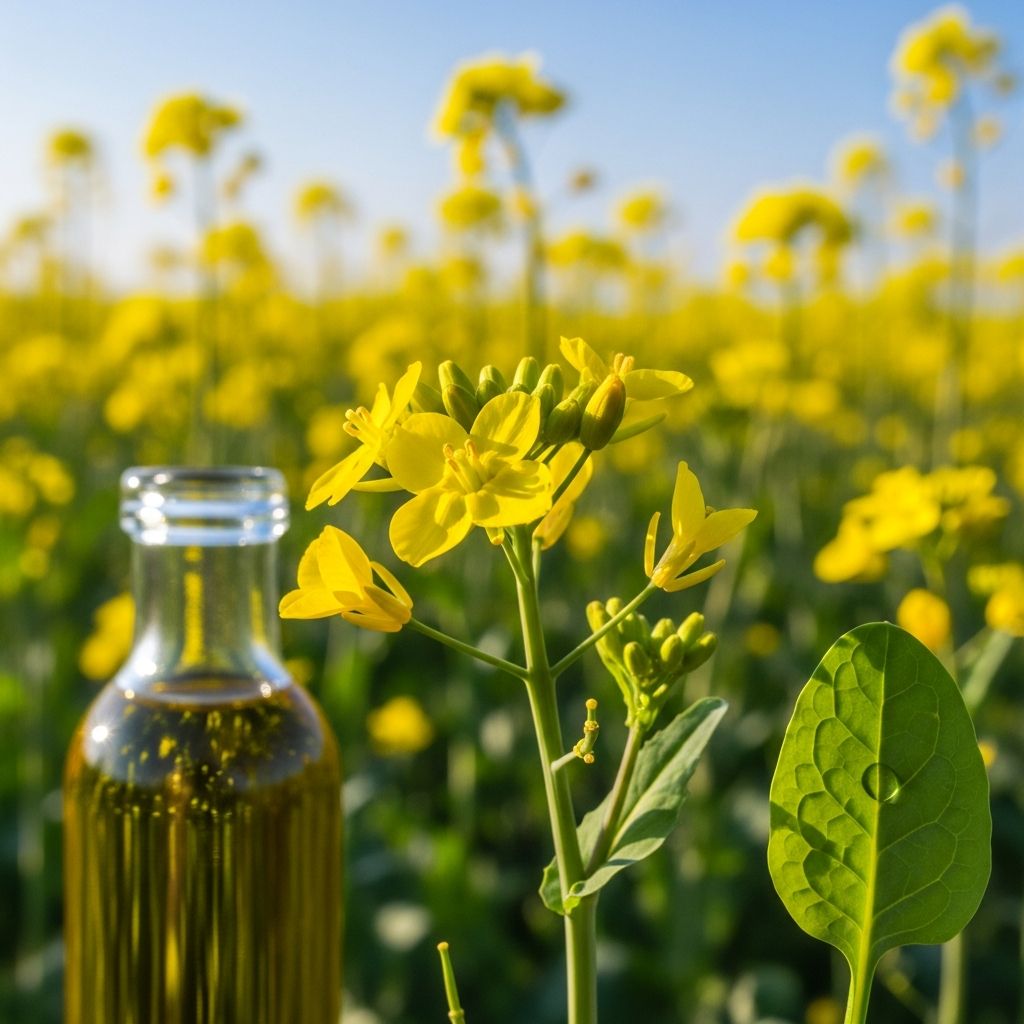
Yes, canola oil is generally safe and potentially beneficial for people with diabetes when used as part of a balanced diet. Research shows it can improve glycemic control and reduce cardiovascular risk factors in type 2 diabetes, particularly when incorporated into a low-glycemic-load (GL) diet.
What Is Canola Oil?
Canola oil is a vegetable oil derived from the seeds of the canola plant, a variety of rapeseed bred to have low erucic acid and glucosinolates. It has a neutral flavor, high smoke point (around 400°F or 204°C), making it versatile for cooking, baking, and dressings. Nutritionally, it’s low in saturated fat (about 7%), high in monounsaturated fatty acids (MUFAs, ~63%), and contains alpha-linolenic acid (ALA, an omega-3 at ~9-11%), which supports heart health.
Compared to other oils, canola oil’s fatty acid profile aligns with diabetes dietary guidelines recommending MUFAs over saturated fats. Diabetes Canada’s clinical practice guidelines specifically endorse oils like canola for their MUFA content.
Canola Oil and Diabetes: The Research
A key randomized controlled trial involving 141 adults with type 2 diabetes demonstrated that a canola oil-enriched low-GL diet significantly improved HbA1c levels compared to a high-whole-grain diet. Participants on the canola diet saw a 0.5% greater reduction in HbA1c, with even larger benefits (up to 0.7%) in those with elevated systolic blood pressure.
The study, conducted from 2011-2012, used canola oil in low-GI foods like bread, reducing glycemic load while providing ALA and MUFAs. This combination lowered the Framingham CVD risk score by an additional 0.63% over 10 years versus the control. LDL cholesterol dropped further with canola, translating to potential 7% extra CVD event reduction.
Other research supports these findings: canola oil reduced LDL in middle-aged women with diabetes, though less effectively than rice bran oil in one study. In women with type 2 diabetes, replacing sunflower oil with canola lowered inflammation markers like CRP and oxidative stress, aiding insulin resistance. A St. Michael’s Hospital study echoed better A1C control, especially in those with highest baseline levels.
Nutritional Benefits of Canola Oil for Diabetes Management
- Low Saturated Fat: Only 7% saturated fat helps limit insulin resistance linked to high saturated intake.
- High MUFAs: Promote better blood sugar stability and HDL cholesterol.
- Omega-3 ALA: Anti-inflammatory; cohort studies link higher ALA to lower diabetes risk.
- Vitamin E: Antioxidant properties combat oxidative stress in diabetes.
- Low Glycemic Impact: Neutral oil doesn’t spike blood sugar when used moderately.
These attributes make canola superior to butter or tropical oils high in saturated fats, aligning with American Diabetes Association recommendations for unsaturated fats.
How Canola Oil Affects Blood Sugar and Insulin Sensitivity
Canola oil’s low-GL integration prevents post-meal glucose spikes. The landmark trial showed modest HbA1c reductions (0.43% in meta-analyses of low-GI diets), clinically meaningful in high-risk groups. By replacing saturated fats, it enhances insulin sensitivity; one trial found canola superior to olive in reducing insulin resistance markers in diabetic women.
Mechanisms include ALA’s role in reducing inflammation and MUFAs stabilizing cell membranes for better glucose uptake. No evidence suggests canola worsens blood sugar; instead, it outperforms whole grains in some glycemic metrics.
Impact on Cholesterol and Heart Health
People with diabetes face 2-4x higher CVD risk; canola oil mitigates this. The trial reported LDL reductions despite statin use, plus lower triglycerides and VLDL. In metabolic syndrome, canola beat butter for LDL lowering, though neutral on blood pressure.
| Parameter | Canola Low-GL Diet Change | Whole Grain Diet Change | P-value |
|---|---|---|---|
| HbA1c (%) | -0.53 | -1.16 (wait, per table: test better in subgroups) | <0.05 in SBP+ group |
| LDL-C (mmol/L) | -0.14 | -0.04 | 0.02 |
| Framingham CVD Risk (%) | -1.16 | -0.53 | 0.008 |
Related Stories



(Adapted from ) Canola’s profile supports endothelial function indirectly via lipids.
Potential Downsides and Considerations
Canola is highly processed, raising concerns over oxidation, but its stability suits cooking. GMO prevalence (90%+ North America) worries some, but no diabetes-specific risks proven. Moderation key: 1-2 tbsp/day fits 20-35% fat guidelines. Those with alpha-gal syndrome or mustard allergy avoid it. No serious adverse events in trials; minor hypoglycemia similar across groups.
How to Use Canola Oil in a Diabetes-Friendly Diet
- Sauté vegetables or proteins at medium heat.
- Drizzle on salads with vinegar for MUFA boost.
- Bake low-GI breads enriched with canola.
- Replace butter in recipes 1:1.
- Combine with nuts, avocados for fat balance.
Aim for variety: rotate with olive, avocado oils. Pair with fiber-rich foods for synergy.
Canola Oil vs. Other Oils for Diabetes
| Oil | Sat Fat (%) | MUFA (%) | Omega-3 (%) | Best For Diabetes? |
|---|---|---|---|---|
| Canola | 7 | 63 | 9-11 | Yes, glycemic + CVD benefits |
| Olive | 14 | 73 | 0.8 | Yes, but less ALA |
| Coconut | 82 | 6 | 0 | No, high sat fat |
| Avocado | 12 | 70 | 0 | Yes, similar to canola |
Canola edges out for omega-3 and affordability.
Expert Recommendations
Dietitians endorse canola for diabetes per Diabetes Canada. ADA suggests unsaturated fats; canola fits. Recent reviews confirm seed oils like canola link to lower T2D risk via linoleic acid.
Frequently Asked Questions
Is canola oil inflammatory?
No, its omega-3s reduce inflammation; trials show CRP drops.
Does canola oil spike blood sugar?
No, as an oil, it has zero carbs and aids low-GL meals.
Is canola oil better than olive oil for diabetes?
Comparable; canola offers more ALA, olive more stability.
Can I fry with canola oil if diabetic?
Yes, high smoke point suits it; limit deep-frying.
Is organic canola oil better?
Not necessarily for diabetes; nutrition identical.
References
- Effect of Lowering the Glycemic Load With Canola Oil on Glycemic Control and Cardiovascular Risk Factors in Type 2 Diabetes — Diabetes Care (American Diabetes Association). 2014-07-01. https://diabetesjournals.org/care/article/37/7/1806/37782/Effect-of-Lowering-the-Glycemic-Load-With-Canola
- Canola Oil – Uses, Side Effects, and More — WebMD. 2023. https://www.webmd.com/vitamins/ai/ingredientmono-1563/canola-oil
- The effects of canola and olive oils on insulin resistance and inflammation — Nutrition & Diabetes (PMC/NIH). 2019-02-27. https://pmc.ncbi.nlm.nih.gov/articles/PMC6405399/
- Benefits of canola oil — Diabetes Care Community (Diabetes Canada). 2023. https://www.diabetescarecommunity.ca/diet-and-fitness-articles/diabetes-diet-articles/benefits-of-canola-oil/
- The Best and Worst Cooking Oils for People with Diabetes — Byram Healthcare. 2024. https://www.byramhealthcare.com/blogs/the-best-and-worst-cooking-oils-for-people-with-diabetes
Similar Articles








Read full bio of medha deb