Can You Eat Cheese with High Cholesterol?
Discover if cheese fits into a high-cholesterol diet, backed by science on its surprising heart health benefits.
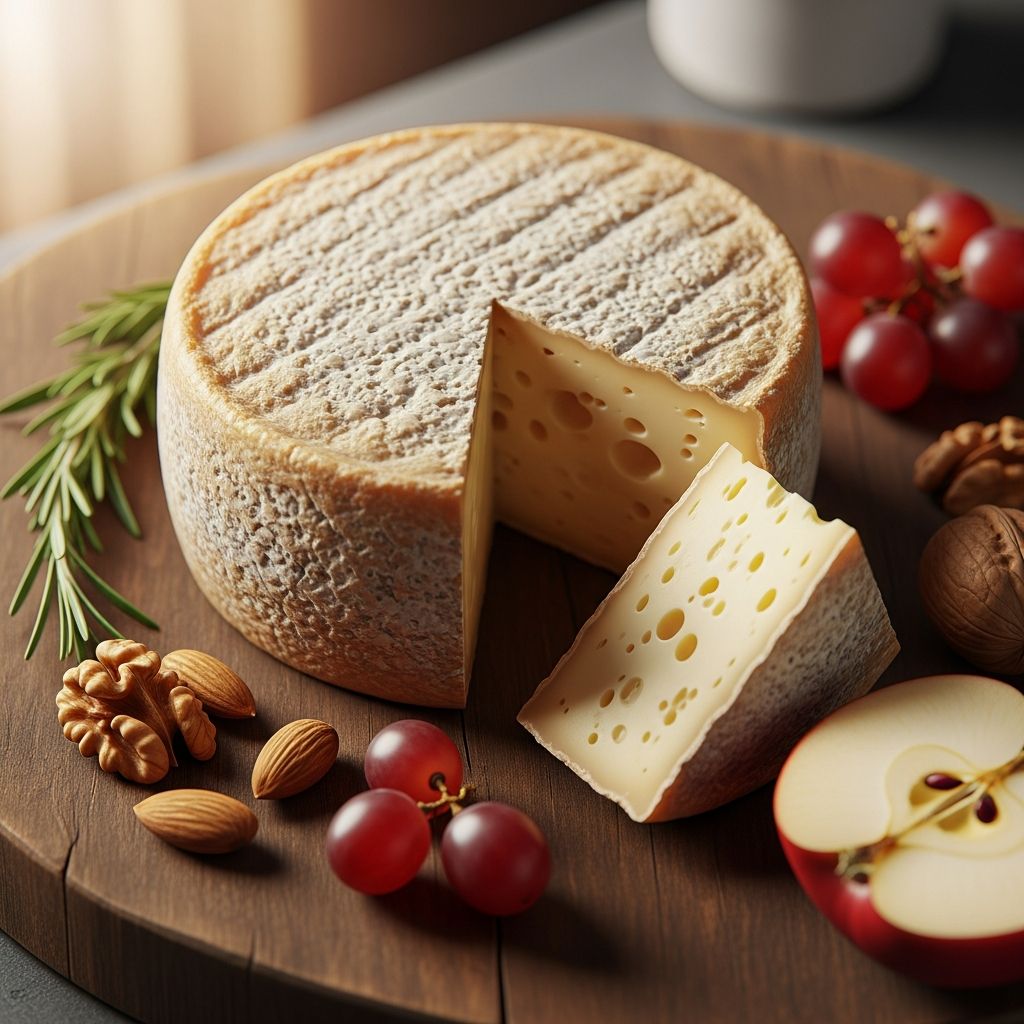
Yes, you can eat cheese if you have high cholesterol, but moderation and smarter choices are key. Despite its saturated fat content, research shows cheese does not necessarily raise cholesterol levels and may even offer benefits due to its unique nutrient matrix.
What Is Cholesterol and Why Does It Matter?
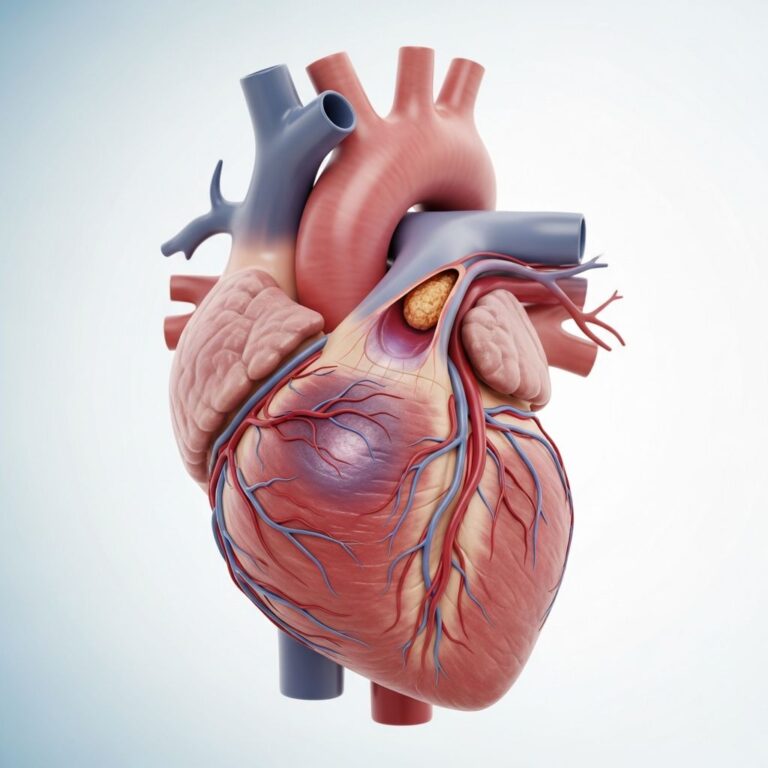
Cholesterol is a waxy substance your body needs for cell building and hormone production, but high levels—especially LDL (“bad”) cholesterol—can lead to plaque buildup in arteries, increasing heart disease risk. HDL (“good”) cholesterol helps remove LDL. High cholesterol often has no symptoms and requires blood tests for diagnosis.
Saturated fats from foods like cheese can influence LDL levels, but cheese’s complex structure—including calcium, proteins, and bioactive compounds—may mitigate this effect, unlike butter or isolated fats.
Does Cheese Raise Your Cholesterol Levels?
Cheese is high in saturated fat and cholesterol, yet studies reveal a neutral or positive impact. A randomized trial found no cholesterol increase after 8 weeks of high Gouda-type cheese intake (80g/day), with reductions in participants having metabolic syndrome.
Other research confirms: full-fat cheese lowered LDL compared to butter, thanks to the “dairy matrix” where fats bind with calcium and proteins, reducing absorption. A 12-week study showed 80g daily full-fat cheese did not raise LDL versus low-fat options or carbs.
Observational data links higher cheese intake to better cardiovascular scores, lower triglycerides, and higher HDL in some groups. However, excess intake alongside high-carb diets may amplify risks.
Health Benefits of Cheese
Cheese provides protein (up to 25g per 100g), calcium (700mg+ daily needs in hard varieties), vitamins A, B12, and probiotics in fermented types. Calcium supports bone health, heart rhythm, and may bind dietary fats to lower cholesterol absorption.
- Protein: Builds muscle and promotes satiety.
- Calcium: Essential for bones, teeth, and blood pressure regulation.
- Probiotics: In aged cheeses, aiding gut health.
- Bioactives: Peptides and polyphenols may reduce inflammation.
Best Types of Cheese for High Cholesterol
Opt for lower-fat, lower-sodium options. Hard cheeses often pack more calcium with less fat per serving.
| Cheese Type | Saturated Fat (per 28g) | Calcium (mg) | Best For |
|---|---|---|---|
| Cottage Cheese (low-fat) | 0.5g | 100 | Versatile, low-cal |
| Part-Skim Mozzarella | 2.5g | 200 | Melting, salads |
| Feta (reduced-fat) | 3g | 140 | Mediterranean dishes |
| Swiss | 4g | 250 | Sandwiches, high calcium |
| Gouda (moderate) | 5g | 200 | Studied for neutral effect |
Avoid high-fat processed cheeses like American slices, which add sodium and trans fats.
How Much Cheese Can You Eat with High Cholesterol?
Guidelines suggest 1-2 ounces (28-56g) daily max for most. UK limits: 20-30g saturated fat total daily; one cheddar portion (30g) uses 6g. Pair with veggies/fruits to balance.
Related Stories



- Women: ≤20g sat fat/day.
- Men: ≤30g sat fat/day.
- High cholesterol: Prioritize low-fat, monitor via bloodwork.
Studies support 80g/day without LDL rise, but individual factors like genetics matter.
Healthier Swaps for Cheese
Reduce intake with these alternatives:
- Yogurt: Greek yogurt for creaminess, probiotics, less fat.
- Nutritional Yeast: Cheesy flavor, B-vitamins, low-cal.
- Hummus: Plant-based, fiber-rich spread.
- Avocado: Healthy fats lower LDL.
- Plant Milks: In sauces, with cashew cheese for vegan option.
Delicious Ways to Enjoy Cheese in a Heart-Healthy Diet
- Salad Topper: Crumble feta on greens with olive oil.
- Veggie Sticks: Low-fat cheese with carrots/celery.
- Whole-Grain Crackers: Thin slice Swiss, add tomato.
- Stir into Soups: Part-skim mozzarella in veggie broth.
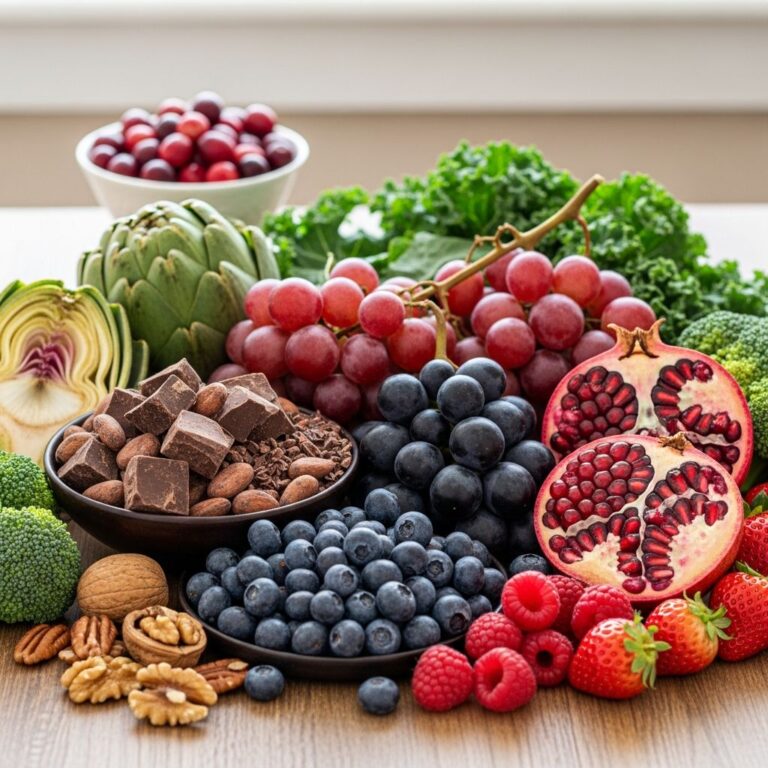
- Fruit Pairing: Cottage cheese with berries for antioxidants.
Focus on Mediterranean-style: cheese + plants, fish, nuts.
Bottom Line
Cheese can fit a high-cholesterol diet in moderation—choose low-fat types, limit to 1-2oz daily, and pair with fiber-rich foods. Its calcium and matrix may protect against expected cholesterol rises. Consult a doctor or dietitian for personalized advice, especially with meds like statins.
Frequently Asked Questions (FAQs)
Is all cheese bad for cholesterol?
No, studies show full-fat cheese often has neutral or beneficial effects compared to butter, due to its nutrient interactions.
Which cheese is lowest in cholesterol?
Low-fat cottage cheese or ricotta; all cheeses have some, but impact is minimal in moderation.
Can cheese increase HDL cholesterol?
Some studies link higher cheese intake to elevated HDL, especially in women.
Is cheese okay on a statin?
Yes, in moderation; discuss portions with your doctor as statins target cholesterol production.
Does plant-based cheese affect cholesterol?
Often better, lacking saturated fats, but check labels for oils.
References
- Effect of a high intake of cheese on cholesterol and metabolic syndrome: results from a randomized controlled trial — National Institutes of Health (NIH). 2015-08-01. https://pmc.ncbi.nlm.nih.gov/articles/PMC4543447/
- How does cheese affect cholesterol levels? — Medical News Today. 2023-10-01. https://www.medicalnewstoday.com/articles/322044
- 11 Foods High in Cholesterol: What to Eat and Avoid — Healthline. 2024-01-01. https://www.healthline.com/nutrition/high-cholesterol-foods
- Is cheese good for you? Some facts may surprise you — British Heart Foundation (BHF). 2023-01-01. https://www.bhf.org.uk/informationsupport/heart-matters-magazine/nutrition/cheese
Similar Articles








Read full bio of medha deb