Can You Eat Chocolate If You Have Diabetes?
Discover if chocolate fits into a diabetes-friendly diet, the benefits of dark chocolate, and smart ways to enjoy it without spiking blood sugar.
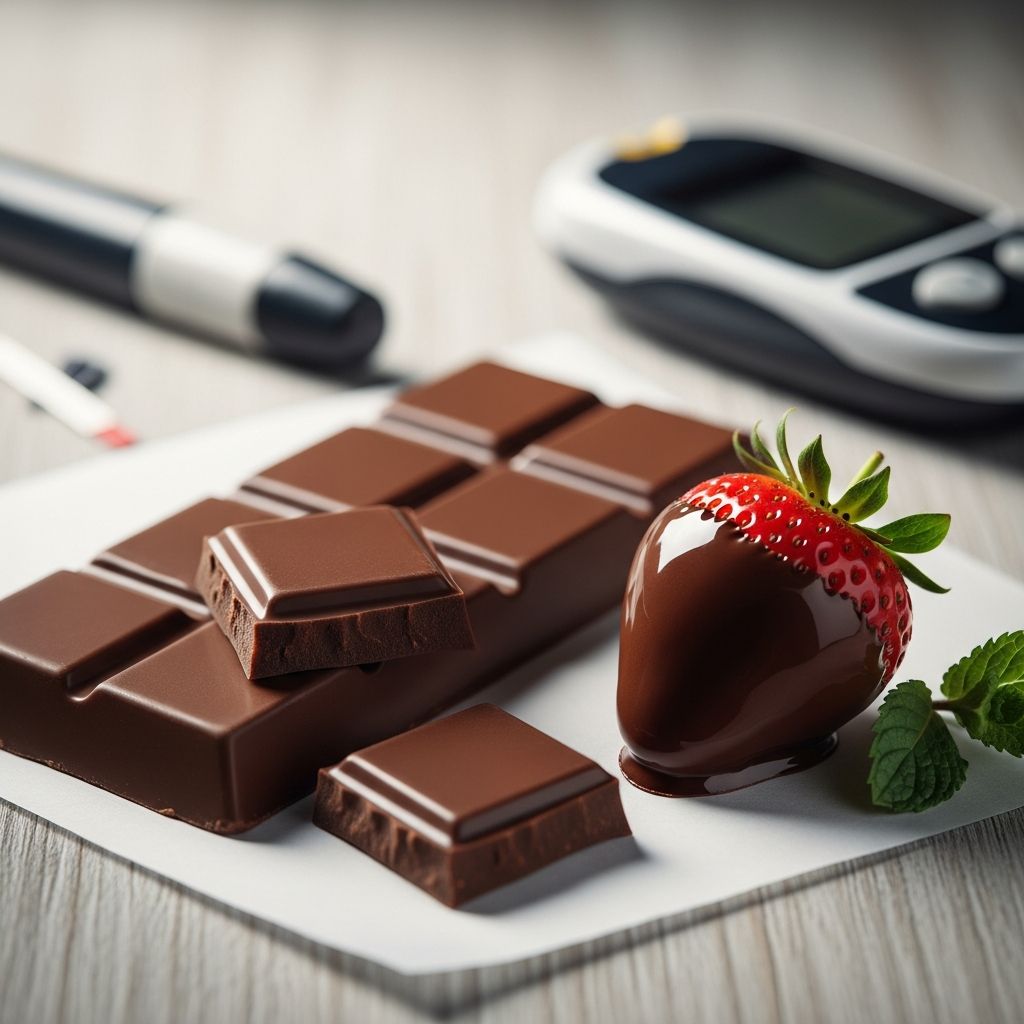
The short answer is yes—people with diabetes can eat chocolate, but moderation and type matter greatly. Dark chocolate, particularly varieties with high cocoa content (70% or more), offers potential health benefits like improved insulin sensitivity and reduced type 2 diabetes risk, thanks to flavanols. Milk and white chocolate, higher in sugar and fat, should be limited to avoid blood sugar spikes and weight gain.
This article explores the science, portion guidance, and practical tips for incorporating chocolate safely into a diabetes management plan.
What Does the Research Say About Chocolate and Diabetes?
Recent large-scale studies provide compelling evidence that dark chocolate may protect against type 2 diabetes. A Harvard T.H. Chan School of Public Health analysis of nearly 200,000 U.S. adults found that consuming five 1-ounce servings of dark chocolate weekly reduced type 2 diabetes risk by 21% compared to non-consumers. This held after adjusting for lifestyle, diet, and other risk factors.
In contrast, milk chocolate showed no such benefit and was linked to greater weight gain—about 0.35 kg over four years with increased intake. Dark chocolate’s edge comes from flavan-3-ols, antioxidants abundant in cocoa (3.65 mg/g in 50-80% dark chocolate vs. 0.69 mg/g in milk chocolate).
- Flavanols improve endothelial function, insulin sensitivity, and glucose metabolism.
- They reduce oxidative stress and inflammation, key drivers of insulin resistance.
- Short-term trials confirm benefits: 15 days of high-flavanol dark chocolate improved insulin sensitivity and beta-cell function in glucose-intolerant patients vs. white chocolate.
Preclinical studies in diabetic rats further support this, showing cocoa extracts reduce blood glucose, insulin resistance, and oxidative stress markers dose-dependently. Human randomized trials echo these findings, with dark chocolate enhancing glucose tolerance during oral glucose tests.
Observational data has limitations like self-reporting and confounders (e.g., younger people eat more dark chocolate), but pooled evidence from RCTs strengthens causality.
Dark Chocolate vs. Milk Chocolate: A Comparison
Not all chocolate is equal for diabetes management. Dark chocolate’s minimal milk, sugar, and processing preserve beneficial compounds, while milk chocolate’s additives diminish them.
| Aspect | Dark Chocolate (70%+ Cocoa) | Milk Chocolate | White Chocolate |
|---|---|---|---|
| Cocoa Content | High (50-90%) | Low (30-40%) | None |
| Flavanols (mg/g) | 3.65 | 0.69 | 0 |
| Sugar Content | Low | High | Very High |
| Calories per oz | ~170 | ~150-170 | ~150 |
| Diabetes Risk Impact | 21% lower (5 servings/week) | No benefit; weight gain | None; used as control |
| Key Benefits | Insulin sensitivity, gut health | Taste, but higher carbs | None for diabetes |
Dark chocolate’s polyphenols may alter fat and sugar metabolism, offsetting calories and supporting metabolic health without weight gain. Gut microbiome improvements also play a role.
Health Benefits of Dark Chocolate for People with Diabetes
Beyond diabetes risk reduction, dark chocolate supports overall cardiometabolic health crucial for diabetics.
- Improved Insulin Sensitivity: Flavanols like epicatechin protect pancreatic beta-cells, boost insulin secretion, and lower HOMA-IR scores.
- Better Blood Pressure and Endothelial Function: Nitric oxide production from flavanols enhances vasodilation, aiding glucose delivery.
- Antioxidant Effects: Reduces oxidative stress, a root cause of insulin resistance.
- Gut Health: Positive shifts in microbiota linked to metabolic benefits.
- Lower Inflammation: Decreases cytokines like TNF-α and IL-6.
Related Stories



In one RCT, hypertensive glucose-intolerant patients eating 100g high-polyphenol dark chocolate daily for 15 days showed significant insulin sensitivity gains vs. white chocolate. Similar results in broader reviews suggest cocoa slows diabetes progression.
How Much Chocolate Can You Eat If You Have Diabetes?
Moderation is key: Aim for 1 ounce (28g) of dark chocolate (70%+ cocoa) 3-5 times weekly, totaling ~5 ounces. This aligns with the Harvard study’s risk-reducing dose without excess calories (~850/week).
- Track carbs: 1 oz dark chocolate has 12-15g net carbs; fit into daily limits (45-60g/meal).
- Pair with protein/fiber (nuts, berries) to blunt glucose spikes.
- Monitor blood sugar: Test 1-2 hours post-consumption.
- Avoid daily indulgence to prevent calorie creep.
Exceeding this risks weight gain and poor glycemic control, even with dark chocolate.
Best Types of Chocolate for Diabetes
Choose minimally processed, high-cocoa options:
- 70-85% dark chocolate bars (Lindt Excellence, Ghirardelli Intense Dark).
- 90%+ ultra-dark for lowest sugar.
- Cocoa nibs or powder (unsweetened) for baking/ smoothies.
- Avoid chocolate with added sugars, fillers, or milk.
Check labels: <10g sugar/oz, high fiber (>3g/oz).
Chocolate Portion Sizes and Blood Sugar Impact
Small amounts minimize glycemic load. Example daily integration:
| Portion | Net Carbs | Calories | Expected BS Rise (Type 2) |
|---|---|---|---|
| 0.5 oz (14g) 70% dark | 6-7g | 85 | 10-20 mg/dL |
| 1 oz (28g) | 12-15g | 170 | 20-40 mg/dL |
| 1 oz milk chocolate | 20g+ | 150 | 40-60+ mg/dL |
Individual responses vary; use continuous glucose monitors for precision.
Healthy Ways to Enjoy Chocolate with Diabetes
- Melt 1 oz dark chocolate over almonds or chia pudding.
- Add cocoa powder to smoothies or oatmeal (unsweetened).
- Make fat bombs: Cocoa + coconut oil + stevia.
- Dip strawberries in melted 85% dark.
- Bake low-carb brownies with almond flour, erythritol.
These methods add satisfaction without carb overload.
Chocolate Recipes for People with Diabetes
Dark Chocolate Avocado Mousse (Serves 2)
- 1 ripe avocado
- 2 tbsp unsweetened cocoa powder
- 2 tbsp erythritol or monk fruit sweetener
- 1 tsp vanilla extract
- Pinch salt
Blend until smooth; chill. ~5g net carbs/serving. Rich, creamy, blood sugar-friendly.
Chocolate-Dipped Nuts (1 oz serving)
Melt 1 oz 85% dark chocolate; dip mixed nuts. Freeze. Portable snack with protein buffer.
Potential Downsides and Precautions
Chocolate isn’t a cure-all:
- Calories: Dense energy source; overeating leads to weight gain.
- Caffeine/Theobromine: May affect sleep or anxiety in sensitive individuals.
- Milk Allergens: Trace amounts in ‘dark’ chocolate.
- Glycemic Variability: Test personally; not all respond equally.
Consult a doctor/dietitian, especially with gastroparesis or strict carb limits.
Frequently Asked Questions (FAQs)
Can diabetics eat chocolate every day?
Occasionally yes, but limit to 0.5-1 oz dark chocolate 3-5x/week to avoid excess carbs/calories.
Is dark chocolate better than milk for blood sugar?
Yes—dark has flavanols improving insulin sensitivity; milk chocolate raises weight and offers no diabetes risk reduction.
Does hot chocolate count?
Only if made with unsweetened cocoa powder, almond milk, and no sugar. Avoid commercial mixes.
Can chocolate help reverse prediabetes?
Evidence suggests regular dark chocolate intake improves insulin sensitivity, potentially slowing progression.
What percentage cocoa is best for diabetics?
70%+ for optimal flavanols with tolerable sugar; 85-90% ideal.
References
- Dark chocolate reduces type 2 diabetes risk by 21% and won’t make you fat — New Atlas (Harvard T.H. Chan School of Public Health study). 2023-10-12. https://newatlas.com/diet-nutrition/dark-chocolate-diabetes/
- Use of dark chocolate for diabetic patients: a review of the literature — PMC / National Library of Medicine. 2017-11-28. https://pmc.ncbi.nlm.nih.gov/articles/PMC5699188/
- The Surprising Health Benefits of Dark Chocolate for Diabetes — Nourished by Science. 2023. https://nourishedbyscience.com/dark-chocolate-t2dm/
Similar Articles








Read full bio of Sneha Tete