Onion Skin: A Complete Guide To Benefits, Risks, And Uses
Discover if onion skins are safe and nutritious to eat, packed with flavonoids like quercetin for health benefits.
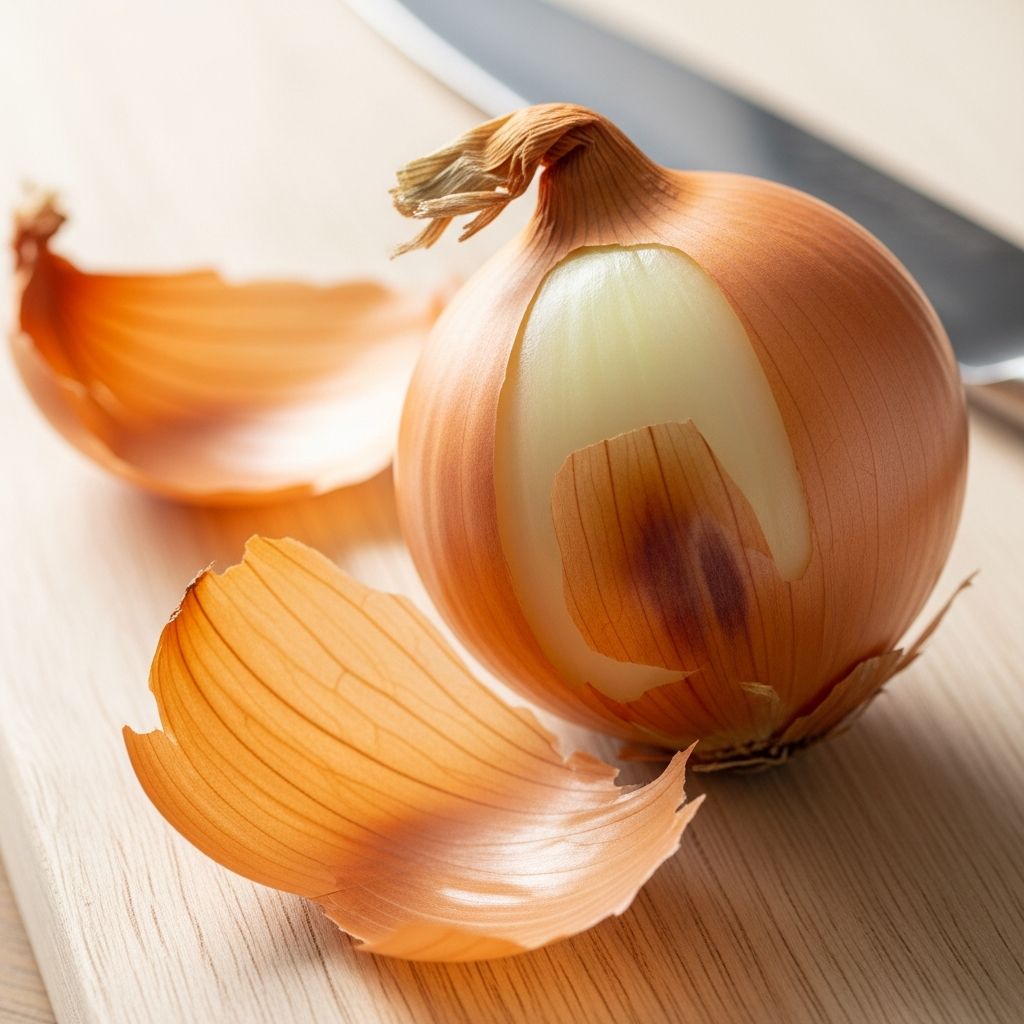
Onion skins, often discarded as waste, are edible and contain high levels of bioactive compounds like flavonoids, particularly quercetin, offering antioxidant, anti-inflammatory, and antidiabetic potential.
Is Onion Skin Edible?
Yes, onion skins from both red and yellow onions are safe to eat for most people when properly washed. Unlike potato skins which may contain solanine, onion skins pose no such toxicity risks and are richer in flavonoids than the bulb itself, with concentrations up to 200 times higher in some cultivars.
Research confirms onion skins are non-cytotoxic and display bioactivities including anti-dermatophytic effects against fungi like T. rubrum. Traditional uses in teas and broths support their edibility, though they are tough and best used cooked or blended.
Nutritional Value of Onion Skins
Onion skins are nutrient-dense, surpassing the edible bulb in key compounds. They provide:
- Flavonoids: Primarily quercetin and quercetin-4′-O-glucoside, accounting for over 80% of phenolics, with strong antioxidant capacity against biological oxidants.
- Vitamin C and Fiber: High levels contribute to immune support and digestive health.
- Phenolics: Including protocatechuic acid, linked to anti-inflammatory and antidiabetic effects via α-glucosidase and aldose reductase inhibition.
- Organosulfur Compounds: Offer antimicrobial and anticancer properties.
Studies show red onion skins have total phenolic content (TPC) and total flavonoid content (TFC) dramatically higher than flesh, making peels a superior source for functional foods.
Health Benefits of Eating Onion Skins
Consuming onion skins taps into powerful bioactives with evidence-based benefits:
Antioxidant Power
Quercetin in skins scavenges biological oxidants, reducing oxidative stress linked to aging and disease. Extracts show potent activity in cellular models.
Anti-Inflammatory Effects
Inhibits 5-LOX and restores NO levels, potentially easing conditions like arthritis. Quercetin metabolites act as anti-inflammatory agents in circulation.
Antidiabetic Properties
Blocks enzymes like α-glucosidase, lowering blood sugar. Animal and human studies confirm effects from onion consumption.
Cardiovascular Health
Quercetin from skins lowers blood pressure in hypertensives (162 mg/day extract) and reduces platelet aggregation, cutting thrombosis risk.
Anticancer Potential
Quercetin and organosulfurs linked to reduced risk of breast, colon, gastric, lung, and bladder cancers. Allium intake may slash colorectal cancer by 79%.
Other Benefits
- Neuroprotection: Flavonoid-rich diets lower Alzheimer’s risk.
- Antimicrobial: Fights H. pylori and dermatophytes.
- Bone Health: Increases mineral density in studies.
Are There Any Risks?
Onion skins are generally safe but consider:
- Pesticides: Organic onions preferred; wash thoroughly.
- Digestive Tolerance: High fiber may cause bloating if overconsumed raw.
- Allergies: Rare, but sulfurs can irritate sensitive individuals.
- Preparation: Avoid if moldy or chemically treated.
No cytotoxicity observed in assays, supporting safety for nutraceutical use.
How to Prepare Onion Skins for Eating
Harvest clean, dry skins from firm onions. Rinse well under running water, scrub gently, and dry.
| Method | Steps | Best For |
|---|---|---|
| Tea | Steep 1-2 tsp chopped skins in boiling water 10 mins. | Daily antioxidants |
| Broth | Simmer skins 30-60 mins, strain. | Soups, stocks |
| Blended | Boil, blend into sauces or smoothies. | Sauces, purees |
| Baked | Dry at 200°F until crisp, grind for seasoning. | Spice rubs |
Related Stories



Extraction at 37°C with 70:30 ethanol:water maximizes phenolics, but home cooking yields similar benefits.
Recipes Using Onion Skins
Onion Skin Tea
Ingredients: 2 tbsp skins, 4 cups water, honey/lemon.
Boil skins 10 mins, steep 5, strain. Yields quercetin-rich brew for daily sipping.
Vegetable Broth
Add skins to carrots, celery; simmer 1 hour. Strain for flavorful, antioxidant stock.
Quercetin Powder
Bake skins 2 hours at low heat, blend. Use in smoothies or baking for 22-51 mg quercetin per serving.
Expert Tips and Storage
RDs recommend incorporating skins gradually. Store dry skins in airtight containers up to 6 months. Use red skins for max flavonoids.
Research gaps: More human trials needed, but cellular data promising.
Frequently Asked Questions (FAQs)
Can you eat onion skins raw?
Yes, but cook or blend to improve digestibility and reduce toughness.
Which onions have the best skins?
Red onions; highest quercetin.
Is onion skin good for skin health?
Antioxidants combat oxidative damage; topical uses emerging.
How much quercetin in onion skin?
Up to 51 mg per 100g onion equivalent, higher in peels.
Can pets eat onion skins?
No, toxic to dogs/cats due to sulfurs.
Does cooking destroy nutrients?
Minimal loss; boiling extracts compounds effectively.
References
- Non-edible onion skin waste as a source of bioactive agents — NIH/PMC. 2024. https://pmc.ncbi.nlm.nih.gov/articles/PMC12320693/
- Onion Health Research — National Onion Council (onions-usa.org). 2023. https://www.onions-usa.org/all-about-onions/onion-health-research/
Similar Articles








Read full bio of medha deb