Can You Eat Raw Oats? 5 No-Cook Recipes And Health Benefits
Discover if raw oats are safe, nutritious, and how to incorporate them into your diet for optimal health benefits.
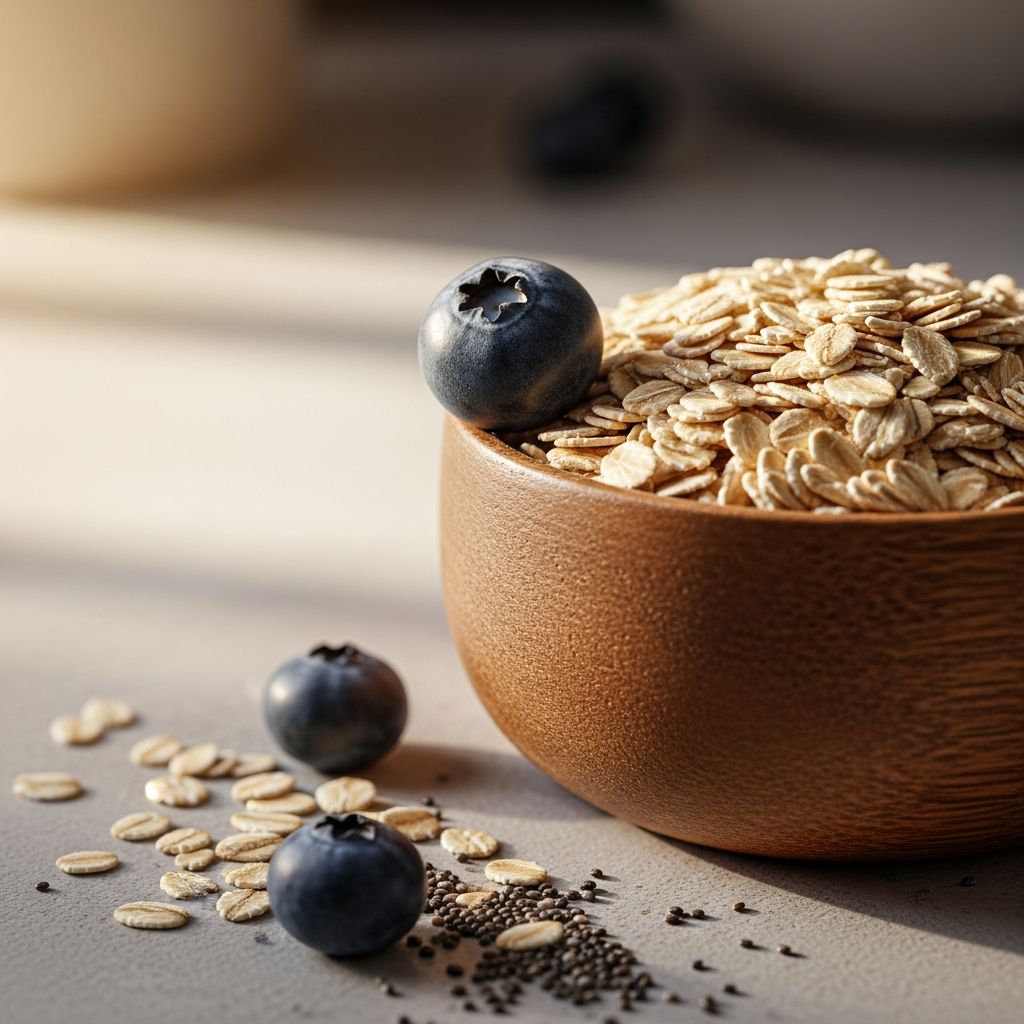
Raw oats, often enjoyed in no-cook recipes like overnight oats or smoothies, are a popular choice for busy mornings. But are they safe to eat uncooked? Yes, raw oats are safe and highly nutritious, providing soluble fiber like beta-glucan that supports heart health, digestion, and weight management. Processed through steaming and rolling, they require soaking for optimal digestibility.
What Are Raw Oats?
Raw oats refer to oat groats that undergo minimal processing: cleaning, steaming to deactivate enzymes, rolling into flakes, and drying. This makes them shelf-stable without full cooking. Unlike steel-cut or instant oats, rolled raw oats retain more texture and nutrients.
Oats (*Avena sativa*) are whole grains rich in bioactive compounds. Their physical form affects glycemic impact—rolled oats have a lower glycemic index than instant varieties, leading to steadier blood sugar.
Raw Oats Nutrition Facts
A 1-cup (81g) serving of raw oats delivers substantial nutrition:
- Calories: 307
- Carbohydrates: 55g
- Fiber: 8g (including 3-5g beta-glucan)
- Protein: 11g
- Fat: 5g
- Magnesium: 27% DV
- Selenium: 43% DV
- Phosphorus: Significant amounts
Beyond basics, oats contain avenanthramides (antioxidants unique to oats), phenolic acids, sterols, and phytic acid. Beta-glucan, a soluble fiber, forms a gel in the gut, slowing digestion.
| Nutrient | Amount per 81g | % Daily Value |
|---|---|---|
| Calories | 307 | – |
| Fiber | 8g | 29% |
| Protein | 11g | 22% |
| Beta-Glucan | ~4g | – |
Raw oats release more beta-glucan (26%) during digestion than cooked (9%), potentially enhancing cholesterol-lowering effects.
Health Benefits of Eating Raw Oats
Lower Cholesterol and Heart Health
Daily 3g beta-glucan from oats reduces LDL cholesterol by 5-10%. Oats’ sterols and avenanthramides combat oxidation and inflammation, preventing atherosclerosis.
Improve Blood Sugar Control
Beta-glucan’s viscosity slows glucose absorption, beneficial for diabetes management. Rolled oats cause lower blood sugar spikes than refined forms.
Support Gut Health
Insoluble fiber bulks stool, relieving constipation. Oats modulate gut microbiota, increasing beneficial bacteria and short-chain fatty acids like butyrate. Avenanthramides produce anti-obesity metabolites.
Promote Satiety and Weight Loss
Oats increase fullness via beta-glucan gel, reducing calorie intake. Studies show oatmeal eaters consume fewer calories at subsequent meals. Whole oats aid BMI reduction and fat loss.
- Overweight participants lost weight and improved liver function with oats.
- Oat diets in animals reduced obesity via microbiota changes.
Additional Benefits
Oats boost immunity, reduce inflammation, and may prevent cancer via antiproliferative compounds. Resistant starch in thicker flakes enhances bifidogenic effects.
Potential Downsides of Raw Oats
Raw oats contain phytic acid, an antinutrient binding minerals like iron and zinc, potentially reducing absorption. Soaking for 12+ hours mitigates this.
High fiber may cause bloating or gas initially; introduce gradually. Those with oat allergies or gluten sensitivity (due to cross-contamination) should avoid.
Should You Soak Raw Oats?
Yes, soaking reduces phytic acid, improves digestibility, and prevents digestive discomfort. Overnight soaking in milk or yogurt activates enzymes for better nutrient release.
Related Stories



How to Eat Raw Oats: 5 Delicious Recipes
- Classic Overnight Oats: Mix ½ cup oats, ½ cup milk/yogurt, 1 tsp chia seeds, fruit, and sweetener. Refrigerate 4+ hours.
- Peanut Butter Banana Oats: Add peanut butter and banana slices to base recipe for protein boost.
- Berry Chia Oats: Incorporate mixed berries and chia for antioxidants.
- Smoothie Bowl: Blend soaked oats with banana, spinach, and almond milk; top with nuts.
- Energy Balls: Combine oats, dates, nut butter, and chocolate chips; roll into balls.
These no-cook options save time while maximizing benefits.
Raw vs. Cooked Oats: Which Is Healthier?
| Aspect | Raw Oats | Cooked Oats |
|---|---|---|
| Beta-Glucan Release | 26% during digestion | 9% during digestion |
| Digestibility | Requires soaking | Easier immediately |
| Texture | Chewy | Soft |
| Preparation Time | No cooking, soak overnight | 5-10 min stovetop |
| Nutrient Retention | High if soaked | Slight loss from heat |
Raw wins for beta-glucan bioavailability and convenience; cooked for immediate use. Both support health.
Frequently Asked Questions
Are raw oats safe to eat?
Yes, commercial raw oats are steamed during processing, making them safe uncooked. Soak to enhance safety and nutrition.
Do raw oats cause weight gain?
No, their fiber promotes satiety and weight loss when portion-controlled.
Can raw oats help lower cholesterol?
Yes, 3g daily beta-glucan reduces LDL by 5-10%.
Is phytic acid in oats a concern?
Minimal in balanced diets; soaking eliminates most issues.
Raw oats for diabetics?
Excellent choice due to low glycemic impact.
Bottom Line
Incorporate raw oats into your diet for fiber-packed nutrition supporting heart, gut, and weight health. Soak first, experiment with recipes, and enjoy versatile benefits.
References
- Is Eating Raw Oats Healthy? Nutrition, Benefits, and Uses — Healthline. 2023-07-21. https://www.healthline.com/nutrition/raw-oats
- Oats — NutritionFacts.org. Accessed 2026. https://nutritionfacts.org/topics/oats/
- A Review of Health-Beneficial Properties of Oats — PMC (NCBI). 2021-11-10. https://pmc.ncbi.nlm.nih.gov/articles/PMC8625765/
Similar Articles








Read full bio of Sneha Tete