Can You Eat Salt If You Have High Blood Pressure?
Discover if salt is off-limits for high blood pressure, how much is safe, and practical tips to manage sodium intake effectively.
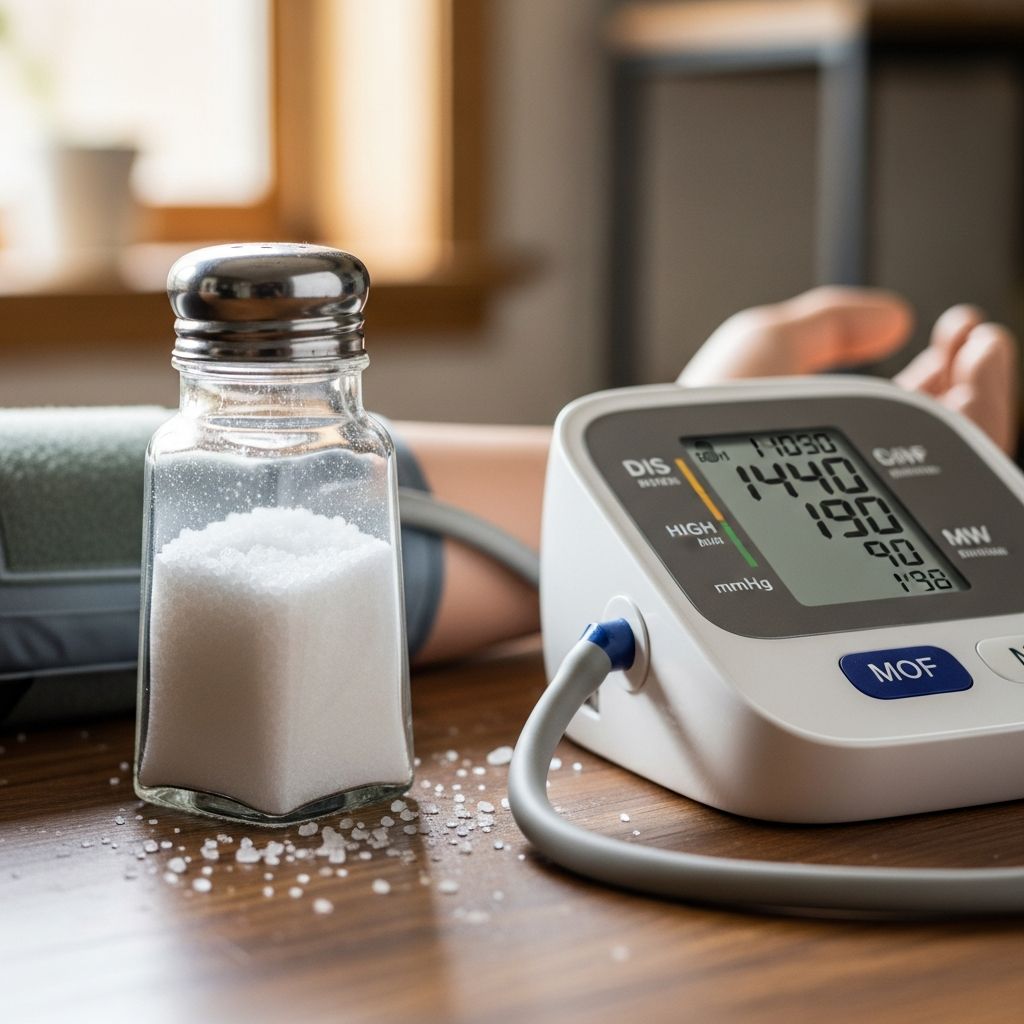
High blood pressure, or hypertension, affects millions worldwide, and dietary sodium plays a key role in its management. While completely eliminating salt isn’t necessary or realistic, limiting intake is crucial for many with elevated blood pressure. Health authorities recommend no more than 2,300 mg of sodium daily for most adults, with an ideal limit of 1,500 mg for those with hypertension.
This article explores the relationship between salt and blood pressure, current guidelines, hidden sodium sources, practical reduction tips, and answers to common questions.
How Does Salt Affect Blood Pressure?
Sodium, a primary component of salt, influences fluid balance in the body. When you consume excess sodium, it draws water into the bloodstream, increasing blood volume and forcing the heart to work harder, which raises blood pressure.
Studies show that about 90% of Americans exceed recommended sodium levels, consuming around 3,500 mg daily, heightening risks for cardiovascular disease, stroke, kidney issues, and cognitive decline. A high-salt diet is linked to blunted nighttime blood pressure dipping—a normal drop of 10-20% during sleep—which increases cardiovascular risks.
Not everyone is equally sensitive; “salt-sensitive” individuals experience sharper blood pressure rises with sodium intake. Research indicates high salt disrupts circadian blood pressure rhythms, leading to non-dipping or reverse-dipping patterns associated with higher disease risk. Reducing processed food salt could prevent thousands of heart disease and stroke cases, as seen in UK and France studies where modest cuts lowered intake by 17.5% and averted over 100,000 cases.
How Much Sodium Should You Eat If You Have High Blood Pressure?
The American Heart Association (AHA) advises limiting sodium to 2,300 mg per day—about one teaspoon of table salt—for general health, but those with hypertension should aim for 1,500 mg or less. This lower threshold aligns with the DASH (Dietary Approaches to Stop Hypertension) diet’s sodium-restricted version.
Individual needs vary based on age, health status, medications, and salt sensitivity. Consult a healthcare provider for personalized targets. For context:
| Group | Recommended Daily Sodium |
|---|---|
| General Adults | ≤2,300 mg |
| Hypertension Patients | ≤1,500 mg |
| Children (4-18 years) | 1,500-2,300 mg |
Achieving these limits requires focus on processed foods, which supply 75% of sodium in typical diets.
9 Sneaky Sources of Sodium
Table salt is minimal; most sodium hides in everyday foods. Awareness is key to reduction:
- Bread and rolls: A single slice can have 150-300 mg.
- Canned soups and vegetables: Often 700-1,000 mg per serving; rinse to cut 40%.
- Processed meats (bacon, deli meats): 500-1,000 mg per ounce.
- Pizza and fast food: One slice may exceed 1,000 mg.
- Condiments (soy sauce, ketchup): 1 tbsp soy sauce has 900 mg.
- Cheese and dairy: 200-400 mg per ounce.
- Cereal and snacks: Flavored varieties pack 200-500 mg per serving.
- Restaurant meals: Typically 2-3x higher than home-cooked.
- Baked goods: Even ‘healthy’ options contain added sodium.
Reading labels helps: Look for <140 mg per serving as “low sodium,” and calculate totals for multi-serving packages.
Related Stories



6 Ways to Reduce Your Sodium Intake
Practical steps make low-sodium eating sustainable:
- Read labels rigorously: Choose low- or no-sodium options and track daily totals.
- Cook at home: Use herbs, spices, garlic, lemon, and vinegar for flavor instead of salt.
- Rinse canned goods: Reduces sodium by up to 40%.
- Opt for fresh or frozen produce: Avoid sauce-packed varieties.
- Select lean proteins: Fresh poultry, fish, eggs over processed meats.
- Dine out smartly: Request no added salt, sauces on side, and smaller portions.
Incorporate the DASH diet: Emphasizes fruits, vegetables, whole grains, low-fat dairy, and potassium-rich foods to counter sodium effects. Potassium-based salt substitutes may help some, but check with a doctor.
What Happens If You Eat Too Much Salt With High Blood Pressure?
Excess sodium exacerbates hypertension, leading to sustained high readings, arterial stiffness, and fluid retention. Long-term, it heightens risks for heart attack, stroke, kidney damage, and heart failure.
Acute overconsumption causes bloating, thirst, and temporary spikes; chronic intake disrupts blood pressure regulation via mechanisms like reduced baroreflex sensitivity and altered neural control. Studies link high-salt diets to non-dipping BP patterns, doubling cardiovascular event risks.
Should You Use a Salt Substitute?
Salt substitutes replace sodium chloride with potassium chloride, potentially lowering blood pressure without sacrificing taste. They’re useful for many with hypertension, especially if potassium intake is low.
However, cautions apply: Avoid if you have kidney disease, take potassium-sparing meds, or hyperkalemia risk. The FDA deems them safe for most, but consult a provider. Start gradually to adjust taste.
The Bottom Line
You can eat salt with high blood pressure, but moderation is essential—target 1,500-2,300 mg daily based on your needs. Focus on whole foods, label reading, and flavorful alternatives to reap benefits like lower BP, reduced cardiovascular risks, and better overall health. Small changes, like those in processed foods, yield big impacts. Pair with exercise, stress management, and medical advice for optimal control.
Frequently Asked Questions (FAQs)
Is sea salt better than table salt for high blood pressure?
No, both have similar sodium content. Mineral traces in sea salt don’t offset risks; limit total intake regardless.
How quickly does reducing salt lower blood pressure?
Many see drops within weeks; studies show 5-6 mmHg systolic reduction with consistent cuts.
Can you eat salty foods occasionally with hypertension?
Moderation yes, but track overall intake. Balance with low-sodium days.
Does everyone with high BP need low sodium?
Not all are salt-sensitive, but guidelines recommend limits for most.
What’s the best diet for hypertension?
DASH diet excels, combining low sodium with nutrient-rich foods.
References
- Reducing salt in processed foods could lower rates of high blood pressure — ABC News / Dr. Richard Zhang. 2024-10-07. https://abcnews.go.com/Health/reducing-salt-processed-foods-lower-rates-high-blood/story?id=129546517
- Effects of a high salt diet on blood pressure dipping and the cerebro-renal axis — PMC / National Library of Medicine. 2023-07-12. https://pmc.ncbi.nlm.nih.gov/articles/PMC10350516/
- DASH diet: Healthy eating to lower your blood pressure — Mayo Clinic. 2024-01-15. https://www.mayoclinic.org/healthy-lifestyle/nutrition-and-healthy-eating/in-depth/dash-diet/art-20048456
- Shaking the Salt Habit to Lower High Blood Pressure — American Heart Association. 2025-02-20. https://www.heart.org/en/health-topics/high-blood-pressure/changes-you-can-make-to-manage-high-blood-pressure/shaking-the-salt-habit-to-lower-high-blood-pressure
Similar Articles








Read full bio of Sneha Tete