Can You Eat Starchy Vegetables If You Have Diabetes?
Discover how starchy vegetables like potatoes and corn can fit into a diabetes-friendly diet with smart portion control and balanced meals.
Yes, individuals with diabetes can and should include starchy vegetables in their diet as part of a balanced eating pattern. These nutrient-rich foods provide essential fiber, vitamins, and minerals that support overall health, but they require mindful portion control and strategic pairing to manage blood sugar effectively.
Starchy vegetables such as potatoes, corn, peas, winter squash, and plantains differ from non-starchy ones like broccoli or spinach because they contain higher amounts of carbohydrates, which can impact blood glucose levels. However, their fiber content slows digestion, helping to prevent rapid spikes when consumed appropriately. The American Diabetes Association (ADA) endorses the Diabetes Plate Method, recommending that one-quarter of your plate be quality carbs like starchy vegetables alongside non-starchy veggies, lean proteins, and healthy fats.
What Are Starchy Vegetables?
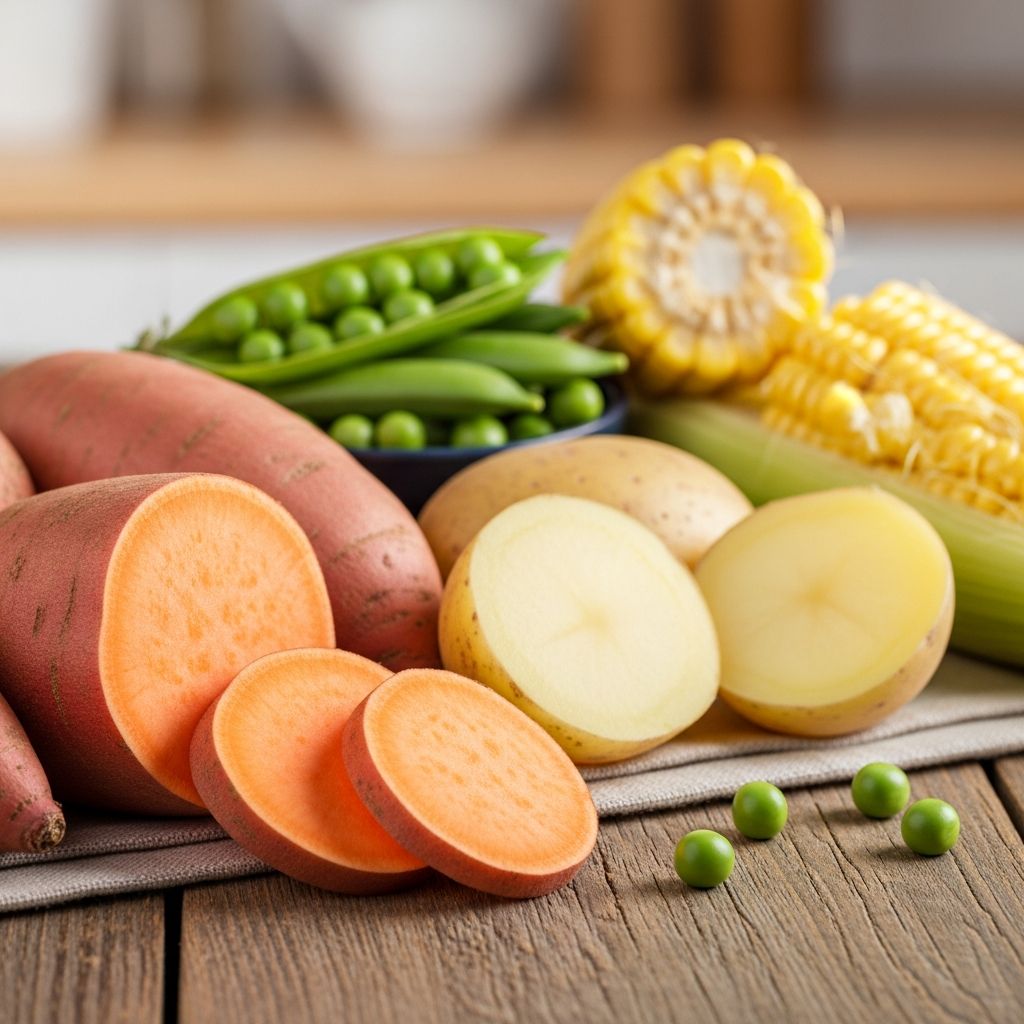
Starchy vegetables are those higher in carbohydrates and calories compared to non-starchy varieties. They are categorized separately in diabetes meal planning because a typical serving (about ½ cup cooked) counts as a carbohydrate source, similar to grains or fruits.
Common examples include:
- Potatoes (white, sweet, russet)
- Corn (kernels, on the cob)
- Peas (green peas, split peas)
- Winter squash (butternut, acorn, pumpkin)
- Plantains and yams
- Parsnips, cassava, and Jerusalem artichokes
These vegetables offer resistant starch, a type of fiber that acts like a prebiotic, feeding beneficial gut bacteria and aiding blood sugar regulation. Unlike refined carbs, their natural fiber matrix promotes steadier glucose release.
Starchy vs. Non-Starchy Vegetables: Key Differences
Understanding the distinction helps with plate balancing. Non-starchy vegetables form the bulk of meals (half your plate), while starchy ones are limited to smaller portions.
| Category | Examples | Carb Content (per ½ cup cooked) | Role in Diabetes Diet |
|---|---|---|---|
| Starchy | Potatoes, corn, peas, squash | 15g carbs | ¼ plate; count as carb |
| Non-Starchy | Broccoli, carrots, spinach, peppers | <5g carbs | ½ plate; low impact |
Starchy veggies are nutrient-dense but higher in carbs, so a ½-cup portion aligns with one carb choice (15g). Non-starchy options are virtually carb-free, allowing generous servings for volume and satiety.
The Glycemic Index of Starchy Vegetables
The glycemic index (GI) measures how quickly foods raise blood sugar. Starchy vegetables vary: boiled potatoes have a high GI (around 80), while sweet potatoes and cooled potatoes (due to resistant starch formation) are medium (50-60).
- High GI: Baked potatoes, instant mashed potatoes
- Medium GI: Sweet potatoes, yams, corn, peas
- Lower GI tips: Cool cooked starches before reheating to boost resistant starch.
Pairing with proteins and fats lowers the meal’s overall GI by slowing carb absorption.
Portion Control for Starchy Vegetables
A standard portion is ½ cup cooked or 1 small potato (about 15g carbs), equivalent to one carb serving. Visual cues help:
- ½ cup corn or peas = tennis ball size
- 1 small baked potato = computer mouse
- ½ cup squash = fist
Overeating even healthy starches can elevate blood sugar, so measure initially and adjust based on personal glucose response.
How to Include Starchy Vegetables in a Diabetes-Friendly Meal
Incorporate them using the Diabetes Plate: half non-starchy veggies, quarter protein, quarter starches.
Strategies:
- Pair wisely: Combine with lean proteins (chicken, fish, tofu) and healthy fats (avocado, nuts, olive oil) to stabilize glucose.
- Cooking methods: Bake, roast, or steam instead of frying; cool and reheat for more resistant starch.
- Flavor boosts: Use herbs, spices, vinegar, or lemon instead of salt to enhance taste without carbs.
Related Stories



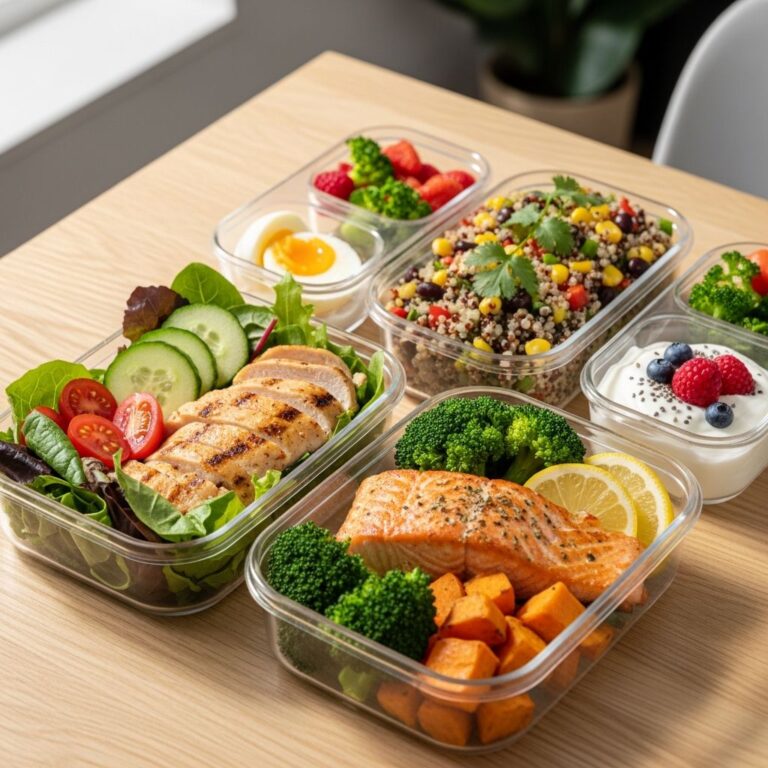
Example balanced meal: Grilled chicken with ½ cup roasted sweet potatoes, steamed broccoli, and a side salad with olive oil dressing.
Sample Meal Ideas with Starchy Vegetables
- Breakfast: Veggie omelet with ¼ cup diced potatoes and spinach.
- Lunch: Turkey wrap with whole-grain tortilla, ½ cup corn salsa, and greens.
- Dinner: Baked salmon, ½ cup butternut squash, and asparagus.
- Snack: Apple slices with peanut butter and a few peas (monitor total carbs).
These keep carbs at 30-45g per meal, promoting satiety and steady energy.
Benefits of Starchy Vegetables for Diabetes
Beyond carbs, they provide potassium, vitamin C, and antioxidants that support heart health—a key concern for diabetics. Fiber aids digestion, weight management, and cholesterol control. Culturally relevant choices like cassava or plantains ensure sustainable, enjoyable eating.
Common Myths About Starchy Vegetables and Diabetes
- Myth: All carbs are bad. Fact: Quality carbs with fiber are essential.
- Myth: Skip potatoes entirely. Fact: Moderation allows enjoyment.
- Myth: Only non-starchy veggies matter. Fact: Variety prevents nutrient gaps.
Frequently Asked Questions (FAQs)
Are potatoes off-limits for diabetes?
No, enjoy small portions like one small boiled potato paired with protein and veggies to minimize spikes.
What’s the best way to cook starchy veggies for blood sugar control?
Boil and cool them to increase resistant starch, or roast with healthy fats.
Can I eat sweet potatoes if I have diabetes?
Yes, their medium GI and high fiber make them excellent; stick to ½ cup.
How much starch per meal?
Typically 15-30g carbs from starches, as part of 45-60g total meal carbs.
Do beans count as starchy vegetables?
Beans are legumes—treat as protein with carbs; great for balancing.
Consult a Professional
Individual needs vary by medication, activity, and glucose patterns. Work with a registered dietitian for personalized plans.
References
- Eating Well: Can You Eat Starchy Vegetables If You Have Diabetes? — Maya Feller Nutrition (summarizing EatingWell article). 2023-10-17. https://mayafellernutrition.com/diet/eating-well-can-you-eat-starchy-vegetables-if-you-have-diabetes/
- How to Manage Your Diet While Living with Type 2 Diabetes — Archwell Health. Recent (post-2023). https://archwellhealth.com/blogs/how-to-manage-your-diet-living-with-type-2-diabetes/
- Tips for Eating Well – American Diabetes Association — American Diabetes Association (diabetes.org). Ongoing updates, accessed 2026. https://diabetes.org/food-nutrition/eating-healthy
Similar Articles








Read full bio of medha deb