Can You Eat White Rice If You Have Diabetes?
A registered dietitian explains if white rice fits into a diabetes meal plan and shares tips for enjoying it safely.
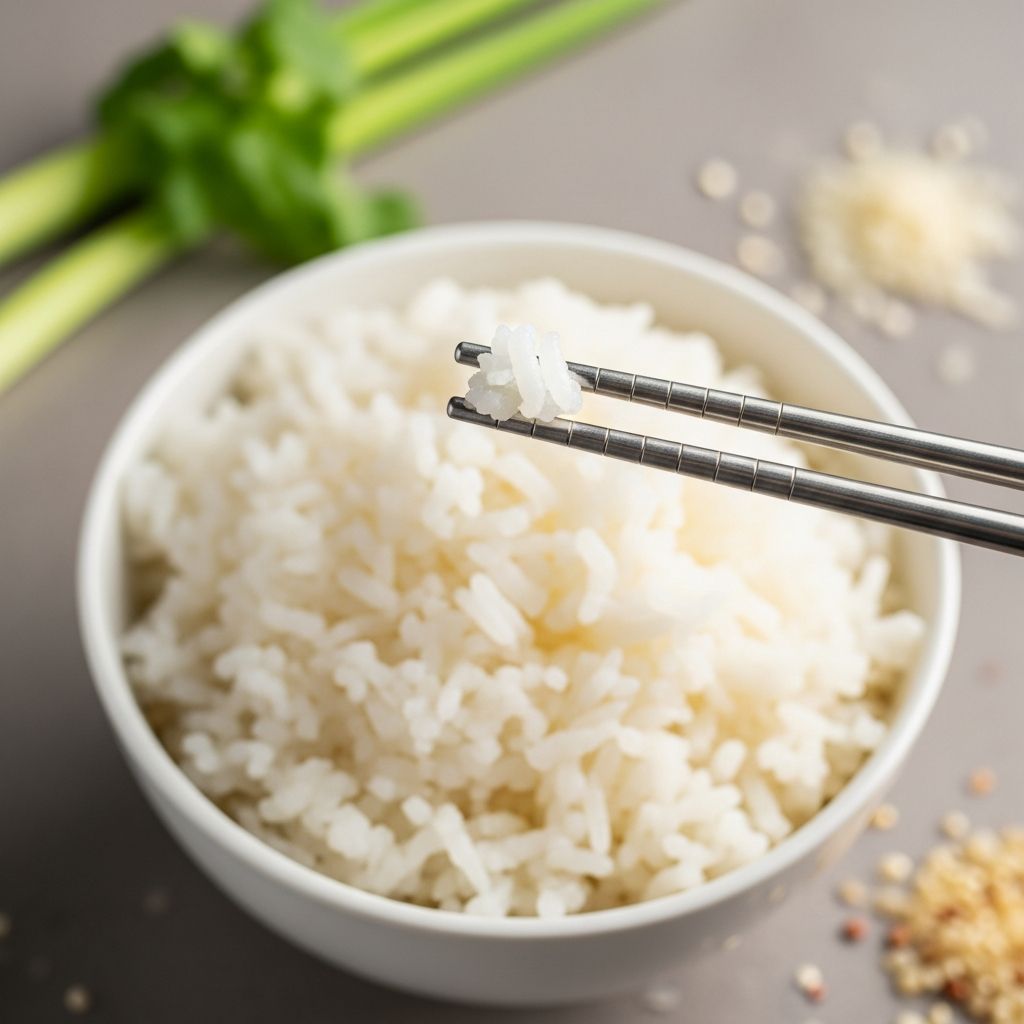
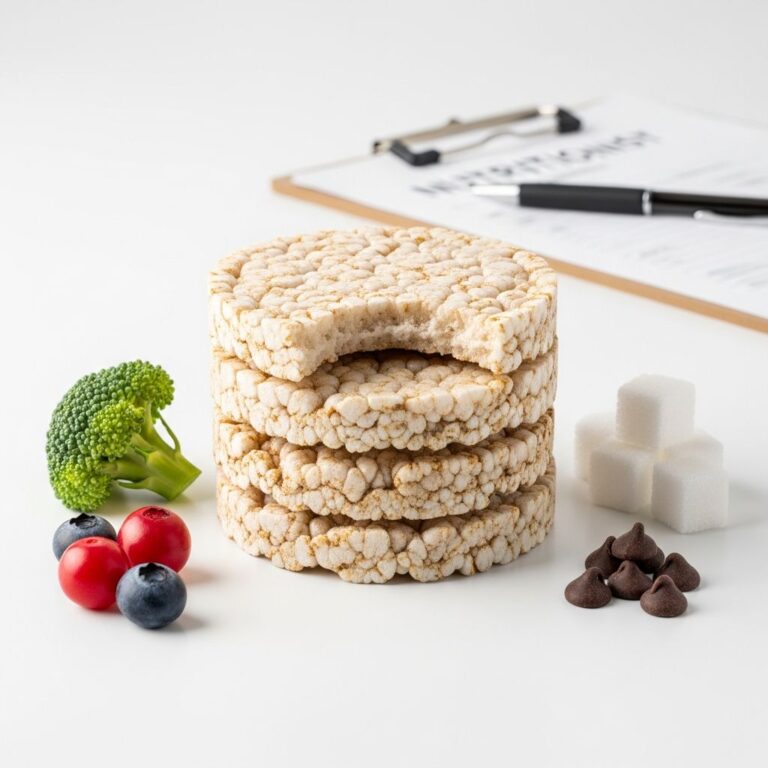
White rice is a dietary staple for millions worldwide, prized for its versatility, mild flavor, and comforting texture in dishes from stir-fries to sushi. But for the 38 million Americans living with diabetes, rice often raises red flags due to its potential to spike blood sugar levels. The question on every diabetes patient’s mind: Can you eat white rice if you have diabetes? The short answer from registered dietitians is yes—but with caveats. Moderation, smart pairings, and alternatives are key to enjoying rice without derailing blood glucose control.
This comprehensive guide draws on evidence from peer-reviewed studies and expert insights to explore white rice’s impact on diabetes, why it affects blood sugar the way it does, healthier swaps, portion guidance, and real-world tips. Whether you’re managing type 1, type 2 diabetes, or prediabetes, understanding rice’s role in your plate can help you eat confidently.
Why Does White Rice Affect Blood Sugar?
White rice’s reputation as a blood sugar villain stems from its classification as a refined simple carbohydrate. During processing, the bran and germ layers—rich in fiber, magnesium, vitamins, and antioxidants—are stripped away, leaving mostly starch. This starch breaks down rapidly into glucose in the digestive tract, flooding the bloodstream and causing sharp post-meal spikes.
The glycemic index (GI) quantifies this effect: White rice typically scores 64–73 (high GI), meaning it raises blood sugar faster than many foods. For context, boiled white rice has a GI around 73, while rice porridge clocks in at 78. Glycemic load (GL), which factors in portion size, is also elevated—long-grain white rice has a GL of 43 (low per some classifications, but problematic in larger amounts).
- Rapid digestion: Without fiber’s braking effect, glucose enters the blood within 60–90 minutes post-meal.
- Nutrient loss: Processing removes magnesium and insoluble fiber, both linked to lower diabetes risk.
- Insulin response: High GI/GL may reduce insulin sensitivity over time, especially in susceptible groups like South Asians.
Studies confirm the risks: A global analysis in Diabetes Care found high white rice intake (3+ bowls/day, ~450g) linked to a 20% higher type 2 diabetes risk versus low intake, with 65% elevated risk in South Asia. Another meta-analysis of 350,000 people showed consistent associations, particularly in high-consumption Asian cohorts.
Is White Rice Linked to Type 2 Diabetes Risk?
High white rice consumption correlates strongly with type 2 diabetes development, especially in rice-heavy diets. A landmark study of 130,000+ people across 21 countries reported a dose-response: More rice meant higher risk, peaking at 20–65% depending on region.
| Rice Type | Serving (½ cup cooked) | Carbs (g) | Fiber (g) | GI Range |
|---|---|---|---|---|
| White rice, long-grain | ½ cup | 22 | 0.3 | 64–73 |
| White rice, medium-grain | ½ cup | 27 | 0.3 | 70–80 |
| Brown rice | ½ cup | 23 | 1.8 | 50–55 |
| Wild rice | ½ cup | 21 | 1.8 | 45 |
Data adapted from USDA and GI databases. Note: Daily intakes over 240g (men) or 280g (women) may exceed safe limits for diabetes prevention.
Mechanisms include chronic high postprandial glucose/insulin, β-cell strain, and low fiber/polyphenol intake. Replacing 50g/day white rice with brown rice cuts risk by 16%; with other whole grains, by 36%. Women may benefit more from whole grain mixes.
Can You Eat White Rice with Diabetes?
Absolutely, but not as a solo act or in large quantities. Dietitians emphasize context matters: Pairing white rice with fiber, protein, and fats slows digestion, blunting spikes. The ADA and CDC endorse the Plate Method—25% carbs like rice, 25% protein, 50% non-starchy veggies.
Related Stories



A simple rule: Limit to 1 cup cooked rice per meal (≈1 small fist, 45g carbs). Check labels, as jasmine rice can hit 45g carbs/cup with minimal fiber.
Healthier Rice Alternatives for Diabetes
Swap white for these lower-GI options to minimize spikes while retaining rice’s appeal:
- Brown rice: Retains bran for 1.8g fiber/½ cup, GI 50–55. U.S. studies show diabetes risk reduction when replacing white rice.
- Wild rice: Actually a grass, GI 45, packed with fiber and protein.
- Basmati (whole grain): Resistant starch, copper, magnesium slow digestion.
- Black/forbidden rice: Antioxidants and fiber boost.
- Parboiled white rice: GL 14 (low), better than standard white.
Beware: Cooking methods matter—overcooking raises GI. Brown rice may have higher arsenic in some regions, so vary sources.
How to Enjoy Rice Without Spiking Blood Sugar
Dietitian-approved strategies:
- Portion control: ⅓–½ cup cooked (15–25g carbs) per meal.
- Plate balance: Add veggies (broccoli, spinach), lean protein (chicken, tofu), healthy fats (avocado, nuts).
- Cooling trick: Cook, refrigerate, reheat—forms resistant starch, lowering GI.
- Mix grains: 50/50 white + brown for transition.
- Monitor response: Use CGM or finger sticks to personalize.
In trials, parboiled brown rice beat white for HbA1c in metabolic syndrome patients.
Sample Diabetes-Friendly Rice Meals
| Meal | Rice Portion | Pairings | Est. Carbs |
|---|---|---|---|
| Stir-Fry Bowl | ½ cup brown rice | Chicken, broccoli, soy sauce, sesame oil | 30g |
| Sushi Alternative | ⅓ cup basmati | Salmon, cucumber, avocado | 25g |
| Rice Salad | ½ cup wild rice | Quinoa mix, chickpeas, feta, greens | 35g |
Frequently Asked Questions (FAQs)
Is brown rice always better than white for diabetes?
Brown rice is superior due to higher fiber and nutrients, reducing diabetes risk by 16% per 50g swap. However, portion and pairings matter more than type alone.
How much rice can I eat per day with diabetes?
Aim for 1 cup/meal max (45g carbs), totaling 45–90g carbs/day from rice depending on needs. Consult a dietitian for personalization.
Does cooking method affect rice’s glycemic impact?
Yes—boiling keeps GI lower; frying or porridge raises it. Cooling/reheating creates resistant starch.
Is white rice safe for type 1 diabetes?
Yes, with insulin adjustments and monitoring, using the same strategies as type 2.
Are there rice varieties with low GI?
Whole grain basmati (50–58), wild rice (45), and parboiled (38–50) are excellent low-GI choices.
(Word count: 1678)
References
- Diabetes, Rice and You: Enjoy Rice Without Blood Sugar Spikes — Healthy Mission Dietitian. 2023. https://healthymissiondietitian.com/diabetes-rice-and-you-enjoy-rice-without-blood-sugar-spikes/
- A Global Perspective on White Rice Consumption and Risk of Type 2 Diabetes — Diabetes Care (American Diabetes Association). 2020-11-01. https://diabetesjournals.org/care/article/43/11/2625/35820/A-Global-Perspective-on-White-Rice-Consumption-and
- Rice and Diabetes: How Great is the Risk? — diaTribe.org. 2023. https://diatribe.org/diet-and-nutrition/rice-and-diabetes-how-great-risk
- Best Rice Varieties for People with Diabetes — Apollo Sugar Clinics. 2024. https://apollosugar.com/world-of-diabetes/diabetes-care-home/best-rice-varieties-for-people-with-diabetes
- High levels of white rice consumption seem linked to higher risks for type 2 diabetes — NEJM Group (YouTube). 2025-11-21. https://www.youtube.com/watch?v=WpPbo8oYlxU
- Brown Rice or White Rice: Glucose Control — Stanford Medicine Nourish Project. 2023. https://med.stanford.edu/nourish-project/education/chinese-health/chinese-health-education/brown-rice-or-white-rice–glucose-control.html
- Think Rice Doesn’t Fit with Diabetes? Think Again — USA Rice (PDF). 2022. https://www.usarice.com/docs/default-source/thinkrice/nutrition/handouts/think-rice-doesnt-fit-with-diabetes-think-again.pdf?sfvrsn=b4d5d28d_8
Similar Articles








Read full bio of Sneha Tete