Can You Get A Pap Smear On Your Period? What To Know
Learn if it's safe and accurate to schedule a Pap smear during menstruation, plus expert tips on timing and preparation.
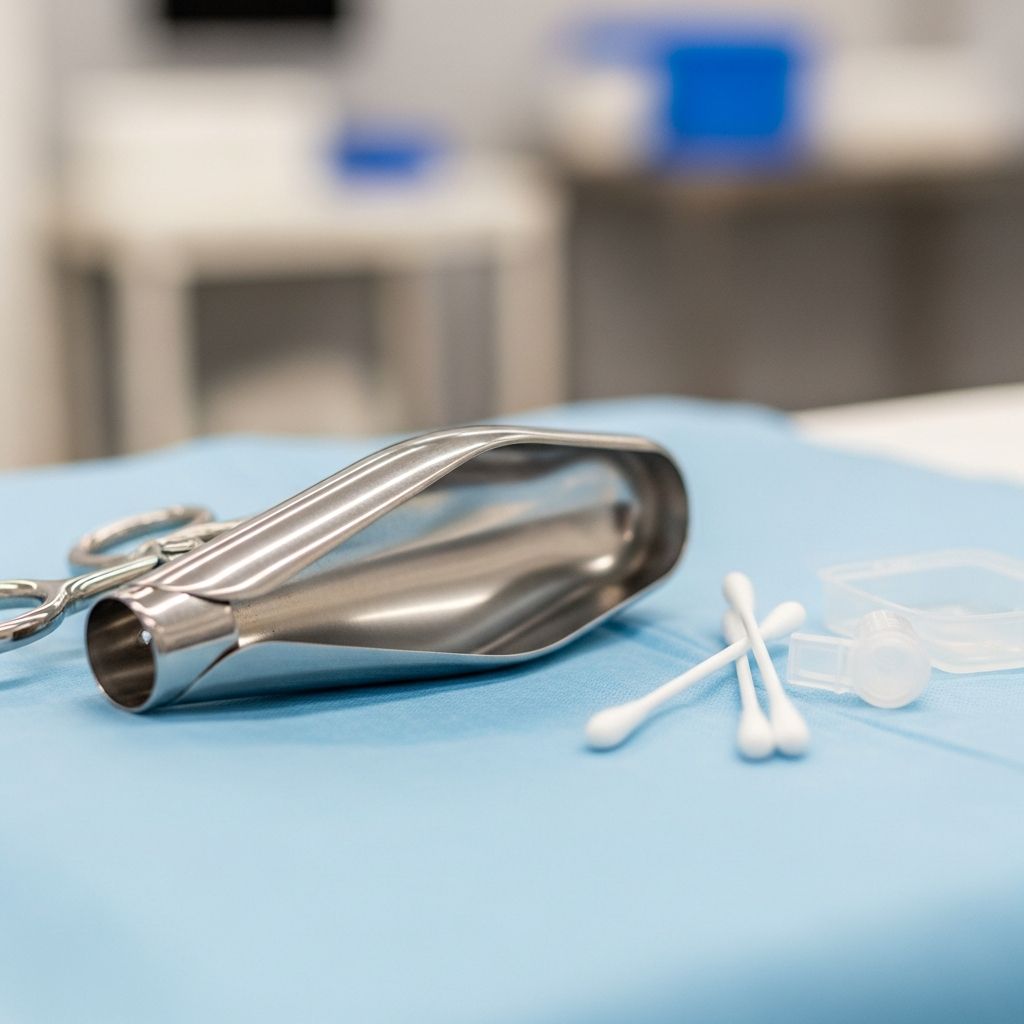
A Pap smear, also known as a Pap test, is a vital screening tool used to detect precancerous or cancerous cells in the cervix, helping prevent cervical cancer through early intervention. Recommended every three to five years depending on age and risk factors, this simple procedure involves collecting cells from the cervix for laboratory analysis. But what happens if your appointment falls during your menstrual period? Many women wonder if it’s safe or advisable to proceed.
Technically, yes, you can get a Pap smear while menstruating, but it’s generally not ideal due to potential impacts on test accuracy from menstrual blood. This article explores the procedure’s safety, how periods affect results, optimal timing, exceptions, preparation tips, and frequently asked questions to empower you with informed decisions for your reproductive health.
What Is a Pap Smear?
A
Pap smear
screens for abnormal cervical cells that could indicate human papillomavirus (HPV) infection, precancerous changes, or cervical cancer. During the test, your healthcare provider inserts a speculum to visualize the cervix, then uses a small brush or spatula to gently scrape cells and mucus from its surface. These are preserved in liquid and sent to a lab for microscopic examination.Pap tests are quick, typically lasting just a few minutes, and are often combined with an HPV test or pelvic exam. According to guidelines from authoritative bodies, screening begins at age 21, with frequency adjusted by age, prior results, and health history—every three years for ages 21-29, and every three to five years thereafter.
Regular Pap smears have dramatically reduced cervical cancer rates by detecting issues early when they’re most treatable. However, factors like menstrual blood can interfere, prompting questions about timing.
Can You Get a Pap Smear While on Your Period?
Yes, it is generally safe to undergo a Pap smear during your period—menstrual blood does not harm the procedure or you physically. Providers can still perform the test by swabbing the cervix despite light to moderate flow. However,
heavy menstrual bleeding
is problematic because blood can mix with the cell sample, obscuring vital details under the microscope.- Light spotting or very light flow: Often acceptable; many providers proceed without issue.
- Moderate to heavy flow: Best to reschedule for clearer results and avoid inconclusive outcomes.
- Urgent cases: If symptoms like abnormal bleeding or pain require immediate evaluation, the test may go ahead regardless.
The consensus from OB-GYN experts is to prioritize accuracy over strict avoidance, but always consult your provider.
How Does Your Period Affect Pap Smear Results?
Menstrual blood introduces red blood cells that can mask abnormal cervical cells, potentially leading to
false-negative results
—where issues go undetected. Labs may flag samples as unsatisfactory, requiring a repeat test, which delays diagnosis and increases anxiety.Studies and clinical guidelines note that blood obscures cellular morphology, making it harder to identify dysplasia or malignancy. Light spotting poses minimal risk, but heavy flow significantly compromises reliability. Other interferers include recent sex, douching, or vaginal products, which should be avoided 48 hours prior.
Related Stories



| Flow Level | Impact on Accuracy | Recommendation |
|---|---|---|
| Light Spotting | Minimal | Proceed |
| Moderate | Moderate risk of obscuring cells | Consult provider |
| Heavy | High risk of inconclusive results | Reschedule |
Even if results are normal despite blood, follow-up may still be advised.
Best Time to Schedule a Pap Smear
For optimal results, aim for the
mid-menstrual cycle
, roughly days 9-20 after your period starts (day 1 being the first day of flow). This avoids bleeding and ovulation mucus, ensuring a clean sample.- Avoid the week before and during your period.
- Ideal window: 5-10 days post-period.
- For irregular cycles, track via apps and discuss with your OB-GYN.
Don’t delay screening indefinitely—missing tests heightens cancer risk. If periods are unpredictable, schedule promptly and adjust if needed.
What If Your Pap Smear Appointment Is During Your Period?
If menstruation starts unexpectedly:
- Contact your provider immediately: Call to assess flow and decide on proceeding or rescheduling.
- Be transparent: Share cycle details for tailored advice.
- Reschedule promptly: Aim for within weeks to maintain screening cadence.
Many offices accommodate same-day adjustments. In rural or busy areas, it may be better to proceed with light flow than skip.
Exceptions: When a Pap Smear on Your Period Makes Sense
Certain scenarios justify testing during menstruation:
- Symptomatic concerns (e.g., postcoital bleeding, pelvic pain).
- High-risk patients needing urgent screening.
- Logistical barriers to rescheduling soon.
- Research innovations like menstrual pad HPV tests as Pap alternatives.
Always weigh benefits against accuracy risks with your doctor.
How to Prepare for a Pap Smear
Maximize accuracy with these steps:
- Schedule outside menstruation.
- Avoid sex, tampons, douching, or creams 48 hours prior.
- Empty bladder beforehand for comfort.
- Inform about medications, IUDs, or history.
The procedure feels like brief pressure; relaxation helps.
Risks of Delaying Your Pap Smear
Postponing due to periods can lead to gaps in screening, raising cervical cancer risk—preventable in 90%+ cases with regular tests. Prioritize health over perfection; a timely imperfect test beats none.
Frequently Asked Questions (FAQs)
Is it safe to have a Pap smear on a heavy period?
No major safety issues, but heavy flow risks inaccurate results. Reschedule if possible.
Can spotting affect my Pap test?
Usually not significantly; providers often proceed.
How soon after my period can I get a Pap smear?
Wait 5-7 days post-flow for best results.
What if I can’t reschedule right away?
Proceed if light flow or urgent; consult your OB-GYN.
Does being on birth control change anything?
No, but avoid vaginal rings/creams pre-test.
Key Takeaways
- Pap smears during light periods are often fine; heavy flow warrants rescheduling.
- Mid-cycle timing yields clearest samples.
- Never skip screening—call your provider for guidance.
Empower your health by staying proactive. Consult ACOG or your OB-GYN for personalized advice.
References
- Is It Safe to Have a Pap Smear During Your Period? — Ralph E. Joseph, DO, FACOG. Accessed 2026. https://ptxobgyn.com/is-it-safe-to-have-a-pap-smear-during-your-period/
- Can You Have a Pap Smear while Menstruating? — Family Health Care Sandpoint. Accessed 2026. https://fhcsandpoint.com/can-you-have-a-pap-smear-while-menstruating/
- Can You Get a Pap Smear on Your Period? — Healthline. Accessed 2026. https://www.healthline.com/health/womens-health/can-you-get-a-pap-smear-on-your-period
- Can You Get a Pap Smear on Your Period? — Cary OBGYN. Accessed 2026. https://caryobgyn.com/when-to-schedule-your-exam-can-you-get-a-pap-smear-on-your-period/
- What to Expect at Your First Pap Smear — Baylor Scott & White Health. Accessed 2026. https://www.bswhealth.com/blog/what-to-expect-at-your-first-pap-smear
- Pap Smears, Be Gone? Using Menstrual Blood to Detect HPV — Stanford Medicine. 2022-09. https://med.stanford.edu/news/insights/2022/09/pap-smears-be-gone-using-menstrual-blood-to-detect-hpv.html
- Pap Smear: Test, Age, Duration, Results & Frequency — Cleveland Clinic. Accessed 2026. https://my.clevelandclinic.org/health/diagnostics/4267-pap-smear
Similar Articles








Read full bio of Sneha Tete