Can You Get Flu Twice In One Season? What To Know In 2025
Discover if it's possible to catch the flu more than once during a single flu season and learn expert insights on prevention and risks.
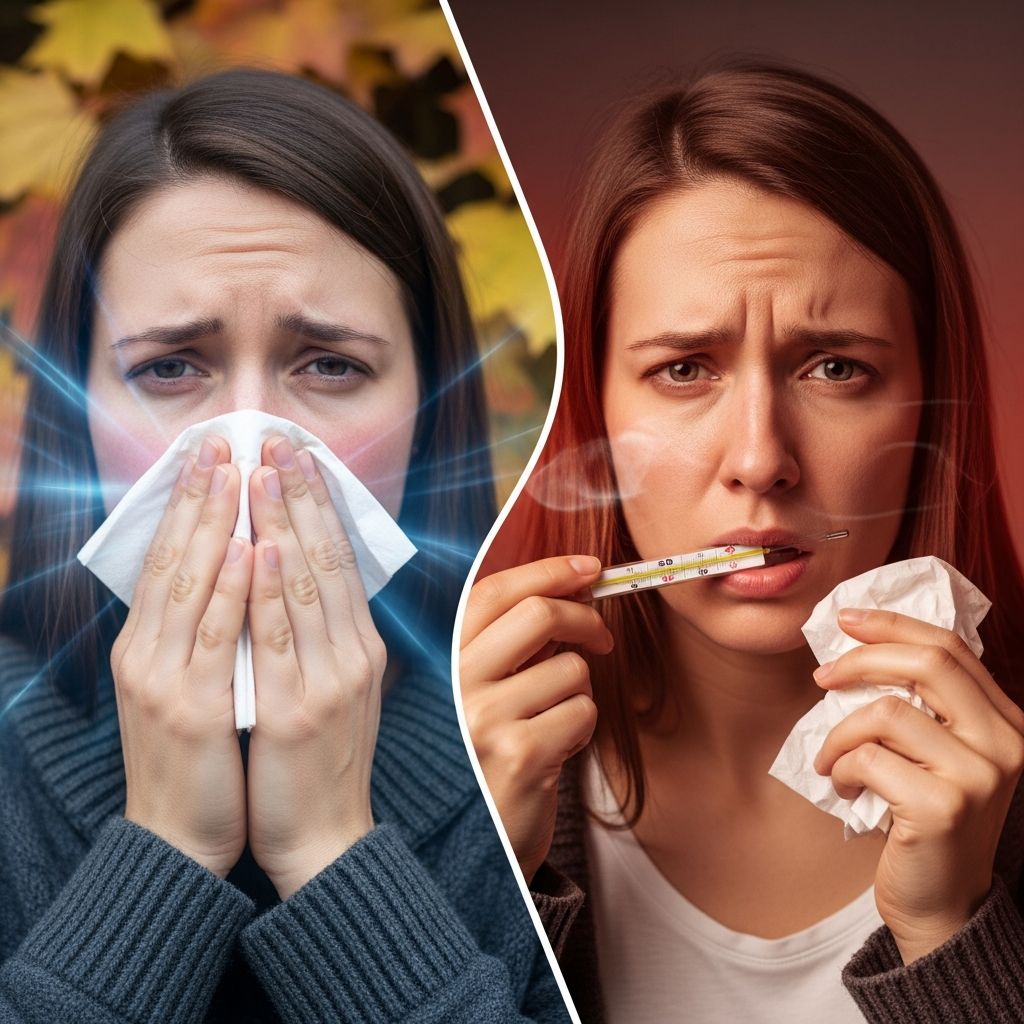
The flu, or influenza, is a highly contagious respiratory illness that peaks during winter months. While most people associate it with a single bout per season, health experts confirm it’s possible—and not uncommon—to contract the flu more than once in the same season. This happens primarily because multiple strains of the influenza virus circulate simultaneously, and immunity from one infection doesn’t protect against others.
Why It’s Possible to Get Flu Twice
Influenza viruses are categorized into types A, B, C, and D, but seasonal flu is mainly driven by type A (like H1N1 and H3N2) and type B (Victoria and Yamagata lineages). During a typical flu season, two to four strains dominate, each capable of independent infections. For instance, the current season features a rising H3N2 subclade K variant alongside H1N1 and type B strains.
Immunity develops specifically to the strain infecting you. If exposed to a different strain later, your body lacks cross-protection, allowing reinfection. The short incubation period (1-4 days) and high contagiousness facilitate rapid spread in communities. Recent CDC data shows over 7.5 million U.S. illnesses this season alone, with high levels in more than half the states, underscoring widespread exposure opportunities.
- Multiple Strains Circulate: H3N2 subclade K, H1N1, and influenza B coexist, evading prior immunity.
- Short-Lived Protection: Antibodies wane quickly, especially in high-risk groups like older adults.
- Mutation Rate: Viruses mutate rapidly, creating variants like subclade K that partially dodge vaccines and natural immunity.
How Common Is It?
While exact rates vary, reinfections occur regularly, particularly in prolonged seasons or crowded settings. A PMC review of vaccine effectiveness notes that even vaccinated individuals can experience breakthrough infections from mismatched strains, with H3N2 showing lower protection (14-43% in elderly during mismatches). Anecdotal reports and clinician observations align with this, especially amid the current surge driven by holiday travel and subclade K.
In severe seasons like this one, states like New York reported 71,000 cases in one week—the highest since 2004—indicating ample reinfection potential. Children and adults in shared households face higher odds due to repeated exposures.
High-Risk Groups for Multiple Infections
Certain populations are more vulnerable to repeated flu episodes due to weaker immunity or comorbidities. The CDC highlights these groups as prioritizing vaccination and antivirals.
| Group | Why at Risk | Complication Rate |
|---|---|---|
| Adults 65+ | Weakened immune response; H3N2 harshness | High hospitalization (up to 3x others) |
| Pregnant Women | Immune changes; fetal risks | Increased severe illness |
| Young Children (<5) | Immature immunity; higher VE from full vaccination | 8 child deaths reported this season |
| Chronic Conditions (asthma, diabetes, heart disease) | Compromised health exacerbates flu | 81,000 hospitalizations YTD |
Older adults see negligible protection against mismatched H3N2 (14% VE), making reinfection likely.
Symptoms of Flu Reinfection
Second infections mirror first ones: sudden fever, cough, sore throat, muscle aches, fatigue, headache, and chills. However, prior exposure might cause milder symptoms or faster onset. Distinguish from colds: flu hits harder and faster.
Related Stories



- Fever >100°F (lasts 3-4 days)
- Respiratory symptoms (dry cough, congestion)
- Systemic: Extreme fatigue, body aches
- GI issues more common in children
Complications like pneumonia arise more readily in reinfections among high-risk individuals.
Prevention: Still Time to Act
Even mid-season, prevention works. CDC urges vaccination for all ≥6 months, with 42% uptake so far—room to improve. Vaccines target three-four strains, offering partial protection against subclade K (per UK data) and better against H1N1/B.
Vaccine effectiveness (VE) is 40-60% when matched, higher in children (61% fully vaccinated). Additional strategies:
- Hygiene: Handwashing, mask in crowds, avoid sick contacts.
- Antivirals: Tamiflu etc., start within 48 hours for high-risk.
- Lifestyle: Healthy diet, sleep, avoid travel during peaks.
Treatment for Repeat Flu
Rest, fluids, OTC symptom relief. High-risk? Seek antivirals promptly to shorten duration and prevent complications. Hospitalization for pneumonia or dehydration.
Frequently Asked Questions (FAQs)
Can you get the flu twice in one season?
Yes, due to multiple strains like H3N2 subclade K, H1N1, and B circulating without cross-immunity.
Is the flu vaccine effective against reinfection?
Partially; 40-60% VE overall, lower for H3N2 mismatches but still reduces severity.
Who is most likely to get flu twice?
High-risk groups: elderly, children, pregnant, chronic illness patients due to immunity gaps.
How do you know if it’s flu or a cold?
Flu: Sudden, severe symptoms with fever; colds gradual, milder.
Is it too late for a flu shot now?
No, protection builds in 2 weeks and lasts season-long; get it anytime.
Current Flu Season Outlook
This season’s rapid rise, fueled by subclade K, suggests ongoing high activity. With 3,100 deaths and counting, vigilance is key. Vaccines, despite imperfections, lower hospitalization risk. Experts like Johns Hopkins’ Andrew Pekosz note H3N2’s harshness but emphasize prevention’s role.
In summary, while reinfection is possible, layered defenses—vaccination foremost—minimize risks. Consult healthcare providers for personalized advice, especially if high-risk.
References
- Flu is rising rapidly, driven by a new variant. Here’s what to know — Associated Press. 2025-12-24. https://medina-gazette.com/news/453103/flu-is-rising-rapidly-driven-by-a-new-variant-heres-what-to-know/
- Influenza Viruses and Vaccines: The Role of Vaccine Effectiveness — PMC / National Library of Medicine. 2022-05-11. https://pmc.ncbi.nlm.nih.gov/articles/PMC9143275/
Similar Articles








Read full bio of medha deb