Can You Get Pregnant On Your Period? What You Need To Know
Debunking the myth: Yes, pregnancy during menstruation is possible due to cycle variations, sperm longevity, and ovulation timing.
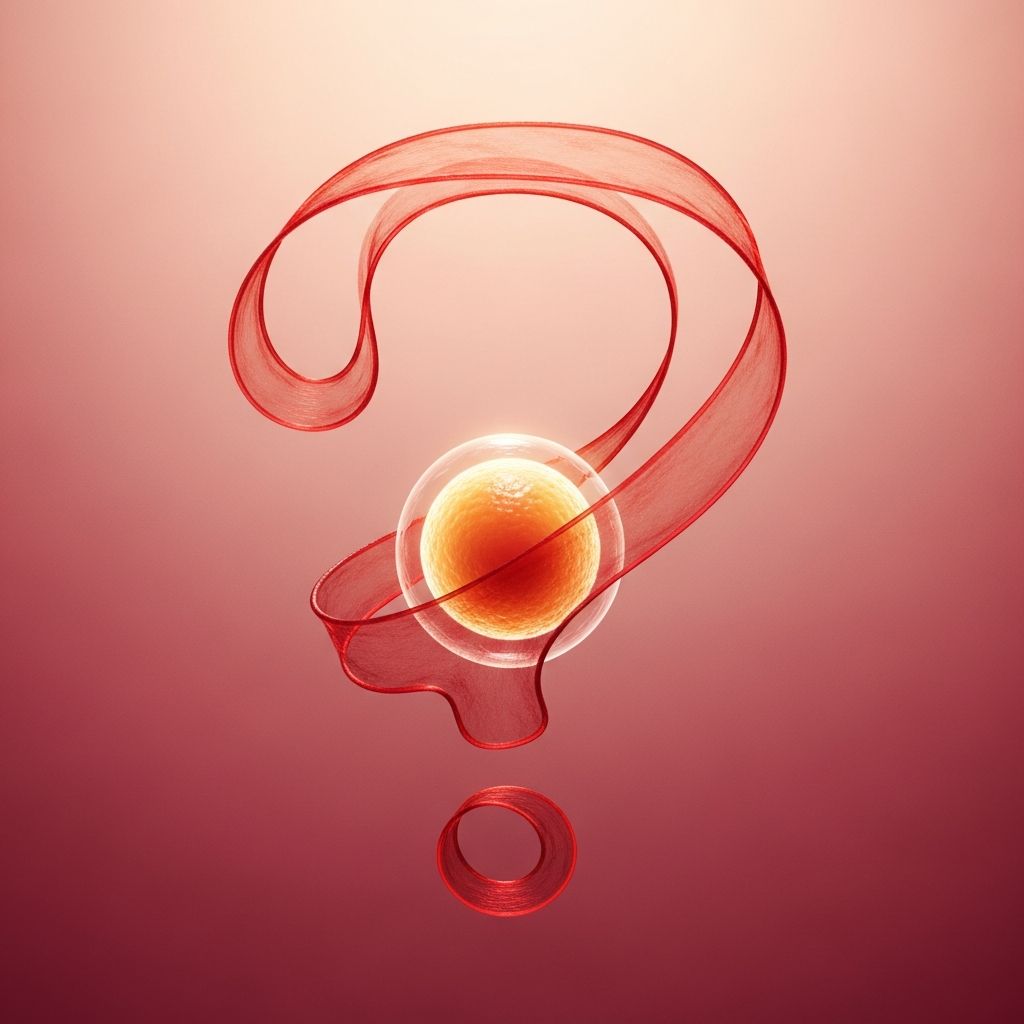
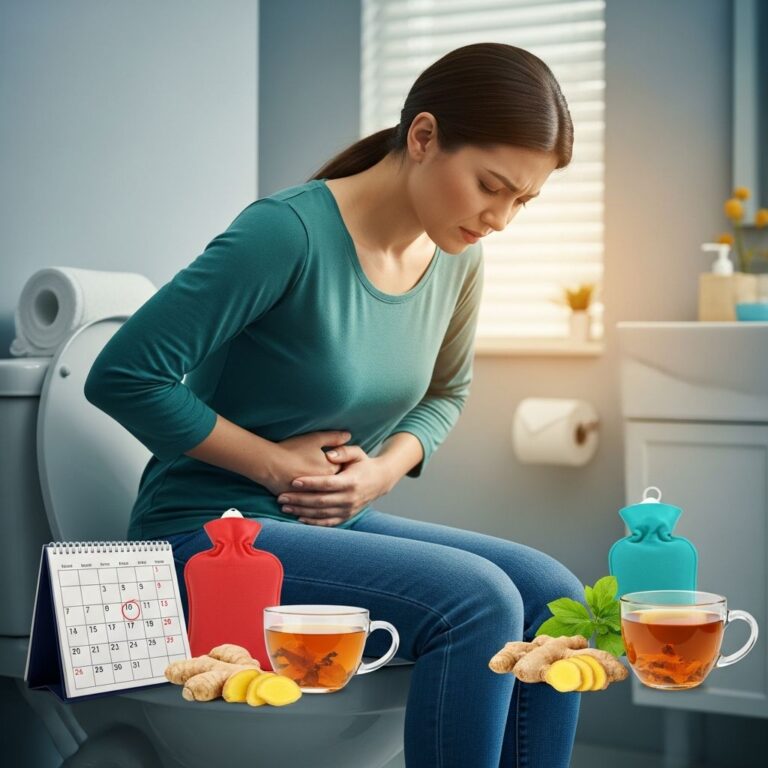
It’s a widespread belief that sex during menstruation is ‘safe’ from pregnancy, but this is a myth. While the odds are lower than during ovulation, unprotected sex on your period can lead to conception due to variable cycle lengths, sperm viability, and unexpected ovulation.
The menstrual cycle typically spans 28 days, with ovulation around day 14, but individual variations make pregnancy possible even during bleeding. Understanding these factors empowers better reproductive choices.
How Pregnancy Happens
Pregnancy occurs when sperm fertilizes an egg released during
ovulation
. This egg survives 12-24 hours, but sperm can live up to 5 days in the female reproductive tract, bridging the gap between period sex and ovulation.In a standard 28-day cycle:
- Days 1-5: Menstruation (uterine lining sheds).
- Days 6-14: Follicular phase builds toward ovulation.
- Day 14: Ovulation releases the egg.
- Days 15-28: Luteal phase; if no fertilization, cycle restarts.
However, cycles range from 21-35 days normally, shifting ovulation timing.
Why It’s Possible to Get Pregnant on Your Period
Several scenarios increase risk:
- Short cycles: A 22-day cycle means ovulation by day 8. Sex on day 5 (still bleeding) allows sperm to wait for the egg.
- Sperm longevity: Viable up to 5 days, sperm from period sex can fertilize an egg ovulated days later.
- Longer periods: Bleeding lasting 7+ days (due to stress, PCOS, endometriosis) overlaps with fertile windows.
- Early ovulation: Some ovulate before day 14, even in average cycles.
Visualizing Cycle Variations
| Scenario | Cycle Length | Sex Day | Ovulation Day | Pregnancy Risk |
|---|---|---|---|---|
| Average Cycle | 28 days | Day 3 | Day 14 | Low (sperm die before ovulation) |
| Short Cycle | 24 days | Day 4 | Day 10 | High (sperm survive 5+ days) |
| Long Period | 28 days | Day 7 | Day 12 | Medium-High (close overlap) |
This table illustrates how deviations from the ‘average’ create risks.
Spotting vs. Period: A Common Trap
Light bleeding mistaken for a period could be
ovulation spotting
or implantation. Ovulation bleeding is lighter and shorter; sex then coincides with peak fertility, with sperm ready from recent intercourse.Example: Bleeding starts day 1, sex occurs, bleeding stops day 2. Ovulation follows immediately—prime conception conditions.
Probability: Low But Not Zero
Periods rank as the lowest-risk time for pregnancy compared to ovulation (highest risk), but probability isn’t zero. Fertility experts do not recommend it for conception attempts or avoidance.
“During your period is most likely the lowest risk timeframe… but there are much more reliable ways to prevent pregnancy than timing sex.” — Dr. Amy Stephens, Cleveland Clinic.
Reliable Contraception Methods
Avoid relying on cycle timing. Use proven methods:
- Barrier methods: Condoms (85-98% effective with perfect use).
- Hormonal: Pills, patches, IUDs (99%+ effective).
- Emergency: Plan B within 72 hours post-sex.
- Tracking apps: Combine with mucus/temperature for fertility awareness, but not standalone contraception.
Natural family planning fails 24% of users annually due to irregularities.
Related Stories



Health Considerations for Period Sex
Beyond pregnancy:
- Benefits: Natural lubrication, cramp relief, shorter periods possible.
- Risks: Higher STI transmission (blood-thinned cervix), messiness, discomfort.
Use towels, shower sex; always condoms for dual protection.
Irregular Cycles and Underlying Conditions
Conditions like
PCOS
, endometriosis, or stress alter cycles, heightening risks. Track via apps or consult OBGYN for personalized advice.Fertility Awareness Methods (FAM)
For conception or avoidance:
- Cervical mucus changes.
- Basal body temperature.
- LH surge tests.
Effective with consistency, but requires daily tracking.
Frequently Asked Questions (FAQs)
Can you get pregnant on the first day of your period?
Unlikely in average cycles, but possible with very short cycles or early ovulation. Sperm viability plays a key role.
What if my period is only 2 days long?
Shorter bleeding increases overlap risk if ovulation follows soon after.
Does period sex affect fertility long-term?
No evidence; it’s safe if protected.
How accurate are period trackers for avoiding pregnancy?
Not very; 76% failure rate typical use. Combine with other methods.
Can you get pregnant right after your period ends?
Yes, highest risk if ovulating early.
Key Takeaways
- Pregnancy on period is possible, though improbable.
- Factors: Cycle length, sperm life, spotting.
- Always use contraception; don’t trust timing alone.
- Consult professionals for irregular cycles.
Empower yourself with knowledge—reproductive health starts with facts, not myths.
References
- Can You Get Pregnant on Your Period? — Cleveland Clinic. 2023-10-12. https://health.clevelandclinic.org/can-you-get-pregnant-on-your-period
- Could I Get Pregnant if I Have Sex During My Period? — KidsHealth (Nemours). 2024-05-15. https://kidshealth.org/en/teens/sex-during-period.html
- Sex During Periods: Benefits, Side Effects, Pregnancy Risk — Healthline. 2024-08-20. https://www.healthline.com/health/womens-health/sex-during-periods
- Can You Get Pregnant on Your Period? – Fertility Doctor Explains — Dr. Natalie Crawford (YouTube). 2023-11-05. https://www.youtube.com/watch?v=dWVZjVirAcY
- Serious Question: Can You Get Pregnant on Your Period? — Women’s Health Magazine. 2023-06-10. https://www.womenshealthmag.com/uk/health/female-health/a36365097/can-get-pregnant-on-period/
Similar Articles








Read full bio of Sneha Tete