Psoriatic Arthritis Without Psoriasis: Signs & Treatments
Explore whether psoriatic arthritis can occur without psoriasis symptoms, including causes, diagnosis, treatment, and management strategies.
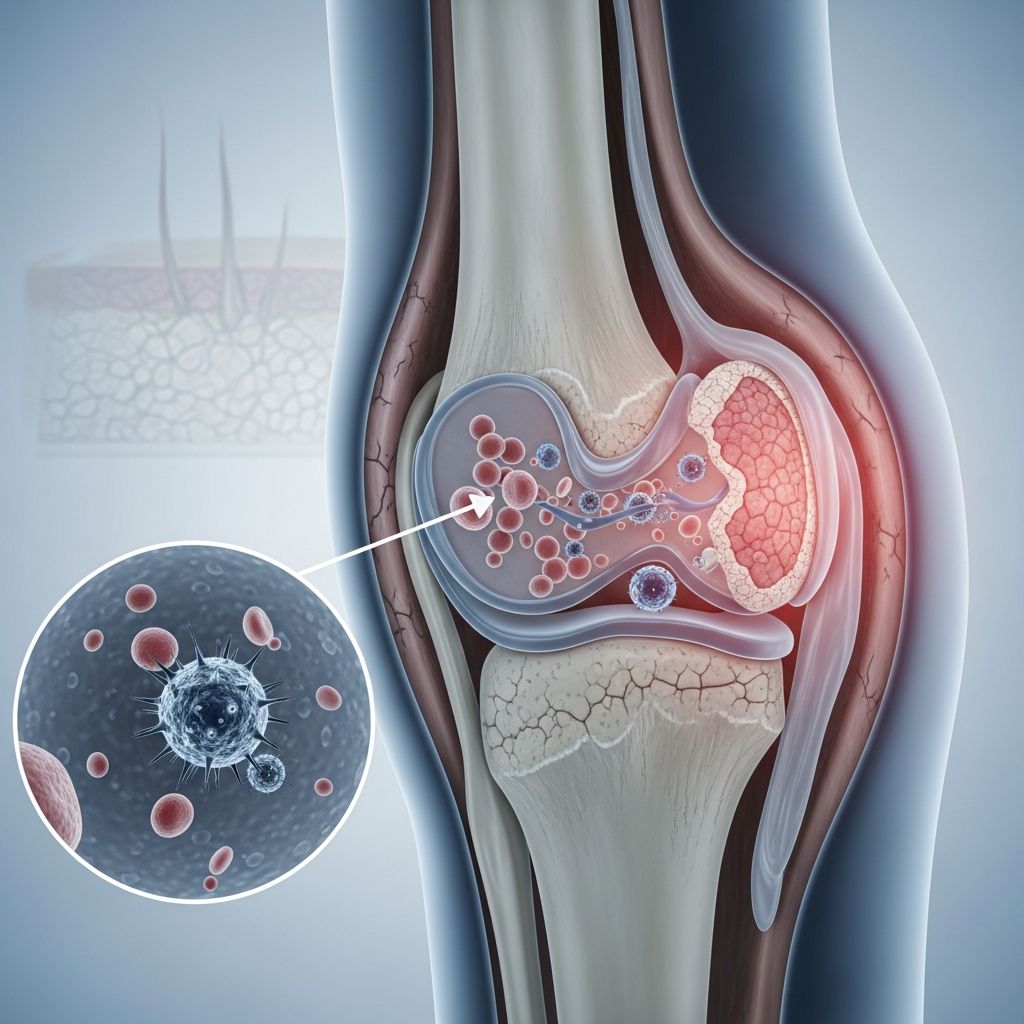
Psoriatic arthritis (PsA) is an inflammatory autoimmune condition primarily associated with psoriasis, a chronic skin disorder characterized by red, scaly patches. However, it is possible to develop PsA without any visible signs of psoriasis on the skin. While most individuals with PsA—about 85%—experience psoriasis symptoms before or alongside joint issues, a smaller subset, roughly 15%, may present with arthritis first or never develop skin lesions at all. This phenomenon challenges traditional diagnostic assumptions and highlights the complex interplay between genetic, environmental, and immune factors in autoimmune diseases.
Understanding PsA without psoriasis is crucial because early recognition can prevent irreversible joint damage, reduce pain, and improve quality of life. This article delves into the symptoms, risk factors, diagnostic processes, treatment options, and frequently asked questions, drawing from expert insights and clinical data to provide a comprehensive overview.
What Is Psoriatic Arthritis?
Psoriatic arthritis is a seronegative spondyloarthropathy, meaning it affects the joints and spine without the presence of rheumatoid factor in blood tests, distinguishing it from rheumatoid arthritis (RA). It targets peripheral joints (hands, feet), the spine, and entheses (where tendons meet bone). The condition arises when the immune system mistakenly attacks healthy tissues, causing inflammation, pain, and potential deformity if untreated.
In typical cases, psoriasis precedes PsA by 7-10 years, affecting 30% of psoriasis patients. Psoriasis involves rapid skin cell turnover, leading to plaques, but in PsA without skin symptoms, the focus shifts to musculoskeletal manifestations. Family history plays a significant role; up to 40% of PsA patients have relatives with psoriasis or PsA, suggesting a genetic predisposition even without personal skin involvement.
Symptoms of Psoriatic Arthritis Without Psoriasis
Without the hallmark skin plaques, PsA symptoms center on joints and related structures. Common presentations include:
- Joint pain and swelling: Asymmetric involvement of small joints in fingers and toes, leading to stiffness lasting over 30 minutes in the morning.
- Dactylitis: Known as ‘sausage digits,’ this is swelling of an entire finger or toe due to flexor tenosynovitis, occurring in 30-50% of cases.
- Enthesitis: Inflammation at tendon insertions, such as Achilles tendon (heel pain) or plantar fascia (foot pain), distinguishing PsA from other arthritides.
- Nail changes: Pitting, onycholysis (nail lifting), or crumbling, seen in 80-90% of PsA patients, even without skin psoriasis.
- Spinal involvement: Inflammatory back pain that improves with activity, unlike mechanical back pain.
- Extra-articular symptoms: Fatigue, eye inflammation (uveitis), and reduced range of motion.
These symptoms often fluctuate, with flares triggered by stress, infection, or injury. Peak onset is between ages 30-50, equally affecting men and women. Early symptoms may mimic other conditions like RA or gout, necessitating thorough evaluation.
Risk Factors for Developing PsA Without Psoriasis
Several factors increase susceptibility:
- Family history: Genetic links via HLA-B27 and other alleles; 40% of patients have affected family members.
- Obesity: Elevates inflammation and PsA risk in psoriasis patients, potentially applicable here.
- Age and gender: Most common in 30-50 age group; no strong gender bias.
- Environmental triggers: Infections, trauma, or smoking may precipitate onset in genetically prone individuals.
A 2017 study noted only 14.8% of PsA diagnoses precede psoriasis, underscoring its rarity but possibility.
Related Stories



Diagnosis of PsA Without Psoriasis
Diagnosing PsA sans skin signs relies on clinical criteria like CASPAR (Classification Criteria for Psoriatic Arthritis), as no single lab test exists. Key steps include:
- Medical history: Family history of psoriasis/PsA, symptom pattern (e.g., dactylitis, enthesitis).
- Physical exam: Joint tenderness, swelling, nail inspection, spinal mobility assessment.
- Imaging: X-rays show erosions and ‘pencil-in-cup’ deformities; MRI detects enthesitis or bone marrow edema.
- Blood tests: Negative rheumatoid factor (RF) and anti-CCP to exclude RA; elevated CRP/ESR indicate inflammation.
- Synovial fluid analysis: Rules out gout or infection.
Differential diagnosis excludes osteoarthritis, RA, ankylosing spondylitis. Nail changes or family history tip toward PsA.
Treatment Options for PsA
No cure exists, but treatments target inflammation, prevent damage, and achieve remission. Tailored by severity:
| Treatment Type | Examples | Use Case |
|---|---|---|
| NSAIDs | Ibuprofen, Naproxen | Mild pain/swelling relief |
| DMARDs | Methotrexate, Sulfasalazine, Leflunomide | Moderate disease; immune suppression |
| Biologics | TNF inhibitors (Etanercept), IL-17 inhibitors (Secukinumab), IL-23 inhibitors | Severe/refractory cases; target specific cytokines |
| JAK inhibitors | Tofacitinib, Upadacitinib | Oral option for non-responders |
| Topicals/Phototherapy | Steroids, UVB (if subclinical skin) | Skin/nail adjunct |
Early intervention is vital; untreated PsA causes erosions in 40-50% within two years. Lifestyle: exercise, weight loss, smoking cessation enhance outcomes.
Complications and Comorbidities
PsA heightens risks for:
- Cardiovascular disease (2x risk)
- Metabolic syndrome (obesity, diabetes, hypertension)
- Mental health issues (depression in 20-30%)
- Eye disease (uveitis in 25%).
Regular screenings are recommended.
Living with PsA Without Psoriasis
Management involves multidisciplinary care: rheumatologist, dermatologist, physical therapy. Patient education on flare triggers and adherence improves prognosis. Support groups via Arthritis Foundation aid coping.
Frequently Asked Questions (FAQs)
How common is PsA without psoriasis?
It’s uncommon; psoriasis precedes PsA in most cases, but 15% may lack skin symptoms or develop them later.
What are the five types of PsA?
- Distal interphalangeal predominant
- Asymmetric oligoarticular
- Symmetric polyarthritis
- Spondylitis
- Arthritis mutilans (deforming).
Can PsA develop after arthritis symptoms?
Yes, skin psoriasis may appear years after joint onset.
Is there a cure for PsA?
No, but treatments control symptoms and halt progression.
Does family history matter if no psoriasis?
Strongly; 40% have relatives with psoriasis/PsA.
References
- Expert Q&A: PsA Without Psoriasis — Arthritis Foundation. Accessed 2026. https://www.arthritis.org/diseases/more-about/expert-q-a-psa-without-psoriasis
- Psoriatic Arthritis Without Psoriasis: Is It Possible? — Healthline. 2025-07-03. https://www.healthline.com/health/psoriatic-arthritis/psoriatic-arthritis-without-psoriasis
- Psoriatic Arthritis Signs and Symptoms — Johns Hopkins Arthritis Center. Accessed 2026. https://www.hopkinsarthritis.org/arthritis-info/psoriatic-arthritis/clinical-manifestation/
Similar Articles








Read full bio of medha deb