Can You Have Too Many Electrolytes? Symptoms, Risks, Prevention
Discover if excess electrolytes from sports drinks and supplements can harm your health and when you really need them.
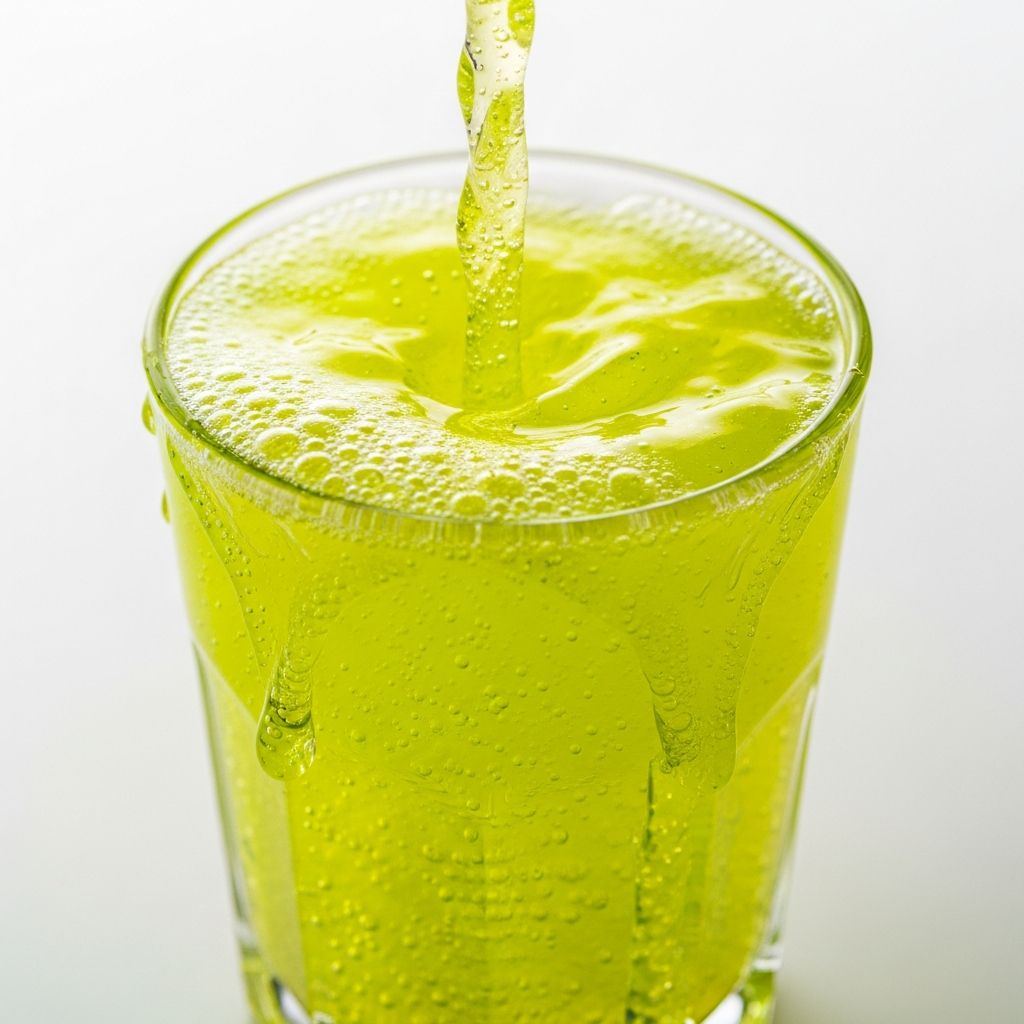
Yes, it is possible to have too many electrolytes, leading to imbalances that can cause serious health issues like irregular heart rhythms, nausea, fatigue, and even life-threatening conditions in severe cases. Electrolytes such as sodium, potassium, calcium, magnesium, chloride, phosphate, and bicarbonate are essential minerals that carry an electric charge when dissolved in water, playing critical roles in fluid balance, nerve signaling, muscle contraction, and heart function.
While electrolyte-enhanced drinks like sports beverages are marketed for replenishing losses during exercise or illness, overconsumption—especially without significant depletion—can overwhelm your kidneys’ ability to regulate levels, resulting in hypernatremia (too much sodium), hyperkalemia (too much potassium), or other excesses. This article breaks down what electrolytes do, the risks of overload, symptoms to watch for, who is most at risk, and practical guidelines for safe hydration.
What Are Electrolytes?
Electrolytes are minerals in your blood, urine, tissues, and other body fluids that help regulate vital processes. They include sodium, which maintains fluid balance and nerve function; potassium, crucial for heart rhythm and muscle contractions; calcium for bone health and signaling; magnesium for energy production and muscle relaxation; chloride for digestion and fluid balance; phosphate for bone strength and energy; and bicarbonate for pH regulation.
Your body obtains electrolytes primarily from food and drinks. A balanced diet rich in fruits, vegetables, dairy, nuts, and whole grains typically provides sufficient amounts. For instance, bananas and potatoes are high in potassium, while table salt supplies sodium and chloride. Kidneys, hormones like aldosterone, and sweat glands work together to maintain balance by excreting excess through urine or adjusting retention.
Imbalances occur when levels are too low (hypo-) or too high (hyper-). Low levels are common after prolonged sweating, vomiting, diarrhea, or diuretic use, which is why sports drinks were originally designed for athletes. However, high levels from over-supplementation pose underappreciated risks.
Can You Have Too Many Electrolytes?
Absolutely—excess electrolytes disrupt the delicate balance your body maintains. When intake exceeds what kidneys can filter (typically processing 1-2 liters of blood per minute), concentrations rise, pulling water from cells and causing cellular dysfunction. Acute overload from massive sodium intake leads to extracellular fluid expansion, edema, and hypertension. Chronic excess, especially sodium, contributes to sustained high blood pressure.
Sports drinks, powders, and tablets often contain high sodium (200-500mg per serving) and sugars, making casual daily use problematic. Americans already average 3,400mg sodium daily, far above the 2,300mg (ideally 1,500mg) recommended by health guidelines, amplifying risks. Overuse mimics low-electrolyte symptoms like fatigue and nausea, confusing users into consuming more.
Symptoms of Too Many Electrolytes
Excess electrolytes manifest differently by type but share overlapping signs due to fluid shifts and organ stress:
- Sodium (Hypernatremia): Thirst, confusion, irritability, seizures, coma; severe cases cause brain shrinkage from dehydration.
- Potassium (Hyperkalemia): Muscle weakness, fatigue, irregular heartbeat, palpitations, cardiac arrest—especially dangerous for heart health.
- Calcium (Hypercalcemia): Nausea, vomiting, constipation, abdominal pain, kidney stones, confusion.
- Magnesium (Hypermagnesemia): Hypotension, nausea, drowsiness, respiratory depression, coma.
- Phosphate (Hyperphosphatemia): Muscle cramps, itching, joint pain, calcification of soft tissues.
Related Stories



General symptoms include irregular heart rate (arrhythmia), breathing difficulties, swelling (edema), high blood pressure, and fatigue. These can mimic dehydration, leading to a vicious cycle of overconsumption.
Causes of Electrolyte Imbalances (High Levels)
Several factors contribute to excess:
- Overuse of Supplements/Drinks: Guzzling sports drinks daily or mixing powders without need floods the system.
- Medical Conditions: Kidney disease impairs excretion; heart failure or endocrine disorders like hyperaldosteronism alter retention.
- Medications: Diuretics, laxatives, blood pressure drugs, or chemotherapy can disrupt balance.
- Dietary Excess: High processed food intake (sodium-heavy) combined with supplements.
- Other: Burns, excessive IV fluids in hospitals, or endocrine issues like Addison’s disease.
Children, pregnant individuals, and those with kidney issues are vulnerable due to higher fluid loss ratios or impaired filtration.
Who Is at Risk?
While athletes in extreme conditions may benefit, most people risk overload from trendy electrolyte products:
- Athletes in prolonged (>75min), high-intensity exercise in heat/humidity.
- Outdoor workers in hot climates.
- Those with illness (vomiting/diarrhea).
- High-altitude exercisers.
- Individuals with kidney disease, on certain meds, or pregnant.
For sessions under 75 minutes, water suffices; supplements add unnecessary sugar/calories.
How Much Is Too Much?
| Electrolyte | Daily Adequate Intake (Adults) | Upper Limit/Toxicity Threshold |
|---|---|---|
| Sodium | 1,500-2,300mg | >6g acute; chronic excess risks HTN |
| Potassium | 2,600-3,400mg | >5.5mmol/L blood; cardiac risks |
| Calcium | 1,000-1,200mg | >2.5mmol/L; kidney stones |
| Magnesium | 310-420mg | >1.5mmol/L; hypotension |
Limits vary by age, sex, health. Blood tests measure serum levels (e.g., sodium 135-145mmol/L normal). One-two servings post-depletion is usually enough; switch to water.
Treatment for Too Many Electrolytes
Severity dictates approach:
- Mild: Stop supplements, hydrate with water, eat potassium-rich foods if sodium-high.
- Severe: Hospital IV fluids (saline/dextrose), diuretics, medications like insulin for hyperkalemia, dialysis for kidney failure.
Monitor via blood tests; recovery depends on cause.
Prevention Tips
- Limit sports drinks to true needs: intense exercise >75min, heat illness.
- Prioritize diet: fruits/veggies for natural electrolytes.
- Hydrate with water; thirst guides intake.
- Consult doctors if at-risk (kidney issues, meds).
- Choose low-sugar options; read labels.
When Do You Actually Need Electrolytes?
Reserve for heavy sweating, illness, or endurance events. Plain water works for most; electrolyte waters differ from carb-laden sports drinks.
Frequently Asked Questions (FAQs)
Can sports drinks cause electrolyte overload?
Yes, frequent use without depletion risks excess sodium and sugar, leading to heart issues and hypertension.
Are electrolyte supplements safe daily?
No, unless deficient; most get enough from food. Excess mimics deficiency symptoms.
What are signs of high potassium?
Weakness, arrhythmias; seek immediate care.
Do kids need electrolyte drinks?
Only for prolonged illness; they lose fluids faster.
Can too many electrolytes cause edema?
Yes, sodium pulls water into tissues.
References
- Can Your Drink Too Many Electrolytes? — Cleveland Clinic. 2023. https://health.clevelandclinic.org/too-many-electrolytes
- Electrolytes can give the body a charge, but try not to overdo it — American Heart Association. 2024-06-19. https://www.heart.org/en/news/2024/06/19/electrolytes-can-give-the-body-a-charge-but-try-not-to-overdo-it
- Water and Electrolytes – Recommended Dietary Allowances — NCBI Bookshelf (National Academies Press). 1989 (authoritative on toxicity). https://www.ncbi.nlm.nih.gov/books/NBK234935/
- Electrolytes 101: What to know — MD Anderson Cancer Center. 2019 (updated contextually relevant). https://www.mdanderson.org/cancerwise/electrolyte-101-what-to-know.h00-159699912.html
Similar Articles








Read full bio of medha deb