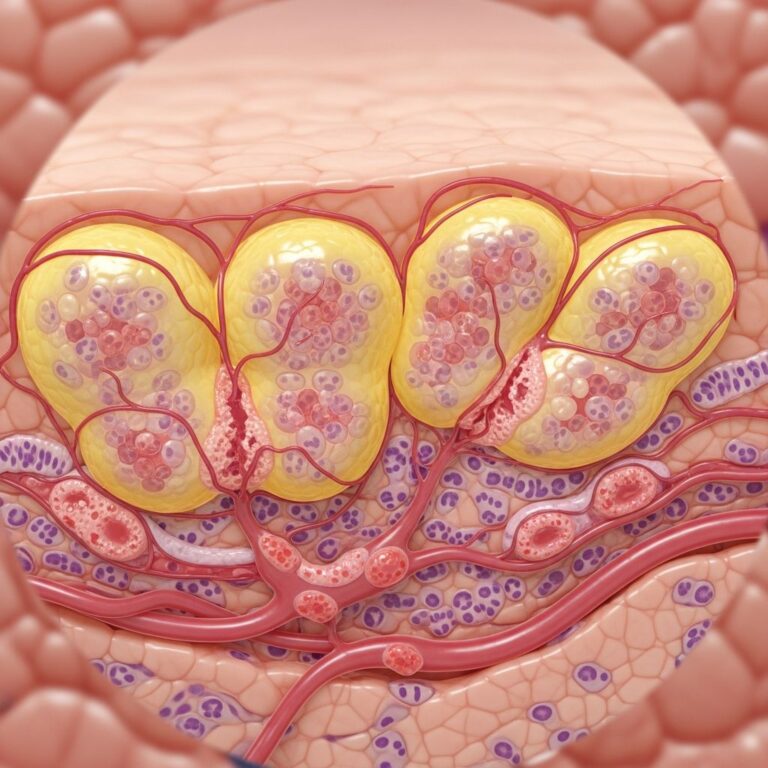
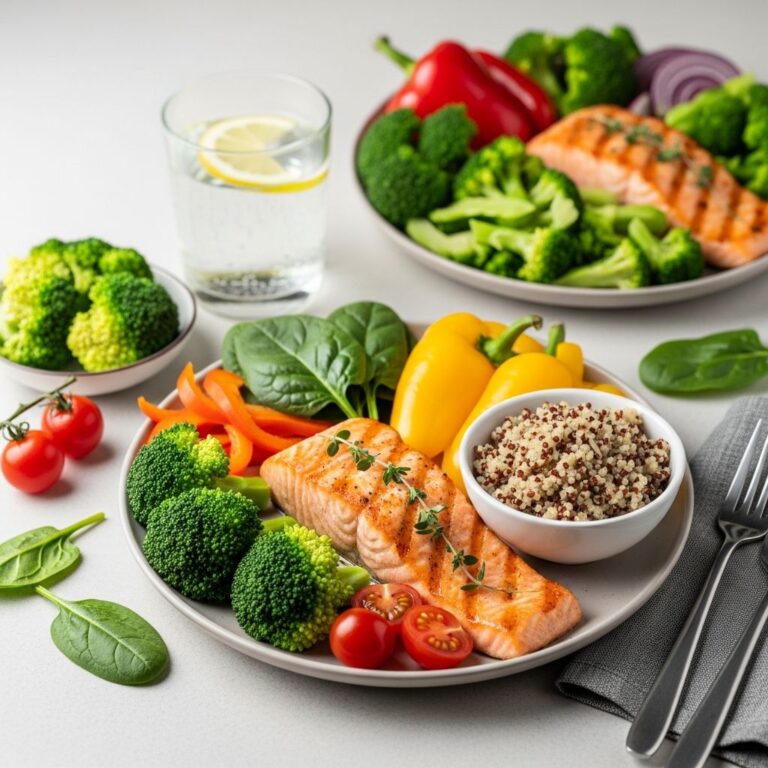
Increase Your Metabolism: 6 Proven Ways For Sustainable Boost
Discover science-backed strategies to boost your metabolism and achieve lasting health improvements.
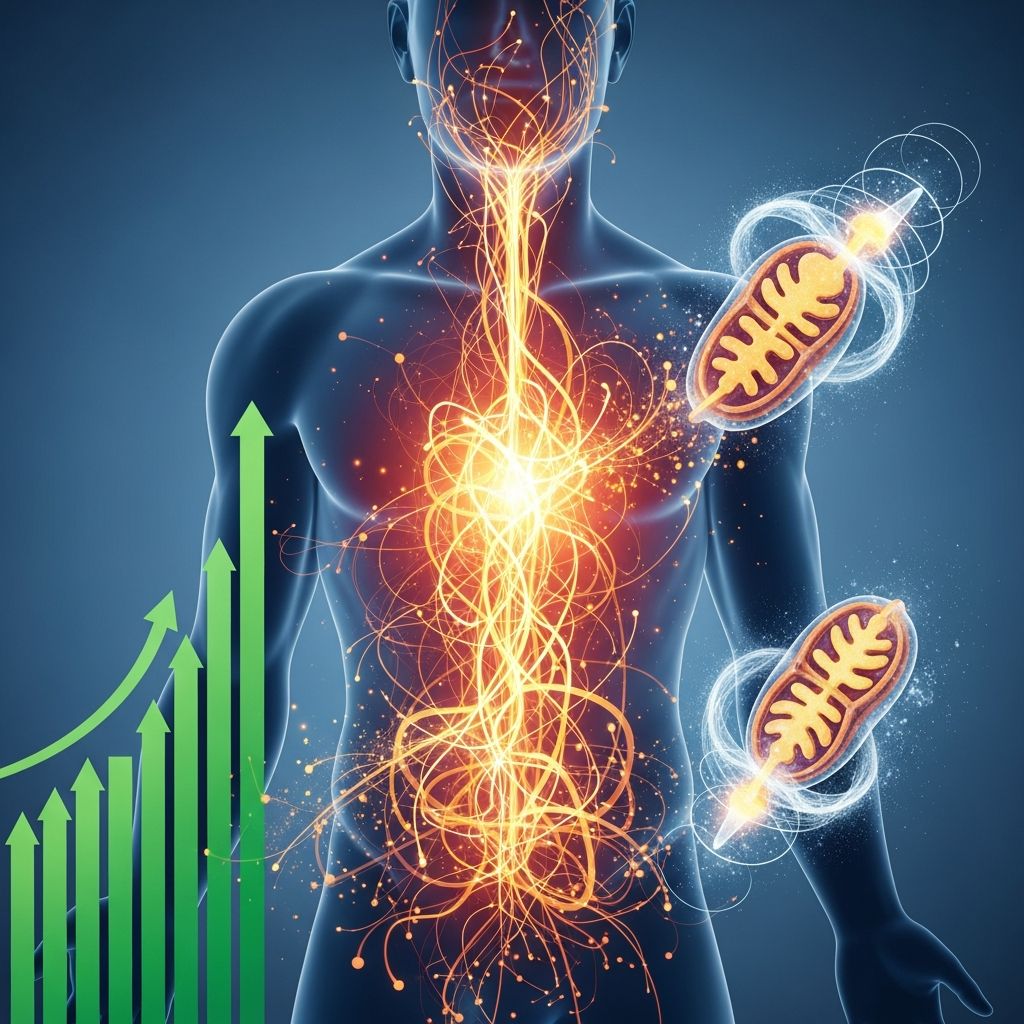
Can You Increase Your Metabolism?
Metabolism refers to the chemical processes your body uses to convert food and beverages into energy. Your metabolic rate determines how many calories you burn at rest and during physical activity. Many people wonder whether they can accelerate this process to facilitate weight loss or improve overall health. The answer is nuanced: while you cannot dramatically overhaul your metabolism, research shows you can make meaningful improvements through strategic lifestyle modifications.
Understanding Your Metabolic Rate
Your basal metabolic rate (BMR) represents the calories your body burns at rest to maintain basic physiological functions like breathing, circulation, and cell production. This accounts for approximately 60-70% of total daily energy expenditure in sedentary individuals. The remaining calories are burned through physical activity and the thermic effect of food—the energy required to digest meals. Understanding these components helps explain why certain interventions are more effective than others at boosting metabolism.
The Role of Physical Activity
Physical activity represents one of the most controllable aspects of your metabolic equation. According to the National Health Service, 150 minutes of aerobic physical activity per week is the most effective way to boost metabolism. During exercise, your body uses approximately 20% of total calories depending on the type and intensity of activity. This calorie expenditure during exercise is among the few metabolic components you can directly control through personal effort.
Resistance training deserves special attention in metabolism discussions. When you engage in strength training, your muscles increase in size and require more energy to maintain, even at rest. More muscle mass elevates your basal metabolic rate, causing your body to adapt and burn energy at a faster rate. This creates a lasting metabolic benefit beyond the immediate calories burned during the workout itself.
Aerobic vs. Resistance Exercise
Aerobic activities like running, cycling, and swimming provide immediate energy expenditure and cardiovascular benefits. Resistance training builds lean muscle mass that increases resting metabolic rate over time. The most effective approach combines both modalities: aerobic exercise for acute calorie burning and muscle-building activities for sustained metabolic enhancement.
Nutritional Strategies for Metabolic Enhancement
Your dietary choices profoundly influence metabolic function. Rather than restricting calories excessively, which can actually slow BMR as your body conserves energy, strategic food selection can support metabolic health.
Protein and Thermogenesis
Protein-rich foods generate a higher thermic effect than carbohydrates or fats, meaning your body burns more calories digesting protein. Foods like eggs, milk, grains, legumes, and pulses contain amino acids that increase calorie burning and support vital enzymatic functions. Including adequate protein at each meal not only preserves lean muscle during weight loss but also contributes to greater overall energy expenditure.
Micronutrient-Dense Foods
Certain micronutrients directly support thyroid function, which regulates metabolic rate. Foods containing iron, zinc, and selenium—including meats, seafood, and nuts—promote optimal thyroid performance. These foods offer additional benefits by providing nutrient density without excessive calories, supporting both metabolic health and sustained energy levels throughout the day.
Meal Frequency and Timing
After eating, your body begins breaking down food, generating heat and raising your BMR—a process called diet-induced thermogenesis. Consuming smaller meals every three to five hours provides consistent caloric intake and may support sustained metabolic activity without causing excessive fullness. This approach maintains steady energy levels and can prevent the metabolic adaptation that occurs with prolonged caloric restriction.
Related Stories



Factors That Influence Metabolic Rate
Multiple factors—both modifiable and non-modifiable—affect your metabolism. Understanding these helps establish realistic expectations for metabolic enhancement.
Modifiable Factors
Diet, physical activity, and drug use directly influence metabolic function. These are within your control and represent the primary levers for metabolic optimization. By making intentional choices about nutrition and exercise, you can meaningfully impact your metabolic rate over time.
Non-Modifiable Factors
Age, genetics, sex, and hormonal status affect baseline metabolic rate independent of personal choices. While you cannot change these factors, understanding them helps establish realistic metabolic expectations and personalized health goals. Younger individuals typically have higher metabolic rates, and men generally have higher metabolic rates than women due to greater average muscle mass.
The Relationship Between Diet Quality and Metabolic Health
Recent research from Harvard T.H. Chan School of Public Health reveals that metabolic health improvements occur independently of weight loss. Nearly one-third of individuals who adopted healthy diets did not lose weight but still experienced significant metabolic improvements, including higher HDL cholesterol (good cholesterol), lower leptin levels (reducing hunger signals), and decreased visceral fat (harmful deep belly fat).
These findings reframe clinical success beyond the scale. Adopting a Mediterranean diet, low-carbohydrate approach, or green-Mediterranean pattern can produce deep metabolic shifts with real cardiometabolic consequences, even when body weight remains stable. This suggests that diet quality independently improves metabolic markers through mechanisms beyond simple caloric restriction.
Food Choices Matter
Rather than consuming foods with minimal energy content—which paradoxically can slow metabolism as the body conserves energy—prioritize nutrient-dense options. Foods high in calories and nutrients, such as nuts, seeds, and lean meats, support both weight management and disease prevention. Conversely, junk food consumption disproportionately increases abdominal fat accumulation, undermining metabolic health.
Caloric Balance and Weight Management
When people consume more calories than they burn, weight gain results. For sustainable weight management, gradual approaches outperform rapid weight loss. Consuming 300 to 500 additional calories daily above your baseline caloric expenditure produces slow, manageable weight gain. Conversely, modest caloric deficits support steady fat loss while preserving muscle mass and metabolic function.
This principle underscores why crash diets often backfire: extreme restriction triggers metabolic adaptation where your body decreases energy expenditure, making further weight loss increasingly difficult. Moderate, sustainable adjustments to caloric intake and activity level support lasting metabolic health.
Comparison: Metabolic Improvement Approaches
| Strategy | Primary Effect | Timeline | Sustainability |
|---|---|---|---|
| Aerobic Exercise (150 min/week) | Acute calorie burning, cardiovascular benefit | Immediate | High |
| Resistance Training | Increased muscle mass, elevated resting metabolic rate | 4-8 weeks | Very high |
| High-Protein Diet | Increased thermic effect, muscle preservation | Ongoing | High |
| Nutrient-Dense Eating | Metabolic health markers, satiety | 6-12 weeks | Very high |
| Frequent Small Meals | Consistent energy levels, thermogenesis | Immediate | Moderate |
Practical Recommendations for Metabolic Enhancement
To optimize your metabolism, implement these evidence-based strategies:
Exercise Consistently: Aim for 150 minutes of aerobic activity weekly combined with resistance training at least twice weekly. This combination maximizes both immediate calorie expenditure and sustained metabolic elevation through increased muscle mass.
Prioritize Protein: Include protein-rich foods at each meal to enhance the thermic effect of eating and support muscle preservation. Target 1.2 to 1.6 grams of protein per kilogram of body weight daily, particularly if engaging in resistance training.
Choose Nutrient-Dense Foods: Select whole foods rich in vitamins and minerals over processed alternatives. Emphasize foods containing iron, zinc, selenium, and other micronutrients that support thyroid function and metabolic efficiency.
Eat Regular Meals: Consume balanced meals every three to five hours rather than skipping meals or eating infrequently. This maintains consistent metabolic activity and prevents the energy conservation that accompanies prolonged fasting.
Adopt a Sustainable Diet Pattern: Whether Mediterranean, low-carbohydrate, or plant-forward, choose an eating pattern you can maintain long-term. Research shows metabolic improvements occur through sustained adherence to healthy diets, independent of rapid weight loss.
Avoid Extreme Restriction: Moderate caloric deficits of 300-500 calories below your maintenance level support sustainable weight loss without triggering excessive metabolic adaptation.
Frequently Asked Questions
Q: Can you dramatically increase your metabolism?
A: While you cannot dramatically overhaul your metabolism, meaningful improvements of 10-15% are achievable through consistent exercise, increased muscle mass, and optimized nutrition. These improvements, combined with behavioral modifications, produce substantial long-term health benefits.
Q: How long does it take to see metabolic improvements?
A: Acute metabolic effects from exercise occur immediately. Sustained improvements in resting metabolic rate from muscle gain typically appear within 4-8 weeks of consistent resistance training. Metabolic health markers like cholesterol and leptin levels may improve within 6-12 weeks of dietary changes.
Q: Does metabolism slow with age?
A: Yes, metabolic rate naturally declines approximately 2-8% per decade after age 30, primarily due to loss of muscle mass. However, resistance training and adequate protein intake can substantially offset this age-related decline.
Q: Can you improve metabolism without losing weight?
A: Yes. Research from Harvard demonstrates that adopting a healthy diet improves metabolic health markers—including cholesterol profiles, leptin levels, and visceral fat reduction—independent of weight loss, particularly when maintaining dietary adherence for 18-24 months.
Q: Which is more important for metabolism: diet or exercise?
A: Both are essential but serve different functions. Exercise directly burns calories and builds metabolism-boosting muscle mass. Diet quality determines whether your metabolism operates efficiently and whether you maintain the muscle mass that supports elevated metabolic rate. Optimal results require addressing both.
Q: Are there foods that “boost” metabolism?
A: Certain foods support metabolic function more effectively than others. Protein-rich foods generate higher thermogenesis, and foods containing iron, zinc, and selenium support thyroid function. However, no single food dramatically increases metabolism. Rather, a consistent pattern of nutrient-dense eating supports optimal metabolic health.
Conclusion
You can meaningfully increase your metabolism through strategic combinations of physical activity, nutritious eating, and lifestyle optimization. While individual genetics and age influence baseline metabolic rate, the modifiable factors—exercise volume, muscle mass, diet quality, and meal frequency—remain within your control. Rather than pursuing dramatic metabolic transformation, focus on sustainable habits that compound over months and years: consistent exercise, adequate protein intake, nutrient-dense food selection, and moderate caloric balance. These approaches produce not only weight management benefits but also profound improvements in cardiometabolic health, reducing disease risk regardless of the scale. The evidence demonstrates that metabolic enhancement is achievable through persistence and science-backed strategies.
References
- Metabolism and Health – A Guy’s Guide: What Every Man Needs to Know — Pressbooks Publishing. 2021. https://pressbooks.pub/btugman2021/chapter/metabolism-and-health/
- Adopting a healthy diet may have cardiometabolic benefits regardless of weight loss — Harvard T.H. Chan School of Public Health. 2024-06-05. https://hsph.harvard.edu/news/adopting-a-healthy-diet-may-have-cardiometabolic-benefits-regardless-of-weight-loss/
- You Don’t Need To Lose Weight To Get Healthier, Says Harvard Study — SciTechDaily. 2024. https://scitechdaily.com/you-dont-need-to-lose-weight-to-get-healthier-says-harvard-study/
- New research developments and insights from Metabolism — National Center for Biotechnology Information (NCBI). 2015. https://pmc.ncbi.nlm.nih.gov/articles/PMC4459594/
Similar Articles








Read full bio of Sneha Tete