Can You Overdose on Probiotics? 5 Essential Safety Tips
Discover if probiotics can cause overdose, explore side effects, risks for vulnerable groups, and safe usage guidelines for gut health.
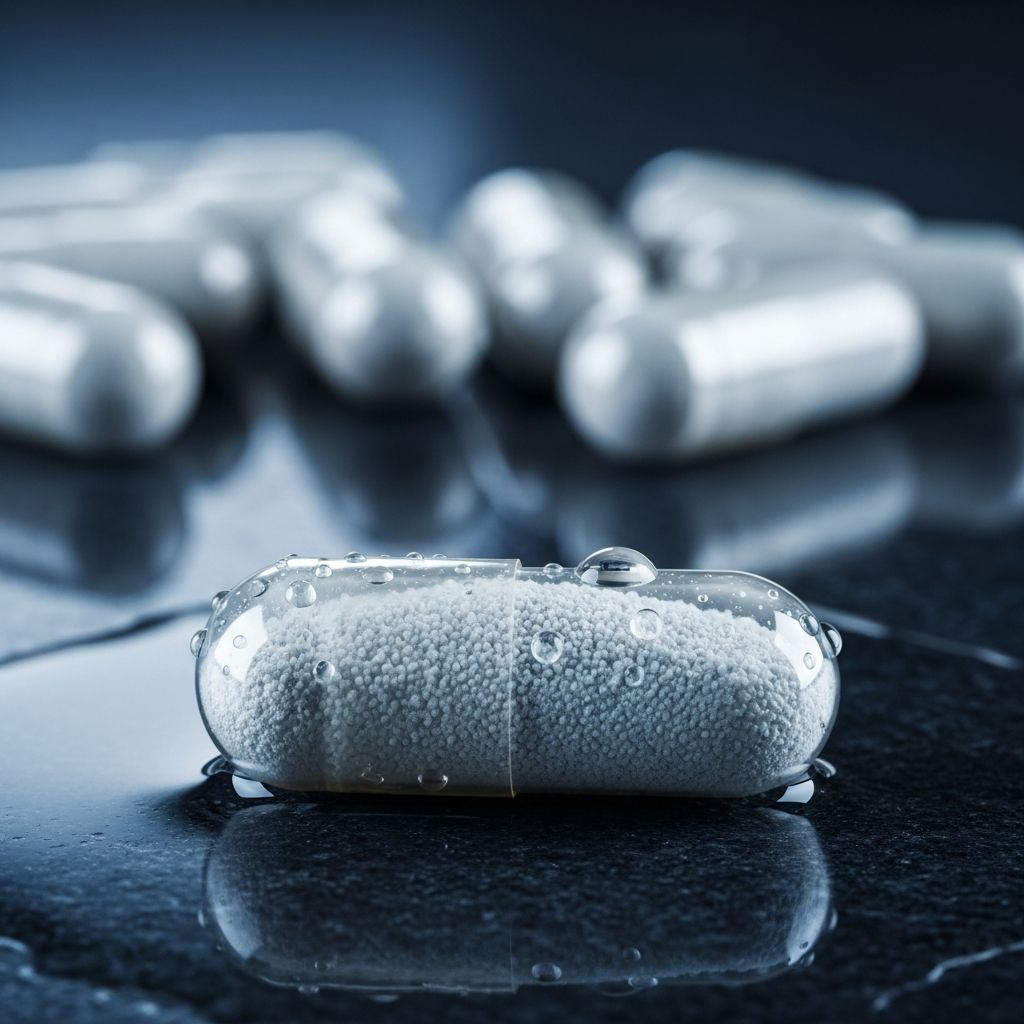
Probiotics, live microorganisms promoted for gut health benefits, are widely used in supplements and foods like yogurt. While generally safe, questions arise about overdose potential, especially with high doses or in vulnerable populations. Research indicates overdose is unlikely in healthy individuals, but side effects and rare severe risks exist.
What Are Probiotics?
Probiotics are live bacteria and yeasts beneficial for health, particularly the digestive system, when consumed in adequate amounts. They help maintain gut microbiome balance, aiding digestion, immunity, and more. Common strains include Lactobacillus and Bifidobacterium, found in fermented foods and supplements.
The gut microbiome comprises trillions of microbes influencing overall health. Probiotics aim to replenish beneficial bacteria disrupted by antibiotics, poor diet, or illness. Studies show they alleviate IBS symptoms, diarrhea, and support mental health via the gut-brain axis.
Can You Overdose on Probiotics?
No strong evidence supports probiotic overdose in healthy people. Clinical trials use doses up to 10^12 CFUs (colony-forming units) daily with minimal issues. Side effects like gas or bloating may occur but subside as the body adjusts.
However, “overdose” misinterprets reactions. These often signal mismatch between probiotic strain and individual gut flora, not excess quantity. Experts recommend the minimal effective dose tailored to personal needs rather than maximal intake.
- High doses rarely cause harm in healthy adults.
- Reactions indicate poor strain fit, not toxicity.
- Follow label doses unless advised by a doctor.
Side Effects of Probiotics
Common side effects are mild and transient, affecting the digestive tract as probiotics colonize the gut.
| Side Effect | Description | Duration |
|---|---|---|
| Bloating/Gas | Increased fermentation produces gas. | 1-2 weeks |
| Abdominal Discomfort | Mild cramping or nausea. | Few days |
| Diarrhea/Constipation | Temporary imbalance shift. | Short-term |
| Die-Off Reaction | Herxheimer-like from pathogen die-off. | Up to 1 week |
These resolve as adaptation occurs. Persistent symptoms (>1 week) suggest switching strains. Never mistake adjustment for overdose.
Rare but Serious Risks: Probiotic Infections
Though rare, probiotics can cause bacteremia or sepsis in high-risk groups. A 2024 case involved a 70s Japanese man with COVID-19, alcohol dependence, and immunosuppression who died from Clostridium butyricum bloodstream infection after probiotic use. Genetic analysis matched the bacteria to his supplement.
Similar reports link probiotics to infections in ICU patients or those with GI abnormalities. Risks elevate with:
- Weakened immunity (e.g., steroids, chemotherapy).
- Critical illness or hospitalization.
- GI tract damage (e.g., leaky gut, surgery).
Probiotic-related bacteremia is documented but exceptional. Hospitals administer probiotics routinely, yet severe events are outliers.
Who Should Avoid Probiotics or Use Caution?
Certain groups face heightened risks:
- Immunocompromised: HIV, cancer patients, transplant recipients—probiotics may translocate to blood.
- Severely Ill: ICU, post-surgery, or pancreatitis patients.
- Premature Infants: Risk of necrotizing enterocolitis.
- Short Bowel Syndrome: Bacterial overgrowth potential.
Consult physicians before use. Healthy adults tolerate probiotics well.
Safe Ways to Take Probiotics
Related Stories



Maximize benefits, minimize risks with these practices:
- Choose Quality: Reputable brands tested for purity, viability. Look for third-party testing (USP, NSF).
- Start Low: Begin with 1-5 billion CFUs, increase gradually.
- One at a Time: Test strains individually to identify tolerances.
- Timing: Take with food for survival through stomach acid.
- Storage: Refrigerate if required to maintain live cultures.
Probiotic Triple Therapy—combining soil-based, spore-forming, and lactic acid bacteria—yields optimal results for many.
Probiotics vs. Prebiotics: Understanding the Difference
Probiotics are live microbes; prebiotics are fibers feeding them. Synbiotics combine both. Prebiotics (in onions, garlic) are safer with fewer side effects.
| Aspect | Probiotics | Prebiotics |
|---|---|---|
| Source | Supplements, yogurt | Foods like bananas |
| Function | Add beneficial bacteria | Feed existing bacteria |
| Risks | Rare infections | Bloating if excessive |
Benefits of Probiotics for Gut Health
Beyond safety, probiotics treat:
- Antibiotic-Associated Diarrhea: Reduces incidence by 50%.
- IBS: Eases bloating, pain.
- IBD: Modulates inflammation in Crohn’s, colitis.
- Mood Disorders: Gut-brain link aids anxiety, depression.
- SIBO/Pathogens: Balances overgrowth.
They interrupt inflammation cycles damaging gut linings.
Frequently Asked Questions (FAQs)
Q: Can healthy people overdose on probiotics?
A: Unlikely. High doses cause mild digestive upset, not toxicity. Stick to recommended amounts.
Q: What if I experience bloating after starting probiotics?
A: Common adjustment. If persists over a week, switch strains—it’s likely a poor fit.
Q: Are probiotics safe during pregnancy?
A: Generally yes for common strains, but consult a doctor. Limited risks reported.
Q: How many CFUs should I take daily?
A: 1-50 billion for adults. Start low; more isn’t always better.
Q: Can probiotics cause infections?
A: Rare, mainly in immunocompromised. Case studies highlight vulnerabilities like post-COVID immunosuppression.
Q: Should I take probiotics with antibiotics?
A: Yes, spaced 2 hours apart to repopulate gut flora.
This FAQ addresses common concerns for better decision-making.
Conclusion: Balance Benefits and Risks
Probiotics offer substantial gut health advantages with low risk for most. Overdose fears are overstated; focus on quality, personalization, and medical advice for at-risk groups. Incorporate via diet first, supplements secondarily for optimal microbiome support.
References
- Probiotic supplement caused man’s fatal infection in rare case — Live Science. 2024-08-03. https://www.livescience.com/health/medicine-drugs/probiotic-supplement-caused-man-s-fatal-infection-in-rare-case
- Can You Overdose on Probiotics — Dr. Michael Ruscio, DC. 2023. https://drruscio.com/can-you-overdose-on-probiotics/
- Probiotics: Evolving as a Potential Therapeutic Option against… — NIH/PMC. 2022-07-20. https://pmc.ncbi.nlm.nih.gov/articles/PMC9312935/
- Is It Possible to Take Too Many Probiotics? — GoodRx. 2024. https://www.goodrx.com/well-being/gut-health/take-too-many-probiotics
- Probiotics: Possible side effects and how to take them safely — Medical News Today. 2018-10-05. https://www.medicalnewstoday.com/articles/323821
- 5 Possible Side Effects of Probiotics — Healthline. 2023. https://www.healthline.com/nutrition/probiotics-side-effects
- Safety assessment of probiotics for human use — Taylor & Francis. 2010. https://www.tandfonline.com/doi/full/10.4161/gmic.1.3.12127
Similar Articles








Read full bio of Sneha Tete