Can You Reverse Sun Damage to Your Skin?
Discover proven methods to reverse sun damage and restore your skin's youthful appearance.
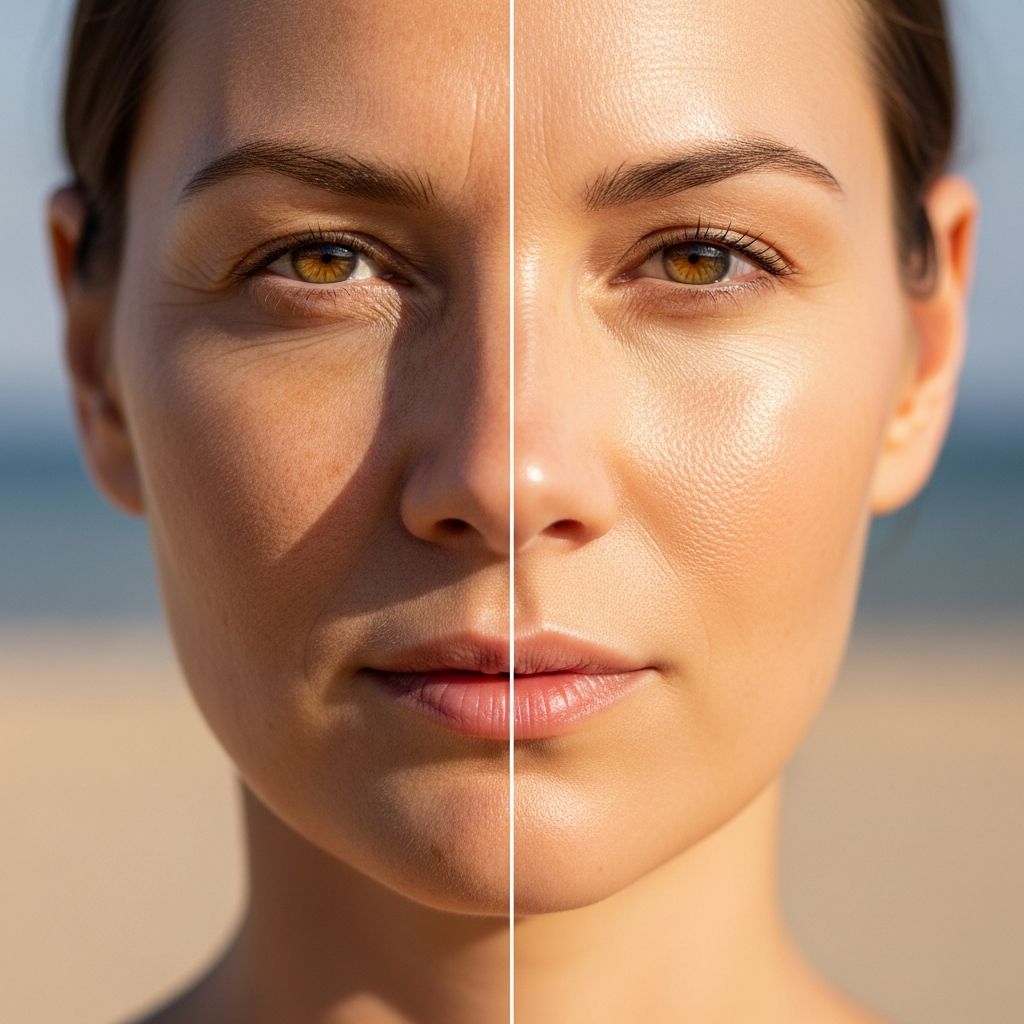
Sun damage is one of the most common skin concerns affecting millions of people worldwide. Whether you’ve spent years enjoying outdoor activities or accumulated sun exposure over time, the visible signs of photodamage—including wrinkles, age spots, and rough texture—can be distressing. The good news is that modern dermatology offers multiple effective strategies to reverse sun damage and restore your skin’s youthful appearance. While some damage is permanent at the cellular level, numerous treatments can significantly improve the visible signs of sun exposure and help prevent future damage.
Understanding Sun Damage
Sun damage occurs when ultraviolet (UV) radiation from sunlight penetrates the skin and causes cellular injury. The main cause of the sun’s damaging effects on the skin is exposure to ultraviolet radiation, which not only affects the skin’s appearance but also increases the risk for skin cancer. Tanning lamps and beds are also significant sources of UV rays and pose similar risks as natural sunlight. Common signs of sun damage include fine lines and wrinkles, age spots and hyperpigmentation, rough or leathery texture, redness and broken blood vessels, and sagging or loose skin. Understanding these signs helps you identify which treatments might be most beneficial for your specific concerns.
Step 1: Protect Your Skin from Further Damage
Before pursuing any reversal treatments, the most critical step is preventing additional sun damage. The first line of defense against further photodamage is consistent sun protection. Starting now, protect your skin by wearing sunscreen with a sun protection factor (SPF) of 30 or higher on a daily basis, even on cloudy days, since UV rays penetrate clouds. Additionally, consider wearing hats, long sleeves, and other protective clothing that will shield your skin from direct sunlight. Seeking shade during peak sun hours (10 a.m. to 4 p.m.) further reduces your UV exposure. This preventative approach not only stops new damage from forming but also allows your skin to heal and respond better to reversal treatments.
Step 2: Topical Treatments for Sun Damage
Topical skincare products are an excellent starting point for reversing mild to moderate sun damage and should be incorporated into your daily routine alongside professional treatments.
Retinoic Acid Creams
Topical retinoic acid creams can be an effective starting point for reversing the signs of sun damage to your skin. Retinoic acid is a derivative of Vitamin A that helps your skin shed dead cells and create new ones. Over time, retinoic acid can improve skin pigmentation and help ease the appearance of fine lines and wrinkles. Retinol products are available over the counter and work well for maintenance and mild damage. Retinoids, which are stronger formulations, can be obtained with a prescription from your dermatologist for more significant results. When starting retinoic acid, begin with lower concentrations to allow your skin to build tolerance, as these products can cause initial dryness and irritation.
Alpha Hydroxy Acids and Vitamin C
Over-the-counter beauty products containing alpha hydroxy acid can lightly exfoliate the skin to reduce texture changes and fine lines caused by sun damage. The additional ingredient of Vitamin C can stimulate collagen production, which helps restore skin firmness and brightness. Alpha hydroxy acids and vitamin C can be used in combination with topical retinoic acids. In general, the alpha hydroxy acid or vitamin C will be applied in the morning, and the retinoic acid is applied in the evening. Since all three products can cause dryness or irritation, dermatologists recommend starting the retinoic acid first, then adding either alpha hydroxy acid or vitamin C once your skin tolerates retinoic acid well.
Related Stories



Skin-Lightening Creams
Sun damage can lead to dark spots and uneven pigmentation that can be lightened by topical skin-bleaching creams. Products with the ingredient hydroquinone are the most popular and effective for addressing hyperpigmentation. Hydroquinone 2% is available over the counter, but higher strengths of hydroquinone are available by prescription. Other effective, skin-lightening ingredients include alpha hydroxy acid, tranexamic acid, kojic acid, Vitamin C, niacinamide and soy. Products with higher concentrations of hydroquinone typically produce speedier, more prominent results. These creams work by inhibiting melanin production, gradually fading dark spots over weeks to months of consistent use.
Step 3: Professional Chemical Peels
Chemical peels are a powerful tool for reversing sun damage by applying a chemical solution to the skin that causes the outer layer to peel off, revealing fresher, healthier skin underneath. Chemical peels can effectively reduce the appearance of sun spots, fine lines, and uneven skin texture. The most recommended chemical peels for sun damage reversal include:
- Glycolic Acid Peels: These alpha hydroxy acid-based peels provide mild to moderate exfoliation and can be performed on all skin types with appropriate concentration adjustments.
- TCA (Trichloroacetic Acid) Peels: These peels offer stronger exfoliation than glycolic acid and are effective for deeper sun damage, hyperpigmentation, and melasma.
While chemical peels can be performed on all skin colors and types, a consultation with a dermatologist is required to determine which peel is best and the strength and frequency needed to achieve your specific goals. Chemical peels typically require minimal downtime compared to more aggressive laser treatments, making them an accessible option for many patients.
Step 4: Laser and Light-Based Therapies
Laser therapy represents one of the most effective methods for treating multiple types of sun damage simultaneously. These energy-based devices use focused light to target damaged skin cells and stimulate collagen production. Laser therapy can address wrinkles, redness, dark spots caused by sun damage, rosacea, and broken blood vessels that become more prominent with sun exposure.
Non-Ablative Laser Treatments
Intense Pulsed Light (IPL): IPL treatment is effective at treating pigment issues and redness with minimal downtime. Also known as photorejuvenation, IPL devices can improve skin texture, redness, broken veins, blotchiness, and brown spots. IPL works best when there is significant contrast between the red or brown lesion and the background skin, making it particularly effective for patients with lighter skin tones. Most IPL treatments allow patients to return to normal activities immediately, making this an attractive option for busy individuals.
Fraxel Laser Resurfacing: Fraxel Dual Laser Resurfacing creates tiny microtrauma underneath the surface of the skin, and as the body heals those sites, new collagen grows. Fraxel Dual has two wavelengths and works well for reducing hyperpigmentation and sun damage, as well as treating scarring, fine lines, and wrinkles. Many patients who have sun-damaged skin achieve optimal results with Fraxel Dual Laser Resurfacing, often requiring multiple sessions for optimal results.
Clear + Brilliant Laser: This fractional laser technology targets sun damage while requiring minimal downtime. It works by creating controlled micro-injuries that stimulate the skin’s natural healing response, promoting collagen remodeling and cellular renewal.
PICOSure Laser: This advanced picosecond laser technology delivers ultra-short pulses of energy to break up pigment and stimulate collagen production with less heat damage to surrounding tissue compared to traditional nanosecond lasers.
Ablative Laser Treatments
CO2 Laser Resurfacing: The CO2 laser is a great treatment option for people who want more significant improvement in discoloration and wrinkles. This laser carries the most recovery time but also produces the most dramatic improvement in sun-damaged skin. The CO2 laser is an ablative laser, which means it causes microchannels of injury in the skin, which promotes new skin growth and rejuvenation. After treatment, your skin appears to have severe sunburn and heals in about one week. While recovery is longer, results are typically more dramatic and long-lasting.
Non-Ablative Fractional Laser Resurfacing: This gentler option than full ablative treatment still creates fractional zones of injury to stimulate healing while preserving some surrounding skin, allowing for faster recovery than traditional CO2 treatment.
Choosing the Right Laser Treatment
In general, younger patients make ideal candidates for less invasive procedures such as IPL as they haven’t accrued as much cumulative damage compared to older patients who may need more aggressive treatment options such as ablative lasers. A dermatologist will assess your skin type, the severity of sun damage, and your recovery timeline to recommend the most appropriate laser treatment. Most laser treatments are targeted at the face, however, treatment to neck, chest, arms, back, and hands can be performed to address sun damage on these commonly exposed areas.
Treatment Comparison Table
| Treatment | Best For | Downtime | Results Timeline |
|---|---|---|---|
| Topical Retinoids | Fine lines, mild discoloration | None | 8-12 weeks |
| Chemical Peels | Texture, fine lines, spots | 1-7 days | 4-6 weeks |
| IPL | Pigmentation, redness, vessels | 1-2 days | 4-6 weeks |
| Fraxel Laser | Moderate to severe damage | 5-7 days | 8-12 weeks |
| CO2 Laser | Severe wrinkles, deep spots | 7-14 days | 8-16 weeks |
Additional Professional Treatments
Microdermabrasion: This mechanical exfoliation technique uses tiny crystals or a diamond tip to physically remove the outer layer of skin, promoting cell turnover and improving the appearance of age spots and fine lines. Microdermabrasion works well for mild sun damage and has minimal downtime.
Injectable Fillers and Botox: While these don’t directly reverse sun damage, they can address wrinkles and volume loss caused by sun exposure. Dermal fillers restore lost volume and smooth deep lines, while Botox relaxes muscles that create expression lines, preventing them from deepening further.
Cryosurgery: Freezing therapy can be effective for removing age spots and other benign skin growths caused by sun exposure. Liquid nitrogen is applied to the affected area, causing the damaged tissue to slough off and reveal fresh skin underneath.
Combination Treatments for Optimal Results
Many dermatologists recommend combining multiple treatments for optimal results. For example, starting with topical retinoids and vitamin C in your daily routine, followed by periodic chemical peels, and then more aggressive laser treatments for deeper concerns creates a comprehensive approach to reversing sun damage. The recommended therapy or combination of procedures, number of treatments, and sequence is different for each person. A dermatologist will develop a customized treatment plan for each patient, including skin maintenance recommendations to maximize and extend results.
Important Considerations
Dark spots that grow in size, shape, or color should be evaluated by a dermatologist immediately, as these may indicate skin cancer or precancerous changes rather than benign age spots. While sun damage can be reversed to a significant degree, prevention through consistent sun protection remains the most effective strategy. New studies show that the daily use of sun protection as well as topical antioxidants can potentially reverse sun damage, help to stop the replication of damaged cells, and promote healthier skin.
Laser treatments are safe and effective for all skin colors and types, but a consultation with a dermatologist is required to determine which laser or light therapy is best for your specific skin concerns and type. Individuals with darker skin tones should work with experienced providers who understand how to adjust laser parameters appropriately to minimize risks of hyperpigmentation or hypopigmentation.
Frequently Asked Questions (FAQs)
Q: Is it possible to completely reverse sun damage?
A: While some sun damage at the cellular level cannot be completely reversed, modern treatments can significantly improve visible signs of photodamage including wrinkles, spots, and rough texture. The key is combining professional treatments with consistent prevention to stop new damage.
Q: How long does it take to see results from sun damage treatments?
A: Results vary by treatment. Topical treatments typically show results after 8-12 weeks of consistent use. Chemical peels and laser treatments may show improvement within 4-6 weeks, with continued improvement over several months as collagen remodeling continues.
Q: Which treatment is best for my sun damage?
A: The best treatment depends on your skin type, the severity and type of sun damage, your budget, and your downtime tolerance. A dermatologist can assess your specific concerns and recommend personalized treatment options. Many patients benefit from combination approaches.
Q: Can I prevent sun damage from getting worse?
A: Yes. Using SPF 30 or higher sunscreen daily, wearing protective clothing, and seeking shade during peak sun hours can prevent additional sun damage and allow your skin to heal. Sun protection should be maintained even after professional treatments.
Q: Are there any side effects from sun damage treatments?
A: Most treatments have minimal side effects, though temporary redness, dryness, and mild irritation are common with topical treatments. Laser and chemical peel treatments may cause temporary swelling, peeling, or discomfort. Serious complications are rare when treatments are performed by qualified dermatologists.
Q: How often do I need to repeat treatments?
A: This depends on the treatment and your goals. Topical treatments require daily or regular use. Chemical peels may be repeated every 4-6 weeks, while laser treatments might require 3-6 sessions spaced 4-6 weeks apart. Maintenance treatments may be needed annually to maintain results.
Q: Can I combine different sun damage treatments?
A: Yes, combining treatments often yields better results. For example, using topical retinoids daily while receiving periodic laser treatments or chemical peels creates a comprehensive approach. Your dermatologist will develop a safe, sequenced treatment plan.
References
- How dermatologists treat sun-damaged skin — American Academy of Dermatology (AAD). Accessed 2024. https://www.aad.org/public/everyday-care/sun-protection/sun-damage-skin/wrinkles-sun-damage-can-be-treated
- Five ways to reverse sun damage — Ohio State Health & Discovery. Accessed 2024. https://health.osu.edu/health/skin-and-body/reverse-sun-damage
- How to Reverse Sun-Damaged Skin — Scripps Health. Accessed 2024. https://www.scripps.org/news_items/4349-how-to-reverse-sun-damaged-skin
- Sun Damage Repair Treatment Options — TruForm Surgery. Accessed 2024. https://www.truformfaces.com/sun-damage-repair-treatment-options/
- What Are the Best Procedures to Reverse Sun Damage? — Sean Doherty, MD. Accessed 2024. https://www.seandohertymd.com/blog/best-procedures-to-reverse-sun-damage
- How to Reverse Sun-Damaged Skin — Skin Laundry. Accessed 2024. https://www.skinlaundry.com/blog/sun-damage
Similar Articles








Read full bio of medha deb