Can You Take Too Many Supplements: 6 Essential Safety Tips
Discover the risks of overdoing dietary supplements, from toxicity to interactions, and learn how to use them safely and wisely.
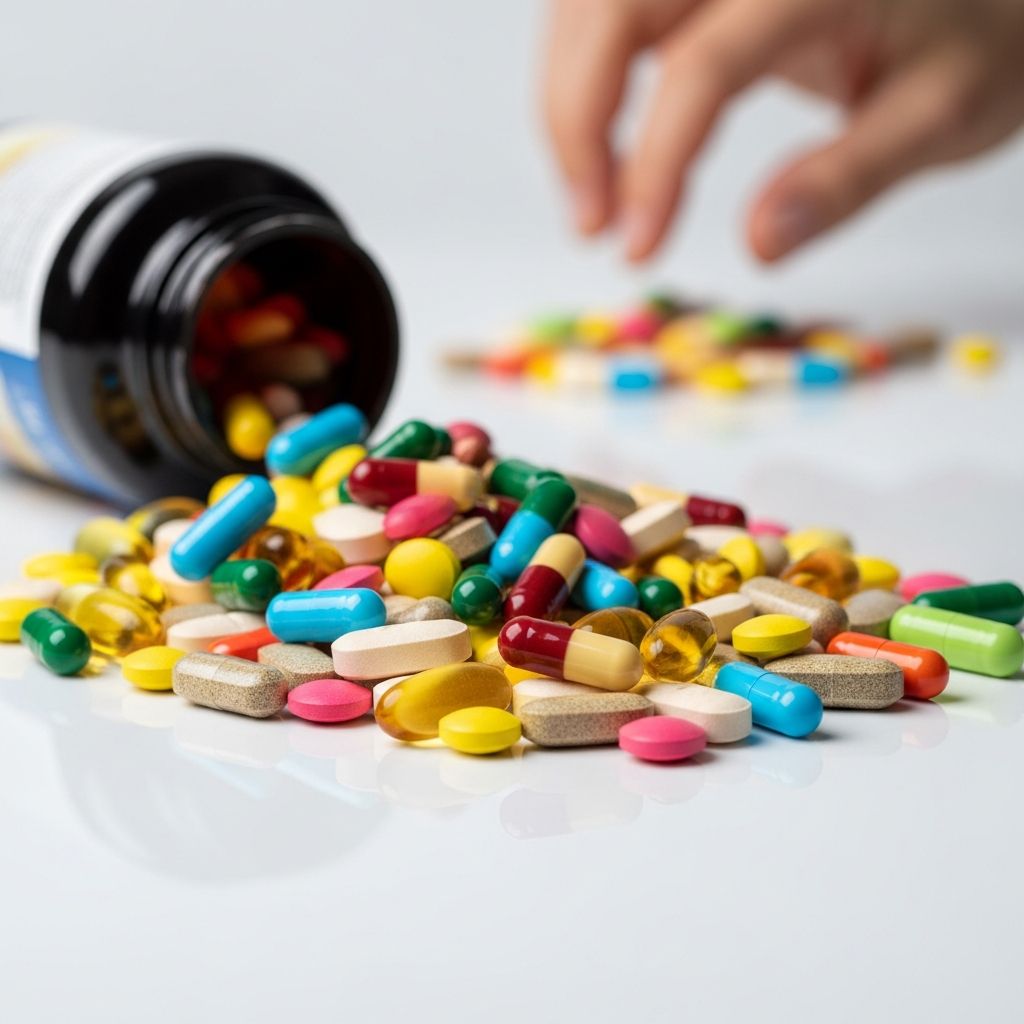
Yes, it is possible to take too many dietary supplements, leading to serious health risks including toxicity, organ damage, medication interactions, and emergency room visits. While supplements can fill nutritional gaps, excessive intake—especially of fat-soluble vitamins like A, D, E, and K—can accumulate in the body and cause harm, as they are not easily excreted like water-soluble vitamins.
What Are Dietary Supplements?
Dietary supplements include vitamins, minerals, herbs, amino acids, enzymes, and other products intended to supplement the diet. They come in forms like pills, capsules, powders, and liquids, often marketed to support immunity, energy, weight loss, or overall wellness. Unlike drugs, supplements are not intended to diagnose, treat, cure, or prevent diseases, but many labels make structure/function claims such as “supports heart health” or “promotes bone strength.”
The supplement industry is massive, with over 100,000 products on the U.S. market. Consumers spend billions annually, drawn by promises of better health. However, the appeal of “natural” ingredients can be misleading—natural does not always mean safe, as potent compounds from plants can pose risks similar to pharmaceuticals.
Can You Overdose on Vitamins and Supplements?
Absolutely. Overdosing, or supplement toxicity, occurs when intake exceeds safe upper limits, leading to hypervitaminosis or mineral overload. Fat-soluble vitamins (A, D, E, K) are particularly risky because they store in fat tissues and the liver, building up over time. Water-soluble vitamins like B and C are generally safer, as excess is excreted in urine, but megadoses can still cause issues like nausea or kidney strain.
- Vitamin A: Excess can cause dizziness, nausea, liver damage, and birth defects.
- Vitamin D: High doses over 4,000 IU/day increase fall risk, bone loss, and kidney problems.
- Iron: Overdose leads to organ failure, especially dangerous for children.
- Calcium: Too much may cause kidney stones and heart issues.
A 2015 study cited by the NIH estimates 23,000 annual U.S. emergency room visits from supplements, often from weight-loss or energy products causing heart issues in young adults or swallowing problems in seniors.
FDA Regulations on Supplements: Why Oversight Is Limited
The U.S. Food and Drug Administration (FDA) regulates supplements under the Dietary Supplement Health and Education Act of 1994 (DSHEA), but with key limitations. Manufacturers, not the FDA, are responsible for safety and accurate labeling before market entry. The FDA cannot review supplements for safety or efficacy pre-market, unlike drugs.
Post-market, the FDA acts on adulterated or misbranded products, tracking side effects via consumer reports. In 2023, they launched the Dietary Supplement Ingredient Directory for public checks on ingredients. However, with thousands of products, not all can be tested, allowing hidden prescription drugs (e.g., warfarin in weight-loss aids) to slip through.
| Aspect | Drugs | Supplements |
|---|---|---|
| Pre-Market Review | Required for safety/efficacy | Not required |
| Manufacturer Responsibility | Submit evidence to FDA | Self-certify safety/labeling |
| Claims Allowed | Treat/prevent diseases | Structure/function only |
| Post-Market Action | Monitoring | Reactive recalls/warnings |
This lax regulation fuels risks from untested “new ingredients” in botanicals, often introduced without vetting.
Common Risks and Side Effects of Too Many Supplements
Related Stories



Beyond overdose, supplements pose other dangers:
- Medication Interactions: St. John’s wort reduces efficacy of many drugs; vitamin K interferes with blood thinners.
- Contaminants: Heavy metals, pesticides, or undeclared steroids in products.
- Liver Damage: Rising cases of acute liver injury, sometimes fatal, linked to supplements like green tea extract or bodybuilding aids.
- Vulnerable Groups: Untested in pregnant/nursing women, children; risks before surgery.
High-dose vitamin D exemplifies reversal of benefits: Trials show 2,000 IU/day offers no prevention against fractures or cancer, while >4,000 IU causes harm.
Signs You’ve Taken Too Many Supplements
Symptoms vary by nutrient but include:
- General: Nausea, vomiting, diarrhea, headache.
- Vitamin A: Skin changes, vision issues, bone pain.
- Vitamin D: Fatigue, frequent urination, weakness.
- B Vitamins: Nerve damage (B6), flushing (niacin).
- Minerals: Constipation (calcium), metallic taste (zinc).
Severe cases involve organ failure. Stop use and seek medical help if symptoms appear.
Who Is at Risk for Supplement Overdose?
- Older Adults: Multiple meds increase interaction risks; swallowing large pills causes issues.
- Athletes/Bodybuilders: High-dose products with hidden steroids.
- Weight-Loss Seekers: Products with stimulants or undeclared drugs.
- Children/Pregnant Women: Limited testing; accidental ingestion deadly for iron.
- Chronic Condition Patients: Kidney/liver issues amplify toxicity.
How to Use Supplements Safely
To avoid overload:
- Get Tested: Bloodwork reveals deficiencies before supplementing.
- Consult Providers: Discuss all supplements with doctors, especially with meds.
- Follow Labels: Stick to recommended doses; avoid megadoses.
- Choose Reputable Brands: Look for third-party testing (USP, NSF).
- Start Low: Introduce one at a time to monitor effects.
- Prioritize Diet: Whole foods first; multis unlikely to harm if diet-based.
Talk openly with healthcare teams for personalized advice.
Do You Really Need Supplements?
Most healthy people get nutrients from balanced diets. Supplements suit specific needs like vegan B12 deficiency or post-surgery malabsorption. Large trials show multis don’t prevent major diseases in well-nourished populations. Focus on food; supplement evidence-based gaps.
Frequently Asked Questions (FAQs)
Can a multivitamin hurt you?
Multivitamins at standard doses are unlikely to harm healthy adults, but excess or interactions can pose risks. Always check with a doctor.
What’s the most dangerous supplement?
Weight-loss and bodybuilding products often contain hidden drugs, leading to heart and liver issues. Vitamin D megadoses and iron are also high-risk.
Are natural supplements safer?
No—’natural’ doesn’t mean safe. Botanical compounds can be potent and unregulated.
How do I report a bad reaction?
Use the FDA’s Safety Reporting Portal or contact your provider and manufacturer.
Should I take supplements daily?
Only if deficient and advised by a professional. Diet trumps pills for most.
This article provides general guidance; consult healthcare professionals for personalized advice on supplements.
References
- Using Dietary Supplements Wisely — National Center for Complementary and Integrative Health (NCCIH), NIH. 2023. https://www.nccih.nih.gov/health/using-dietary-supplements-wisely
- What Doctors Wish Patients Knew About Vitamins and Supplements — American Medical Association (AMA). 2023. https://www.ama-assn.org/public-health/prevention-wellness/what-doctors-wish-patients-knew-about-vitamins-and-supplements
Similar Articles








Read full bio of medha deb