Can You Target Losing Visceral Fat? Science-Backed Strategies
Discover proven methods to reduce visceral fat and improve your metabolic health.
Can You Target Losing Visceral Fat?
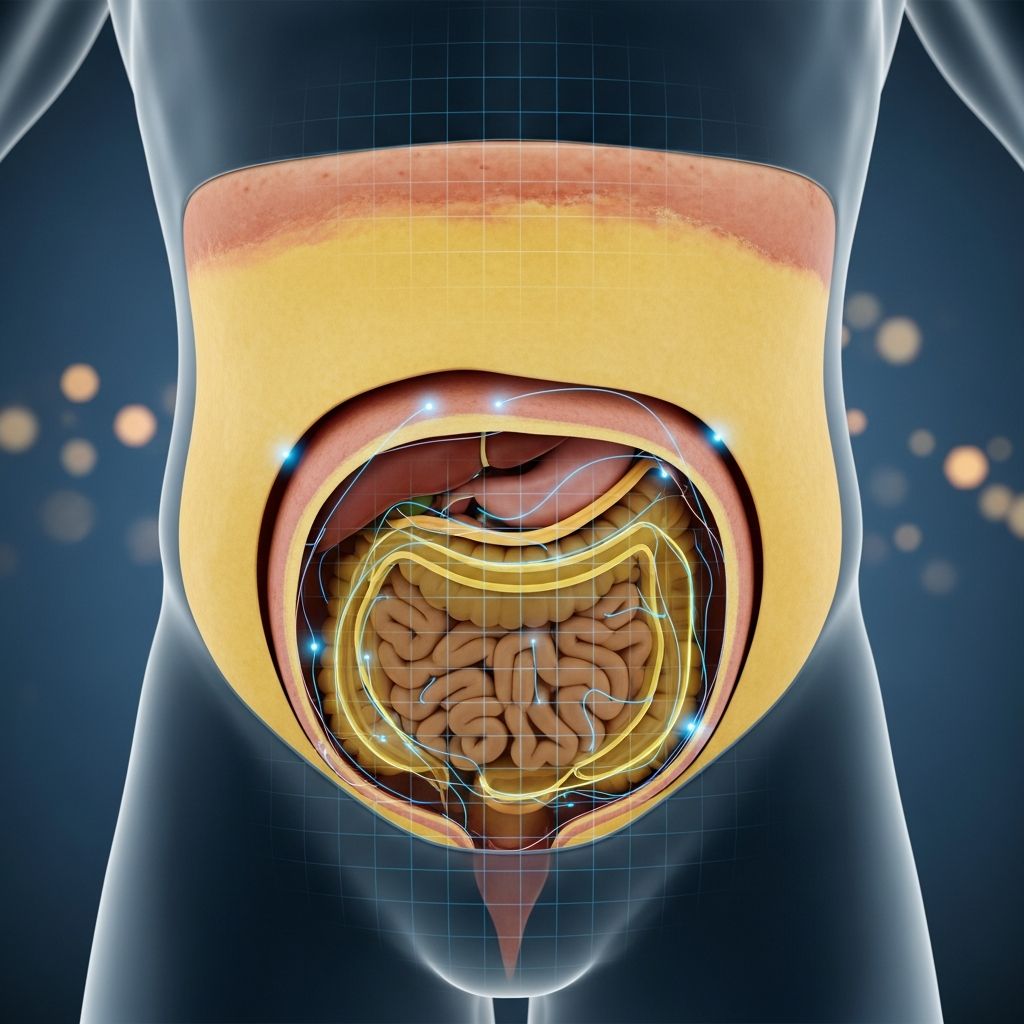
Visceral fat, often referred to as belly fat, is a significant health concern that affects millions of people worldwide. Unlike subcutaneous fat, which sits directly under the skin and is visible, visceral fat accumulates deep within the abdominal cavity surrounding vital organs. This distinction is crucial because visceral fat poses greater health risks and responds differently to weight loss efforts. Many people wonder whether they can specifically target this type of fat rather than losing weight generally. Understanding the science behind visceral fat and the strategies to reduce it can help you make informed decisions about your health and fitness goals.
Understanding Visceral Fat vs. Subcutaneous Fat
To effectively address visceral fat loss, it’s essential to understand the differences between visceral and subcutaneous fat. Visceral fat is metabolically active tissue that wraps around organs like the liver, pancreas, and intestines. This internal fat deposit is often called “hidden fat” because you cannot see it on the surface of your body. Subcutaneous fat, by contrast, lies beneath the skin and is the type you can pinch or observe as body fat.
The distinction matters significantly because visceral fat is more closely linked to serious health conditions, including type 2 diabetes, heart disease, high blood pressure, and metabolic syndrome. Visceral fat cells release inflammatory compounds and hormones that can negatively affect your metabolic health, insulin sensitivity, and cholesterol levels. This makes reducing visceral fat particularly important for overall wellness, not just appearance.
Can You Spot-Reduce Visceral Fat?
A common misconception is that you can exercise specific body areas to lose fat from those regions—a concept known as “spot reduction.” The scientific evidence overwhelmingly suggests that spot reduction is not effective. When your body burns fat, it does so systematically throughout your entire body based on genetics, hormones, age, and other physiological factors. You cannot choose which fat deposits your body uses for energy.
However, while you cannot exclusively target visceral fat, research indicates that visceral fat is often the first type of fat your body mobilizes during weight loss and exercise. This means that even though you’re not specifically targeting it, visceral fat tends to decrease faster than subcutaneous fat when you lose weight through proper nutrition and regular physical activity. This is actually positive news for those concerned about the health risks associated with visceral fat accumulation.
The Role of Diet in Reducing Visceral Fat
Diet plays a fundamental role in reducing visceral fat accumulation. Certain dietary choices have been shown to contribute to visceral fat deposition, while others help reduce it. Understanding these nutritional factors can guide your food selections toward better metabolic health.
Foods That Contribute to Visceral Fat Accumulation
- Refined Carbohydrates: Foods like white bread, pastries, sugary cereals, and processed snacks contribute to insulin spikes that promote visceral fat storage.
- Added Sugars: Beverages and foods high in added sugars, including sodas, energy drinks, and desserts, are strongly associated with increased visceral fat.
- Ultra-Processed Foods: These items often contain harmful fats, excessive sodium, and inflammatory ingredients that promote visceral fat accumulation.
- Alcohol: Excessive alcohol consumption, particularly beer, has been linked to increased visceral fat deposits.
- Trans Fats: Partially hydrogenated oils and industrially processed trans fats promote visceral fat storage more than other fat types.
Related Stories



Foods That Help Reduce Visceral Fat
- Whole Grains: Foods like oats, brown rice, and quinoa provide sustained energy and help maintain stable blood sugar levels.
- Lean Proteins: Chicken, fish, turkey, and legumes support muscle maintenance and increase satiety during weight loss.
- Fiber-Rich Vegetables: Leafy greens, broccoli, Brussels sprouts, and other vegetables are nutrient-dense and support digestive health.
- Healthy Fats: Nuts, seeds, avocados, and olive oil contain beneficial fats that support metabolic health.
- Fish and Omega-3 Sources: Fatty fish like salmon, mackerel, and sardines contain omega-3 fatty acids that reduce inflammation and support metabolic function.
Exercise and Physical Activity for Visceral Fat Reduction
Regular physical activity is one of the most effective interventions for reducing visceral fat. Research consistently demonstrates that exercise reduces visceral fat even without significant weight loss, particularly when combined with dietary improvements. Different types of exercise offer complementary benefits for visceral fat reduction.
Aerobic Exercise
Cardiovascular exercise is particularly effective for visceral fat reduction. Studies show that aerobic activities like brisk walking, running, cycling, and swimming reduce visceral fat deposits significantly. The key is consistency and moderate to vigorous intensity. Aim for at least 150 minutes of moderate-intensity aerobic activity or 75 minutes of vigorous-intensity activity per week for optimal visceral fat reduction.
Resistance Training
Strength training and resistance exercises help build and maintain lean muscle mass, which increases your resting metabolic rate. A higher metabolic rate means your body burns more calories at rest, supporting visceral fat reduction. Incorporate resistance training 2 to 3 days per week, focusing on major muscle groups.
High-Intensity Interval Training (HIIT)
HIIT involves alternating between short bursts of intense activity and recovery periods. This approach has shown exceptional effectiveness for visceral fat reduction, often matching or exceeding the results of traditional steady-state cardio in shorter timeframes. Two to three HIIT sessions per week can significantly impact visceral fat levels.
Lifestyle Factors Beyond Diet and Exercise
While diet and exercise are primary drivers of visceral fat reduction, several lifestyle factors also significantly influence fat deposition and metabolic health.
Sleep Quality and Duration
Poor sleep quality and insufficient sleep duration are associated with increased visceral fat accumulation. Sleep deprivation disrupts hormones that regulate hunger and satiety, leading to increased calorie consumption and weight gain, particularly visceral fat. Adults should aim for 7 to 9 hours of quality sleep per night to support metabolic health and fat loss efforts.
Stress Management
Chronic stress elevates cortisol levels, a hormone associated with increased visceral fat storage. Implementing stress-reduction techniques such as meditation, yoga, deep breathing exercises, or regular relaxation activities can help lower cortisol and support visceral fat reduction.
Alcohol Consumption
Excessive alcohol intake, particularly beer consumption, is linked to visceral fat accumulation. Limiting alcohol consumption to moderate levels (up to one drink daily for women and up to two drinks daily for men) supports visceral fat reduction efforts.
Hydration
Drinking adequate water supports metabolic function and can reduce overall calorie consumption by promoting satiety. Replacing sugary beverages with water is particularly beneficial for reducing visceral fat.
The Timeline for Visceral Fat Reduction
One of the encouraging aspects of visceral fat reduction is that it can occur relatively quickly compared to other types of weight loss. Many studies demonstrate measurable reductions in visceral fat within 8 to 12 weeks of consistent exercise and dietary improvements. However, individual results vary based on factors such as starting visceral fat levels, adherence to interventions, genetics, age, and overall lifestyle habits.
Creating a Comprehensive Visceral Fat Reduction Plan
To effectively reduce visceral fat, adopt a comprehensive approach that combines multiple strategies:
Dietary Strategy
- Reduce refined carbohydrates and added sugars
- Increase whole grains, vegetables, and fiber intake
- Incorporate lean proteins at each meal
- Include healthy fats from nuts, seeds, and fish
- Control portion sizes and practice mindful eating
- Limit alcohol consumption
Exercise Strategy
- Perform 150 minutes of moderate aerobic activity weekly
- Include resistance training 2 to 3 times per week
- Add 1 to 2 HIIT sessions weekly for enhanced results
- Increase daily movement and reduce sedentary time
Lifestyle Strategy
- Prioritize 7 to 9 hours of sleep nightly
- Practice stress-reduction techniques daily
- Stay adequately hydrated throughout the day
- Limit alcohol to moderate levels
- Consider working with a healthcare provider or registered dietitian for personalized guidance
Frequently Asked Questions
Q: Is visceral fat more dangerous than subcutaneous fat?
A: Yes, visceral fat poses greater health risks because it’s metabolically active and releases inflammatory compounds that negatively affect metabolic health, insulin sensitivity, and increase the risk of chronic diseases.
Q: How long does it take to see results from visceral fat reduction efforts?
A: Many people see measurable improvements in visceral fat levels within 8 to 12 weeks of consistent exercise and dietary changes, though individual timelines vary.
Q: Can you lose visceral fat without losing weight?
A: Yes, regular exercise, particularly aerobic activity, can reduce visceral fat even without significant overall weight loss, though typically some weight loss accompanies visceral fat reduction.
Q: Is cardio or strength training better for visceral fat reduction?
A: Both are valuable. Cardio is particularly effective for direct visceral fat reduction, while strength training increases metabolic rate. Combining both approaches yields optimal results.
Q: How can I determine if I have excess visceral fat?
A: Advanced imaging techniques like CT scans or DEXA scans provide precise measurement. Waist circumference can also be a reasonable indicator, though it’s less precise than imaging.
Q: Are certain supplements effective for reducing visceral fat?
A: While some supplements are marketed for fat loss, the most evidence-based approach remains diet, exercise, and lifestyle modifications. Consult a healthcare provider before starting any supplement regimen.
References
- Visceral Adiposity and Metabolic Syndrome Component Traits in the Framingham Heart Study — Obesity Journal, Harvard School of Public Health. Published 2007. https://onlinelibrary.wiley.com/doi/full/10.1038/oby.2007.52
- Physical Activity Guidelines for Americans — U.S. Department of Health and Human Services, Office of Disease Prevention and Health Promotion. Updated 2018. https://health.gov/our-work/physical-activity/physical-activity-guidelines-americans
- High-Intensity Interval Training for Weight Loss: A Systematic Review and Meta-Analysis — International Journal of Obesity. Published 2018. https://www.nature.com/articles/ijo2017161
- The Effects of Sleep Duration on Visceral Adiposity in Adults — Sleep Health Journal. Published 2019. https://www.sleephealth.org/
- Dietary Approaches to Reduce Visceral Fat Accumulation — American Journal of Clinical Nutrition. Published 2020. https://academic.oup.com/ajcn/
- Stress, Cortisol, and Abdominal Obesity: A Comprehensive Review — Endocrine Reviews. Published 2015. https://academic.oup.com/edrv/
Similar Articles








Read full bio of Sneha Tete