Can Your Diet Help Prevent Skin Cancer? 7 Evidence-Backed Foods
Discover how antioxidant-rich foods and dietary patterns like the Mediterranean diet may reduce skin cancer risk alongside sun protection.
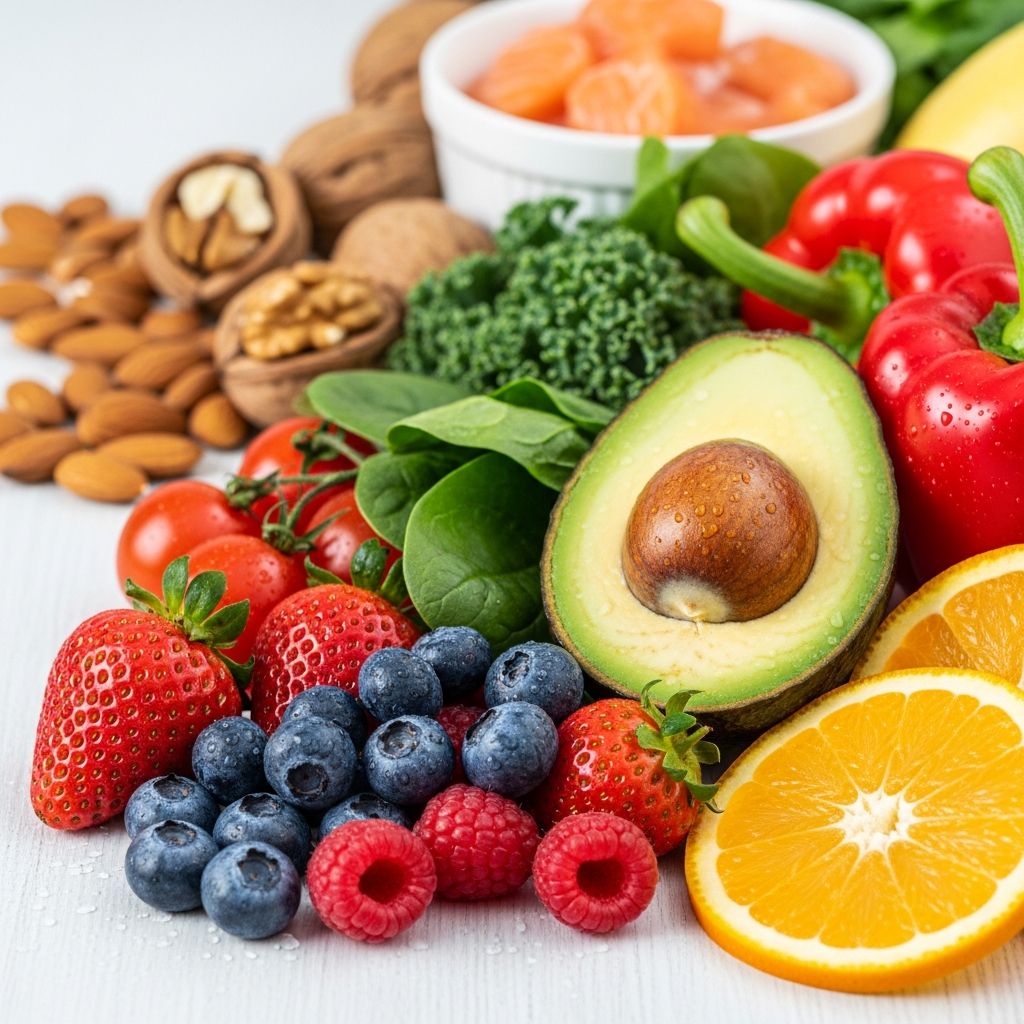
Growing evidence indicates that a diet rich in antioxidants and specific nutrients may help protect against skin cancer by combating free radicals generated by UV exposure, though it should complement—not replace—sunscreen and sun avoidance.
UV radiation from the sun primarily damages skin through free radicals, unstable oxygen molecules that inflame tissues, impair cell function, and mutate DNA, potentially leading to skin cancers like melanoma, basal cell carcinoma (BCC), and squamous cell carcinoma (SCC).
Why Antioxidants Matter
Antioxidants neutralize free radicals, restoring the body’s defenses depleted by UV exposure. A 2002 study in the Journal of Investigative Dermatology demonstrated that UV light reduces antioxidant levels, suggesting dietary replenishment could mitigate damage.
Recent research supports antioxidants’ role in skin cancer prevention. Dermatologists increasingly recommend foods over supplements, as nutrient interactions in whole foods enhance efficacy, while high-dose supplements risk toxicity.
Key antioxidants include:
- Vitamin C: Found in citrus fruits, bell peppers, and strawberries; boosts collagen and fights oxidative stress.
- Vitamin E: In nuts, seeds, and spinach; protects cell membranes.
- Vitamin A and beta-carotene: From carrots, sweet potatoes, and leafy greens; supports skin repair (noted for SCC prevention in moderate-risk groups).
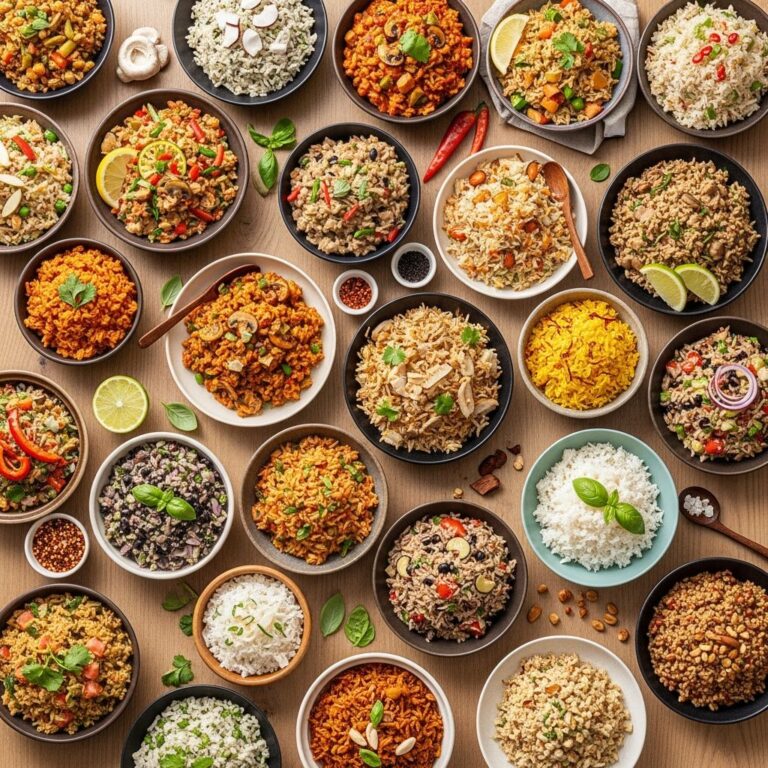
- Selenium and zinc: In Brazil nuts, seafood, and whole grains; enhance immune response.
- Lycopene: In tomatoes; reduces inflammation.
- Omega-3 fatty acids: From fatty fish like salmon; anti-inflammatory effects.
- Polyphenols: In green tea (EGCG) and soy (genistein); inhibit UV-induced tumors in animal studies.
Low-Fat Diets and Skin Cancer Risk
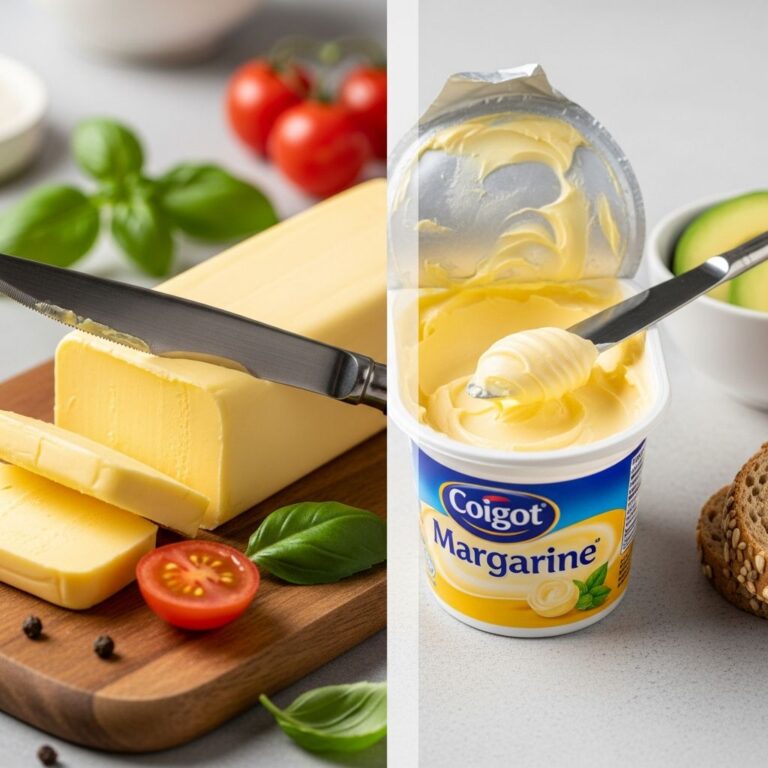
High-fat diets, especially saturated fats, may increase skin cancer susceptibility. Animal studies since 1939 show high-fat fed animals develop more UV-induced tumors, while unsaturated fats offer protection.
A landmark Women’s Health Initiative trial found a low-fat diet (20% calories from fat) reduced non-melanoma skin cancer (NMSC) incidence in high-risk women. Another randomized trial with 76 prior skin cancer patients showed a 10-fold lower skin cancer rate on low-fat diets versus controls, published in the New England Journal of Medicine.
Reducing fat to 20-25% of calories via whole foods is challenging but feasible by limiting processed meats and fried foods.
The Mediterranean Diet: A Powerhouse for Prevention
The Mediterranean diet—emphasizing fruits, vegetables, legumes, olive oil, fish, and moderate wine—slashes skin cancer risk. An Italian study of over 600 people found adherents had half the melanoma incidence.
A 30-year French review confirmed lower melanoma and BCC risks with high intake of produce, olive oil, and fish, attributing benefits to antioxidants. World Cancer Research Fund evidence links it to reduced NMSC.
| Food Group | Key Nutrients | Skin Cancer Benefit |
|---|---|---|
| Cruciferous veggies (broccoli, kale) | Sulforaphane, vitamins C/E | Detoxifies carcinogens |
| Tomatoes | Lycopene | UV protection |
| Fatty fish | Omega-3s | Anti-inflammatory |
| Olive oil | Polyphenols | Antioxidant boost |
| Citrus/berries | Vitamin C, flavonoids | Free radical scavenger |
Related Stories



Promising Foods: Green Tea, Soy, and More
Green tea’s EGCG inhibits UV-induced skin cancers in mice, both orally and topically. Soy isoflavones like genistein prevent UV carcinogenesis and sunburn in studies, without blocking UV like sunscreen.
Other stars: Carotenoid-rich carrots and pumpkins build skin pigmentation for natural UV resistance; nuts/seeds for selenium.
Supplements vs. Whole Foods
While vitamin A derivatives prevent SCC in high-risk groups, long-term use risks skeletal toxicity. High-dose beta-carotene supplements show no benefit for NMSC and may harm smokers.
Experts prioritize foods: “The interaction between nutrients makes them most effective.” Supplements lack synergy and pose risks.
Practical Tips for a Skin-Protective Diet
Incorporate daily:
- 5-9 servings fruits/veggies: Rainbow colors for broad antioxidants.
- Omega-3 sources 2-3x/week: Salmon, walnuts, flaxseeds.
- Green tea: 2-3 cups daily.
- Low-fat focus: Grill/bake over fry; choose whole grains.
- Mediterranean meals: Salads with olive oil, fish tacos, veggie stir-fries.
For high-risk individuals (fair skin, prior cancers), trivial additions like soy yield low-risk benefits.
Frequently Asked Questions (FAQs)
Can diet replace sunscreen?
No. Diet supports but doesn’t block UV; always use SPF 30+ broad-spectrum, reapply every 2 hours.
Is the Mediterranean diet proven for skin cancer?
Strong associations exist; Italian and French studies show halved melanoma/BCC risk.
Are supplements safe?
Food sources preferred; high-dose beta-carotene ineffective for NMSC.
How does low-fat diet help?
Trials show 10x lower rates in high-risk groups by reducing tumor promotion.
What about green tea?
EGCG promising in labs; safe daily consumption recommended.
Limitations and Next Steps
Most evidence from animal/human observational studies; more RCTs needed. Diet can’t override excessive UV but enhances protection. Consult dermatologists/nutritionists for personalized advice, especially with cancer history.
Combine with sun safety: Exams, hats, shade. A nutrient-dense diet fortifies skin resilience against cancer’s leading cause—UV exposure.
References
- Dietary Changes May Help Prevent Skin Cancer, Expert Says — Cancer Network. 2000-01-01. https://www.cancernetwork.com/view/dietary-changes-may-help-prevent-skin-cancer-expert-says
- Can Your Diet Help Prevent Skin Cancer? — Skin Cancer Foundation. 2023-01-01. https://www.skincancer.org/blog/can-your-diet-help-prevent-skin-cancer/
- Research On Skin Cancer And Diet — Skin Care Network. 2019-08-01. https://www.skincarenetwork.co.uk/skin-cancer-treatment/diet/research/
- How to Prevent Skin Cancer with Diet — NutritionFacts.org (YouTube). 2024-08-26. https://www.youtube.com/watch?v=ovbc63gRT1A
- Can a Healthy Diet Prevent Skin Cancer? — Orlando Health. 2023-01-01. https://www.orlandohealth.com/content-hub/can-a-healthy-diet-prevent-skin-cancer/
- Diet, nutrition, physical activity and skin cancer — World Cancer Research Fund. 2024-10-01. https://www.wcrf.org/wp-content/uploads/2024/10/skin-cancer.pdf
- Low-Fat Diet and Skin Cancer Risk: The Women’s Health Initiative — AACR Journals. 2013-09-01. https://aacrjournals.org/cebp/article/22/9/1509/69800/Low-Fat-Diet-and-Skin-Cancer-Risk-The-Women-s
Similar Articles








Read full bio of medha deb