Cancer Diet: Foods to Add and Avoid During Treatment
Essential nutritional guidance for managing diet during cancer treatment and recovery.
Cancer Diet: Foods to Add and Avoid During Cancer Treatment
Proper nutrition plays a crucial role in managing cancer and supporting your body through treatment. The food choices you make can help maintain strength, manage treatment side effects, and promote overall wellness during this challenging time. This comprehensive guide explains which foods to add to your diet and which ones to avoid during cancer treatment, helping you make informed decisions about your nutritional needs.
Why Nutrition Matters During Cancer Treatment
Cancer and its treatments demand significant energy and nutrients from your body. Chemotherapy, radiation, surgery, and immunotherapy can all impact your ability to eat, digest food, and absorb nutrients. Proper nutrition becomes even more important during this period because it helps:
- Maintain your strength and energy levels
- Support your immune system function
- Repair damaged tissues and cells
- Improve your ability to tolerate treatment
- Reduce treatment-related side effects
- Promote faster recovery and healing
Working with your healthcare team, including your oncologist and a registered dietitian, ensures your nutrition plan aligns with your specific cancer type and treatment protocol.
Foods to Add During Cancer Treatment
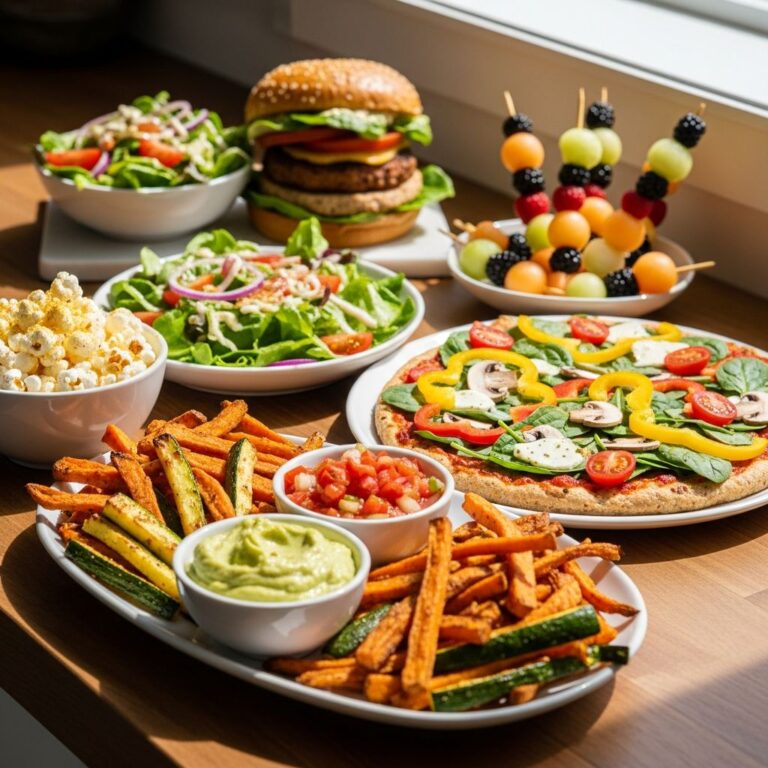
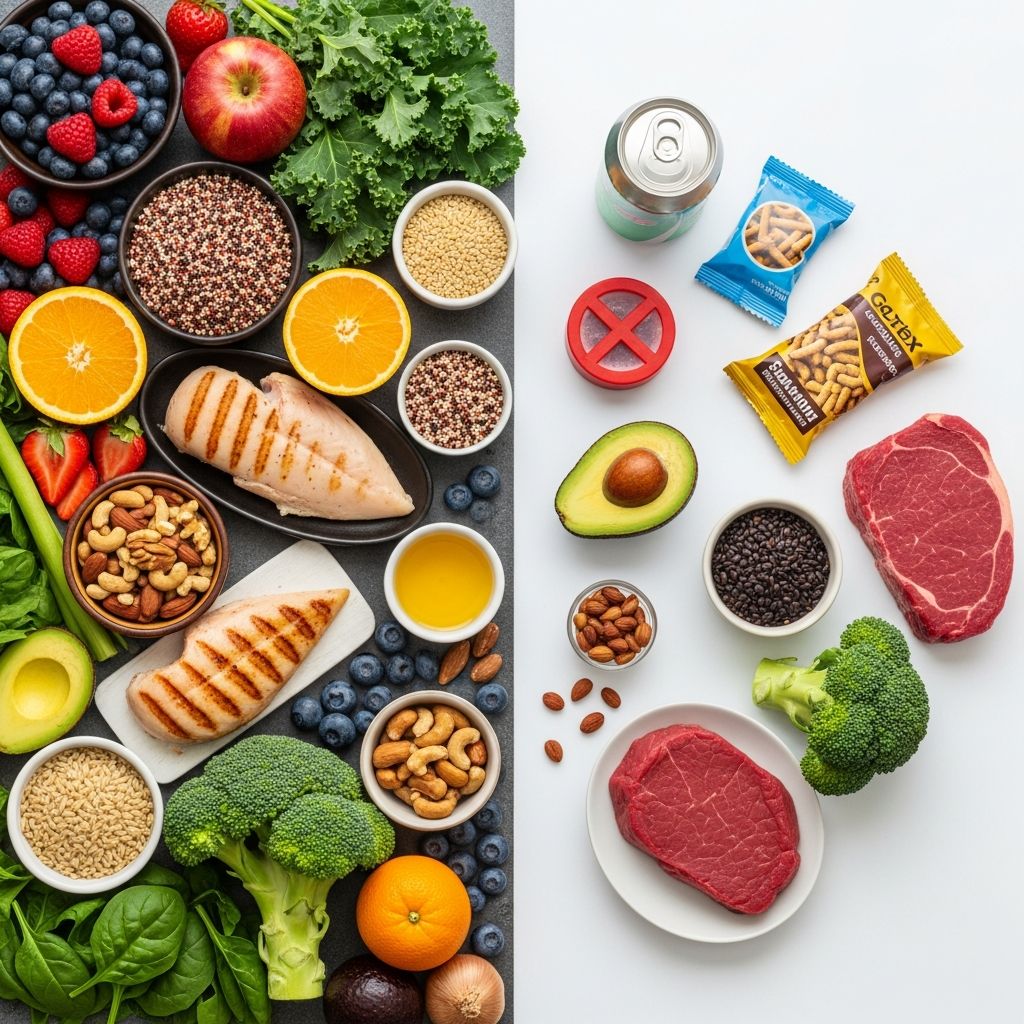
Building a foundation of nutritious foods helps sustain your body through treatment. The National Cancer Institute recommends eating one to two-and-a-half cups of fruits and one to four cups of vegetables daily. These foods contain fiber and help boost your immune system. Here are the key food groups you should prioritize:
Lean Proteins
Protein is essential for maintaining muscle mass, supporting immune function, and repairing tissues damaged by cancer treatment. It’s important to eat enough protein to keep your body strong and help repair damage from your cancer or its treatment. Healthy foods that are high in protein include:
- Lean meat, chicken, and fish
- Eggs
- Beans, nuts, and seeds
- Cheese, milk, and yogurt
- Lentils and legumes
- Plant-based protein sources like peas
Plant-based proteins offer the added benefit of fiber and various micronutrients that support overall health during treatment.
Fruits and Vegetables
Colorful fruits and vegetables contain vitamins, minerals, antioxidants, and fiber that support your immune system and overall health. Focus on including a variety of colors in your diet to ensure you receive diverse nutrients. Include dark green vegetables like spinach and broccoli, deep yellow vegetables like squash and sweet potatoes, and citrus fruits like oranges and grapefruits. These nutrient-dense foods provide multiple health benefits beyond their primary nutrients.
Whole Grains
Whole grains provide sustained energy, fiber, and important B vitamins. Choose whole grain breads, brown rice, quinoa, and whole wheat pasta. These foods help maintain stable blood sugar levels and provide steady energy throughout your treatment journey.
Hydrating Foods
Staying hydrated is essential, especially if you experience diarrhea, vomiting, or loss of appetite. Moist foods such as soup, gelatin, yogurt, and pudding can help you stay hydrated while providing nutrients. These foods are often easier to tolerate when side effects make eating difficult.
Calorie-Dense Foods
Cancer and cancer treatment are hard on your body. On the days when you do have an appetite, choose foods that are heavy in calories. This will help you maintain your weight and ensure adequate energy intake during treatment. Include foods like nut butters, avocados, olive oil, and smoothies made with protein powder and healthy fats.
Related Stories



Foods to Avoid During Cancer Treatment
Certain foods can complicate your treatment or increase health risks during cancer care. It’s important to avoid or limit these foods during your treatment period:
- Highly processed foods with added preservatives and chemicals
- Foods high in hydrogenated oils, which can increase inflammation
- Soft-cooked eggs and undercooked meats due to food safety concerns
- Undercooked or raw fish, such as sushi
- Unpasteurized dairy products that may harbor harmful bacteria
- Alcohol, which can interact with medications and impact liver function
- High-sodium foods that can cause water retention
- Excess sugar and refined carbohydrates
- High-fat meats and saturated fats
These restrictions are especially important because your immune system may be compromised during treatment, making you more susceptible to foodborne illnesses and infections.
Managing Common Side Effects Through Nutrition
Cancer treatment often causes side effects that affect eating and digestion. Strategic food choices can help manage these challenges:
Mouth or Throat Problems
For sores, pain, or trouble swallowing, stick to soft foods. Avoid anything rough or scratchy, as well as spicy or acidic foods. Eat lukewarm (not hot or cold) meals, and use a straw for soups or drinks. Good options include mashed potatoes, smoothies, scrambled eggs, and creamy soups.
Diarrhea
For diarrhea, it’s important to stay hydrated. Drink lots of liquids, and cut back on high-fiber foods such as whole grains and vegetables temporarily. Include low-fiber options like white rice, toast, and bananas. Gradually reintroduce high-fiber foods as your digestive system stabilizes.
Constipation
If you’re constipated, slowly add more high-fiber foods to your diet and have plenty of liquids. Include fruits like prunes and pears, whole grains, and vegetables as tolerated. Staying hydrated and maintaining gentle physical activity also helps address constipation.
Loss of Appetite
When appetite is low, focus on calorie and nutrient-dense foods in smaller, frequent meals. Commercially prepared liquid nutritional products such as Boost or Ensure can be helpful to increase the intake of calories and nutrients. Avoid supplements claiming to stimulate appetite, as there are no well-tested, over-the-counter appetite stimulant supplements.
Taste Changes
Cancer treatment can alter your sense of taste and smell. Experiment with different foods and flavors to find what appeals to you. Cold foods may taste better than hot foods. If foods taste metallic, try using plastic utensils instead of metal. Marinating meats and adding herbs and spices (that don’t irritate your mouth) can make foods more appealing.
Nutritional Supplements and Vitamins
It is best to get nutrients from foods, as each food not only provides that single nutrient, but also a variety of other benefits. For example, a tomato not only provides vitamin C but is also a good source of potassium, vitamin K, beta-carotene, fiber, and the antioxidant lycopene. However, during illness and recovery, dietary intake may not be optimal, so a balanced multiple vitamin and mineral supplement may be needed. A reasonable health recommendation for a patient with cancer is to use a balanced multiple vitamin and mineral supplement once or twice a day to correct possible deficiencies. Always discuss any supplements with your healthcare team, as some may interact with your cancer medications.
Sample Daily Nutrition Guide During Treatment
| Meal Type | Examples |
|---|---|
| Breakfast | Scrambled eggs, whole grain toast with nut butter, fresh berries, herbal tea |
| Mid-Morning Snack | Greek yogurt with honey, handful of almonds, smoothie with protein powder |
| Lunch | Grilled chicken with brown rice and steamed broccoli, vegetable soup with beans |
| Afternoon Snack | Cheese and whole grain crackers, fruit salad, cottage cheese with berries |
| Dinner | Baked salmon with sweet potato and asparagus, lentil and vegetable stew |
| Evening | Herbal tea, small bowl of oatmeal, gelatin, or pudding |
Dietary Approaches to Consider
Plant-Based Emphasis
A healthy, balanced diet that includes a variety of whole grains, fruits, vegetables, beans, nuts, and healthy proteins while limiting processed meats and processed foods is recommended for cancer prevention and management for all types of cancer. Most of your calories should come from plant sources, providing abundant fiber, antioxidants, and phytonutrients that support your immune system.
Ketogenic Diet and Cancer
The ketogenic diet (popular for weight loss) involves taking in a very low amount of carbohydrates, putting your body into a state called ketosis, where your body burns fat instead of glucose for energy. While some research explores ketogenic approaches in cancer care, discuss this approach with your oncology team before making significant dietary changes, as it may not be appropriate for all cancer types or treatment protocols.
After Cancer Treatment: Long-Term Nutrition
Your goal after you finish cancer treatment is to rebuild your body and maintain your long-term health. Your nutrition needs will depend on the type of cancer you had and the treatment you received. In general, a balanced diet heavy in fruits and vegetables, whole grains, and legumes may help reduce the risk of your cancer coming back.
Your best bet is to stick to a balanced diet with lean proteins, fruits, vegetables, whole grains, and low-fat dairy. Limit your intake of sugar, caffeine, and salt, and avoid alcohol. Consider achieving and maintaining a healthy weight through balanced nutrition and regular physical activity, as obesity is associated with increased cancer risk.
Important Reminders About Cancer Diet
Over the years, there have been many claims that different types of diets can cure cancer. Most of these are false. There is no one magic diet for cancer. Your doctor will suggest a cancer diet based on your unique needs and the type of cancer you have. In general, a plant-based diet that’s high in protein, fiber, and unsaturated fats is best. You should also limit added sugars, sodium, and saturated fats.
Frequently Asked Questions
Q: Can diet cure cancer?
A: No. While proper nutrition is essential for supporting your body during treatment and recovery, diet alone cannot cure cancer. Always follow your oncologist’s treatment recommendations and use nutrition as a complementary support strategy alongside conventional medical treatment.
Q: Should I follow a vegetarian or vegan diet during cancer treatment?
A: A vegetarian diet is a great option for many people and can be very healthy during cancer treatment. However, you need to ensure adequate protein intake from plant sources like beans, lentils, nuts, and seeds. Work with a registered dietitian to ensure your vegetarian diet meets all your nutritional needs during treatment.
Q: Are organic foods essential during cancer treatment?
A: While organic foods can reduce pesticide exposure, conventional fruits and vegetables thoroughly washed are also acceptable and provide important nutrients. Focus on eating a variety of colorful produce rather than prioritizing organic status alone. What matters most is consuming adequate quantities of fruits, vegetables, and whole foods.
Q: Should I take nutritional supplements during cancer treatment?
A: It’s best to get nutrients from foods whenever possible. However, if your diet is limited due to side effects, a balanced multivitamin and mineral supplement may be beneficial. Always discuss any supplements with your oncology team, as some may interfere with your cancer treatment or medications.
Q: How often should I eat if I have a poor appetite?
A: Eat smaller, frequent meals throughout the day rather than three large meals. Five to six small meals or snacks spread across the day can help ensure adequate calorie and nutrient intake even when appetite is limited. Focus on nutrient-dense foods and calorie-rich options.
Q: What should I do if foods taste metallic or strange during treatment?
A: Taste changes are common during cancer treatment. Try using plastic utensils, experimenting with different foods and flavors, eating foods cold or at room temperature, and adding herbs and spices to make foods more appealing. Most taste changes resolve after treatment concludes.
Q: Is it safe to eat out during cancer treatment?
A: Eating out is possible, but be cautious about food safety. Avoid undercooked meats, unpasteurized dairy, and raw foods. Choose restaurants known for food safety practices and consider ordering foods that are thoroughly cooked and served hot. When your immune system is compromised, minimize food safety risks.
Q: How much water should I drink during cancer treatment?
A: Most people need six to eight glasses of fluids daily, but requirements may increase depending on your symptoms and treatment. If you experience diarrhea or vomiting, increase your fluid intake. Clear broths, herbal teas, coconut water, and diluted fruit juices also contribute to hydration.
References
- Cancer Diet: What to Eat Before, During, and After Treatment — WebMD. 2024. https://www.webmd.com/cancer/cancer-diet
- Diet & Nutrition for Patients with Pancreatic Cancer — Johns Hopkins Medicine, Department of Pathology. 2024. https://pathology.jhu.edu/build/assets/pancreas/Diet-and-Nutrition.pdf
Similar Articles








Read full bio of medha deb