Candida Overgrowth And Eczema: What To Do For Relief
Discover how candida overgrowth may trigger eczema flares and learn evidence-based strategies for gut health and skin relief.
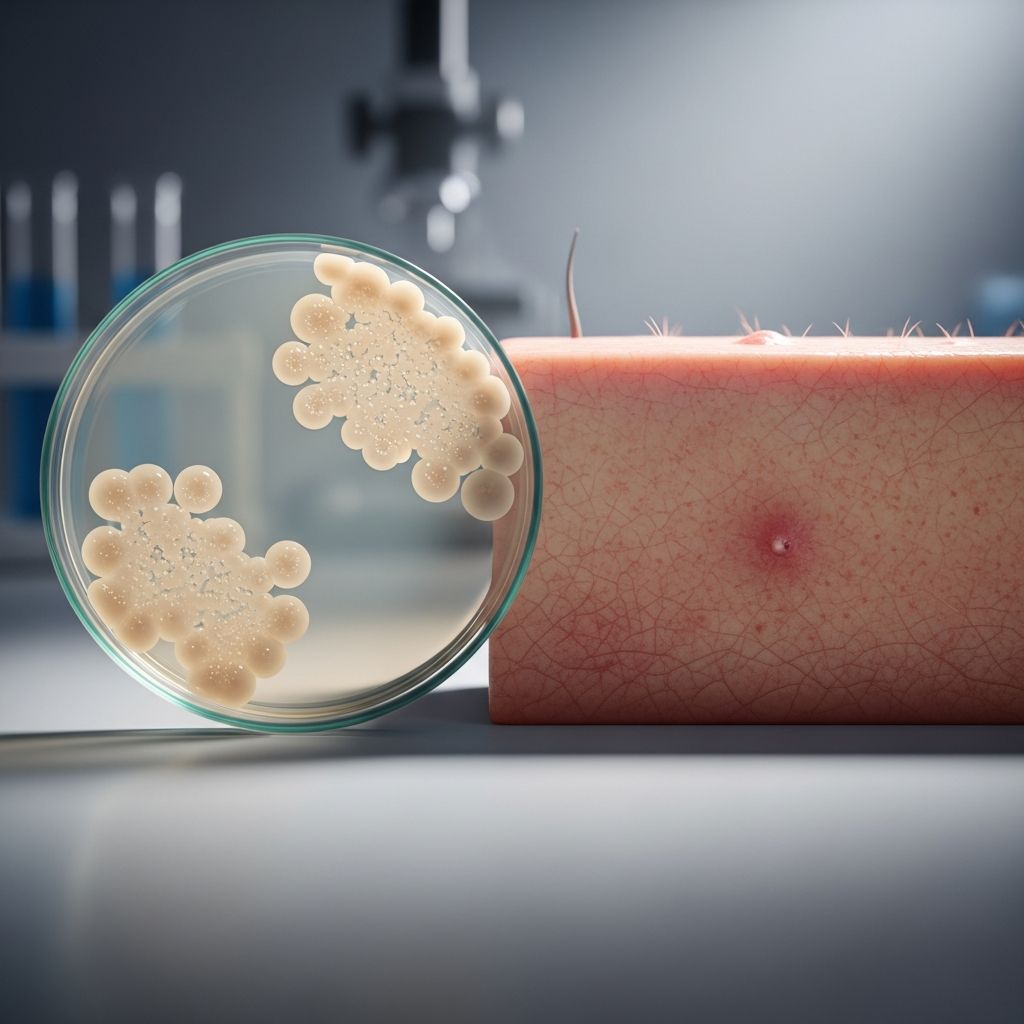
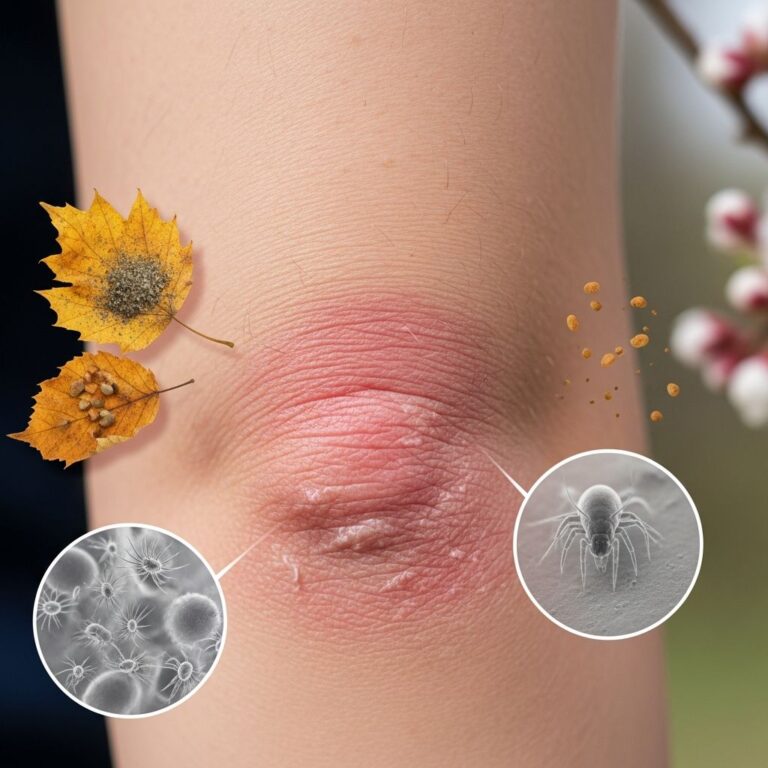
Candida overgrowth, a condition where the yeast Candida albicans proliferates beyond normal levels, may contribute to eczema flares by disrupting gut health and triggering inflammation that manifests on the skin.
Understanding Candida: A Normal Resident Turned Problem
Candida is a type of fungus naturally present in the mouth, intestines, and skin in small amounts, maintaining balance with beneficial bacteria. When this equilibrium shifts, overgrowth occurs, leading to candidiasis, which can affect various body parts including the gut, mouth, genitals, and skin.
Factors like prolonged antibiotic use disrupt the microbiome, allowing candida to dominate. High-sugar diets, stress, weakened immunity, and hormonal changes further promote this imbalance. In eczema patients, gut dysbiosis from candida may exacerbate skin barrier dysfunction and allergic responses.
Key Symptoms of Candida Overgrowth
Recognizing candida symptoms is crucial, especially for those with eczema, as overlapping signs can complicate diagnosis. Gastrointestinal issues often signal gut involvement:
- Persistent bloating and gas
- Indigestion and upper abdominal fullness
- Frequent diarrhea or nausea
- Belching after meals
Systemic effects include chronic fatigue, joint pain, and skin problems like red, itchy patches resembling eczema flares. Oral thrush presents as white tongue coatings, while vaginal candidiasis causes thick discharge and burning.
| Body Area | Common Symptoms |
|---|---|
| Gut | Bloating, gas, diarrhea |
| Skin | Red rashes, itching, eczema-like patches |
| Mouth | White patches, sore throat |
| Genital | Discharge, burning sensation |
These symptoms can mimic or worsen eczema, prompting investigation into candida as a root cause.
The Gut-Skin Connection in Eczema and Candida
The gut microbiome influences skin health via the gut-skin axis. Candida overgrowth in the intestines produces toxins that leak into the bloodstream, promoting systemic inflammation linked to atopic dermatitis (eczema). Studies show dysbiosis correlates with eczema severity, where fungal imbalances aggravate Th2 immune responses driving itch and barrier breakdown.
Antibiotics, common in eczema management for secondary infections, often precipitate candida surges, creating a vicious cycle. Addressing candida may reduce eczema triggers like food sensitivities and histamine intolerance.
Root Causes Behind Candida Proliferation
Several triggers enable candida dominance:
- Antibiotics: Kill good bacteria, allowing yeast takeover.
- Diet: Excess sugars and refined carbs feed yeast.
- Immune Suppression: Conditions like diabetes or stress impair defenses.
- Hormonal Shifts: Pregnancy or birth control alter pH and flora.
In eczema contexts, chronic inflammation and steroid use compound risks, making gut restoration essential.
Diagnostic Approaches for Candida and Eczema
Diagnosis starts with symptom review and history of antibiotic exposure. Stool tests like GI-MAP detect fungal levels and dysbiosis markers. Blood tests for candida antibodies or skin scrapings confirm overgrowth. For eczema patients, combining these with patch testing rules out allergens while targeting yeast.
Functional medicine emphasizes comprehensive panels to identify imbalances before treatment.
Conventional Treatments for Candida Management
Standard care relies on antifungal drugs like fluconazole or nystatin, which inhibit fungal cell walls and reduce growth. These are effective for acute infections, clearing symptoms in days to weeks. For oral or vaginal issues, topical creams like clotrimazole suffice.
Related Stories



However, recurrence is common without addressing root causes, particularly in eczema where gut health persists as an issue.
Functional Medicine Strategies for Lasting Relief
A holistic protocol targets candida while rebuilding the microbiome and supporting skin health. Key pillars include:
- Dietary Overhaul: Eliminate sugars, gluten, and processed foods; emphasize non-starchy veggies, lean proteins, and healthy fats.
- Antifungals: Natural options like caprylic acid outperform some synthetics in symptom relief.
- Probiotics: Strains like Lactobacillus restore balance.
Optimal Anti-Candida Diet Plan
A low-sugar, anti-inflammatory diet starves yeast. Focus on:
| Allowed Foods | Avoid Foods |
|---|---|
| Leafy greens, broccoli, zucchini | Sugars, sodas, fruits high in sugar |
| Chicken, fish, eggs | Bread, pasta, alcohol |
| Avocado, olive oil, nuts | Dairy (except yogurt), cheese |
| Low-sugar berries, fermented veggies | Mushrooms, vinegar |
Incorporate gluten-free grains and fermented foods gradually to repopulate good bacteria. This approach often improves eczema within weeks by reducing inflammation.
Powerful Supplements to Combat Overgrowth
Supplements enhance treatment:
- Caprylic Acid: Disrupts yeast membranes; superior for gut symptoms.
- Oregano Oil: Potent antimicrobial.
- Berberine: Supports microbiome balance.
- Probiotics: Saccharomyces boulardii prevents adhesion.
- Curcumin: Anti-inflammatory for skin relief.
Phase in over 4-6 weeks alongside diet for optimal results.
Lifestyle Adjustments for Prevention
Reduce stress via meditation, prioritize sleep, and exercise moderately to bolster immunity. Avoid unnecessary antibiotics and manage blood sugar.
Natural Remedies and Home Supports
Boric acid suppositories treat recurrent vaginal yeast effectively, with high cure rates. Coconut oil pulling aids oral thrush. Aloe vera and pomegranate extracts show promise in lab studies.
Potential Risks and When to Seek Help
Untreated overgrowth worsens eczema, fatigue, and digestion. Severe cases in immunocompromised individuals require urgent care. Consult providers for persistent symptoms or before starting supplements.
FAQs
What causes candida overgrowth in eczema patients?
Antibiotics, high-sugar diets, and immune stress disrupt gut flora, promoting yeast proliferation that inflames skin.
Can diet alone cure candida and eczema?
Diet starves yeast and reduces inflammation, but combine with antifungals for complete relief.
How long does candida treatment take?
Symptoms improve in 2 weeks; full balance may require 1-3 months.
Are probiotics safe for eczema?
Yes, specific strains support gut-skin health without flares.
Does candida cause skin rashes like eczema?
It can mimic or exacerbate eczema through inflammation.
References
- What is & What Causes Candida Overgrowth? — Mitchell Medical Group. Accessed 2026. https://www.mitchellmedicalgroup.com/services/candida/about-candida/
- A Functional Medicine Candida Overgrowth Protocol — Rupa Health. Accessed 2026. https://www.rupahealth.com/post/a-functional-medicine-candida-overgrowth-protocol
- Healing a Candida Overgrowth Naturally — NUNM. 2019-06. https://nunm.edu/2019/06/healing-candida/
- 6 Symptoms of Candida Overgrowth and Tips to Get Rid — Healthline. Accessed 2026. https://www.healthline.com/nutrition/candida-symptoms-treatment
- What Is Candidiasis? Yeast Infection Signs & Symptoms — Cleveland Clinic. Accessed 2026. https://my.clevelandclinic.org/health/diseases/23198-candidiasis
Similar Articles








Read full bio of Sneha Tete