Candida Overview: Causes, Symptoms, Diagnosis, And Treatment
Comprehensive guide to Candida infections: symptoms, causes, diagnosis, treatment, and prevention strategies for better health.
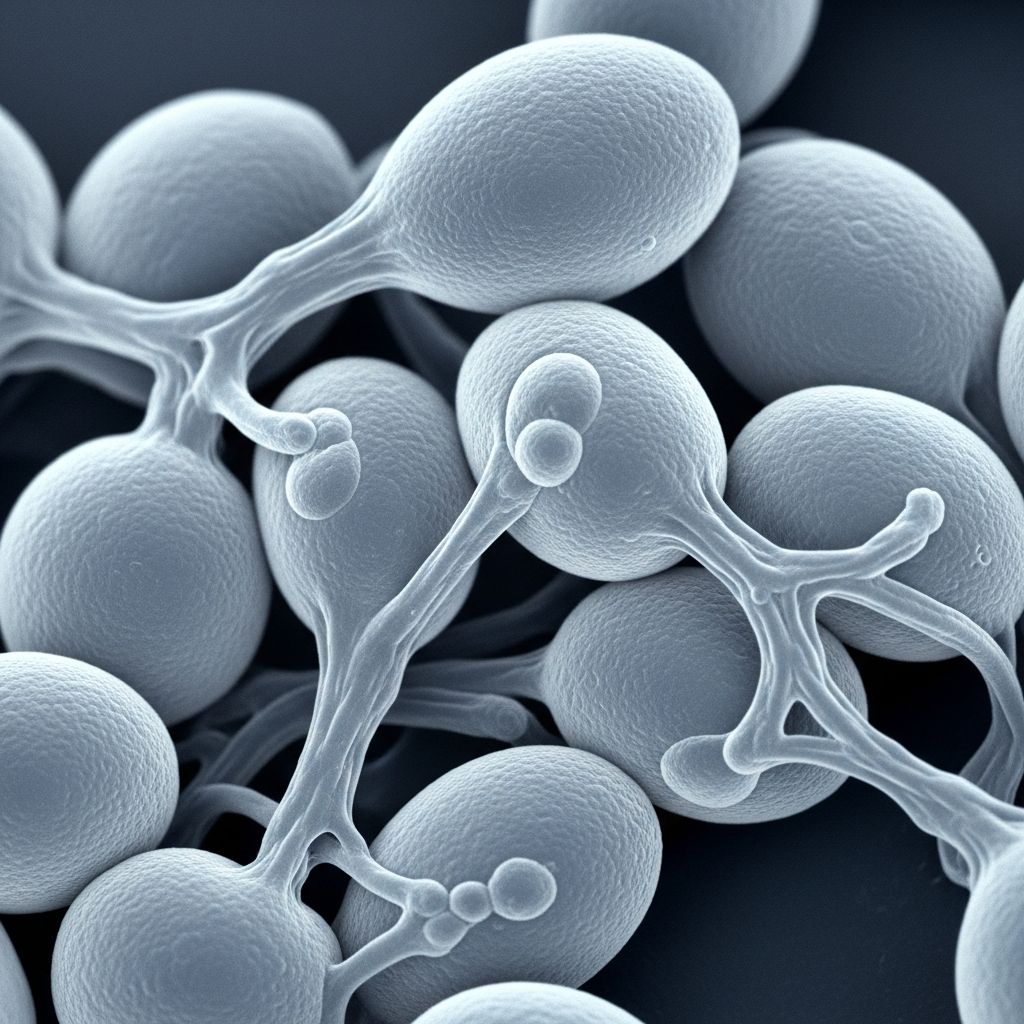
Candida is a type of yeast that naturally resides in the human body, primarily in the mouth, gut, skin, and genital areas. While typically harmless as part of the normal microbiome, it can overgrow and cause infections known as candidiasis when conditions disrupt microbial balance.
What Is Candida?
Candida refers to a genus of yeasts, with Candida albicans being the most common species responsible for infections in humans. This fungus exists as part of the normal flora in about 30-50% of healthy individuals, colonizing the oral cavity, gastrointestinal tract, vagina, and skin. It becomes problematic in opportunistic scenarios, leading to superficial or invasive infections.
Candidiasis, also called moniliasis or thrush, manifests in various forms depending on the affected site. Oral candidiasis affects the mouth mucosa, vaginal candidiasis causes yeast infections, cutaneous candidiasis targets skin folds, and systemic forms can invade organs in severe cases. These infections range from mild, treatable conditions to life-threatening sepsis in immunocompromised patients.
Symptoms of Candida Overgrowth
Symptoms vary by infection site but often include itching, redness, and discomfort. Early recognition aids prompt treatment to prevent spread.
Oral Candidiasis (Thrush)
Presents as white, creamy plaques on the tongue, inner cheeks, gums, or throat that can be wiped off, revealing red, inflamed mucosa. Other forms include red patches (atrophic), thick white lesions (hyperplastic), or angular cheilitis at mouth corners. Pain, burning, or altered taste may occur, especially in severe cases with extensive ulceration.
Vaginal and Penile Candidiasis
Vaginal symptoms include intense itching, thick white discharge resembling cottage cheese, redness, swelling, and painful intercourse or urination. Penile infections cause balanitis with redness, itching, and discharge under the foreskin.
Skin and Nail Infections
Cutaneous candidiasis thrives in warm, moist areas like armpits, groin, under breasts, or diaper regions. Signs include red rashes with satellite lesions, intense itching, pustules, and cracking. Nail infections (onychomycosis) lead to thickened, discolored nails and paronychia (swollen, pus-filled cuticles).
Systemic Candidiasis
Rare but serious, symptoms mimic sepsis: fever, chills, fatigue, organ dysfunction. It affects blood, heart, brain, or eyes, primarily in hospitalized or immunocompromised patients.
What Causes Candida Infections?
Candida infections arise when the yeast overgrows due to disrupted microbial balance or weakened defenses. Candida albicans is opportunistic, exploiting favorable conditions.
- Antibiotic Use: Broad-spectrum antibiotics kill beneficial bacteria, allowing Candida to proliferate. Common trigger for oral thrush and vaginal yeast infections.
- Immunosuppression: HIV/AIDS, cancer chemotherapy, corticosteroids, or organ transplants reduce immune surveillance. Over 90% of HIV patients experience oral candidiasis.
- Diabetes: High blood sugar feeds yeast growth, increasing skin and vaginal infection risk.
- Hormonal Changes: Pregnancy, oral contraceptives elevate estrogen, promoting vaginal colonization.
- Other Factors: Obesity, poor hygiene, dentures, infancy (diaper rash), IV catheters, prolonged hospitalization.
Related Stories



Pathophysiology involves Candida forming hyphae that invade tissues, producing biofilms resistant to treatment. In the gut, translocation through breached mucosa enters the bloodstream.
Risk Factors for Developing Candida Infections
Certain groups face higher risks due to predisposing conditions. Identifying these enables targeted prevention.
| Risk Factor | Affected Sites | Examples |
|---|---|---|
| Immunocompromised | Oral, systemic | HIV, chemotherapy, steroids |
| Antibiotic Therapy | Oral, vaginal, skin | Recent broad-spectrum use |
| Diabetes Mellitus | Skin, vaginal, oral | Poorly controlled blood sugar |
| Infants/Obese | Diaper area, folds | Moist environments |
| Hospitalized Patients | Bloodstream, invasive | Catheters, ventilators |
Neonates, elderly denture wearers, and pregnant women also vulnerable. Chronic mucocutaneous candidiasis links to genetic immunodeficiencies.
How to Diagnose Candida Infections
Diagnosis combines clinical evaluation and lab tests for confirmation.
- Clinical Exam: Visual inspection identifies characteristic lesions. Skin scrapings reveal yeast under microscope.
- KOH Prep: Potassium hydroxide dissolves skin cells, highlighting budding yeast and hyphae.
- Culture: Swabs grown on media identify species; useful for treatment-resistant cases.
- Biopsy: For hyperplastic or invasive forms, tissue shows pseudohyphae invasion.
- Blood Tests: Beta-D-glucan or mannan antigens detect systemic infection; PCR for rapid identification.
Rule out diabetes in recurrent skin/oral cases via blood glucose testing.
Treatments for Candida Infections
Treatment targets the site and severity, using topical or systemic antifungals. Address underlying causes.
Topical Therapies
- Clotrimazole, miconazole creams/lozenges for oral/skin/vaginal use.
- Nystatin for thrush in infants/elderly; minimal absorption.
- Terbinafine for nail infections.
Oral/Systemic Antifungals
- Fluconazole: First-line for mucosal/systemic; 150mg single dose for vaginal, 100-200mg daily for others.
- Itraconazole/Ketoconazole: Alternatives for resistant strains.
- Echinocandins (Caspofungin): IV for invasive candidiasis in ICU.
Supportive: Keep areas dry, use powders, control blood sugar, discontinue unnecessary antibiotics.
Prevention Tips for Candida Infections
Preventive measures maintain microbial balance and reduce risks.
- Wear breathable cotton underwear; avoid tight clothing.
- Maintain hygiene: Dry skin folds, clean dentures nightly.
- Probiotics post-antibiotics restore gut flora.
- Control diabetes; limit sugar intake.
- Avoid douching/self-medication; complete antifungal courses.
When to See a Doctor for Candida
Seek care for persistent symptoms, recurrence, fever, or immunocompromise. Untreated infections risk dissemination.
- Symptoms >1 week despite OTC treatment.
- Infants, pregnant, diabetics with rashes/thrush.
- Systemic signs: High fever, confusion.
Frequently Asked Questions (FAQs)
What is Candida?
Candida is a yeast naturally present in the body that can cause infections when it overgrows.
Is Candida contagious?
Rarely; not typically spread person-to-person except in vulnerable settings like weakened immunity.
How long do Candida infections last?
Most resolve in days with treatment; systemic cases take weeks.
Can diet prevent Candida?
Low-sugar diets may help, but evidence limited; focus on hygiene and risk management.
What if antifungals fail?
Indicates resistance; requires culture-guided therapy.
References
- Candidiasis – StatPearls — Kang S, Maglott E, et al. National Center for Biotechnology Information (NCBI). 2023-10-24. https://www.ncbi.nlm.nih.gov/books/NBK560624/
- Candida infection of the skin — MedlinePlus Medical Encyclopedia. U.S. National Library of Medicine. 2024-10-09. https://medlineplus.gov/ency/article/000880.htm
Similar Articles








Read full bio of Sneha Tete