Candida: Comprehensive Guide To Causes, Symptoms, And Treatment
Comprehensive guide to Candida infections: causes, symptoms, diagnosis, and effective treatments for skin, mouth, and genital thrush.
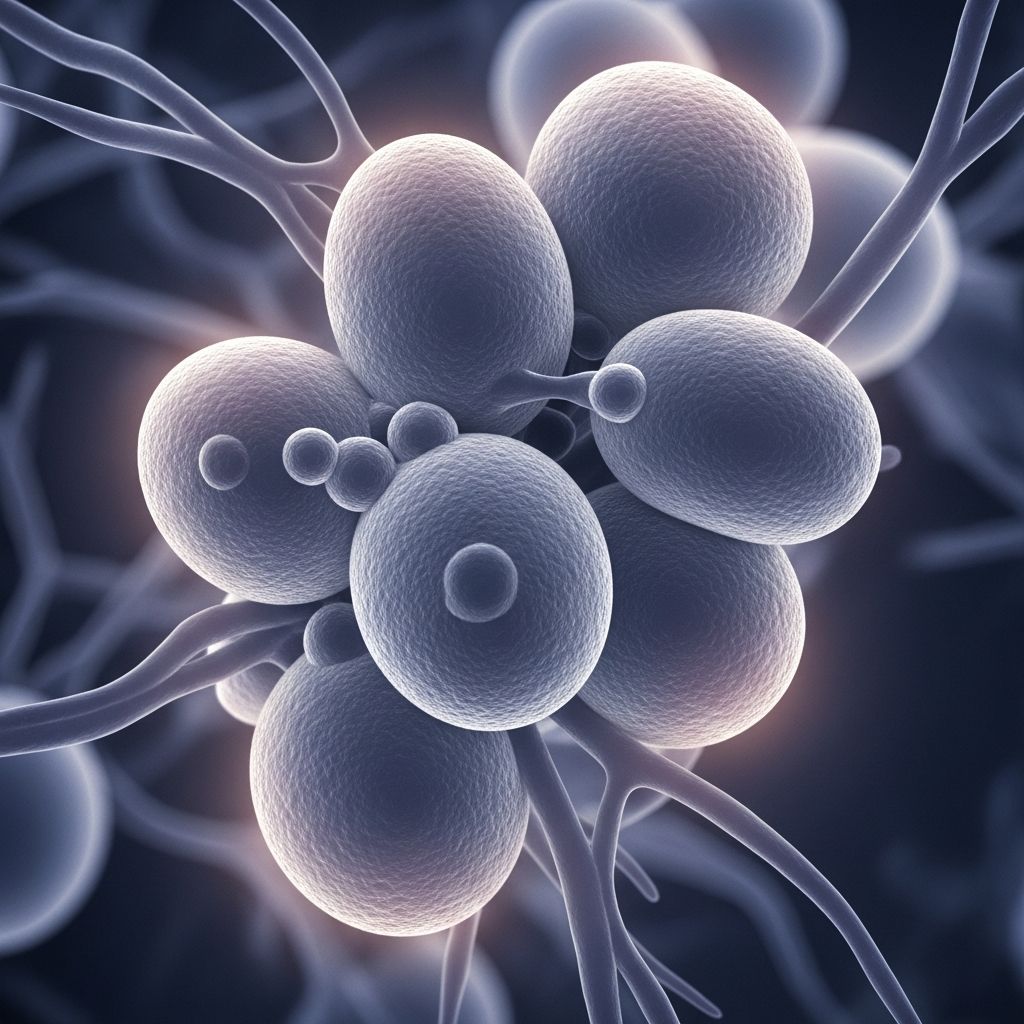
Candida refers to a group of yeasts that commonly cause infections known as candidiasis, thrush, or yeast infections on the skin, mucous membranes, and occasionally nails. These infections arise when the normally harmless yeast overgrows due to disrupted host defenses.
What is candida?
Candida species are fungi that naturally inhabit the human digestive tract, mouth, and skin from early infancy without causing harm under normal conditions. The name ‘candida’ derives from the white appearance of their colonies in culture. While over 200 species exist, Candida albicans is the most frequent culprit in human infections, accounting for the majority of cases. Other notable species include C. glabrata, C. tropicalis, C. parapsilosis, and C. krusei.
Candida requires a living host to survive as an obligate parasite. It becomes pathogenic when local or systemic immunity weakens, leading to superficial infections of mucosa (mouth, genitals, anus) or skin, and rarely invasive disease in immunocompromised individuals.
Who gets candida?
Candidal infections affect people of all ages but are more prevalent in certain groups. Risk factors include:
- Infants and young children due to immature immunity.
- Older adults, especially denture wearers.
- Obese individuals, as skin folds trap moisture.
- Diabetics with poor glycemic control, promoting yeast growth.
- Immunosuppressed patients (HIV/AIDS, chemotherapy, corticosteroids).
- Those on broad-spectrum antibiotics, which disrupt normal flora.
- Hospitalized patients with indwelling catheters or IV lines.
- Pregnant women due to hormonal changes.
- People in hot, humid climates or those wearing occlusive clothing.
Healthy individuals can carry Candida asymptomatically; for example, it colonizes 50% of healthy mouths harmlessly.
What causes candida?
Candida overgrowth occurs when host defenses falter. Key predisposing factors encompass:
- Local factors: Moisture, warmth, occlusion (e.g., skin folds, diapers, dentures).
- Systemic factors: Diabetes mellitus, immunodeficiency, malignancies, organ transplants.
- Iatrogenic: Antibiotics, oral contraceptives, inhaled/topical steroids, chemotherapy.
- Other: Malnutrition, zinc deficiency, smoking.
Non-albicans species like C. glabrata often emerge in recurrent or treatment-resistant cases.
What are the clinical features of candida infection?
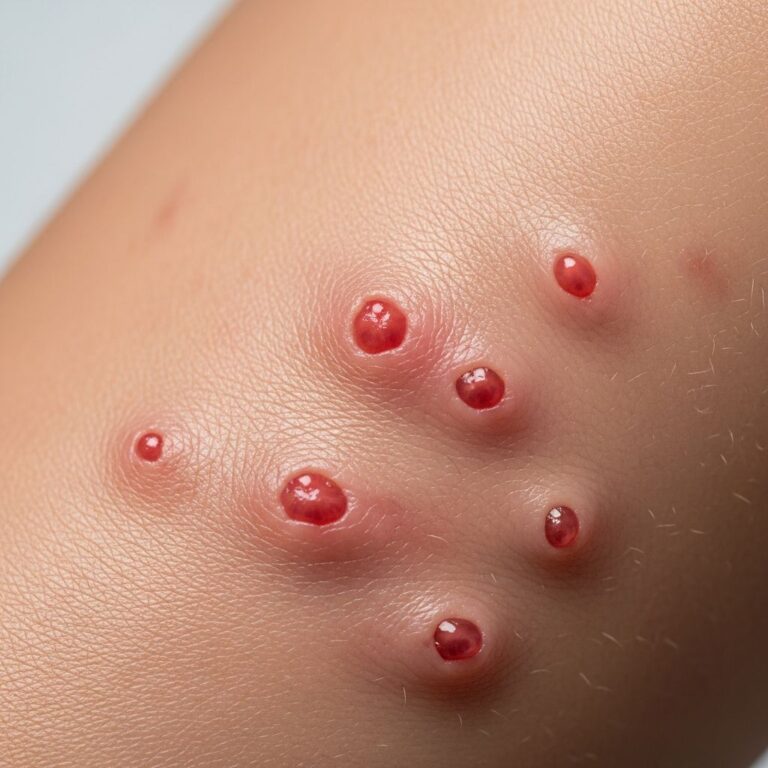
Candidiasis manifests differently by site, but common signs include erythematous plaques, white patches, maceration, fissuring, and satellite pustules. Characteristically, it produces red and white patches on mucosa and moist, eroded skin in flexures with peripheral papulopustules.
Cutaneous candidiasis
Skin infections favor warm, moist areas:
- Intertrigo: Bright red plaques in flexures (axillae, groin, inframammary, interdigital), with fissuring, peeling, and satellite lesions.
- Diaper rash: Persistent red plaques with satellites in infants.
- Napkin dermatitis: Similar to diaper rash but severe.
- Angular cheilitis: Fissured corners of the mouth.
- Balanitis: Glans penis erythema, often with smegma-like discharge.
- Inverse psoriasis mimic: Secondary colonization.
Oral candidiasis (thrush)
Presents as white plaques on buccal mucosa, tongue, palate resembling cottage cheese, scrapable to reveal red base. Subtypes include:
- Pseudomembranous: Classic white patches.
- Erythematous: Red atrophic patches.
- Hyperplastic: White adherent plaques (pre-malignant risk).
- Median rhomboid glossitis: Central tongue red patch.
Related Stories



Severe cases extend to esophagus, causing dysphagia.
Genital candidiasis
- Vulvovaginal: Thick curd-like discharge, vulval burning/itching, labial edema (affects 75% of women once). Precipitated by intercourse, antibiotics, pregnancy.
- Balanitis: Glans erythema, itching, discharge.
Nail and paronychium
Chronic paronychia: Swollen, boggy nail folds (wet work occupations), onycholysis, nail dystrophy.
Pathology
Histology shows spongiosis, acanthosis, intraepidermal neutrophils (spongiform pustules), and yeast forms/pseudohyphae in stratum corneum. PAS/GMS stains highlight fungi. Differs from dermatophytes (septate hyphae) and bacteria.
Diagnosis of candida
Primarily clinical, confirmed by microscopy/culture of swabs/scrapings. KOH prep reveals budding yeasts and pseudohyphae (pseudomycelium). Culture on Sabouraud agar identifies species; sensitivity testing for non-albicans.
Positive culture requires clinical correlation, as Candida colonizes harmlessly or secondarily infects psoriasis. For vaginal cases, swabs may mislead; repeat if recurrent. Advanced: PCR, germ tube test. Nail clippings for onychomycosis.
Treatment of candida
Focus on eliminating yeast, drying area, addressing predispositions. Topical antifungals suffice for most; systemic for extensive/refractory cases.
General measures
- Keep skin clean/dry: Wash, dry thoroughly (hairdryer for folds), loose clothing, dusting powders.
- Optimize diabetes control, denture hygiene, avoid irritants.
Skin candidiasis
Miconazole/clotrimazole cream 1-2x daily for 2-4 weeks. Combine with mild steroid (e.g., Viaderm KC) for inflammation. Prophylaxis: 3B cream/antiperspirants.
Oral candidiasis
Topical: Nystatin drops/pastilles, miconazole gel/oral gel. Mouthwashes: Gentian violet, chlorhexidine. Dentures: Soak in antifungal.
Systemic: Fluconazole 50-100mg daily for 7-14 days if persistent. Continue 1-4 weeks or 7 days post-clearance.
Vaginal candidiasis
Intraviginal: Clotrimazole 500mg single-dose pessary or 100mg x6; miconazole 2% cream. Repeat if needed. Oral fluconazole for recurrent.
Balanitis
Wash glans with water, dry, apply topical antifungal ± steroid.
Paronychia/Onychomycosis
Avoid wet work, topical clotrimazole/ciclopirox solution. Severe: Oral fluconazole. Dermatologist referral for biopsy if chronic.
Non-albicans may require azoles or amphotericin.
Complications
Chronic mucocutaneous candidiasis (genetic immunodeficiency). Invasive in neonates/immunosuppressed (endocarditis, peritonitis). Pre-malignant hyperplastic oral lesions.
Prevention
- Good hygiene: Dry folds, oral care, denture cleaning.
- Avoid triggers: Tight clothes, prolonged antibiotics.
- Prophylaxis in high-risk (e.g., HIV, post-transplant): Topical/systemic.
Evidence for yogurt in candidiasis
Limited evidence supports yogurt for prevention/treatment of recurrent vaginal candidiasis; probiotics may help restore flora but not proven superior to antifungals.
Frequently Asked Questions (FAQs)
Q: Is candida contagious?
A: Superficial candidiasis spreads via contact in moist environments (e.g., shared towels) but requires predisposition; not highly contagious like viruses.
Q: Can candida affect nails?
A: Yes, causing chronic paronychia and onycholysis, especially in wet occupations.
Q: How long does treatment take?
A: Topical: 1-4 weeks; continue 7 days post-clearance. Recurrent needs longer courses.
Q: Is fluconazole safe for all?
A: Avoid in pregnancy/breastfeeding without advice; monitor liver in prolonged use.
Q: Does diet affect candida?
A: Reduce sugars in diabetics; no strong evidence for ‘candida diet’ in healthy.
References
- Fungal skin infections. Candida – DermNet — DermNet NZ. 2009 (updated). https://dermnetnz.org/cme/fungal-infections/candida-infection
- Candida (Candidiasis, Thrush, Yeast Infection) – DermNet — DermNet NZ. https://dermnetnz.org/topics/candida
- Candidiasis pathology – DermNet — DermNet NZ. https://dermnetnz.org/topics/candidiasis-pathology
- Oral candidiasis – DermNet — DermNet NZ. https://dermnetnz.org/topics/oral-candidiasis
- FUNGAL INFECTIONS – Best Practice Advocacy Centre New Zealand — bpac.org.nz. 2011-03. https://bpac.org.nz/BT/2011/March/docs/best_tests_mar2011_fungal_infections_pages8-11.pdf
- Vulvovaginal candidiasis (vaginal thrush) – DermNet — DermNet NZ. https://dermnetnz.org/topics/vulvovaginal-candidiasis
Similar Articles








Read full bio of Sneha Tete