Candidiasis Of Skin Folds: Symptoms, Diagnosis, Treatment
Comprehensive guide to candidal intertrigo: causes, symptoms, diagnosis, and effective treatments for skin fold infections.
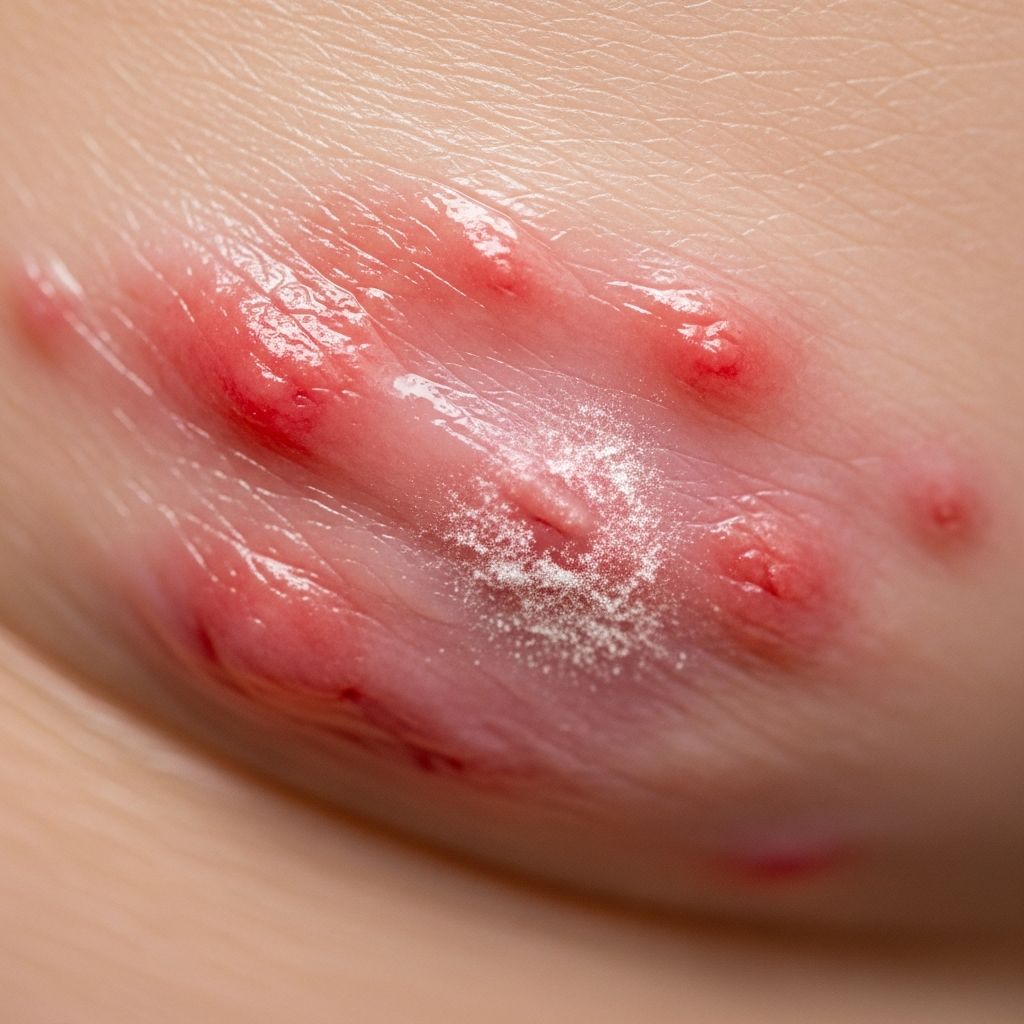
Candidal intertrigo is a superficial infection of the skin folds caused by the yeast Candida, most commonly Candida albicans. This condition thrives in warm, moist environments, leading to erythematous plaques with satellite lesions in flexural areas.
What is candidal intertrigo?
Candidal intertrigo, also known as
candidiasis of the skin folds
, refers to a yeast infection specifically affecting areas where skin rubs against skin, such as the groin, axillae, and inframammary regions. The yeast Candida overgrows in these occluded, humid sites, causing inflammation, maceration, and characteristic satellite papules or pustules. Unlike bacterial intertrigo, candidal forms feature moist fissuring with peripheral superficial lesions.This infection is distinct from other candidiasis types like oral thrush or vaginal yeast infections but shares the same causative organism. It is particularly prevalent in obese individuals, diabetics, and those in hot climates where perspiration exacerbates moisture retention.
Who gets candidal intertrigo?
Candidal intertrigo affects individuals predisposed to moisture-trapped skin folds. Key risk groups include:
- Obese persons, due to deeper skin folds
- Diabetics, as high blood sugar promotes yeast growth
- Infants in the diaper area
- Immunocompromised patients (e.g., HIV, chemotherapy)
- Those using systemic corticosteroids or antibiotics, which disrupt normal flora
- People in warm, humid environments or wearing tight clothing
Women are more commonly affected due to inframammary and abdominal folds, while men may experience it in the groin or under the scrotum.
Causes of candidal intertrigo
The primary cause is overgrowth of Candida species, normally commensal on skin and mucosa, in response to favorable conditions. Triggering factors include:
- Occlusion and moisture: Skin folds trap sweat, preventing evaporation
- Friction: Rubbing irritates skin, facilitating yeast invasion
- Host factors: Hyperglycemia in diabetes feeds yeast; immunosuppression reduces defenses
- Secondary colonization: May overlay psoriasis or eczema
Candida albicans is the most frequent culprit, though other species like C. tropicalis or C. glabrata can be involved. The infection is usually not contagious but can spread in vulnerable individuals.
Clinical features
Candidal intertrigo presents with well-defined
erythematous and macerated plaques
accompanied byperipheral scaling
. Key features include:- Bright red, moist patches with fissuring
- Satellite papules or pustules: Small, superficial lesions at the periphery, hallmark of candida
- Itching, burning, or soreness
- Potential for secondary bacterial infection causing odor or crusting
Affected sites:
- Inframammary folds (under breasts)
- Axillae (armpits)
- Abdominal folds
- Groin and gluteal cleft
- Finger webs and toe webs
- Neck creases in infants
- Diaper area in babies
In severe cases, plaques may weep, crack, or develop erosions. Images typically show sharply demarcated red patches with tiny pustules extending outward.
Diagnosis
Diagnosis relies on
clinical recognition
of erythematous plaques with satellite lesions in moist folds. Confirmation involves:- Fungal microscopy: KOH preparation reveals yeast pseudohyphae and spores from scrapings
- Culture: Swabs or scrapings on Sabouraud agar identify Candida species
- Wood lamp: May show no fluorescence (distinguishes from erythrasma)
Skin biopsy is rarely needed but shows yeast in the stratum corneum. Positive culture alone does not confirm infection, as Candida can colonize without pathology.
Related Stories



Differential diagnoses
Other flexural rashes mimic candidal intertrigo. Key differentials include:
| Condition | Distinguishing Features |
|---|---|
| Bacterial intertrigo | Foul odor, pustules without satellites, responds to antibiotics |
| Inverse psoriasis | Well-demarcated, no satellites, nail pitting, family history |
| Seborrhoeic dermatitis | Greasy scales, central face involvement |
| Tinea corporis | Annular plaques, hyphae on KOH, responds to terbinafine |
| Erythrasma | Coral-red under Wood lamp, Corynebacterium |
| Contact dermatitis | History of irritant exposure, no satellites |
Systemic conditions like zinc deficiency or glucagonoma may present similarly but are rarer.
Treatment
Management focuses on
drying the area
andantifungal therapy
. Steps include:- Hygiene: Gentle cleansing with soap, thorough drying (use hairdryer on cool), absorbent powders
- Barrier creams: Zinc oxide or petrolatum to reduce friction
- Topical antifungals: First-line: clotrimazole, miconazole, or terbinafine cream twice daily for 2-4 weeks
For inflamed cases, combine with mild topical steroid (e.g., hydrocortisone 1%) but limit to 7-10 days. Severe or recurrent infections warrant oral fluconazole (150mg weekly for 2-4 weeks).
In diabetics, optimize glycemic control. Obese patients benefit from weight loss. Prophylaxis: dusting powders, antiperspirants in high-risk folds.
Diaper candidiasis in infants: nappy changes, barrier creams, topical nystatin.
Outlook and prevention
With treatment, candidal intertrigo resolves in 1-2 weeks. Untreated, it may persist, spread, or lead to cellulitis in immunocompromised hosts. Prevention emphasizes dryness: loose clothing, weight management, diabetes control.
Frequently Asked Questions (FAQs)
Is candidal intertrigo contagious?
Generally no, but those with weakened immunity may acquire it from contact.
How long does it take to clear with treatment?
Typically 1-2 weeks with antifungals; continue 1-2 weeks post-resolution to prevent relapse.
Can it affect babies?
Yes, common in diaper rash as a secondary infection.
What if topical creams don’t work?
Seek oral antifungals or investigate underlying conditions like diabetes.
Does diet affect candidal intertrigo?
High-sugar diets worsen it in diabetics; low-glycemic control helps.
References
- Candidiasis of the Skin: Causes, Symptoms, and Treatment — Healthline. 2023-10-15. https://www.healthline.com/health/skin/cutaneous-candidiasis
- Fungal skin infections. Candida — DermNet NZ. 2024-05-20. https://dermnetnz.org/cme/fungal-infections/candida-infection
- Candidal Intertrigo — DermNet NZ. 2024-08-12. https://dermnetnz.org/topics/candidiasis-of-skin-folds
- Intertrigo — StatPearls, NCBI Bookshelf. 2023-11-03. https://www.ncbi.nlm.nih.gov/books/NBK531489/
- Intertrigo — DermNet NZ. 2024-07-18. https://dermnetnz.org/topics/intertrigo
- Candida (Candidiasis, Thrush, Yeast Infection) — DermNet NZ. 2024-02-10. https://dermnetnz.org/topics/candida
Similar Articles








Read full bio of medha deb