Candidiasis: Symptoms, Causes, and Treatment
Understanding candidiasis: causes, symptoms, diagnosis, and effective treatment options.
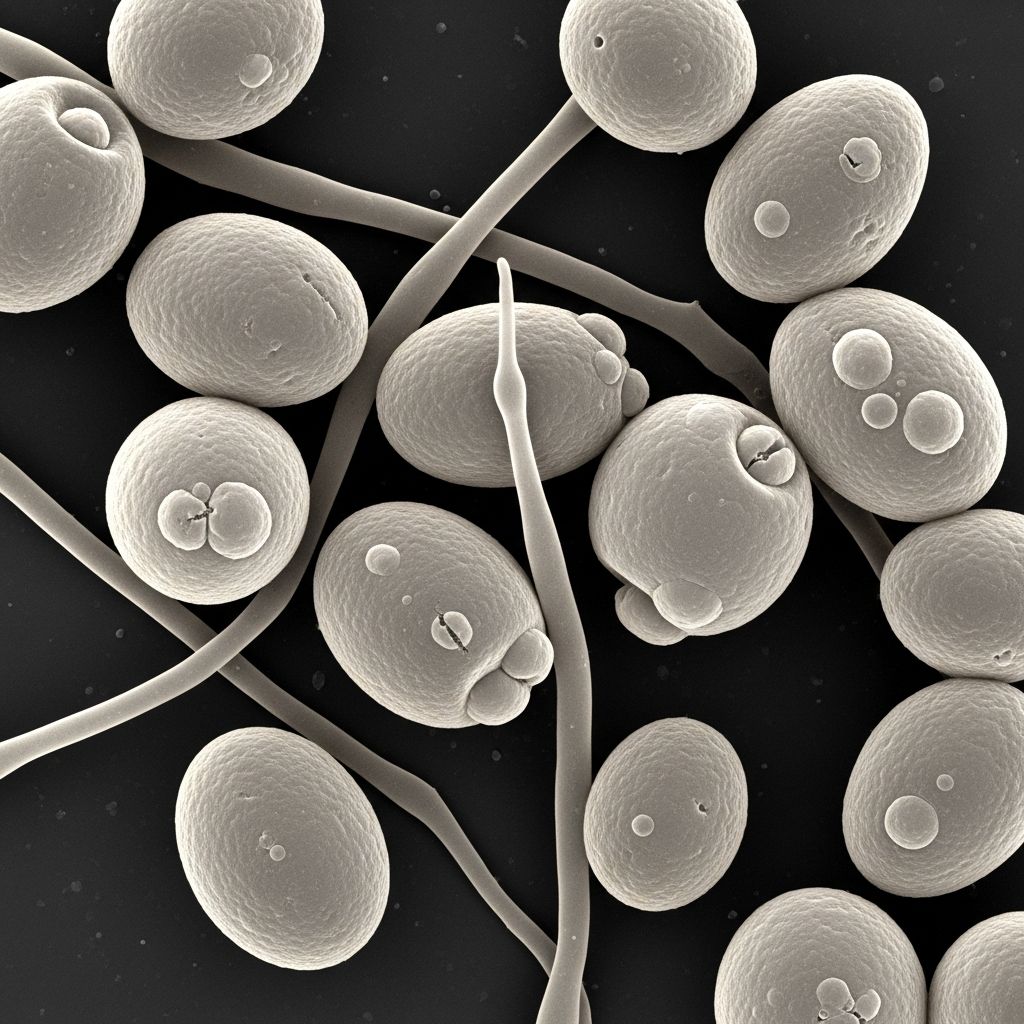
Understanding Candidiasis: What You Need to Know
Candidiasis, commonly known as a yeast infection, is a fungal infection caused by species of the Candida fungus, with Candida albicans being the most prevalent causative agent. This condition affects millions of people worldwide and can manifest in various forms, ranging from mild superficial infections to serious invasive disease. While many people associate candidiasis with vaginal yeast infections, the condition can occur in numerous locations on the body and in various organ systems. Understanding the nature of candidiasis, its causes, symptoms, and treatment options is essential for anyone experiencing symptoms or at risk for this common fungal infection.
What Causes Candidiasis?
Candida species are naturally present in the human body as part of the normal flora, colonizing areas such as the gastrointestinal tract, genitourinary system, and skin surfaces. Under normal circumstances, the immune system and beneficial bacteria keep Candida growth in check. However, when the balance is disrupted, Candida can multiply excessively and cause infection.
Several factors can contribute to the development of candidiasis:
- Weakened immune system due to HIV/AIDS, cancer treatment, or immunosuppressive medications
- Prolonged use of antibiotics that kill beneficial bacteria
- Uncontrolled diabetes or poor blood sugar management
- Pregnancy and hormonal changes
- Corticosteroid use, particularly inhaled steroids
- Poor hygiene or moisture-prone environments
- Recent hospitalization or invasive medical procedures
- Prolonged catheter use or other indwelling devices
Types of Candidiasis
Candidiasis can present in different forms depending on the affected body area and the severity of infection. Understanding these types helps in proper diagnosis and treatment planning.
Mucosal Candidiasis
Mucosal candidiasis affects the membranes lining various body cavities and is among the most common forms of candidiasis. This includes oral candidiasis (thrush), esophageal candidiasis, and vaginal yeast infections. Oral candidiasis typically presents as white patches or plaques in the mouth, throat, or tongue, often accompanied by a burning sensation or difficulty swallowing. Vaginal candidiasis causes itching, burning, and thick white discharge. These infections are generally treatable with topical or systemic azole antifungal medications.
Cutaneous Candidiasis
Cutaneous candidiasis affects the skin and typically occurs in warm, moist areas such as skin folds, under breasts, or in diaper areas. Symptoms include redness, itching, burning, and sometimes a rash with satellite lesions. This type is common in individuals with poor hygiene, obesity, or diabetes.
Invasive Candidiasis
Invasive candidiasis occurs when Candida enters the bloodstream and spreads to internal organs, including the heart, brain, kidneys, and liver. This is a serious condition that primarily affects hospitalized patients, particularly those in intensive care units, those with severe immunosuppression, or those with indwelling medical devices. Acute hematogenous candidiasis and disseminated candidiasis are the most serious forms and require immediate medical intervention.
Recognizing Symptoms of Candidiasis
Symptoms of candidiasis vary depending on the type and location of infection. Early recognition can facilitate prompt treatment and prevent complications.
Oral Candidiasis Symptoms
- White patches or plaques in the mouth, tongue, or throat
- Burning or discomfort in the mouth
- Difficulty swallowing
- Loss of taste
- Cracked corners of the mouth
- Red or swollen tissues beneath patches
Related Stories



Vaginal Candidiasis Symptoms
- Intense itching and burning in the vaginal area
- Thick, white, cottage-cheese-like discharge
- Burning during urination or intercourse
- Redness and swelling of the vulva
- Pain during sexual intercourse
Cutaneous Candidiasis Symptoms
- Red, raised rash
- Itching and burning sensations
- Satellite lesions around the main rash
- Skin maceration and breakdown
- Pustules or pustular lesions
Invasive Candidiasis Symptoms
- Fever that does not respond to antibiotics
- Blood culture positive for Candida
- Organ dysfunction depending on affected area
- Shock or sepsis in severe cases
- Symptoms related to endocarditis, meningitis, or other organ involvement
Risk Factors for Candidiasis
Certain populations face elevated risk for developing candidiasis. Understanding these risk factors can help in prevention and early detection.
| Risk Factor | Associated Group | Impact |
|---|---|---|
| Immunosuppression | HIV/AIDS patients, transplant recipients, cancer patients | Significantly increased risk for invasive disease |
| Hospitalization | ICU patients, those on prolonged antibiotics | Increased risk for invasive candidiasis |
| Diabetes | Uncontrolled diabetes patients | Higher glucose levels promote Candida growth |
| Indwelling Devices | Central venous catheter users, ventilated patients | Biofilm formation increases invasive risk |
| Antibiotic Use | Patients on broad-spectrum antibiotics | Disrupts normal flora balance |
| Pregnancy | Pregnant women | Hormonal changes increase susceptibility |
| Corticosteroid Use | Asthma patients, immunosuppressed patients | Suppresses local immune response |
Diagnosis of Candidiasis
Accurate diagnosis is crucial for appropriate treatment. Healthcare providers use various diagnostic methods depending on the suspected type of candidiasis.
Clinical Examination
For superficial infections, clinical examination often provides sufficient evidence for diagnosis. Oral candidiasis presents characteristic white patches, while vaginal candidiasis shows typical discharge and inflammation patterns.
Laboratory Testing
Laboratory confirmation involves several approaches. KOH (potassium hydroxide) preparation allows visualization of yeast cells and pseudohyphae under microscopy. Gram stain and calcofluor white staining are additional microscopic methods. Cultures can identify the specific Candida species and allow for antifungal susceptibility testing, which is particularly important for non-albicans species or recurrent infections. For invasive candidiasis, blood cultures and molecular diagnostic tools such as T2Candida—a nano diagnostic tool utilizing magnetic resonance technology—can detect Candida directly in blood samples with results available in hours rather than days.
Specialized Diagnostics
Beta-D-glucan testing measures fungal cell wall components, with levels above 60-80 pg/ml suggesting invasive disease. Candida antigen detection and PCR (polymerase chain reaction) testing provide rapid identification in severe cases.
Treatment Options for Candidiasis
Treatment approaches vary based on the type, severity, and location of candidiasis. Multiple antifungal medications are available, each with specific indications and efficacy profiles.
Topical Treatments
For mucosal and cutaneous candidiasis, topical azole antifungals such as clotrimazole, miconazole, and terbinafine are effective first-line options. Nystatin remains useful for oral candidiasis. These medications directly address infection with minimal systemic absorption and are safe for most patient populations.
Systemic Antifungal Therapy
Azole antifungals, including fluconazole, itraconazole, and voriconazole, represent the dominant therapy for systemic mucosal infections. These oral or intravenous agents are well-tolerated and readily available. However, resistance can develop with prolonged or repeated exposure, particularly with non-albicans species such as Candida glabrata and Candida krusei.
For invasive candidiasis, amphotericin B-based preparations offer broad-spectrum coverage, particularly against non-albicans species. Echinocandin antifungals such as caspofungin, micafungin, and anidulafungin provide excellent activity against most Candida species and are frequently used for serious infections.
Combination Therapy
In severe invasive candidiasis, combination therapy may be warranted. Flucytosine demonstrates activity against many Candida isolates and can be combined with amphotericin B for synergistic effects, though it is infrequently used in current practice.
Managing Recurrent Candidiasis
Recurrent mucosal candidiasis presents a significant clinical challenge. Some patients experience repeated relapses despite appropriate treatment. This can result from identifiable causes such as uncontrolled HIV infection or may remain cryptic, as in relapsing vaginitis in otherwise healthy women. Strategies to manage recurrence include identifying and correcting underlying immunologic defects, optimizing glucose control in diabetic patients, addressing antibiotic use when possible, and considering prophylactic antifungal therapy in high-risk individuals. Vigilance regarding antifungal resistance development is essential when prolonged or repeated therapy is necessary.
Prevention Strategies
Several preventive measures can reduce candidiasis risk, particularly in vulnerable populations:
- Maintain good oral hygiene with regular brushing and dental care
- Keep skin dry, especially in areas prone to moisture accumulation
- Control blood sugar levels in diabetic patients
- Use antibiotics judiciously and only when medically necessary
- Wear breathable clothing and avoid irritants in the vaginal area
- Consider prophylactic antifungal therapy for high-risk hospitalized patients
- Remove or replace indwelling catheters as soon as clinically feasible
- Maintain proper nutritional status to support immune function
- Manage HIV infection and other immunocompromising conditions aggressively
When to Seek Medical Care
While many cases of candidiasis are self-limited or easily treated, certain situations warrant immediate medical attention. Seek care if you experience severe symptoms, signs of systemic infection including fever or chills, difficulty swallowing, symptoms persisting beyond two weeks despite treatment, recurrent infections, symptoms accompanied by vaginal bleeding or abnormal discharge patterns, or signs of invasive infection in immunocompromised individuals.
Frequently Asked Questions
Q: Can candidiasis be transmitted sexually?
A: While Candida can be transmitted between sexual partners, vaginal yeast infections are typically not considered sexually transmitted infections in the traditional sense. However, partners of affected individuals may develop symptoms and should be evaluated if they experience symptoms.
Q: How long does candidiasis treatment take?
A: Treatment duration varies by infection type. Vaginal candidiasis typically resolves within 7-14 days of treatment. Oral candidiasis usually improves within 1-2 weeks. Invasive candidiasis requires weeks to months of therapy depending on severity.
Q: Can I treat candidiasis at home?
A: Over-the-counter antifungal treatments are available for vaginal yeast infections and mild cutaneous candidiasis. However, oral candidiasis and suspected invasive disease require professional diagnosis and prescription treatment.
Q: What causes antifungal resistance?
A: Antifungal resistance develops through prolonged or repeated exposure to antifungal medications, particularly with certain non-albicans species. Inappropriate use, including treatment of non-candida infections or inadequate dosing, contributes to resistance development.
Q: Is candidiasis dangerous?
A: Mucosal and cutaneous candidiasis are generally not life-threatening and respond well to treatment. Invasive candidiasis, however, is a serious condition requiring hospitalization and aggressive therapy, particularly in immunocompromised patients or those in critical care settings.
Q: Can probiotics prevent candidiasis?
A: While probiotics support healthy bacterial flora, clinical evidence for their specific role in candidiasis prevention remains limited. Current research continues to investigate complementary and alternative medicine approaches to prevention.
References
- Guidelines for Treatment of Candidiasis — Johns Hopkins University, Infectious Diseases Society of America. 2004-01-15. https://pure.johnshopkins.edu/en/publications/guidelines-for-treatment-of-candidiasis-4
- Candida albicans — Johns Hopkins ABX Guide. 2022-10-09. https://www.hopkinsguides.com/hopkins/view/Johns_Hopkins_ABX_Guide/540075/all/Candida_albicans
- Oral Candidiasis — Johns Hopkins ABX Guide. 2024-08-09. https://www.hopkinsguides.com/hopkins/view/Johns_Hopkins_ABX_Guide/540400/all/Oral_Candidiasis
- Resistance to Antibiotics and Antifungal Medicinal Products — National Institutes of Health. https://pmc.ncbi.nlm.nih.gov/articles/PMC4619906/
- Invasive Fungal Infections in the ICU — Johns Hopkins University. https://pure.johnshopkins.edu/en/publications/invasive-fungal-infections-in-the-icu-4
- The Rising Threat of Fungal Diseases — Johns Hopkins Bloomberg School of Public Health. 2024. https://publichealth.jhu.edu/2024/the-rising-threat-of-fungal-diseases
Similar Articles








Read full bio of medha deb