Canine Eczema: 5 Key Triggers, Treatments & Home Care
Comprehensive guide to understanding, treating, and preventing eczema in dogs for healthier skin and happier pets.
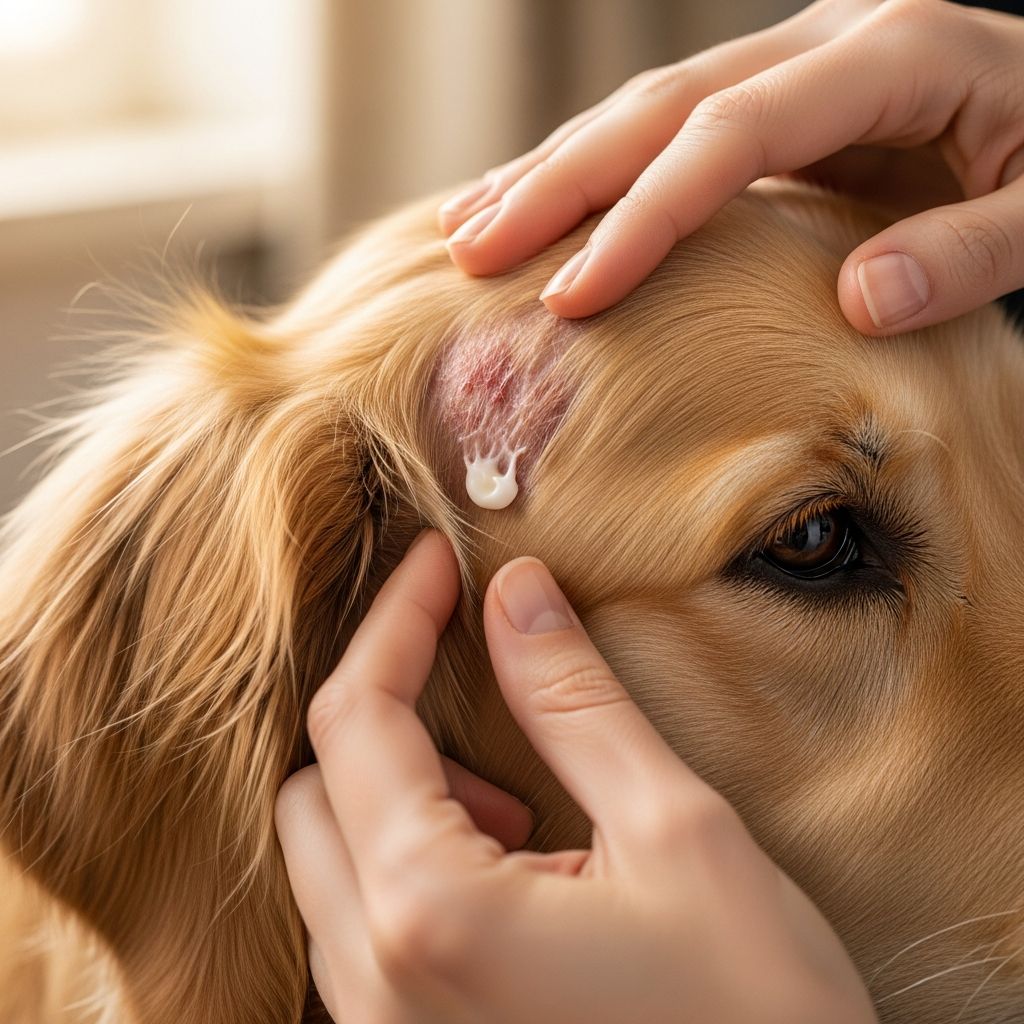
Canine eczema, often manifesting as inflamed, itchy skin known as atopic dermatitis, affects millions of dogs worldwide. This condition leads to discomfort, scratching, and potential secondary infections if not addressed promptly. Understanding its roots in allergies, infections, and environmental factors is key to effective management.
Understanding the Nature of Eczema in Dogs
Eczema in dogs refers to a range of inflammatory skin conditions characterized by redness, itching, and sometimes oozing lesions. Unlike human eczema, canine versions frequently stem from allergic reactions or infections, disrupting the skin’s protective barrier. This vulnerability allows bacteria and yeast to thrive, exacerbating the issue into chronic cycles of flare-ups.
The skin’s role as the body’s first defense line becomes compromised, leading to acute discomfort that prompts excessive licking and scratching. Early recognition prevents progression to severe dermatitis or pyoderma, where hair loss and foul odors emerge.
Primary Triggers Behind Canine Skin Inflammation
Several factors initiate eczema episodes in dogs. Allergens top the list, with environmental culprits like pollen, dust mites, and mold provoking immune responses. Flea saliva often triggers flea allergy dermatitis, a common eczema mimic.
Food sensitivities to proteins in beef, chicken, or dairy provoke similar reactions, though less frequently than environmental ones. Hormonal imbalances, such as hypothyroidism, weaken skin defenses, while parasites like mites contribute to irritation.
- Environmental allergens: Pollen, grasses, dust, mold.
- Food-related: Beef, dairy, grains (rarer).
- Parasitic: Fleas, mites, ticks.
- Infectious: Bacterial overgrowth, yeast (Malassezia).
- Other: Overbathing stripping oils, chemical irritants.
Recognizing Symptoms Early for Timely Intervention
Dogs with eczema display telltale signs: persistent itching focused on paws, ears, belly, or armpits. Redness progresses to hot spots—moist, inflamed patches from self-trauma. Chronic cases show thickened skin, hair loss, and odor from infections.
| Symptom | Description | Common Locations |
|---|---|---|
| Itching/Scratching | Intense, leading to wounds | Paws, ears, groin |
| Redness & Inflammation | Patchy or widespread | Belly, flanks |
| Hair Loss (Alopecia) | Thinning or bald spots | Legs, back |
| Hot Spots | Moist, painful lesions | Head, hips |
| Odor & Discharge | Foul smell from infection | Affected areas |
Observing these cues allows owners to act before complications like deep infections set in.
Diagnostic Approaches by Veterinary Professionals
Veterinarians employ a multi-step process to pinpoint eczema causes. History review covers diet, environment, and flea exposure. Physical exams check skin folds for mites or bacteria.
Cytology swabs reveal yeast or bacterial overgrowth. Skin scrapings detect parasites, while biopsies confirm allergies or hormonal issues. Allergy testing—intradermal or blood—identifies specific triggers for targeted therapy.
Related Stories



An antibiogram guides antibiotic selection for resistant infections, ensuring precise treatment.
Comprehensive Treatment Strategies
Treatment targets underlying causes and symptoms. For allergies, antihistamines and omega-3 supplements provide relief. Corticosteroids reduce acute inflammation, administered topically or systemically short-term.
Infections demand antibiotics like cephalexin or clindamycin for 2-6 weeks, paired with medicated shampoos. Yeast overgrowth responds to antifungal topicals.
Innovative options include Cytopoint injections every 4-8 weeks for itch control and Apoquel for rapid anti-inflammatory effects without steroids.
Topical Therapies for Daily Management
- Medicated shampoos with antiseptics soothe and hydrate.
- Honey-based ointments promote healing in non-infected wounds.
- Sprays and mousses deliver antibiotics directly.
Systemic Medications for Severe Cases
Broad-spectrum antibiotics like marbofloxacin tackle deep infections. Immunotherapy vaccines desensitize to allergens long-term.
Step-by-Step Home Care Protocols
Support vet treatments with home routines. Bathe weekly using hypoallergenic shampoos to avoid oil stripping. Trim hair around lesions for airflow.
- Clean affected areas with vet-approved antiseptics.
- Apply prescribed topicals post-bath.
- Prevent licking with cones or bitter sprays.
- Maintain flea preventives year-round.
- Monitor diet for allergy trials.
Environmental controls like air filters reduce dust and pollen exposure.
Long-Term Prevention and Lifestyle Adjustments
Eczema demands ongoing management as it’s often lifelong. Novel protein diets eliminate food triggers. Omega-3 fatty acids bolster skin barriers.
Regular vet check-ups catch flare-ups early. Flea control treats homes and pets comprehensively. Avoid harsh cleaners and wool bedding.
Potential Complications and When to Seek Urgent Care
Untreated eczema risks pyoderma, sepsis, or self-mutilation. Widespread redness, lethargy, or fever signals emergency.
Chronic cases may indicate hypothyroidism; blood tests confirm.
Frequently Asked Questions (FAQs)
Can eczema in dogs be cured completely?
No, but symptoms are manageable lifelong with proper care.
Is overbathing a cause of dog eczema?
Yes, it removes protective oils, increasing dryness and irritation.
What are the best shampoos for canine eczema?
Medicated ones with antibacterials and moisturizers, per vet advice.
Do food allergies commonly cause eczema?
They contribute in some cases, often to proteins like beef.
How long do treatments take to work?
1-2 weeks for topicals; 4-6 weeks for systemic antibiotics.
Holistic and Nutritional Support Options
Supplements like fish oil reduce inflammation naturally. Probiotics support gut-skin axis health. Acupuncture aids some chronic cases, though evidence varies.
Balanced diets with limited ingredients prevent sensitivities. Consult vets before changes.
References
- Eczema in dogs: treatment. A brief review. — Vets and Clinics. 2023. https://www.vetsandclinics.com/en/library/eczema-in-dogs-treatment-a-brief-review
- Eczema in Dogs: What You Should Know. — Little Silver Animal Hospital. 2024. https://littlesilveranimalhospital.com/blog/eczema-in-dogs/
- Dog eczema: all you need to know. — Douxo. 2023. https://douxo.de/blogs/dog-news/dog-eczema-all-you-need-to-know
- 11 Common Types of Canine Dermatitis and Rashes with Pictures. — Lavengel. 2024. https://lavengel.com/pages/skin-issues-rashes-and-dermatitis
- Dog Skin Allergies: Causes, Symptoms, and Treatment. — PetMD. 2025-02-10. https://www.petmd.com/dog/general-health/dog-skin-allergies
- Canine Atopic Dermatitis (Environmental Allergy) in Dogs. — MedVet. 2024. https://www.medvet.com/atopic-disease-dogs/
- Atopic dermatitis (atopy). — Cornell University College of Veterinary Medicine. 2023. https://www.vet.cornell.edu/departments-centers-and-institutes/riney-canine-health-center/canine-health-topics/atopic-dermatitis-atopy
Similar Articles








Read full bio of Sneha Tete