Canker Sore Causes: Triggers, Symptoms, And Treatments
Discover the common triggers, risk factors, and underlying conditions behind painful canker sores in your mouth.
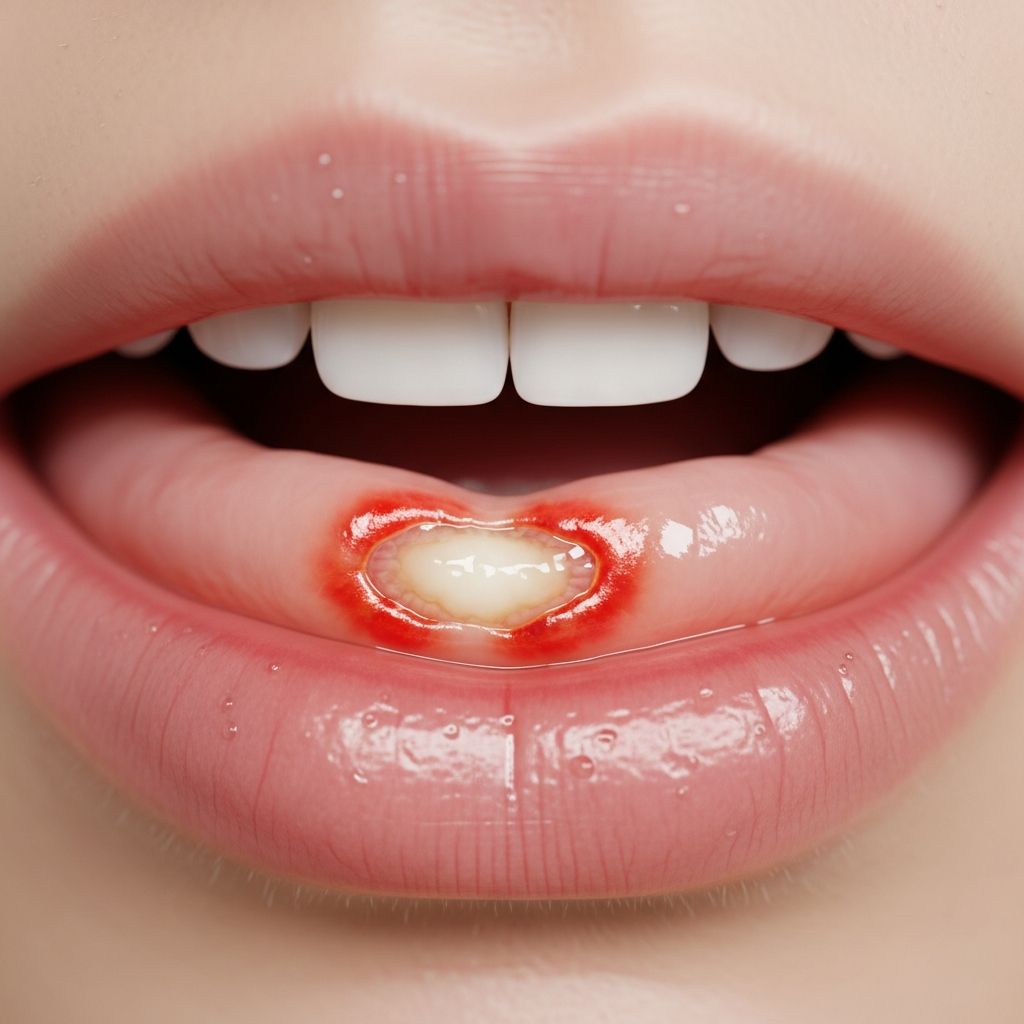
Canker sores, also known as aphthous ulcers, are small, painful ulcers that form inside the mouth on soft tissues like the cheeks, lips, tongue, or gums. Affecting 39% to 50% of people lifetime, they typically onset between ages 10 and 19 and are slightly more common in females. While exact causes remain unclear, they involve immune reactions, genetics, nutritional deficiencies, and triggers like stress or injury.
What Are Canker Sores?
Canker sores are shallow, round or oval ulcers with a white or gray center and red inflamed border. They differ from cold sores, which are contagious herpes virus infections on lips. Canker sores are non-contagious, self-limiting, and heal in 7-14 days without scarring in minor cases. Pain intensifies with acidic, spicy foods or talking/chewing. Prodromal tingling or burning precedes visible sores by hours.
Prevalence peaks in adolescence, with frequency declining with age. Recurrent cases (more than 3-4 times yearly) affect 20-40% of sufferers. They impact quality of life through eating difficulties and discomfort.
Types of Canker Sores
Canker sores classify into three types based on size, number, and severity:
- Minor canker sores (80% of cases): Less than 1 cm diameter, heal in 7-10 days without scarring. Common on inner lips, cheeks, under tongue.
- Major canker sores (10-15%): Over 1 cm, deep, persist 2-6 weeks, cause scarring. Often on lips, soft palate, throat; multiple in clusters.
- Herpetiform canker sores (5-10%, least common): Numerous pinhead-sized ulcers (up to 100) merging into irregular shapes. Heal in 7-14 days, rare scarring.
Major and herpetiform types cause more pain and may signal underlying issues.
Symptoms of Canker Sores
Initial symptoms include tingling, burning, or numbness 6-24 hours before ulcer appears. Fully formed sores are 2-5 mm (minor), painful, with yellow-gray membrane and erythematous halo. Pain worsens with salty/acidic foods (citrus, tomatoes), hot drinks, or brushing. Large sores impair speech/eating; fever/lymphadenopathy rare but signals severity. Healing starts centrally, completing in 1-2 weeks for minors.
Common Causes and Triggers of Canker Sores
No single cause exists; multifactorial etiology involves:
- Immune system dysfunction: T-cell mediated attack on oral mucosa, possibly autoimmune.
- Genetic predisposition: Familial patterns; 40% risk if family history.
- Nutritional deficiencies: Vitamin B12, folate, iron, zinc lack triggers recurrence.
- Stress and hormones: Emotional stress, menstrual cycles exacerbate.
Immediate triggers include:
- Mouth injuries from biting, dental work, braces.
- Acidic/spicy foods (pineapple, vinegar).
- Sodium lauryl sulfate (SLS) in toothpaste.
- Allergies to chocolate, nuts, strawberries, coffee.
Medical Conditions Linked to Canker Sores
Frequent/recurrent sores associate with systemic diseases:
| Condition | Connection to Canker Sores |
|---|---|
| Celiac disease | Gluten sensitivity causes mucosal inflammation; 20-40% prevalence in patients. |
| Behçet’s disease | Systemic vasculitis with oral/genital ulcers, eye involvement. |
| Inflammatory bowel disease (Crohn’s, UC) | 20-30% have aphthous ulcers mirroring gut inflammation. |
| Iron-deficiency anemia | Ferritin deficiency common trigger; supplementation helps. |
| HIV/AIDS | Immunosuppression increases major/recurrent sores. |
| Other | PFAPA syndrome (children), Sweet syndrome, MAGIC syndrome. |
New sores post-40 or non-healing (>3 weeks) warrant medical evaluation for malignancy or systemic disease.
Related Stories



Diagnosis of Canker Sores
Diagnosis is clinical: visual exam confirms typical appearance. Persistent/large/recurrent cases need biopsy to rule out cancer, infection (herpes, Coxsackie). Blood tests screen for deficiencies (B12, folate, iron), celiac serology, inflammatory markers. Allergy patch testing or endoscopy for suspected links.
Treatment Options for Canker Sores
Most heal spontaneously; treatments relieve symptoms:
- Topical: Corticosteroids (triamcinolone paste), anesthetics (lidocaine), protectants (Orabase).
- Antimicrobial rinses: Chlorhexidine, tetracycline (reduces duration).
- Natural remedies: Honey, curcumin, probiotics shorten healing.
- Laser therapy: CO2 laser reduces pain, promotes faster healing.
- Systemic (severe/recurrent): Oral steroids, colchicine, thalidomide, dapsone.
Avoid SLS toothpaste, use barriers like denture adhesives over sores.
Prevention Strategies
Minimize triggers:
- Manage stress (meditation, exercise).
- Balanced diet rich in B-vitamins, iron, zinc.
- SLS-free toothpaste.
- Avoid irritants; use soft toothbrush.
- Correct deficiencies via supplements (under medical advice).
Prophylactic antimicrobials or steroids for frequent cases.
When to See a Doctor
- Sores >1 cm, last >2 weeks, or scar.
- Recurrent (>4/year) or first-time post-40.
- Accompanied by fever, diarrhea, weight loss, genital ulcers.
- Difficulty eating/swallowing.
Urgent if cancer suspicion (indurated, non-healing).
Frequently Asked Questions (FAQs)
Are canker sores contagious?
No, unlike cold sores; caused by internal factors, not virus.
Why do I keep getting canker sores?
Recurrence links to genetics, stress, deficiencies, or conditions like celiac/IBD.
How long do canker sores last?
Minor: 7-10 days; major: 2-6 weeks.
Can food cause canker sores?
Yes, acidic/spicy foods trigger; allergies to nuts/chocolate common.
Do canker sores indicate cancer?
Rarely; persistent (>3 weeks) need biopsy.
References
- What Are Canker Sores? | Patient Information — JAMA Network. 2024-08-01. https://jamanetwork.com/journals/jama/fullarticle/2821665
- Overview: Canker sores (mouth ulcers) – InformedHealth.org — NCBI Bookshelf. 2024. https://www.ncbi.nlm.nih.gov/books/NBK546250/
- Common oral conditions: a review — JAMA (source cited in ). 2024. https://jamanetwork.com/journals/jama/fullarticle/2816582
- Systemic interventions for recurrent aphthous stomatitis — Cochrane Database Syst Rev. 2012. https://doi.org/10.1002/14651858.CD005411.pub2
Similar Articles








Read full bio of medha deb