Canker Sore vs. Cold Sore: Key Differences
Understand the vital distinctions between canker sores and cold sores: causes, symptoms, treatments, and prevention strategies for better oral health.
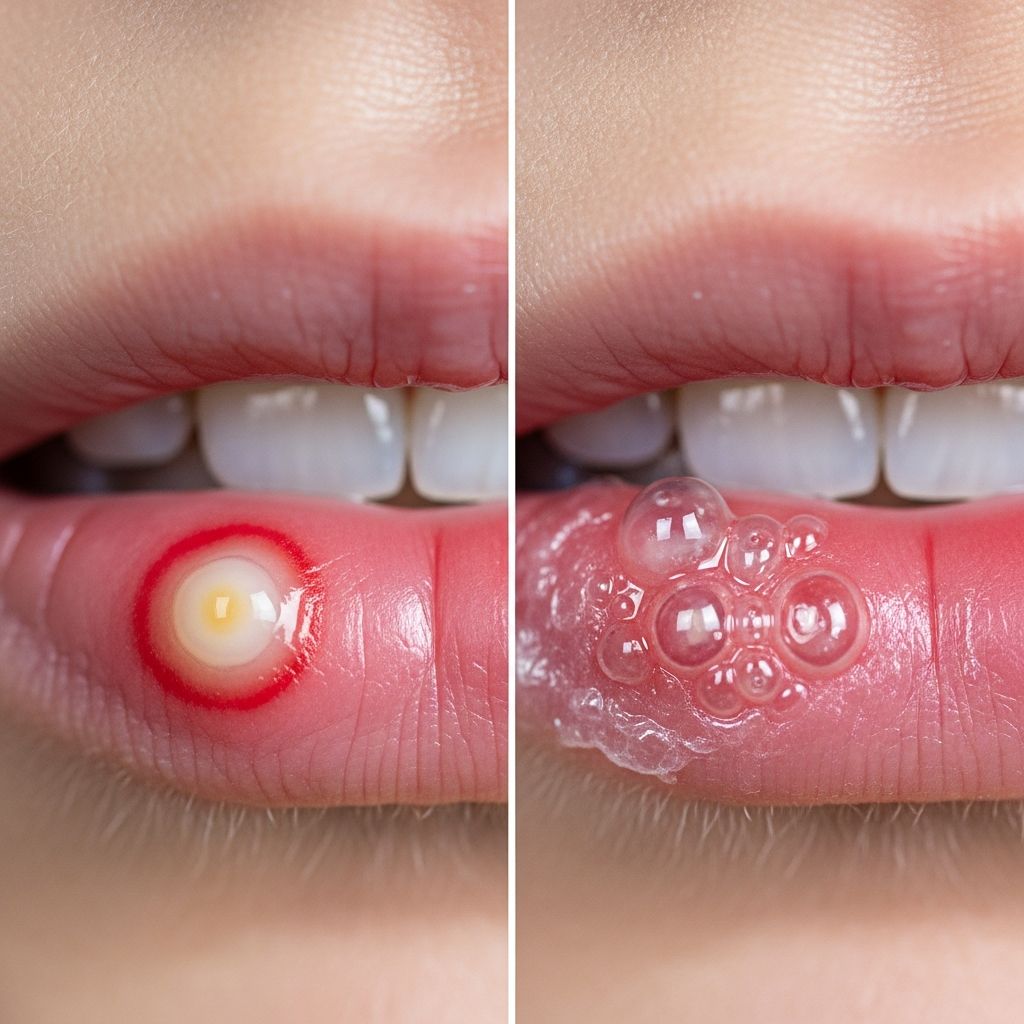
Canker sores and cold sores are common oral conditions that cause discomfort around the mouth, but they differ significantly in location, causes, contagiousness, appearance, and treatment. Canker sores form inside the mouth and are not contagious, while cold sores appear outside the mouth, are caused by the herpes simplex virus type 1 (**HSV-1**), and spread easily through contact.
What Are Canker Sores?
Canker sores, also known as aphthous ulcers, are small, shallow ulcers that develop inside the mouth. They typically appear on the inner surfaces of the cheeks, lips, tongue, or base of the gums, presenting as round or oval sores with a white or yellow center surrounded by a red border. These sores often start with a tingling or burning sensation and can make eating, drinking, or speaking painful.
Unlike viral infections, canker sores are not caused by a pathogen and cannot be transmitted person-to-person. They affect about 20% of the population recurrently and usually heal within one to two weeks without scarring.
What Are Cold Sores?
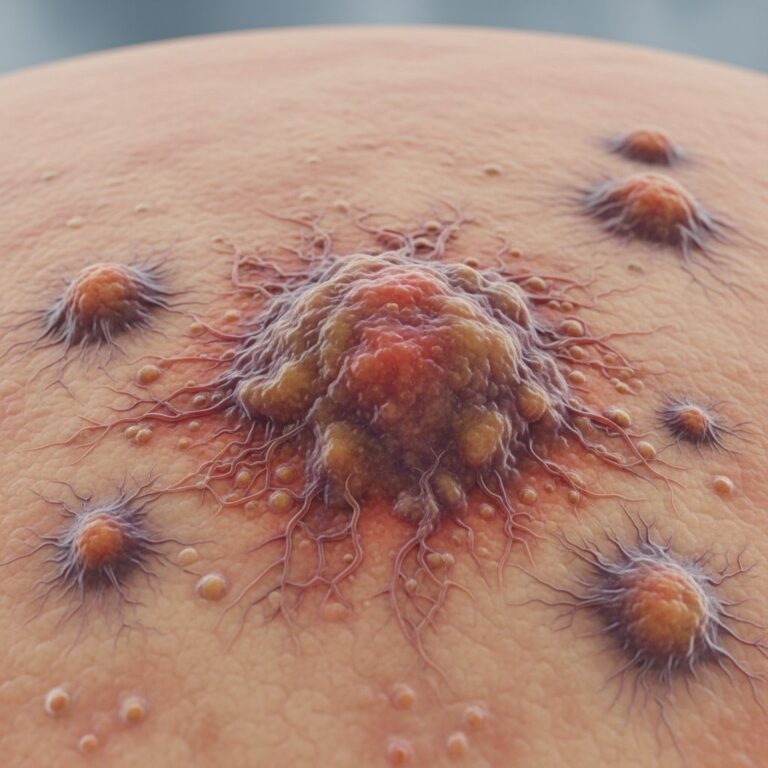
Cold sores, or fever blisters, are clusters of fluid-filled blisters caused by the
HSV-1 virus
. They commonly form on or around the lips, but can also appear on the nose, chin, or inside the mouth in immunocompromised individuals or during primary infections. The outbreak begins with itching, burning, or tingling, followed by blisters that burst, ooze, crust over, and heal in 7-14 days.Cold sores are highly contagious, spreading via saliva, kissing, or sharing utensils, especially when blisters are active. Once infected, HSV-1 remains dormant in nerve cells and can reactivate with triggers like stress or illness. Primary infections in children may mimic canker sores inside the mouth.
Key Differences: Canker Sore vs. Cold Sore
The distinctions between these sores are crucial for proper management. Here’s a comprehensive comparison:
| Feature | Canker Sore | Cold Sore |
|---|---|---|
| Location | Inside the mouth (cheeks, lips, tongue, gums) | Outside the mouth (lips, face); rarely inside |
| Cause | Unknown exactly; triggers: stress, injury, acidic foods, vitamin deficiencies | HSV-1 virus |
| Appearance | Single round/oval ulcer, white/yellow center, red border | Cluster of fluid-filled blisters that crust over |
| Contagious | No | Yes, highly contagious during outbreaks |
| Pain Level | Painful, especially when eating | Itchy/tingling then painful blisters |
| Duration | 1-2 weeks | 7-14 days |
| Recurrence | Common in susceptible people | Frequent outbreaks in same location |
This table highlights why location is often the quickest identifier: inside means canker, outside means cold sore.
Symptoms of Canker Sores
- Tingling or burning sensation before appearance
- Round or oval sore (2-10mm) with white/gray/yellow center and inflamed red border
- Pain that worsens with acidic/spicy foods, brushing, or talking
- Usually 1-5 sores at a time; larger ‘major’ sores may scar
Symptoms peak in 3-4 days and subside as the ulcer heals. No systemic symptoms like fever occur.
Symptoms of Cold Sores
Cold sore progression follows distinct phases:
- Prodrome: Itching, tingling, or burning 1-2 days before blisters.
- Blister stage: Small, fluid-filled blisters cluster, often on lips.
- Ulcer/crust stage: Blisters burst, ooze, form yellow crust (48 hours).
- Healing: Crusts fall off, revealing pink skin; full healing in 1-2 weeks.
Related Stories



Accompanying symptoms may include fever, swollen lymph nodes, headache, or body aches, especially in first infections. Outbreaks recur in the same spot due to viral latency.
Causes and Risk Factors
Canker Sore Causes
The exact cause is unknown, but triggers include:
- Minor mouth injuries (brushing, dental work)
- Stress (emotional/physical)
- Acidic/spicy foods (citrus, tomatoes)
- Nutritional deficiencies (B12, zinc, folate, iron)
- Hormonal changes, allergies, or autoimmune factors
They are more common in teens, young adults, and those with family history.
Cold Sore Causes
Exclusively caused by
HSV-1
, contracted via close contact. Triggers for reactivation:- Stress, illness, fatigue
- Sun exposure, fever
- Hormonal changes (menstruation)
- Weakened immunity (HIV, chemotherapy)
Over 50% of U.S. adults carry HSV-1 asymptomatically. HSV-2 causes genital sores but can affect oral area.
Treatment Options
Treating Canker Sores
Most heal without intervention, but for relief:
- Rinse with salt water or baking soda solution
- Over-the-counter gels (benzocaine) for numbing
- Avoid irritants; use soft toothbrush
- For severe cases: prescription steroids or antimicrobial rinses
Severe, recurrent sores may need evaluation for underlying issues like celiac disease.
Treating Cold Sores
Antivirals shorten duration if started early:
- OTC: Docosanol, abreva
- Prescription: Acyclovir, valacyclovir creams/pills
- Home care: Cold compress, lip balm with sunscreen, pain relievers
Avoid contact during outbreaks to prevent spread.
Prevention Strategies
For Canker Sores:
- Manage stress with exercise/meditation
- Avoid trigger foods; maintain balanced diet
- Use gentle oral hygiene; protect during sports
For Cold Sores:
- Avoid sharing personal items during outbreaks
- Use lip sunscreen; limit sun exposure
- Daily antivirals for frequent sufferers
- Boost immunity with sleep, nutrition
Neither has a cure, but proactive steps reduce frequency.
When to See a Doctor
Seek medical care if:
- Sores last >2 weeks or are unusually large/painful
- Frequent recurrences (>3-4/year)
- Accompanied by fever, swollen glands, or difficulty swallowing
- Spreading or not healing (possible infection)
- First outbreak or immunocompromised
Diagnosis involves exam; swabs or blood tests confirm HSV or deficiencies.
Frequently Asked Questions (FAQs)
Are canker sores contagious?
No, canker sores are not caused by a virus and cannot spread to others.
Can I get both canker and cold sores at the same time?
Yes, though unrelated, it’s possible to have both simultaneously.
Do cold sores always appear on the lips?
Usually, but they can occur on the nose, chin, or inside the mouth in primary infections.
How long do these sores last?
Both typically resolve in 7-14 days without treatment.
Can stress cause both?
Yes, stress triggers canker sores and reactivates cold sores.
References
- Canker Sore vs Cold Sore: What To Know — Cleveland Clinic. 2023. https://health.clevelandclinic.org/contagious-canker-sore-cold-sore
- Is it a canker sore or a cold sore? — Medical News Today. 2023. https://www.medicalnewstoday.com/articles/canker-sore-vs-cold-sore
- Is It a Canker Sore or a Cold Sore? — Northwestern Medicine. 2023. https://www.nm.org/healthbeat/healthy-tips/is-it-a-canker-sore-or-a-cold-sore
- Fever Blisters & Canker Sores — National Institute of Dental and Craniofacial Research (NIDCR). 2024. https://www.nidcr.nih.gov/health-info/fever-blisters-canker-sores
- Canker Sore vs Cold Sore: What’s the Difference? — Healthline. 2023. https://www.healthline.com/health/canker-sore-vs-cold-sore
Similar Articles








Read full bio of medha deb