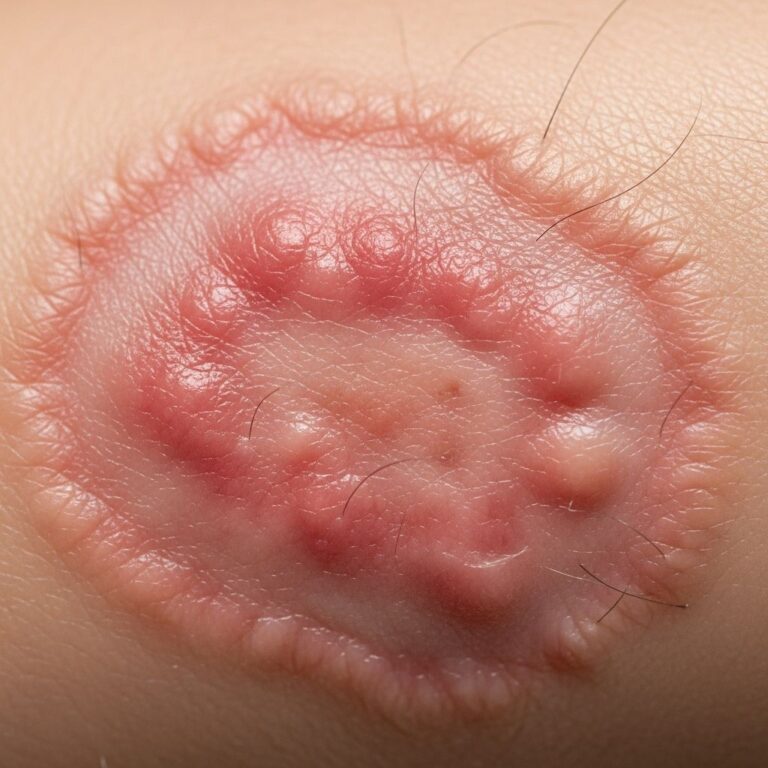
Canker Sores: Causes, Types, and Treatment
Understand the causes, types, and effective treatments for painful canker sores.
What Are Canker Sores?
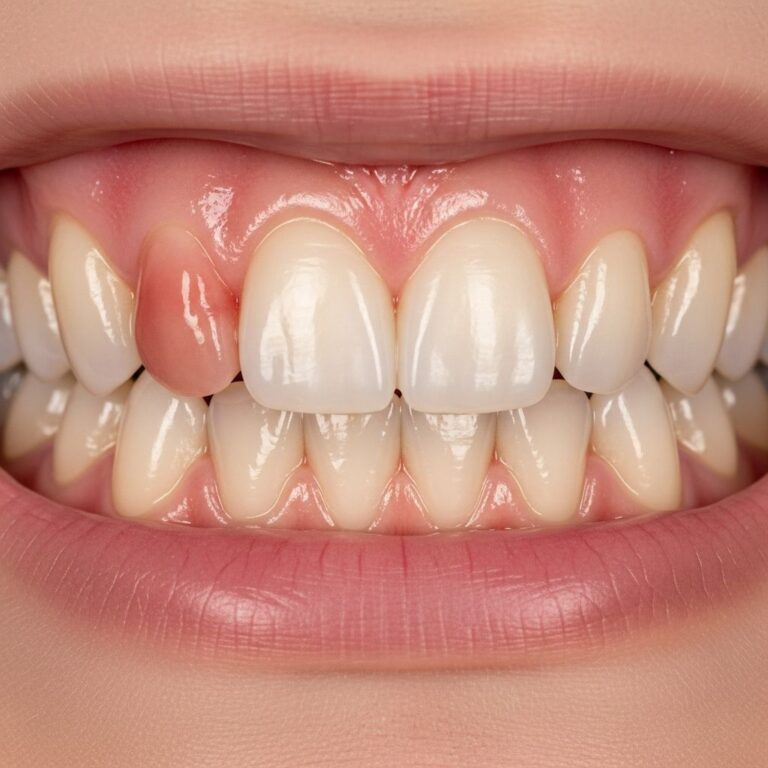
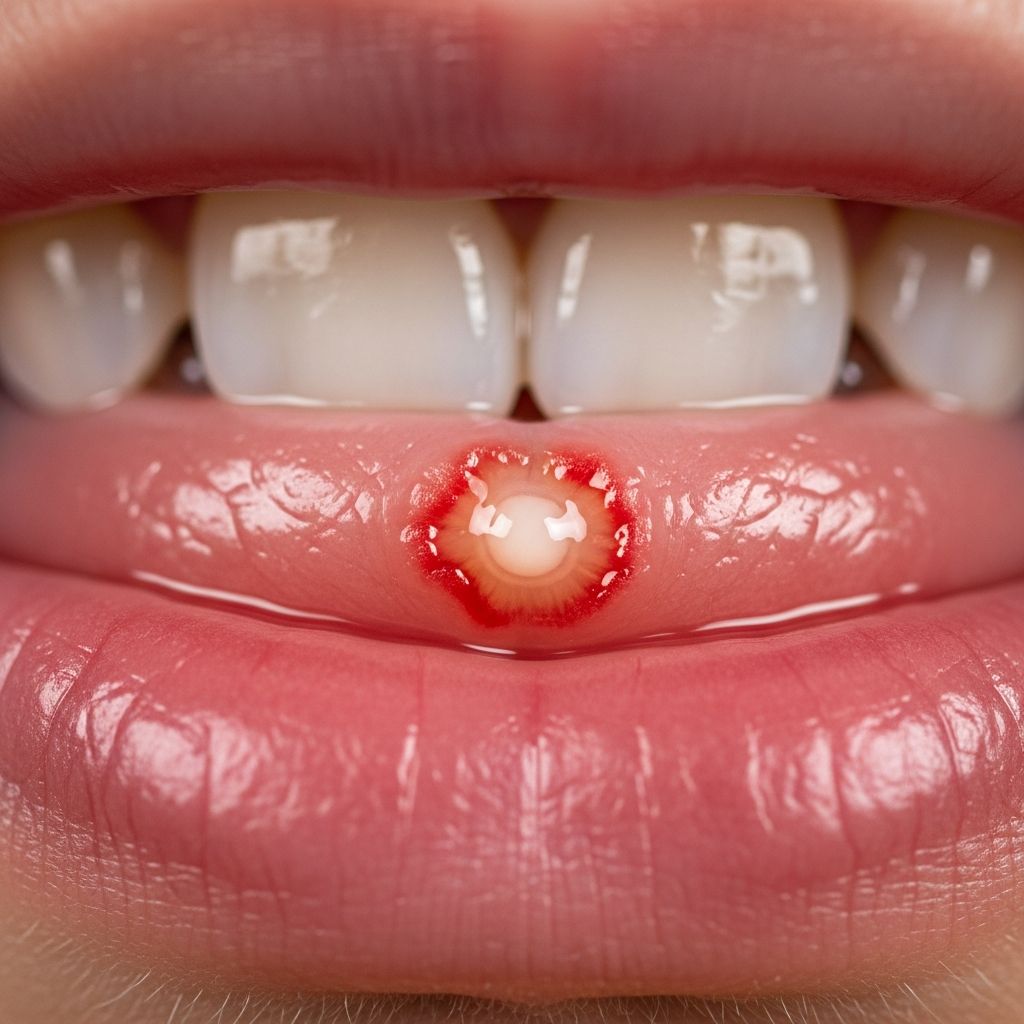
Canker sores, also known as aphthous ulcers, are small, shallow lesions that develop on the soft tissues inside your mouth or at the base of your gums. These painful ulcers can make eating, drinking, and talking uncomfortable. Unlike cold sores, canker sores are not contagious and do not appear on the surface of the lips. Most canker sores heal on their own within a week or two, but some may require medical attention if they persist or are unusually large or painful.
Types of Canker Sores
Canker sores are classified into three main types: minor, major, and herpetiform. Each type has distinct characteristics and healing times.
Minor Canker Sores
- Most common type of canker sore
- Small, oval-shaped with a white or yellow center and a red border
- Heal without scarring in one to two weeks
- Occur three or four times a year, typically in people aged 10 to 20
Major Canker Sores
- Less common and larger than minor canker sores
- Round with defined borders, but may have irregular edges when very large
- Extremely painful and can take up to six weeks to heal
- May leave extensive scarring
Herpetiform Canker Sores
- Uncommon and usually develop later in life
- Pinpoint size, often occur in clusters of 10 to 100 sores
- May merge into one large ulcer
- Have irregular edges
- Heal without scarring in one to two weeks
- Not caused by the herpes virus
Symptoms of Canker Sores
The most common symptoms of canker sores include:
- Round or oval sores with a white or yellow center and a red border
- Location inside the mouth—on or under the tongue, inside the cheeks or lips, at the base of the gums, or on the soft palate
- Tingling or burning sensation a day or two before the sores appear
- Pain that can make eating and talking difficult
Causes of Canker Sores
The exact cause of canker sores is often unknown, but several factors can trigger their development:
- Minor injury to the mouth, such as from dental work, aggressive brushing, or biting the cheek
- Food sensitivities, especially to acidic or spicy foods
- Nutritional deficiencies, including folate, vitamin B12, zinc, or iron
- Stress or hormonal changes
- Immune system issues
- Genetic predisposition
Diagnosis of Canker Sores
Doctors can usually diagnose canker sores by performing a physical exam and reviewing your medical history. They will examine the lining of your mouth and ask about your symptoms and eating habits. In some cases, additional tests may be needed to rule out other conditions:
- Blood tests to check for nutritional deficiencies
- Swab or tissue sample tests to rule out infections or other health issues
Treatment of Canker Sores
Most canker sores heal on their own without treatment, but there are several options to relieve pain and speed up healing:
Home Remedies
- Rinsing with salt water or baking soda solution
- Applying aloe vera gel or honey to the sore
- Using over-the-counter mouth rinses
- Maintaining good oral hygiene by brushing and flossing
Related Stories



Medical Treatments
- Mouthwashes containing steroids or painkillers
- Topical medications with steroids and analgesics (e.g., triamcinolone acetonide, clobetasol)
- Oral medications such as sucralfate (Carafate) or colchicine (Mitigare)
- Nutritional supplements if deficiencies are identified
- Cautery with dental lasers or chemicals like Debacterol or silver nitrate
Prevention of Canker Sores
Preventing canker sores involves a combination of attentive oral care, lifestyle changes, and dietary adjustments:
- Use a soft-bristled toothbrush to avoid injuring mouth tissue
- Avoid foods that trigger canker sores, such as acidic or spicy foods
- Manage stress through relaxation techniques
- Ensure a balanced diet rich in vitamins and minerals
- Stay hydrated and maintain good oral hygiene
When to See a Doctor
Consult a healthcare professional if you experience:
- Unusually large or painful canker sores
- Recurring sores that develop before old ones heal
- Persistent sores lasting more than two weeks
- Sores that extend into the lips themselves
- Pain that cannot be controlled with self-care measures
- Extreme difficulty eating or drinking
- High fever along with canker sores
FAQs About Canker Sores
What is the difference between a regular canker sore and a complex canker sore?
Regular canker sores are small, shallow ulcers that usually go away on their own in a few days to two weeks. Complex canker sores are bigger, more painful, and may take up to six weeks to heal. They can indicate a weakened immune system, nutritional problems, or stomach conditions like celiac disease.
How long do canker sores last?
Minor canker sores typically last one to two weeks. Major canker sores can take up to six weeks to heal. Herpetiform canker sores usually heal within one to two weeks.
Can canker sores be prevented?
While not all canker sores can be prevented, maintaining good oral hygiene, avoiding trigger foods, managing stress, and ensuring a balanced diet can help reduce their frequency.
Are canker sores contagious?
No, canker sores are not contagious. They do not spread from person to person.
What is at the center of a canker sore?
The whitish middle of a canker sore is made of fibrin (a protein involved in blood clotting) and inflammatory cells. It is part of the healing process and protects the tissue beneath it.
References
References
- Canker sore – Symptoms and causes — Mayo Clinic. 2023-09-27. https://www.mayoclinic.org/diseases-conditions/canker-sore/symptoms-causes/syc-20370615
- Canker Sore (Aphthous Ulcer) — WebMD. 2023-09-27. https://www.webmd.com/oral-health/canker-sores
- Canker Sore: Causes, Symptoms, and Treatments — Listerine. 2023-09-27. https://www.listerine.com/gum-disease-healthy-gums/canker-sores-mouth-ulcers
Similar Articles








Read full bio of medha deb