Canker Sores: 4 Key Causes, Symptoms, Treatments & Prevention
Everything you need to know about causes, symptoms, treatments, and prevention of painful mouth ulcers known as canker sores.
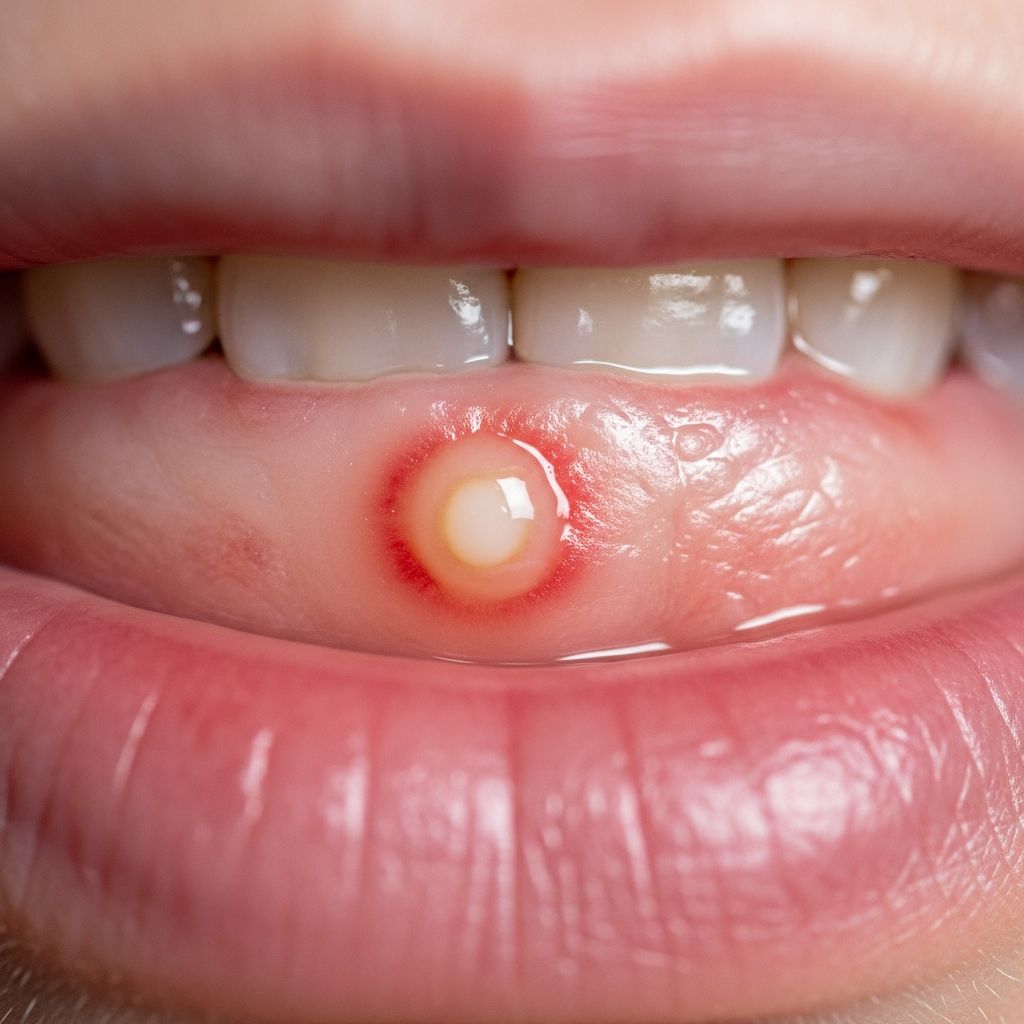
Canker sores, also known as aphthous ulcers, are small, shallow lesions that develop on the soft tissues inside your mouth. They cause significant discomfort, making eating, drinking, and speaking painful for many people. Affecting an estimated 39% to 50% of individuals at some point in their lives, these ulcers typically first appear between ages 10 and 19 and are slightly more common in females. While most heal within one to two weeks without treatment, recurrent or severe cases may signal underlying health issues requiring professional attention.
What Are Canker Sores?
Canker sores are not contagious and differ from cold sores, which are caused by the herpes simplex virus and appear on the lips or around the mouth. Instead, canker sores form exclusively inside the mouth on movable tissues such as the inner cheeks, lips, under the tongue, or the floor of the mouth. They present as round or oval ulcers with a white or gray center and a red, inflamed border. The exact cause remains unclear, but research points to a combination of genetic predisposition, immune system reactions, stress, hormonal changes, and nutritional deficiencies in vitamins like B12, iron, or folate.
These ulcers impact quality of life due to their pain, which intensifies with acidic, spicy, or salty foods. Minor episodes occur sporadically for most, but some experience frequent recurrences, potentially linked to conditions like celiac disease, inflammatory bowel disease (IBD), Behçet’s disease, or HIV/AIDS. Early onset and family history increase risk, highlighting a possible genetic component.
Symptoms of Canker Sores
The hallmark symptom is sharp, localized pain that worsens with touch, chewing, or brushing. Before visibility, a tingling, burning, or prickling sensation may precede the sore by hours or days. Once formed, the ulcer appears as a small (under 1 cm for minor types), whitish-yellow spot with erythematous edges. Pain peaks within 3-4 days and subsides as healing begins.
Associated symptoms include:
- Red, inflamed halo around the ulcer
- Increased sensitivity to hot, cold, acidic, or spicy foods
- Difficulty eating or speaking
- Mild fever or swollen lymph nodes in severe cases
- Scarring in major or herpetiform types
Symptoms vary by type and severity. Recurrent sores may follow a prodromal phase, allowing preemptive care.
Types of Canker Sores
Canker sores are classified into three categories based on size, number, and duration:
| Type | Characteristics | Prevalence | Healing Time |
|---|---|---|---|
| Minor | Small (<1 cm), single or few, oval/round with red border; inside cheeks, lips, tongue | 80-85% | 7-10 days, no scarring |
| Major | Large (>1 cm), deep, 1-3 in clusters; on lips, soft palate, throat; painful, may scar | 10-15% | 2-6 weeks |
| Herpetiform | Many tiny (<3 mm) ulcers merging into irregular shapes; no relation to herpes virus | 5-10% | 7-14 days, occasional scarring |
Minor sores are the most common and least severe, while major ones can significantly impair daily functions. Herpetiform sores mimic herpes but are distinct.
Causes and Risk Factors
Although the precise etiology is unknown, multiple triggers contribute:
- Immune Response: Abnormal T-cell reaction damages oral mucosa.
- Genetics: Family history increases likelihood.
- Nutritional Deficiencies: Low B12, folate, iron (ferritin), or zinc.
- Triggers: Stress, hormonal fluctuations (e.g., menstruation), food sensitivities (acidic fruits, nuts, chocolate), dental trauma, sodium lauryl sulfate in toothpaste.
- Systemic Conditions: Celiac, IBD (Crohn’s, ulcerative colitis), Behçet’s, anemia, HIV.
Women and adolescents face higher risk due to hormonal and developmental factors. Avoiding irritants like SLS toothpaste reduces episodes in sensitive individuals.
Related Stories



How Are Canker Sores Diagnosed?
Diagnosis is primarily clinical, based on appearance, history, and symptoms. No specific tests are needed for typical cases. Healthcare providers examine the mouth and inquire about recurrence, diet, medications, and family history. For non-healing (>2-4 weeks), frequent, or atypical sores—especially in those over 40—further evaluation includes:
- Blood tests for nutritional deficiencies or systemic diseases
- Biopsy to rule out oral cancer or infection
- Swabs for viral/bacterial causes
- Referral to gastroenterology for suspected IBD or celiac
Prompt assessment prevents complications from underlying conditions.
Canker Sore Treatments
Most sores resolve spontaneously, but treatments alleviate pain and speed healing:
Home Remedies and Over-the-Counter Options
- Rinses: Saltwater or baking soda (1 tsp in ½ cup warm water) 3-4x daily reduces inflammation.
- Topicals: OTC gels with benzocaine or fluocinonide for numbing/steroids.
- Natural Aids: Honey, curcumin, probiotics show pain reduction in studies.
- Diet: Avoid triggers; use ice or milk for soothing.
- Protective Pastes: Cover sores to prevent irritation.
Prescription Treatments
For recurrent/severe cases:
- Topical corticosteroids (triamcinolone, clobetasol) reduce size/frequency.
- Laser therapy promotes faster healing, less pain.
- Oral meds: Corticosteroids, colchicine, thalidomide for refractory cases.
Severe major sores may require systemic therapy; always consult a dentist or doctor.
Prevention Tips for Canker Sores
While not fully preventable, strategies minimize recurrences:
- Maintain oral hygiene with SLS-free toothpaste.
- Manage stress via exercise, meditation.
- Balanced diet rich in B vitamins, iron, zinc; supplements if deficient.
- Avoid allergens/triggers: Citrus, tomatoes, nuts.
- Protect mouth during dental work; use soft toothbrush.
- Regular check-ups for underlying conditions.
Probiotics and lysine supplements show promise in some studies for frequency reduction.
When to See a Doctor for Canker Sores
Seek care if:
- Sores >2 weeks or unusually large/painful.
- Frequent recurrences (>3-4x/year).
- Accompanied by fever, diarrhea, rash, genital ulcers.
- First occurrence after age 40.
- Non-healing ulcer (cancer risk).
These signal potential systemic issues needing investigation.
Frequently Asked Questions (FAQs)
What causes canker sores?
Triggers include stress, nutritional deficiencies (B12, iron), genetics, immune reactions, and toothpaste irritants like SLS. Underlying diseases like celiac or IBD increase risk.
Are canker sores contagious?
No, unlike cold sores, they result from internal factors, not viruses.
How long do canker sores last?
Minor: 7-10 days; major: 2-6 weeks; herpetiform: 7-14 days.
Can stress cause canker sores?
Yes, stress is a common trigger weakening immune response.
What vitamin deficiency causes canker sores?
Deficiencies in B12, folate, iron, or zinc are linked.
Do canker sores mean you have a weak immune system?
Not necessarily, but recurrent cases may indicate immune dysregulation or conditions like HIV.
References
- What Are Canker Sores? | Patient Information — JAMA Network. 2024-08-01. https://jamanetwork.com/journals/jama/fullarticle/2821665
- Overview: Canker sores (mouth ulcers) – InformedHealth.org — NCBI Bookshelf. 2023 (updated). https://www.ncbi.nlm.nih.gov/books/NBK546250/
Similar Articles








Read full bio of medha deb