Cannabidiol (CBD): What We Know and What We Don’t
Understanding CBD's potential benefits, limitations, and what science reveals about this cannabis compound.
Understanding Cannabidiol: An Overview of CBD
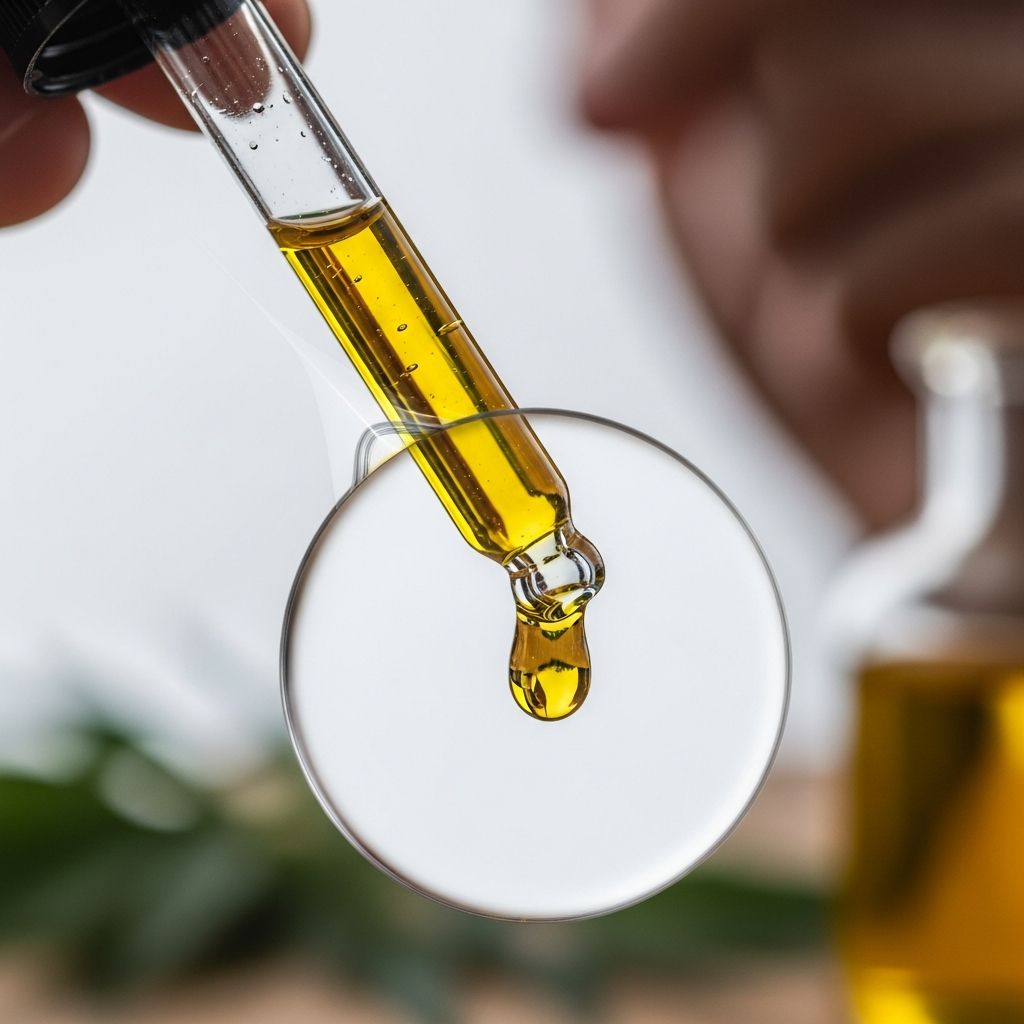
Cannabidiol, commonly known as CBD, is one of more than 100 chemical compounds found in the cannabis plant. Unlike its more famous counterpart tetrahydrocannabinol (THC), CBD does not produce the psychoactive “high” associated with marijuana use. This key distinction has made CBD increasingly popular among consumers seeking potential therapeutic benefits without intoxicating effects. In recent years, CBD products have proliferated across the marketplace, appearing in oils, capsules, edibles, topicals, and beverages. However, the rapid commercialization of CBD has outpaced rigorous scientific research, leaving many questions about its true efficacy and safety.
What Is CBD and How Does It Work?
CBD is a non-intoxicating cannabinoid derived from cannabis plants. The compound interacts with the body’s endocannabinoid system, a complex network of receptors throughout the brain and body that helps regulate various physiological processes. While researchers continue to investigate the exact mechanisms by which CBD produces its effects, preliminary studies suggest it may influence serotonin receptors, vanilloid receptors, and other cellular signaling pathways. CBD appears to work differently than THC, which directly activates cannabinoid receptors CB1 and CB2. This fundamental difference in how these compounds interact with the body explains why CBD does not produce intoxication.
Potential Health Applications of CBD
CBD has been studied for its potential therapeutic applications across numerous health conditions. The most commonly cited uses include anxiety disorders, chronic pain, epilepsy, sleep disturbances, and inflammation-related conditions. Many consumers report using CBD to manage symptoms associated with these conditions, driven partly by anecdotal reports and word-of-mouth recommendations. The appeal of CBD lies partly in the perception that it offers a natural alternative to conventional pharmaceuticals, though this assumption requires careful scrutiny and scientific validation.
Pain Management and Inflammation
One of the most prevalent reasons people turn to CBD is for pain relief. Chronic pain affects millions of individuals worldwide, and conventional pain management approaches, particularly opioids, carry significant risks of dependence and side effects. CBD’s potential anti-inflammatory properties have generated considerable interest from both patients and researchers. Some preclinical studies in animal models have demonstrated that CBD may reduce inflammatory responses, which could theoretically benefit conditions involving pain and inflammation. However, human clinical trials specifically examining CBD’s efficacy for chronic pain remain limited, and results have been mixed.
Anxiety and Mental Health
Anxiety disorders represent another major indication for CBD use among consumers. Some research suggests CBD may have anxiolytic properties, with certain studies showing promise in reducing anxiety in specific populations. A notable application has been in social anxiety disorder, where some small trials indicated CBD might help reduce anxiety symptoms. However, the quality and quantity of evidence remains modest compared to established pharmaceutical treatments for anxiety. Most existing studies involve small sample sizes, and many lack rigorous methodology or appropriate control groups.
Epilepsy and Seizure Disorders
Epilepsy represents one area where CBD has gained the most substantial scientific support. In 2018, the FDA approved Epidiolex, a CBD-derived medication, for treating specific severe forms of childhood epilepsy, including Lennox-Gastaut syndrome and Dravet syndrome. This landmark approval resulted from clinical trials demonstrating CBD’s effectiveness in reducing seizure frequency in these patient populations. This approval represents the strongest evidence base for any CBD indication to date and demonstrates that rigorous clinical research can establish CBD’s therapeutic value for specific conditions.
Sleep and Insomnia
Sleep disturbances and insomnia have become increasingly common complaints, particularly in contemporary society. Many consumers have turned to CBD as a potential sleep aid, believing it may promote relaxation and improve sleep quality. Some preliminary research has examined whether CBD might improve sleep parameters, but the evidence remains preliminary and limited. Most studies examining CBD and sleep have involved small samples or lacked rigorous methodology, making it difficult to draw definitive conclusions about effectiveness.
Related Stories



Current Scientific Evidence: What Research Shows
The scientific evidence supporting CBD’s therapeutic benefits varies significantly depending on the condition being examined. While some conditions have accumulated modest supporting evidence, many popular CBD applications lack rigorous clinical trial data. The distinction between promising preliminary findings and established clinical efficacy is crucial but often lost in popular discourse. Additionally, much of the existing research involves animal studies or in vitro investigations, which do not necessarily translate to human outcomes.
Several systematic reviews examining CBD for various conditions have concluded that while certain applications show promise, the overall evidence base remains limited by small sample sizes, short study durations, and methodological inconsistencies. Researchers have called for larger, well-designed randomized controlled trials to establish CBD’s true efficacy for different health conditions. Until such evidence accumulates, healthcare providers and consumers should approach CBD claims with appropriate skepticism.
Safety Considerations and Potential Side Effects
While CBD is often perceived as inherently safe due to its natural origins, this assumption warrants careful examination. Research indicates that CBD is generally well-tolerated in most individuals at reasonable doses. However, adverse effects have been documented, including fatigue, diarrhea, changes in appetite, and dry mouth. Additionally, CBD can interact with certain medications, particularly those metabolized through the cytochrome P450 enzyme system in the liver.
One particular concern involves THC contamination in commercial CBD products. Research from Harvard Medical School and Massachusetts General Hospital revealed alarming findings regarding product quality and labeling accuracy. The study examined CBD products and found that a significant portion contained THC levels higher than advertised or were mislabeled entirely. In some cases, patients who believed they were using pure CBD products actually consumed substantial amounts of THC, resulting in unintended intoxication and impaired driving in at least one documented case. This quality control issue represents a serious concern for consumers who rely on product labeling.
Regulatory Status and Legal Considerations
The legal status of CBD remains complex and varies significantly by jurisdiction. In the United States, CBD exists in a regulatory gray area. While hemp-derived CBD containing less than 0.3% THC was legalized under the 2018 Farm Bill, CBD remains a Schedule I controlled substance under federal law when derived from marijuana plants. This contradiction creates confusion and regulatory challenges. Additionally, the FDA has not approved most CBD products for therapeutic use outside of Epidiolex, meaning manufacturers cannot legally make health claims about their products.
International regulations differ substantially. The United Kingdom, for example, has classified CBD as a “novel food,” requiring manufacturers to submit safety data and undergo rigorous testing before products can be sold. This regulatory approach aims to ensure product quality and protect consumers from mislabeled or contaminated products. Other countries maintain stricter restrictions or prohibitions on CBD products entirely.
Quality Control and Product Labeling Issues
One of the most significant concerns surrounding CBD products involves quality control and accurate labeling. The unregulated nature of much of the CBD market has led to widespread inconsistencies between stated and actual product contents. Research from Harvard Medical School examined CBD products and urine samples from patients using these products, revealing troubling discrepancies. The study found that approximately one-third of patients using CBD-dominant or balanced CBD/THC products had no detectable CBD in their urine samples, while nearly 80% of these same samples contained THC, despite products being marketed as CBD-only or significantly lower in THC than actually present.
These findings underscore the importance of purchasing CBD products from reputable sources that provide third-party laboratory testing documentation. Consumers should request certificates of analysis (COAs) verifying product contents and confirming the absence of harmful contaminants such as pesticides, heavy metals, and microbial pathogens. Unfortunately, such quality assurance remains inconsistent across the CBD market, particularly in regions with minimal regulatory oversight.
Consumer Use Patterns and Medical Applications
Research examining how consumers actually use CBD reveals interesting patterns. Studies indicate that pain represents the most common reason for CBD use, followed by anxiety, insomnia, and inflammation-related conditions. Cancer patients have also begun exploring CBD as a potential therapeutic option, with some using it to manage pain, nausea, poor appetite, and gastrointestinal distress associated with cancer and its treatments. However, the evidence supporting CBD’s efficacy for cancer-related symptoms remains limited and based primarily on preliminary research rather than robust clinical trials.
Healthcare providers face challenges in counseling patients about CBD due to the gap between patient interest and available evidence. Many physicians lack sufficient information about CBD to provide evidence-based guidance, particularly regarding potential drug interactions and optimal dosing strategies. This knowledge gap highlights the need for more comprehensive medical education regarding cannabinoid therapeutics as research continues to develop.
What We Don’t Know: Important Research Gaps
Despite growing interest in CBD, significant knowledge gaps remain. The optimal dosing for various conditions has not been established through rigorous research. Long-term safety profiles remain unclear, particularly regarding extended CBD use over months or years. The potential for CBD to cause tolerance, dependence, or addiction has received limited study. Additionally, research examining potential interactions between CBD and the numerous medications patients commonly take remains insufficient.
Sex and gender differences in CBD metabolism and response have not been thoroughly investigated, yet these factors likely influence individual responses to CBD. Similarly, variations in genetics affecting drug metabolism may influence how effectively individuals respond to CBD, but such pharmacogenomic considerations have received minimal research attention. Age-related differences in CBD metabolism and safety, particularly in elderly populations or children outside of specific epilepsy indications, remain poorly understood.
Future Research Directions
The scientific community recognizes the need for more rigorous research into CBD’s therapeutic potential and limitations. Larger, well-designed randomized controlled trials examining CBD for specific indications would help establish whether the promise suggested by preliminary research translates into clinical benefit. Standardization of CBD dosing, formulation, and administration routes would facilitate research and improve clinical applicability. Additionally, investigations into optimal patient populations, predictors of response, and mechanisms of action would advance the field significantly.
Regulatory agencies and research institutions must prioritize funding for high-quality CBD research to clarify the therapeutic landscape. Such research should examine not only efficacy but also safety, interactions with medications, and appropriate use in vulnerable populations including pregnant women, children, and individuals with hepatic impairment.
Frequently Asked Questions About CBD
Q: Is CBD legal?
A: CBD’s legal status varies by location. In the United States, hemp-derived CBD containing less than 0.3% THC is federally legal but remains a Schedule I controlled substance in certain contexts. International regulations differ significantly, with some countries classifying CBD as a novel food requiring special approval and others maintaining strict prohibitions. Consumers should verify local regulations before purchasing or using CBD products.
Q: Will CBD get me high?
A: Pure CBD does not produce intoxication or a “high” effect. However, CBD products may be contaminated with THC, which can cause intoxication. This risk has been documented in studies revealing mislabeled products. Purchasing from reputable sources providing third-party laboratory testing reduces this risk considerably.
Q: How much CBD should I take?
A: Optimal CBD dosing for various conditions has not been established through rigorous research. Dosing varies widely across studies and commercial products. Individuals should consult healthcare providers before using CBD, particularly if taking other medications, as CBD can interact with numerous drugs through liver metabolism.
Q: Does CBD have side effects?
A: While generally well-tolerated, CBD can cause side effects including fatigue, diarrhea, appetite changes, and dry mouth. CBD can also interact with medications metabolized through cytochrome P450 enzymes. Individuals with liver disease or those taking medications should consult healthcare providers before using CBD.
Q: Can I use CBD while taking other medications?
A: CBD can interact with certain medications, particularly those metabolized through the cytochrome P450 system. This includes many common medications including blood thinners, heart medications, and anti-seizure drugs. Healthcare providers should be consulted before combining CBD with any medications.
Q: Is pure CBD safe?
A: Research to date shows no evidence of significant public health problems associated with pure CBD use. However, long-term safety data remains limited, and product quality varies considerably across the market. Purchasing from reputable sources with third-party testing provides greater assurance of product purity and safety.
Key Takeaways: Balancing Promise with Evidence
CBD represents an intriguing area of cannabinoid research with some demonstrated therapeutic potential, most notably for specific seizure disorders. However, the current scientific evidence supporting CBD for many popular applications remains preliminary and insufficient for definitive clinical recommendations. The disconnect between consumer enthusiasm and rigorous scientific evidence underscores the importance of critical evaluation of health claims.
Consumers interested in CBD should seek products from reputable manufacturers providing third-party laboratory testing documentation and should consult healthcare providers, particularly if using other medications or managing chronic health conditions. Healthcare providers need more comprehensive education about CBD to provide evidence-based guidance to patients. The regulatory landscape requires modernization to protect consumers while facilitating legitimate research into this compound’s therapeutic potential and limitations.
References
- Harvard study finds CBD products don’t always do what they say on the label — Massachusetts General Hospital, Harvard Medical School. 2024. https://businessofcannabis.com/thc-cbd-products-medical-harvard/
- The Role of Cannabidiol in Cancer Care: Oncologist and Cancer Patient Perspectives — Nayak, M. M., Chai, P. R., & Braun, I. M., Dana-Farber Cancer Institute, Harvard Medical School. 2023. https://pmc.ncbi.nlm.nih.gov/articles/PMC10061323/
- FDA Approval of Epidiolex (cannabidiol) for Seizure Disorders — U.S. Food and Drug Administration. 2018. https://www.fda.gov/news-events/press-announcements/fda-approves-first-cannabis-derived-treatment-rare-form-epilepsy
- Hemp Farming Act of 2018 – Legal Status of Hemp-Derived CBD — United States Congress. 2018. https://www.congress.gov/bill/115th-congress/s-2667
- The Endocannabinoid System: Essential and Mysterious — National Institutes of Health. 2024. https://www.nccih.nih.gov/health/cannabis-cannabinoids-and-health
- Cannabidiol: State of the Evidence and New Directions for Research — National Academies of Sciences, Engineering, and Medicine. 2017. https://www.nap.edu/catalog/24625/health-effects-of-cannabis-and-cannabinoids
Similar Articles








Read full bio of medha deb