Cannabis-Based Medicines: A 2025 Clinical Guide
Explore the therapeutic potential, approved uses, risks, and access guidelines for cannabis-derived treatments in modern healthcare.
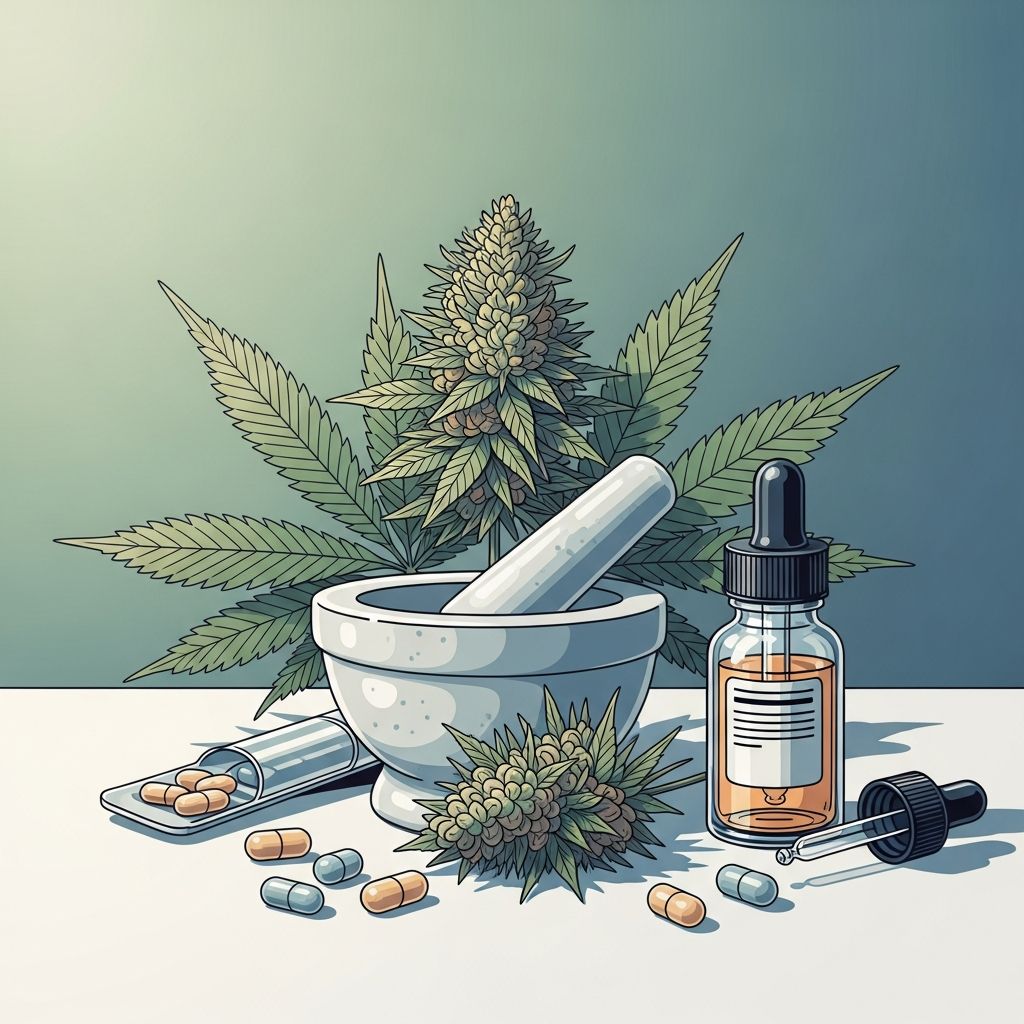
Cannabis-based medicines, derived from the Cannabis sativa plant, contain active compounds like cannabinoids that interact with the body’s endocannabinoid system to potentially alleviate various symptoms. These products, including THC-rich and CBD-dominant formulations, are increasingly recognized for therapeutic roles in managing chronic conditions, though their use requires careful consideration of evidence, regulations, and individual risks.
Understanding Cannabinoids and Their Mechanisms
The primary cannabinoids are tetrahydrocannabinol (THC), responsible for psychoactive effects, and cannabidiol (CBD), which is non-intoxicating. These mimic endocannabinoids, binding to CB1 and CB2 receptors in the brain, nerves, and immune cells to modulate pain, inflammation, appetite, and mood.
THC activates receptors to reduce pain signaling and inflammation, while CBD influences serotonin and other pathways to curb anxiety and seizures. Synthetic versions like dronabinol (THC) and nabilone (THC analog) are FDA-approved for specific uses.
Key Therapeutic Applications
Clinical evidence supports cannabis-based products for several conditions, with strongest data for pain, nausea, and spasticity.
Chronic Pain Management
Chronic pain is the most cited reason for medical cannabis use. Systematic reviews show patients experience about 40% higher odds of pain improvement with cannabinoids like nabiximols compared to placebo. This applies to neuropathic pain from diabetes, MS, HIV, and chemotherapy.
For arthritis, small studies report reduced pain, stiffness, and better sleep with cannabis products targeting inflammation and nerve signaling.
Nausea and Vomiting from Chemotherapy
Oral cannabinoids effectively control chemotherapy-induced nausea and vomiting, outperforming placebo and matching conventional antiemetics, though with more side effects like dizziness.
Dronabinol and nabilone are FDA-approved for this, with evidence from multiple trials confirming their antiemetic properties.
Muscle Spasticity in Multiple Sclerosis
In MS patients, short-term oral cannabinoids like nabiximols and THC reduce patient-reported spasticity by modest amounts (about 0.76 on a 0-10 scale). Reviews deem them probably effective.
One in five MS patients report symptom relief from cannabis, particularly muscle spasms.
Epilepsy and Seizure Disorders
CBD has shown promise in reducing seizure frequency in epilepsy syndromes, backed by decades of research and recent trials. It’s studied for schizophrenia and other neurological issues, though not yet fully marketed for all.
Other Emerging Uses
- Appetite Stimulation: Increases weight in HIV/AIDS patients with wasting syndrome; dronabinol is approved.
- Inflammation and GI Disorders: CBD reduces symptoms in IBS, IBD, Crohn’s, and ulcerative colitis via anti-inflammatory effects.
- Anxiety and PTSD: Some evidence for short-term relief, though THC may worsen mental health in some.
- Cancer Support: Potential anti-tumor effects and chemotherapy side effect mitigation.
Conditions like glaucoma, ALS, Crohn’s, and migraines are approved in some regions, but evidence varies.
Forms of Administration and Product Types
Cannabis medicines come in diverse forms to suit needs:
| Form | Description | Common Uses | Onset/Duration |
|---|---|---|---|
| Oral (capsules, edibles) | Synthetic THC like dronabinol | Nausea, appetite | Slow onset (1-2 hrs), long-lasting |
| Sublingual/Oromucosal Spray | Nabiximols (THC:CBD 1:1) | Spasticity, pain | 15-45 min onset |
| Inhaled (vaporized, smoked) | Whole plant extracts | Acute pain, nausea | Fast onset (minutes), shorter duration |
| Topicals (creams, patches) | CBD-dominant | Localized pain, inflammation | No psychoactivity |
| Oils/Tinctures | CBD oils | Epilepsy, anxiety | Varies |
Related Stories



Research gaps exist on optimal dosing, combinations, and long-term effects of commercial products.
Evidence Strength and Research Insights
National Academies reviews conclude substantial evidence for chronic pain relief, moderate for chemotherapy nausea and MS spasticity. Effects are modest overall.
Recent updates confirm higher THC products slightly outperform lower ones for pain but increase side effects. CBD-high products show balanced benefits.
Trials on nabiximols (40% pain improvement odds) and inhaled cannabis support use, but more data needed for subpopulations.
Potential Risks and Side Effects
Common adverse effects include dizziness, sedation, dry mouth, euphoria, and dysphoria. THC-heavy products risk cognitive impairment, anxiety, and dependency.
Long-term concerns: respiratory issues from smoking, mental health exacerbation (psychosis risk), and interactions with medications. Not recommended for pregnant individuals, youth, or those with psychosis history.
CBD is safer profile-wise but can cause fatigue and liver enzyme elevation at high doses.
Legal and Access Considerations
Availability varies globally. FDA-approved synthetics like dronabinol are prescription-only. In legal states/countries, medical programs cover conditions like pain, epilepsy, MS.
Consult healthcare providers for prescriptions; unauthorized use carries risks. Regulations evolve with research.
Frequently Asked Questions (FAQs)
Is medical cannabis addictive?
THC can lead to dependence in some users, but rates are lower than opioids. CBD has minimal abuse potential.
Can cannabis cure cancer?
No, but it may ease symptoms and shows preclinical anti-cancer promise needing human trials.
How quickly does it work for pain?
Inhaled forms act in minutes; orals take hours. Titration needed for efficacy.
Is CBD legal everywhere?
Hemp-derived CBD (<0.3% THC) is federally legal in many places, but check local laws.
Does insurance cover it?
Rarely for non-FDA products; approved meds like dronabinol may be covered.
Patient Considerations and Best Practices
Start low, go slow with dosing under medical supervision. Monitor for interactions with anticoagulants, sedatives. Vulnerable groups (elderly, mentally ill) require caution.
Combine with lifestyle changes for optimal outcomes. Ongoing trials promise refined applications.
References
- Medical Marijuana: Benefits and Side Effects — WebMD. 2023. https://www.webmd.com/a-to-z-guides/medical-marijuana-faq
- Using Cannabis for Pain Relief — GoodRx. 2024. https://www.goodrx.com/health-topic/cannabis/treatment-marijuana-for-pain
- 7 Potential Health Benefits of Cannabis — Johnson & Wales University. 2021-09-07. https://www.jwu.edu/news/2021/09/7-potential-health-benefits-of-cannabis.html
- Therapeutic Effects of Cannabis and Cannabinoids — NCBI/NIH. 2017. https://www.ncbi.nlm.nih.gov/books/NBK425767/
- Medical marijuana — Mayo Clinic. 2023. https://www.mayoclinic.org/healthy-lifestyle/consumer-health/in-depth/medical-marijuana/art-20137855
- Cannabis products with more THC slightly reduce pain — OHSU News. 2025-12-22. https://news.ohsu.edu/2025/12/22/cannabis-products-with-more-thc-slightly-reduce-pain-cause-more-side-effects
- Cannabis treatments and therapies for MS — MS Society. 2023. https://www.mssociety.org.uk/living-with-ms/treatments-and-therapies/cannabis
Similar Articles








Read full bio of medha deb