Cannabis and Cannabinoids: What You Need to Know
Comprehensive guide to understanding cannabis, THC, CBD, and cannabinoids for informed health decisions.
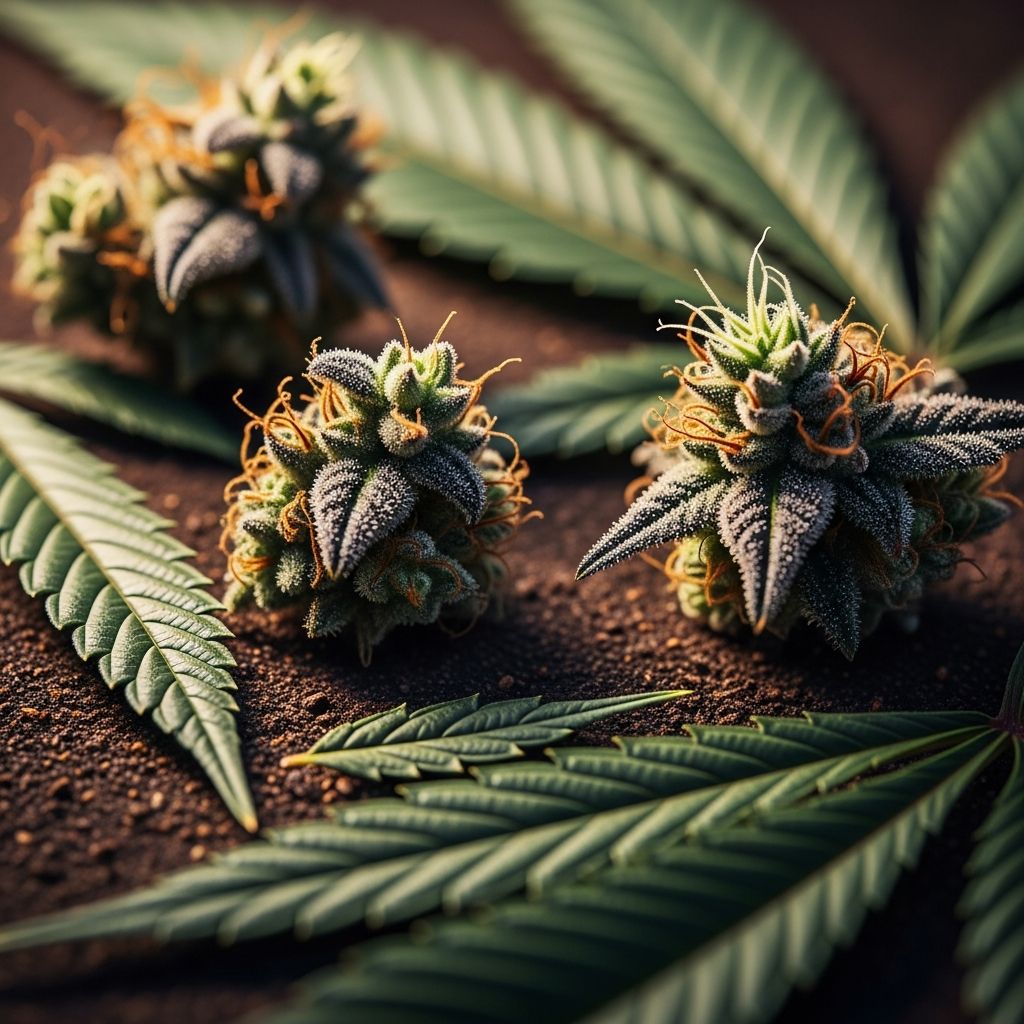
Understanding Cannabis: Plant Basics and Classification
Cannabis is derived from the plant Cannabis sativa, which contains various chemical compounds with biological activity. The classification of cannabis products depends primarily on their tetrahydrocannabinol (THC) content, the substance responsible for the psychoactive effects commonly associated with marijuana use. Under U.S. law, cannabis plants containing substantial amounts of THC are classified as marijuana, while plants containing very little THC (less than 0.3%) are considered industrial hemp.
The cannabis plant is a complex botanical specimen that produces numerous phytochemicals beyond just cannabinoids. These include terpenes, which contribute to the plant’s aroma and strain-specific characteristics, as well as flavonoids and other bioactive compounds. Understanding the distinction between different cannabis products requires knowledge of their chemical composition and the regulatory frameworks that govern their classification.
What Are Cannabinoids?
Cannabinoids are a group of chemical substances naturally found in the cannabis plant that produce drug-like effects in the body, particularly affecting the central nervous system and immune system. These compounds interact with the body’s endocannabinoid system, a complex cell-signaling mechanism involved in various physiological processes. The cannabis plant produces an extensive array of these molecules, making it one of nature’s most chemically diverse plants in terms of psychoactive and bioactive compounds.
The highest concentration of cannabinoids is found in the female flowers of the cannabis plant. This localization of cannabinoids has significant implications for cannabis cultivation and extraction methods used in both recreational and medical applications. Researchers continue to discover new cannabinoids and better understand the functions of known ones through ongoing scientific investigation.
The Main Cannabinoids
While the cannabis plant produces over 100 identified cannabinoids, two primary compounds have received the most attention from researchers and clinicians:
Delta-9-Tetrahydrocannabinol (THC): THC is the main psychoactive cannabinoid in cannabis, meaning it is primarily responsible for the “high” or altered state of consciousness associated with marijuana use. This compound directly affects perception, mood, and cognitive function. THC’s psychoactive properties make it the most regulated and studied cannabinoid, and its presence defines the legal classification of cannabis products in most jurisdictions.
Cannabidiol (CBD): CBD is another active cannabinoid that does not produce the characteristic altered consciousness associated with cannabis use. Instead, CBD may relieve pain, lower inflammation, and decrease anxiety without causing psychoactive effects. This non-intoxicating profile has made CBD increasingly popular in wellness products and medical applications, with growing research supporting its potential therapeutic benefits.
Beyond THC and CBD: The Full Spectrum of Cannabinoids
Beyond the two primary cannabinoids, researchers have identified more than 100 additional cannabinoids in the cannabis plant. These minor cannabinoids represent a largely unexplored frontier in cannabis research, as historically most scientific attention has focused exclusively on THC. Recent initiatives by the National Institutes of Health (NIH) and the National Center for Complementary and Integrative Health (NCCIH) have begun directing resources toward understanding these lesser-known compounds and their potential therapeutic properties.
Related Stories



Many phytochemicals found in cannabis may possess not only analgesic (pain-relieving) properties but also other therapeutic benefits with potentially fewer adverse effects than THC. The cannabis plant contains more than 110 cannabinoids and 120 terpenes, yet historically only THC has been studied extensively. This research gap represents a significant opportunity for advancing our understanding of cannabis’s full therapeutic potential.
Terpenes and Other Plant Constituents
Beyond cannabinoids, the cannabis plant contains numerous other bioactive compounds that contribute to its overall effects and potential medicinal properties. Terpenes are volatile organic compounds that give cannabis its distinctive strain-specific aroma and taste characteristics. These compounds are not unique to cannabis; they are found throughout the plant kingdom and are increasingly recognized for their own biological activities.
The cannabis plant also contains flavonoids and other phytochemicals that may contribute to its therapeutic effects. Some preparations, such as nabiximols (a standardized cannabis extract approved in several countries), contain extracts from multiple cannabis plant varieties combined with other minor cannabinoids, flavonoids, and terpenoids to create a more complex pharmacological profile than single-compound medicines.
Current Research on Cannabis and Cannabinoids
The National Center for Complementary and Integrative Health has prioritized cannabis research as part of its broader mission to investigate complementary and integrative health approaches. In 2019, NCCIH formally launched a research program to expand investigation into the possible benefits of cannabis for pain management. This initiative reflects growing recognition of the need for rigorous scientific evidence regarding cannabis’s therapeutic potential and safety profile.
Recent research funding has focused on several key areas: identifying the mechanisms of action by which cannabidiol affects chronic pain associated with arthritis; investigating minor cannabinoids and terpenes for analgesic properties; and studying pharmacokinetic properties and interactions between cannabis components and conventional medications. These research efforts aim to establish a solid scientific foundation for understanding which cannabis components may have genuine therapeutic value and under what conditions they might be appropriately used.
Potential Medical Applications
Epilepsy and Seizure Disorders
Drugs containing cannabinoids may be helpful in treating certain rare forms of epilepsy. This application represents one of the more established medical uses of cannabinoids, supported by clinical evidence demonstrating efficacy in specific seizure disorders that are resistant to conventional treatments.
Chemotherapy-Related Symptoms
Nausea and vomiting associated with cancer chemotherapy are conditions that may respond to cannabinoid treatment. Cancer patients undergoing aggressive chemotherapy often experience severe nausea that can significantly impact their quality of life and treatment compliance, making symptom management an important therapeutic goal.
Multiple Sclerosis Spasticity
Nabiximols, a standardized cannabis extract containing THC and CBD, has been approved in Canada, New Zealand, and most Western European countries for treating spasticity associated with multiple sclerosis, a condition characterized by muscle stiffness, reduced mobility, and pain, particularly when existing therapies prove unsatisfactory.
Pain Management
Growing evidence points to analgesic properties of the cannabis plant and its constituents, making pain management one of the most promising areas for cannabinoid research. The NCCIH has funded multiple studies investigating how various cannabis components might contribute to pain relief through different mechanisms of action. Research suggests that minor cannabinoids and terpenes may have analgesic properties, though substantial research remains necessary to establish efficacy and appropriate dosing.
Drug Interactions and Pharmacological Considerations
An important consideration in cannabis use is how different cannabinoids interact with each other and with other medications. Research has demonstrated that when THC and CBD are taken together orally, CBD can inhibit the metabolism of THC, leading to increased and potentially stronger drug effects than THC alone would produce.[10] This interaction highlights the complexity of cannabis as a medicine and the importance of understanding how different cannabinoid combinations affect the body.
The National Center for Complementary and Integrative Health supports the Center of Excellence for Natural Product-Drug Interaction Research, which studies interactions between cannabis components and conventional medications. Such research is essential for developing safe clinical guidance regarding cannabis use, particularly for patients taking multiple medications.
Research Challenges and Future Directions
Research on cannabis has historically faced significant scientific and regulatory challenges that have limited our understanding of its full therapeutic potential. These obstacles have created a research gap where cannabis is widely used by the public despite limited rigorous scientific evidence supporting many claimed benefits. The NIH is actively working to address this chasm between medical use and research-informed evidence by coordinating a cannabis and cannabinoid interest group that includes multiple partner institutes, centers, and offices within the agency.
Future research priorities include investigating the mechanisms by which minor cannabinoids and terpenes produce their effects, comparing the efficacy of single compounds versus whole-plant extracts, and establishing appropriate dosing and administration methods for different therapeutic applications. The complexity of cannabis—with its numerous chemotypes and combinations of phytochemicals with potentially antagonistic, additive, or synergistic actions—requires sophisticated research approaches to fully understand its therapeutic potential.
Safety Considerations and Evidence Gaps
Despite widespread assumptions about cannabinoid safety, particularly regarding CBD, evidence gaps remain regarding long-term effects, appropriate dosing, and potential adverse effects. Research comparing pharmacokinetics and pharmacodynamics of different cannabis preparations has revealed that CBD-dominant extracts can produce greater adverse effects than THC-dominant extracts at the same THC dose, suggesting that individual cannabinoid profiles matter significantly for safety and tolerability.
The complex mixture of compounds in cannabis means that standardization and consistency in cannabis products remain challenging. Medical-grade cannabis preparations like nabiximols are standardized to specific concentrations of THC and CBD, but many commercially available cannabis products lack such standardization, making dosing and predicting effects more difficult for consumers.
Regulatory Status and Legal Framework
The regulatory status of cannabis varies significantly across jurisdictions. In the United States, cannabis containing substantial THC remains classified as a Schedule I controlled substance at the federal level, which has historically complicated research efforts. However, recognition of potential medical benefits has led to approval of specific cannabinoid-based medications in certain conditions, and numerous states have legalized medical or recreational cannabis. International regulatory approaches vary, with some countries, particularly in Europe and Commonwealth nations, having approved specific cannabinoid-containing medications for clinical use.
Frequently Asked Questions
Q: What is the difference between marijuana and hemp?
A: Under U.S. law, the primary distinction is THC content. Marijuana refers to cannabis plants containing substantial amounts of THC, while industrial hemp refers to cannabis plants containing very little THC (less than 0.3%). Both come from the same plant species, Cannabis sativa, but are legally classified differently based on their chemical composition.
Q: Is CBD psychoactive?
A: No, CBD does not produce the characteristic altered consciousness or “high” associated with THC. CBD is non-psychoactive, though it may produce other effects on mood and perception without the intoxicating properties of THC.
Q: How many cannabinoids does cannabis contain?
A: The cannabis plant contains over 100 identified cannabinoids, plus approximately 120 terpenes and various flavonoids and other bioactive compounds. However, only THC and CBD have been extensively studied to date.
Q: Are there FDA-approved cannabis medications?
A: Yes, certain cannabinoid-containing medications have been approved by the FDA for specific conditions. Additionally, nabiximols has been approved in Canada, New Zealand, and most Western European countries for multiple sclerosis spasticity, though not yet by the FDA in the United States.
Q: Does CBD interact with other medications?
A: Yes, research indicates that cannabinoids, including CBD, can interact with other medications and affect their metabolism. It is important to consult with healthcare providers before using cannabis or cannabinoid products, particularly if taking other medications.
Q: Why is cannabis research limited compared to other plants?
A: Cannabis research has faced significant regulatory and legal barriers that have slowed scientific investigation. However, these restrictions are gradually being relaxed as more researchers and institutions receive funding and approval to study cannabis and its components.
References
- Cannabis and Cannabinoids (PDQ®) — National Cancer Institute. 2024. https://www.cancer.gov/about-cancer/treatment/cam/hp/cannabis-pdq
- Cannabis and Cannabinoids (PDQ®): Integrative, alternative, and complementary therapies — National Center for Health Integration. 2024. https://www.cham.org/HealthwiseArticle.aspx?id=ncicdr0000688139
- NCCIH Research on Cannabis and Cannabinoids for Pain Management — National Center for Complementary and Integrative Health, National Institutes of Health. 2024. https://pmc.ncbi.nlm.nih.gov/articles/PMC11493444/
- Cannabis (Marijuana) and Cannabinoids: What You Need To Know — National Center for Complementary and Integrative Health. 2024. https://www.nccih.nih.gov/health/cannabis-marijuana-and-cannabinoids-what-you-need-to-know
- Marijuana — Mayo Clinic. 2024. https://www.mayoclinic.org/drugs-supplements-marijuana/art-20364974
- NIH to Investigate Minor Cannabinoids and Terpenes for Potential Pain-Relieving Properties — National Center for Complementary and Integrative Health, National Institutes of Health. 2024. https://www.nccih.nih.gov/news/press-releases/nih-to-investigate-minor-cannabinoids-and-terpenes-for-potential-painrelieving-properties
- When Taken Orally, Δ9-Tetrahydrocannabinol With Cannabidiol Can Result in Stronger Drug Effects Than Δ9-Tetrahydrocannabinol Alone — National Center for Complementary and Integrative Health. 2024. https://www.nccih.nih.gov/research/research-results/when-taken-orally-9-tetrahydrocannabinol-with-cannabidiol-can-result-in-stronger-drug-effects-than-9-tetrahydrocannabinol-alone
Similar Articles








Read full bio of Sneha Tete