Cannabis Drinks vs Alcohol: Key Differences Explained
Discover how cannabis beverages compare to alcohol in effects, safety, and health impact.
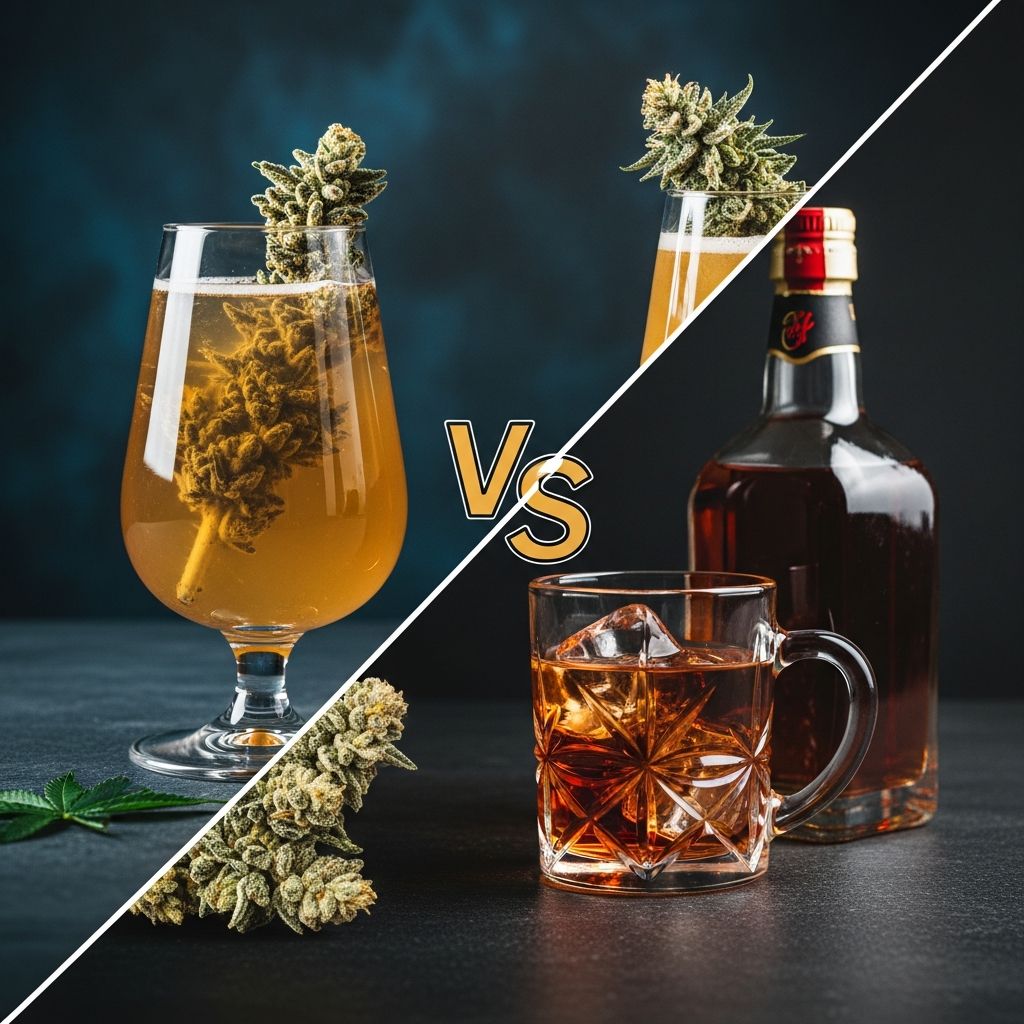
Cannabis Drinks vs. Alcohol: How Do They Compare?
As wellness trends shift and more consumers explore alternatives to traditional alcoholic beverages, cannabis-infused drinks have emerged as an increasingly popular option. The landscape of social drinking is changing, with many individuals seeking different experiences or adopting sober-curious lifestyles. Understanding how cannabis drinks compare to alcohol is essential for making informed choices about which option suits your lifestyle and health goals.
Cannabis beverages represent a relatively new category in the consumer market, gaining significant traction in states where cannabis is legal. These drinks promise relaxation, creativity, and social enjoyment—often marketed as a healthier or less harmful alternative to traditional alcohol. However, the reality is more nuanced. Both substances carry distinct effects on the body and brain, different timelines for onset, varying health implications, and unique social considerations. This comprehensive guide examines the key differences between cannabis drinks and alcohol to help you understand what you’re actually consuming.
Understanding Cannabis Drinks and Their Composition
Cannabis drinks are beverages infused with cannabinoids, the active compounds found in cannabis and hemp plants. While over 100 cannabinoids exist, the most commonly included in beverages are tetrahydrocannabinol (THC) and cannabidiol (CBD). THC is the psychoactive compound responsible for the “high” associated with cannabis, while CBD is non-psychoactive and is often marketed for its potential calming or anti-inflammatory properties.
State laws regulate whether cannabis drinks contain THC, CBD, or both. THC-infused beverages typically range from 2mg (“low-dose”) to 200mg per container, with some products also including substances like caffeine or even alcohol. However, the lack of industry standardization means that THC and CBD content varies widely across products, making it crucial for consumers to carefully read labels and understand exactly what they’re purchasing.
Hemp-derived THC drinks have become increasingly prominent, even in states where cannabis remains illegal. These products tap into the growing market of consumers curious about cannabis without legal barriers. The formulation of cannabinoids in beverages is specifically engineered to dissolve in liquid, which allows for rapid absorption through soft tissues in the mouth and digestive system.
How They Work in the Body: Cannabis vs. Alcohol
Cannabis and alcohol affect the body and brain through fundamentally different mechanisms, resulting in distinct experiences and timelines.
Alcohol’s Mechanism of Action
Alcohol acts as a depressant on the central nervous system, dulling the senses and creating a predictable cascade of effects as blood alcohol content rises. When consumed, alcohol enters the bloodstream quickly—typically taking effect within 10 to 15 minutes. The body metabolizes alcohol at a relatively consistent rate, making the experience somewhat predictable based on quantity and individual tolerance.
Cannabis’s Mechanism of Action
Unlike alcohol, THC interacts with the brain’s endocannabinoid system, a complex network of receptors throughout the body involved in regulating mood, memory, pain perception, and other functions. This interaction can lead to feelings of euphoria and relaxation, but also cause anxiety, paranoia, or nausea, depending heavily on the dose and individual factors.
The onset timeline for cannabis drinks differs significantly from alcohol. While alcohol takes 10–15 minutes to take effect, cannabis-infused beverages engineered for rapid absorption can hit in just 15–20 minutes—far quicker than traditional edibles like gummies or brownies, which take 30–90 minutes to kick in due to digestion. However, some cannabis drinks may take up to 2 hours to produce noticeable effects. This variability in onset time creates a critical safety concern: newcomers may consume additional amounts thinking the beverage isn’t working, leading to unintended overconsumption.
Related Stories



Predictability and Familiarity
One of the most important differences between these substances lies in predictability and consumer familiarity.
Most people understand their alcohol tolerance—knowing roughly how they’ll feel after one beer or two glasses of wine. This familiarity allows drinkers to moderate consumption more easily in social settings. The effects are relatively consistent and dose-dependent in ways consumers have learned through experience or observation.
Cannabis drinks, however, present significant unpredictability challenges. Factors like THC concentration, individual metabolism, body weight, food consumption, and personal sensitivity can lead to vastly different experiences between users or even between uses by the same individual. For newcomers, overindulging can result in an outcome that’s far less enjoyable than anticipated—potentially manifesting as intense anxiety, dizziness, paranoia, or elevated heart rate rather than mild relaxation.
Additionally, cannabis stays in your system longer than alcohol, and its effects can vary dramatically from person to person, creating unpredictable social dynamics. This unpredictability makes cannabis drinks particularly risky in social situations where peer pressure may be present, as individuals cannot reliably predict their personal response beforehand.
Health Risks and Long-Term Effects
Both cannabis and alcohol carry potential health risks, but those risks differ significantly in nature and severity.
Alcohol’s Health Impact
Alcohol, though widely accepted and legal, comes with well-documented long-term dangers including liver damage, cardiovascular disease, and addiction. The risks of alcohol consumption increase with regular use and heavier quantities. Additionally, alcohol is calorie-dense—a pint of beer can contain up to 200 calories—making it problematic for weight management.
Cannabis’s Health Impact
Regular, long-term use of THC drinks—especially at high doses—has been linked to cognitive impairment, dependency, and cannabis hyperemesis syndrome, which causes severe nausea and vomiting. THC significantly alters brain function, and in young people, it can interfere with brain development, affect memory and concentration, and increase the risk of mental health issues like anxiety, depression, or psychosis.
Teens and young adults using cannabis regularly in high-potency forms like drinks or edibles have shown links to long-term cognitive harm and increased risk of addiction. For older adults or those with heart conditions or medications, THC can pose serious health risks and potentially interact with prescription drugs. Cannabis-related emergency room visits have risen among older adults as the substance grows more accessible, with the unpredictable nature of drug metabolism in aging individuals making cannabis consumption particularly risky for this demographic.
One significant advantage cannabis drinks have over alcohol is the absence of the next-morning headache and fatigue associated with alcohol consumption. Many cannabis-infused drinks are also designed to be lower in calories than alcoholic beverages, making them appealing for health-conscious consumers.
Social and Cultural Considerations
The social context surrounding these substances differs dramatically.
Alcohol has been deeply ingrained in most cultures for centuries, serving as an established feature of celebrations, dinners, formal events, and nightlife. Its social acceptability is nearly universal, and rituals around alcohol consumption are woven into social fabric globally.
Cannabis, by contrast, is still emerging in mainstream culture as a socially acceptable alternative. While cannabis drinks appeal to younger, progressive audiences, they may still face stigma among older or more conservative groups. The shift toward cannabis represents a generational divide in attitudes about substance use and social rituals.
For many seeking sobriety or reduced alcohol consumption, cannabis drinks provide a middle ground that fits into “Cali sober” lifestyles, wherein people avoid alcohol in favor of cannabis. However, this framing requires critical examination, as cannabis use carries its own risks and dependencies that shouldn’t be overlooked in favor of simply avoiding alcohol.
Key Safety Considerations
Several critical safety points distinguish cannabis drinks from alcohol:
- Delayed Effects Create Overconsumption Risk: The 30-minute to 2-hour delay before cannabis effects become apparent can trick consumers into consuming more than intended. Unlike alcohol’s relatively rapid onset, this delayed timeline increases the risk of dangerous overconsumption.
- Product Inconsistency: The potency of various cannabis products varies significantly, and some beverages might contain pesticides, solvents, or unlisted cannabinoids. Consumers must research products carefully before purchasing.
- Individual Variation: Cannabis effects are highly individualized, making it difficult to predict personal responses. What produces mild relaxation in one person might trigger intense anxiety in another.
- Mixing Substances: Combining cannabis drinks with alcohol can amplify side effects and increase the risk of poor judgment or nausea.
- Vulnerable Populations: Pregnant individuals, teens, people with mental health conditions, and those with heart conditions face elevated risks from cannabis consumption.
- Driving and Operating Machinery: Just as with alcohol, operating vehicles or machinery after consuming cannabis is dangerous and illegal.
Comparison Table: Cannabis Drinks vs. Alcohol
| Factor | Cannabis Drinks | Alcohol |
|---|---|---|
| Onset Time | 15–20 minutes to 2 hours | 10–15 minutes |
| Mechanism | Interacts with endocannabinoid system | Depressant on central nervous system |
| Predictability | Highly variable; difficult to predict | Relatively predictable based on tolerance |
| Duration in System | Longer duration; varies widely | Metabolized at consistent rate |
| Calorie Content | Generally lower | Often high (beer: ~200 cal/pint) |
| Next-Day Effects | No hangover | Hangover, fatigue common |
| Social Acceptance | Emerging; varies by demographics | Widely established and normalized |
| Cognitive Impact (Long-term) | Memory, concentration issues; higher risk in youth | Brain damage with chronic use |
| Addiction Potential | Moderate to high | High |
| Product Standardization | Highly variable; inconsistent dosing | Standardized alcohol content |
Are Cannabis Drinks a “Healthier” Alternative?
Cannabis drinks are frequently marketed as a “healthier” alternative to alcohol, but this claim deserves scrutiny. Just because something is legal or plant-based doesn’t automatically make it safe. While cannabis drinks do offer certain advantages—no hangover, lower calories, no liver damage—they carry distinct health risks that shouldn’t be minimized.
The absence of certain alcohol-related health problems doesn’t mean cannabis drinks are risk-free. They present their own set of concerns, particularly regarding cognitive function, mental health impacts, potential dependency, and unpredictable effects. The marketing of cannabis products as “healthy” alternatives may lead consumers to underestimate genuine risks.
Frequently Asked Questions
Q: How quickly do cannabis drinks take effect compared to alcohol?
A: Cannabis drinks typically take 15–20 minutes to 2 hours to produce effects, while alcohol takes 10–15 minutes. The delayed and variable onset of cannabis drinks creates a higher risk of overconsumption among users who think the beverage isn’t working.
Q: Can you predict how cannabis drinks will affect you like you can with alcohol?
A: No. Cannabis drinks are much less predictable than alcohol due to factors like individual metabolism, THC concentration variations, and personal sensitivity. Effects can vary dramatically between individuals and between uses, making moderation more difficult.
Q: Are cannabis drinks healthier than alcohol?
A: Cannabis drinks offer certain advantages over alcohol—no hangover, typically lower calories, no liver damage—but they’re not automatically “healthier.” They carry distinct risks including cognitive impairment, dependency potential, and mental health effects, particularly in younger users.
Q: What are the risks of mixing cannabis drinks with alcohol?
A: Combining the two can amplify side effects, increase risk of poor judgment, nausea, and other dangerous outcomes. It’s strongly recommended to avoid mixing these substances.
Q: Who is most at risk from cannabis drink consumption?
A: Pregnant individuals, teenagers and young adults, people with mental health conditions, and those with heart conditions face elevated risks. Older adults also show increased vulnerability due to unpredictable drug metabolism.
Q: Is it safe to drive after consuming cannabis drinks?
A: No. Operating vehicles or machinery after consuming cannabis is both dangerous and illegal, similar to driving under the influence of alcohol.
References
- Cannabis Drinks vs. Alcohol: Which Should You Choose? — SoberishReads. 2024. https://www.soberishreads.com/latest-reads/thc-drinks-vs-alcohol-which-should-you-choose
- Cannabis Drinks vs. Alcohol: A New Social Sip? — HC DrugFree. 2025-06. https://www.hcdrugfree.org/2025/06/cannabis-drinks-vs-alcohol-a-new-social-sip/
- Your Patients Think THC Drinks Are Healthier Than Alcohol. Are They? — MDLinx. 2025. https://www.mdlinx.com/article/your-patients-think-thc-drinks-are-healthier-than-alcohol-are-they/7pY42IOZpWs2D5BDVOL7Zf
- Cannabis Drinks Are Having a Moment Even as Americans Consume Less Booze — CBS News. 2024. https://www.cbsnews.com/news/cannabis-infused-drinks-target-thc-beverages/
Similar Articles








Read full bio of Sneha Tete