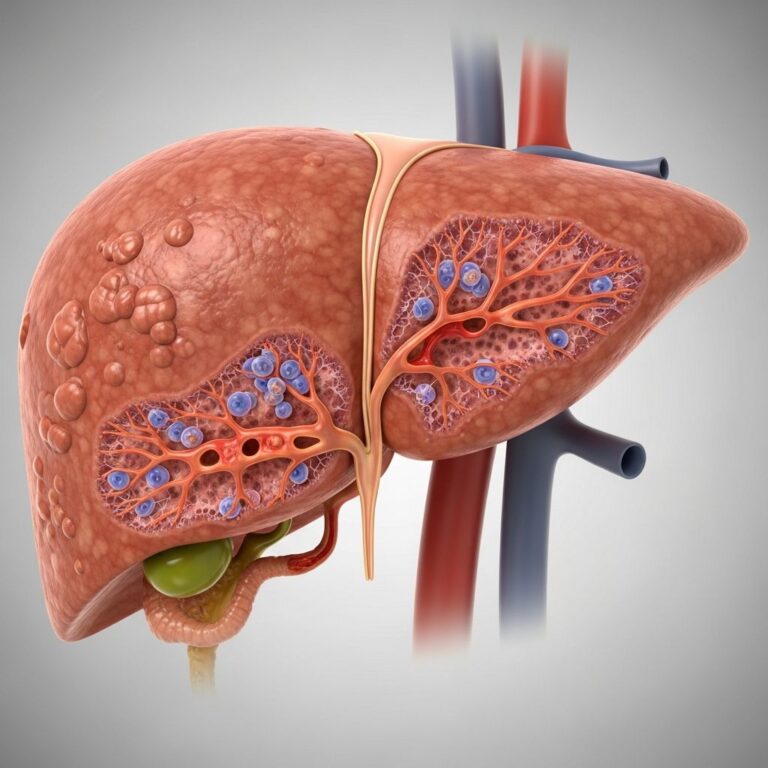
Cannabis And Glaucoma: 4 Safer Alternatives And Key Facts
Explore the science behind cannabis use for glaucoma, weighing short-term IOP benefits against long-term risks and superior alternatives.
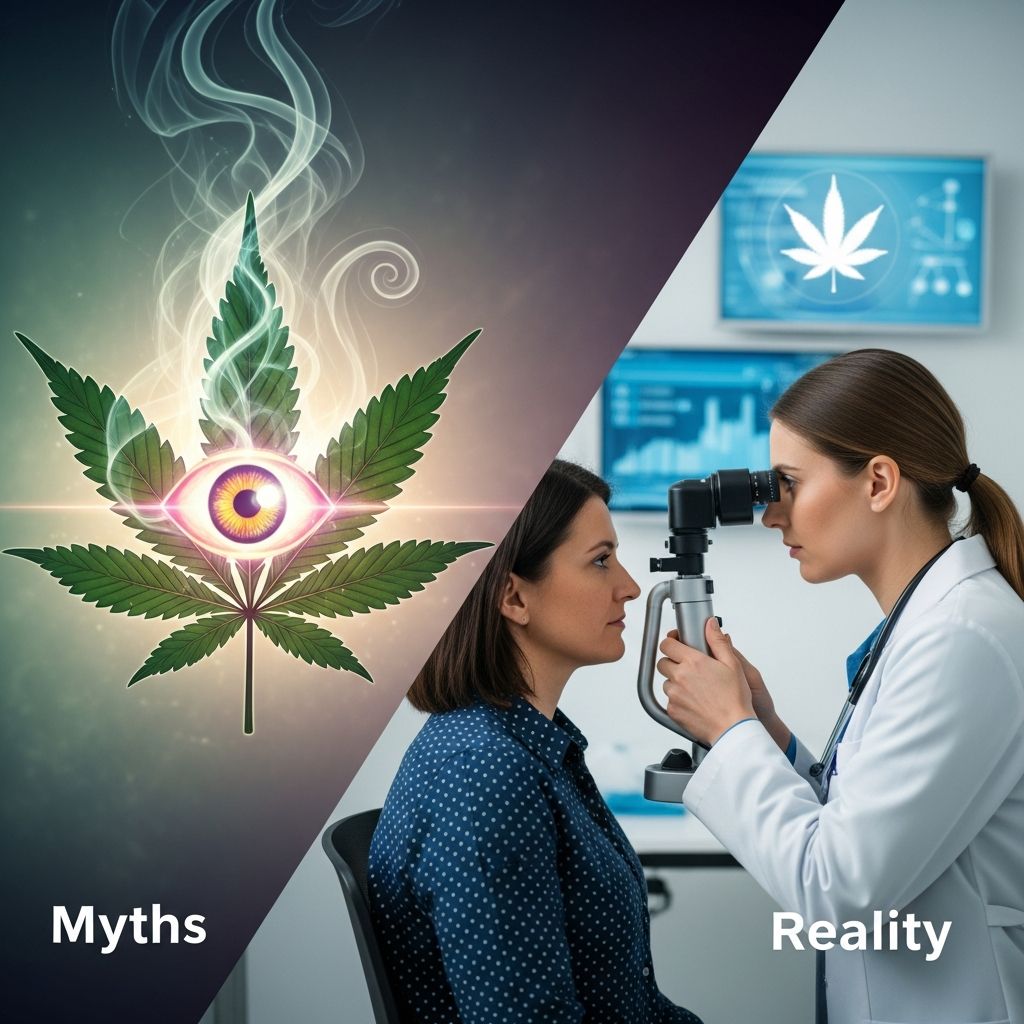
Glaucoma, a leading cause of irreversible blindness, damages the optic nerve primarily due to elevated intraocular pressure (IOP). While cannabis compounds like THC can temporarily reduce IOP in 60-65% of users, they do not constitute a viable long-term treatment due to short duration, systemic side effects, and the availability of safer, more effective therapies.
Understanding Glaucoma and the Role of IOP
Glaucoma encompasses a group of eye conditions where progressive optic nerve damage leads to vision loss. The most common form, primary open-angle glaucoma (POAG), affects millions worldwide. Elevated IOP, caused by impaired drainage of aqueous humor—the fluid nourishing the eye—stresses the optic nerve.
Standard treatments include eye drops (prostaglandin analogs, beta-blockers), laser procedures, and surgery, which lower IOP for 12-24 hours or longer with minimal systemic impact. These interventions slow progression effectively when used consistently.
- Aqueous humor dynamics: Produced by the ciliary body, this fluid maintains eye shape and nutrition. Blockages in trabecular meshwork drainage raise IOP.
- Optic nerve vulnerability: Retinal ganglion cell death occurs from mechanical stress and ischemia, independent of IOP in some cases.
- Target IOP reduction: Clinicians aim for 20-50% lowering based on baseline risk.
How Cannabinoids Interact with the Eye
Cannabinoids, including delta-9-tetrahydrocannabinol (THC) and cannabidiol (CBD), bind to CB1 and CB2 receptors in ocular tissues. THC activates CB1 receptors in the ciliary body, reducing aqueous humor production via cyclic AMP modulation and potassium channel effects.
Animal and human studies show cannabinoids increase uveoscleral outflow, further decreasing IOP. However, these effects are inconsistent across individuals and routes of administration.
| Cannabinoid | Primary Mechanism | IOP Effect |
|---|---|---|
| THC | CB1 activation, reduced aqueous production | 25-30% drop in 60-65% of users |
| CBD | Possible sympathetic modulation | Minimal or placebo-equivalent |
| Synthetic analogs (e.g., HU211) | Non-psychoactive IOP reduction | Promising, no euphoria |
Clinical Evidence from Key Studies
Research since the 1970s demonstrates acute IOP lowering. A 1971 study on healthy volunteers smoking 2g cannabis reported IOP changes from +4% to -45%, averaging 25% reduction lasting 3-4 hours.
In glaucoma patients, 7 of 11 showed ~30% IOP drop after 2% THC cigarettes. Oral THC required higher doses due to poor absorption but still affected 60-65% of subjects.
A placebo-controlled crossover trial with sublingual THC/CBD in ocular hypertension patients found THC reduced IOP by 6.55 mmHg vs. placebo, but CBD did not. Larger cohorts (300+ volunteers) confirm consistency across smoking, oral, IV, and topical routes, yet duration remains 3-4 hours.
Chronic use studies reveal tachyphylaxis—rapid tolerance—rendering repeated dosing ineffective. Systemic toxicity from frequent smoking includes pathological lung changes.
Related Stories



Limitations of Smoking or Ingesting Cannabis
Smoking marijuana delivers rapid THC onset but exposes lungs to tar and carcinogens, unsuitable for lifelong glaucoma management. Oral ingestion delays effects and demands higher doses, amplifying psychoactivity.
- Short action window: 3-4 hours vs. 12+ for drops.
- Tolerance buildup: Daily use loses efficacy quickly.
- Psychotropic burden: Euphoria, anxiety, impaired cognition unfit for drivers or workers.
Orthostatic hypotension, tachycardia, conjunctival injection, and reduced lacrimation accompany use, complicating adherence.
Potential of Targeted Cannabinoid Therapies
While whole-plant cannabis falters, purified or synthetic cannabinoids offer hope. Topical formulations using cyclodextrins or microemulsions enhance solubility, bypassing systemic exposure.
Non-psychoactive analogs like dexanabinol (HU211) retain IOP-lowering via unique receptor interactions, potentially additive to existing drugs. These could target outflow enhancement without abuse potential.
Ongoing research explores neuroprotective effects on retinal ganglion cells, addressing glaucoma beyond IOP control.
Reported Side Effects and Safety Concerns
Acute effects include anxiety (44%), postural hypotension (28%), euphoria/drowsiness (100% in one study), and ocular hyperemia/ptosis (50%). Long-term smoking risks cardiovascular strain and respiratory damage.
In neurally isolated eyes, THC’s IOP effect diminishes, indicating central nervous system mediation—problematic for targeted therapy.
Glaucoma Treatments: Risk Profile
| Treatment | Duration | Side Effects | Systemic Impact |
|---|---|---|---|
| Eye Drops | 12-24 hrs | Local irritation | Minimal |
| Cannabis Smoking | 3-4 hrs | Psychoactive, respiratory | High |
| Oral THC | 4-6 hrs | Euphoria, hypotension | High |
| Synthetic Topicals | Unknown | Potential low | Low |
Expert Consensus and Current Guidelines
Ophthalmology bodies like the American Academy of Ophthalmology and Glaucoma Australia advise against cannabis for glaucoma. Benefits do not outweigh risks; proven therapies suffice.
NIH panels diverged on delivery—smoking vs. isolates—but evidence favors cannabinoids over plant material. No major guidelines endorse cannabis.
Alternatives to Consider for IOP Control
- Prostaglandins (latanoprost): Enhance uveoscleral outflow, once-daily.
- Rho kinase inhibitors (netarsudil): Target trabecular meshwork.
- Laser trabeculoplasty: Outpatient, durable effect.
- Minimally invasive glaucoma surgery (MIGS): Quick recovery.
Combination therapies achieve superior, sustained control without psychoactive interference.
Frequently Asked Questions
Does marijuana cure glaucoma?
No, it only temporarily lowers IOP without halting progression or reversing damage.
How much IOP reduction occurs with cannabis?
Average 25-30% in responders (60-65%), lasting 3-4 hours.
Is CBD effective for glaucoma?
Limited evidence; often no better than placebo.
Can I use cannabis alongside eye drops?
Not recommended due to interactions and unreliability; consult an ophthalmologist.
Are there future cannabinoid eye drops?
Research into non-psychoactive topicals shows promise but none approved yet.
Navigating Legal and Practical Considerations
Medical cannabis legality varies, but glaucoma-specific approval is absent. Self-medication risks vision; regular monitoring is essential.
Patients should prioritize evidence-based care, discussing alternatives with specialists.
References
- Marijuana Smoking vs Cannabinoids for Glaucoma Therapy — Green K. Arch Ophthalmol (JAMA Ophthalmology). 1998-11-01. https://jamanetwork.com/journals/jamaophthalmology/fullarticle/264203
- Cannabinoids for the Treatment of Glaucoma: A Review — PMC (PubMed Central). Recent (post-2020). https://pmc.ncbi.nlm.nih.gov/articles/PMC11521503/
- Is Cannabis a Treatment for Glaucoma? — Glaucoma Australia. Recent. https://glaucoma.org.au/news-details/treatment/is-cannabis-a-treatment-for-glaucoma
- Marijuana and Glaucoma — Glaucoma Today. 2018-03. https://glaucomatoday.com/articles/2018-mar-apr/marijuana-and-glaucoma
- Is Marijuana a Treatment for Glaucoma? — Washington University Ophthalmology. Recent. https://ophthalmology.wustl.edu/is-marijuana-a-treatment-for-glaucoma/
(Word count: 1678)
Similar Articles








Read full bio of Sneha Tete