Cannabis Smoking and Respiratory Health: What Research Shows
Latest Harvard research reveals cannabis poses fewer respiratory risks than tobacco smoking.
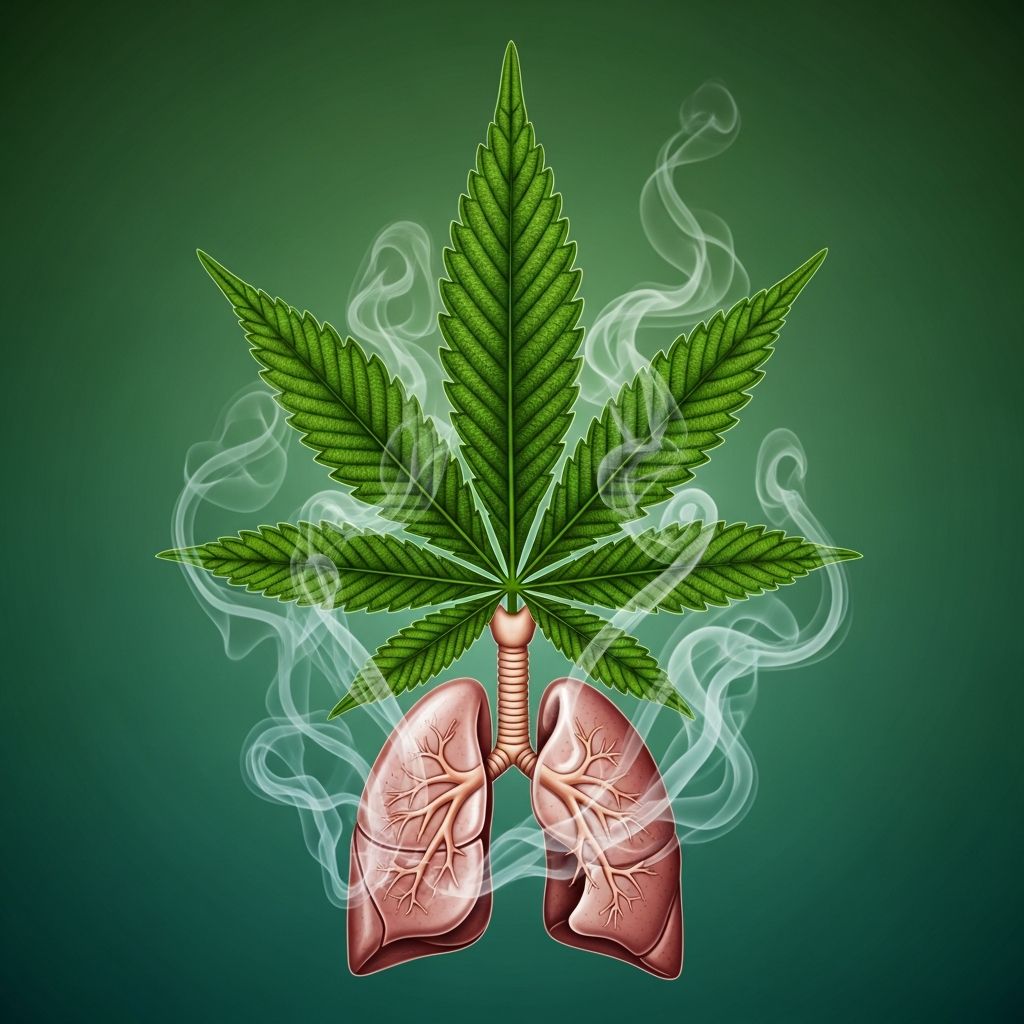
For decades, the conversation around smoking has centered primarily on tobacco and its devastating effects on lung health. However, recent scientific research from Harvard Medical School is shedding new light on how cannabis smoke affects the respiratory system—and the findings may surprise many. A groundbreaking study published in Current Problems in Diagnostic Radiology compared the pulmonary effects of cannabis and tobacco smoking, revealing significant differences in how these substances impact lung tissue and function. This research adds substantial evidence to a growing body of scientific literature suggesting that cannabis and tobacco have distinctly different effects on respiratory health.
Understanding these differences is increasingly important as more jurisdictions legalize cannabis for medical and recreational use. For smokers and policymakers alike, distinguishing between the actual health risks of cannabis and those associated with tobacco could reshape public health messaging and regulatory approaches. This article explores what the latest research reveals about cannabis and respiratory health, including comparisons to tobacco, the specific risks and benefits, and safer methods of consumption.
The Harvard Study: Methodology and Key Findings
The Harvard Medical School research represents one of the most comprehensive comparative analyses of smoking effects on lung tissue. Researchers examined chest CT scans from three distinct groups: 89 non-smokers who served as the control group, 97 tobacco smokers, and 99 exclusive marijuana smokers. By using high-resolution computed tomography imaging, scientists could visualize and measure specific changes in lung structure and density with remarkable precision.
The findings revealed a striking divergence in respiratory health outcomes between the tobacco and cannabis smoking groups. Tobacco smokers exhibited considerably more damage to their lungs, including a higher incidence of emphysema—a progressive disease characterized by the destruction of lung tissue and air sacs. In contrast, the study found no positive correlation between exclusive marijuana smoking and the development of emphysema or pulmonary hyperinflation, a condition where air becomes trapped in the lungs, causing them to over-inflate.
This distinction is particularly significant because emphysema is one of the most serious and irreversible consequences of smoking-related lung damage. The fact that marijuana smokers in this study showed no increased tendency toward emphysema development challenges long-standing assumptions about the equivalence of cannabis and tobacco smoke exposure.
Understanding the Differences Between Cannabis and Tobacco Smoke
While both cannabis and tobacco produce smoke when burned, the composition and effects of that smoke differ in important ways. The combustion byproducts of these two substances have distinct impacts on the respiratory system, according to the researchers’ conclusions. This distinction stems partly from the chemical composition of the plants themselves and the different compounds they produce when heated.
Tobacco smoke contains thousands of chemicals, many of which are well-documented carcinogens and respiratory irritants. The nicotine in tobacco creates a highly addictive substance that perpetuates smoking behavior, typically leading to chronic, long-term exposure. Cannabis smoke, while containing some harmful compounds such as tar and certain irritants, appears to trigger different inflammatory responses and tissue damage patterns in the lungs.
Research indicates that marijuana smokers often inhale more deeply and hold the smoke in their lungs longer than tobacco smokers, which theoretically could increase exposure to certain toxins. However, the cumulative damage appears to follow a different trajectory than with tobacco use. While marijuana smoking can cause acute respiratory irritation, chronic bronchitis, and impairment of small airway function, the progression to emphysema observed with tobacco use has not been consistently demonstrated in cannabis-only smokers.
Related Stories



Respiratory Health Risks Associated with Cannabis Smoking
Despite the encouraging findings regarding emphysema risk, cannabis smoking is not without respiratory consequences. Regular marijuana smoking can produce several documented effects on lung health and function:
Acute and Chronic Respiratory Effects
Regular cannabis smoking can cause bronchial irritation leading to persistent coughing and wheezing, acute bronchospasm (sudden constriction of airway muscles), and increased mucus production in the respiratory tract. Long-term users may develop chronic bronchitis characterized by daily cough and phlegm lasting for months. Additionally, marijuana smoke can damage the protective cilia—hair-like structures in the lungs that clear particles and pathogens—and cause inflammation of the lung tissue.
Immune Function in the Lungs
Smoking marijuana regularly can damage the cells in the bronchial passages that protect the body against inhaled microorganisms and may decrease the ability of immune cells in the lungs to fight off fungi, bacteria, and tumor cells. For individuals with already weakened immune systems, this represents a significant concern and increases the possibility of dangerous pulmonary infections, including pneumonia.
Cancer Risk Considerations
While marijuana smoke contains substances known to potentially damage the lungs and carcinogens similar to those found in tobacco smoke, current research has not definitively established a causal link between cannabis smoking and lung cancer to the degree that exists for tobacco. However, the connection has been strongly suggested, and precancerous abnormalities have been documented in the bronchial lining and lungs of regular users. Long-term heavy marijuana smokers may develop lung changes similar to tobacco smokers, including hyperinflation.
Key Differences in Health Outcomes: Cannabis vs. Tobacco
| Health Outcome | Tobacco Smoking | Cannabis Smoking |
|---|---|---|
| Emphysema Development | Significantly increased risk with chronic use | No increased risk demonstrated in current research |
| Chronic Bronchitis | Well-established causal link | Can occur with regular use but pattern differs |
| Lung Cancer | Strongly established causal link (125,000+ deaths annually in US) | Suggested association but not conclusively proven |
| Pulmonary Infections | Increased susceptibility | Increased susceptibility with regular use |
| Acute Respiratory Irritation | Common with use | Common with use |
| Addictive Properties | Highly addictive (nicotine) | Low addiction potential but psychological dependence possible |
The Role of Inhalation Depth and Smoking Behavior
An important factor in understanding respiratory effects involves how users consume these substances. Marijuana users often inhale more deeply and hold the smoke in their lungs longer than tobacco users, potentially increasing exposure to certain toxins. However, this behavior does not fully explain why emphysema development differs so dramatically between the two groups. The chemical composition of the smoke itself, rather than inhalation technique alone, appears to be the primary driver of different health outcomes.
Additionally, lifestyle factors complicate research. Many cannabis users also smoke tobacco, making it difficult to isolate cannabis-specific effects. Genetic factors may also influence individual susceptibility to respiratory damage, with certain genetic mutations affecting lung detoxification enzymes and increasing vulnerability to smoke-related injury.
Vaporization: A Lower-Risk Alternative
Recognizing the potential respiratory risks of smoking cannabis in any form, researchers and harm reduction advocates have emphasized vaporization as a significantly safer consumption method. Vaporization works by heating cannabis to a temperature below the point of burning, typically between 356°F and 374°F (180°C to 190°C). This process releases the active cannabinoids while minimizing the production of harmful combustion byproducts.
Clinical trials have recognized vaporization as a “safe and effective” delivery method for cannabis. By avoiding combustion, vaporization dramatically reduces exposure to toxic gases and tar that characterize smoke inhalation. Vaporized cannabis delivers the desired therapeutic or recreational compounds without the respiratory irritation and inflammatory response associated with smoking. For individuals concerned about lung health, vaporization represents a practical harm reduction strategy that maintains access to cannabis while substantially reducing respiratory risk.
However, vaporization is not entirely risk-free. The vaping industry includes many unregulated products with unknown additives and quality standards. Users should carefully evaluate vaporizer products and prefer those from established manufacturers with third-party testing. Additionally, vaping patterns and individual user behavior influence safety outcomes.
Pulmonary Function and Cannabis Use
Research examining pulmonary function in cannabis users has revealed interesting patterns. Studies measuring forced vital capacity (FVC)—the total amount of air a person can exhale after breathing in deeply—found that past cannabis users showed FVC values 75 milliliters higher than never-users, while current users had even higher values, ranging from 159 to 204 milliliters above baseline, depending on recency of use.
However, these findings should not be interpreted as indicating improved lung function. Current marijuana use was also associated with lower levels of exhaled nitric oxide (eNO), a marker of pulmonary vascular function and airway inflammation. The lower eNO in marijuana smokers suggests that short-term exposure to marijuana may, like tobacco, acutely affect the pulmonary vascular endothelium and impair airflow through small airways. These mixed findings underscore the complexity of cannabis effects on the respiratory system and highlight areas requiring further research.
Policy Implications and Public Health Recommendations
The Harvard Medical School findings have significant implications for cannabis policy, particularly in states like Michigan that have established regulated markets. The research provides scientific foundation for several policy recommendations:
Public Education: Policies should prioritize public education regarding the differing health risks associated with cannabis and tobacco. Many Americans correctly perceive that tobacco poses greater harms than cannabis, yet this understanding should be supported by accurate scientific information rather than assumption.
Research Funding: Continued investment in research examining the long-term health effects of various cannabis consumption methods remains essential, particularly as new products and delivery mechanisms emerge.
Harm Reduction Strategies: Regulatory frameworks should support and promote harm reduction strategies, including access to vaporization technology and comprehensive consumer information about safer consumption methods.
Regulatory Consistency: The incongruity between cannabis scheduling as a Schedule I controlled substance (implying high abuse potential and no medical use) while tobacco remains unscheduled despite causing hundreds of thousands of preventable deaths annually warrants policy reconsideration based on comparative risk assessment.
Important Caveats and Areas of Uncertainty
While recent research provides reassuring evidence regarding certain respiratory outcomes in cannabis users compared to tobacco smokers, important uncertainties remain. Long-term studies following cannabis users over decades are limited, particularly for the current generation of cannabis consumers. The increasing potency of cannabis products and the emergence of new consumption technologies like concentrate vaping introduce variables not yet thoroughly studied.
Furthermore, cannabis smoke still contains many of the same irritants and potential carcinogens as tobacco smoke. Even if emphysema risk differs, cannabis smoking can cause acute and chronic respiratory symptoms, potentially worsen existing conditions like asthma or chronic obstructive pulmonary disease, and damage immune function in the lungs. Individuals with serious lung conditions should consult healthcare providers before using any smoking product.
Frequently Asked Questions
Q: Is cannabis smoking completely safe for the lungs?
A: No. While cannabis poses fewer risks than tobacco and shows no increased emphysema risk, regular cannabis smoking can still cause chronic bronchitis, respiratory irritation, immune suppression in the lungs, and potentially increase cancer risk. However, these effects appear less severe than those from tobacco smoking.
Q: Does cannabis smoking cause emphysema?
A: According to the Harvard Medical School study, exclusive marijuana smoking shows no positive correlation with emphysema development, contrasting sharply with tobacco smoking. However, cannabis can cause other respiratory conditions including chronic bronchitis and airway damage.
Q: Is vaporization safer than smoking cannabis?
A: Yes. Vaporization significantly reduces exposure to harmful combustion byproducts and has been recognized in clinical trials as a “safe and effective” delivery method. However, users should ensure vaporizers come from reputable manufacturers with quality controls.
Q: Can cannabis smoking worsen existing respiratory conditions?
A: Yes. Cannabis smoking can potentially worsen existing respiratory illnesses like asthma or COPD by causing acute bronchospasm and airway inflammation.
Q: Should people with lung disease use cannabis?
A: Individuals with serious lung conditions should consult healthcare providers before using any smoking product. Non-smoking alternatives like vaporization or oral consumption may present lower risks in some cases.
Conclusion
The Harvard Medical School study provides substantial evidence that cannabis smoking carries significantly different respiratory health consequences compared to tobacco smoking, particularly regarding emphysema development. This research supports a more nuanced public health discussion about smoking-related risks rather than treating all smoked substances as equivalent threats to lung health.
However, this evidence should not be interpreted as endorsing cannabis smoking as a safe practice. Regular cannabis smoking can cause real respiratory damage including chronic bronchitis, airway inflammation, immune suppression, and potentially increased cancer risk. The distinction is one of degree and pattern rather than the absence of risk.
For individuals choosing to use cannabis, the evidence strongly supports vaporization as a lower-risk consumption method. For policymakers, the research provides a scientific foundation for evidence-based cannabis regulations that prioritize harm reduction while maintaining accurate public health messaging about risks. As cannabis legalization continues expanding, ensuring that policies reflect actual scientific evidence rather than assumptions or stigma becomes increasingly important for public health outcomes.
References
- Harvard study: Pot safer than tobacco for respiratory health — Lansing City Pulse. 2025. https://www.lansingcitypulse.com/stories/harvard-study-pot-safer-than-tobacco-for-respiratory-health,138163
- The Medical Dangers of Marijuana Use — Harvard Cyberlaw Initiative. https://cyber.harvard.edu/evidence99/marijuana/Health_1.html
- Does Smoking Weed Cause Lung Cancer? Here’s What the Research Says — Solace Health. 2025. https://www.solace.health/articles/does-weed-cause-lung-cancer
- Recent Marijuana Use and Associations With Exhaled Nitric Oxide and Pulmonary Function — PubMed/National Center for Biotechnology Information. 2016. https://pubmed.ncbi.nlm.nih.gov/26836917/
Similar Articles








Read full bio of Sneha Tete