Canned Foods With 7+ Grams Of Protein: 9 Top Pantry Picks
Boost your protein intake effortlessly with these nutrient-packed canned foods that deliver at least 7 grams per serving for quick, healthy meals.
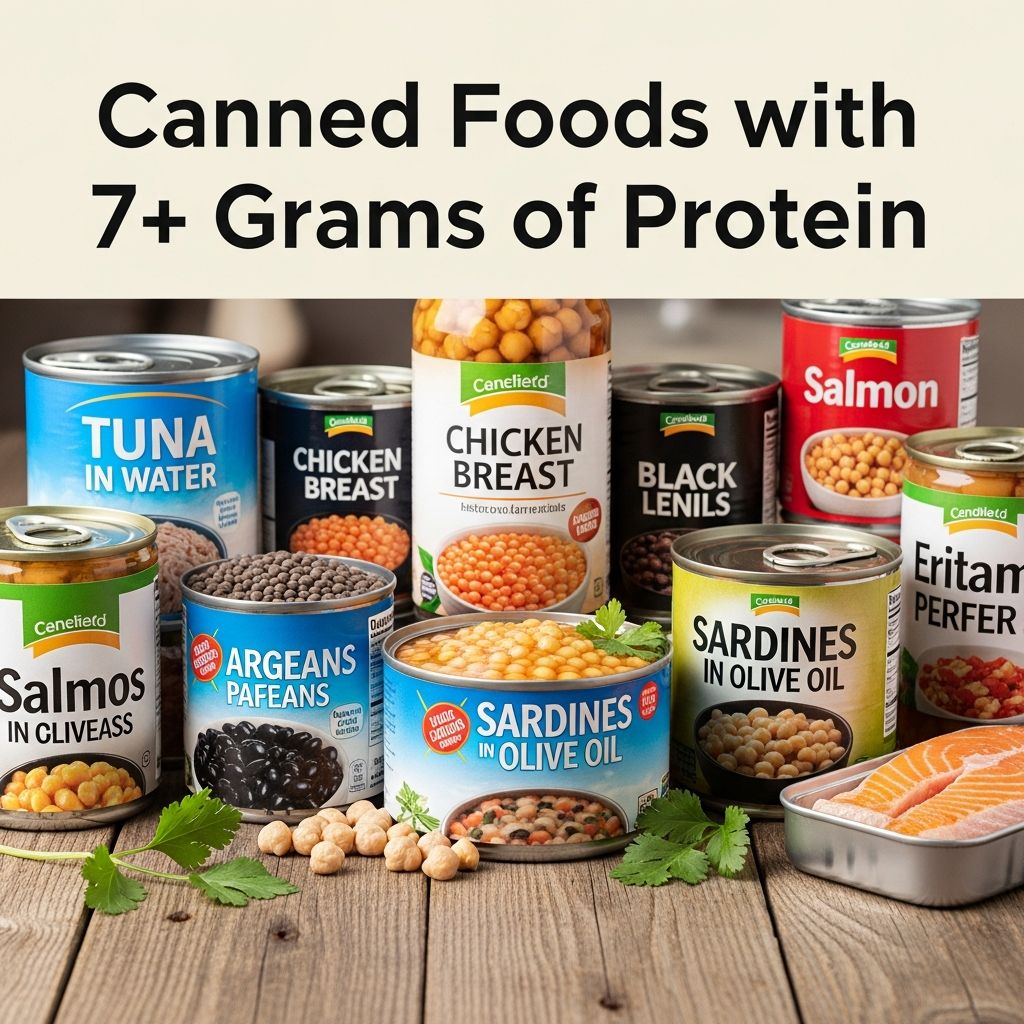
Protein is essential for muscle growth, repair, immune function, and keeping you full longer, but hitting your daily goals doesn’t have to mean hours in the kitchen. Canned foods offer a convenient, affordable way to get at least 7 grams of protein per serving while delivering vitamins, minerals, fiber, and healthy fats. These pantry staples rival fresh options in nutrition and often cost less, making them perfect for busy schedules, weight management, or boosting intake without excess sodium if you choose low-sodium varieties.
From fish like tuna and salmon to legumes such as lentils and chickpeas, these options simplify meal prep. Health experts note that while Americans often exceed basic protein needs (0.8 grams per kg body weight per Mayo Clinic guidelines), targeted high-protein choices aid satiety and muscle preservation during weight loss. Always rinse beans to cut sodium and opt for water-packed fish for heart health.
1. Canned Tuna
**Protein: 20-22 grams per 5-ounce can**
Canned tuna is a lean
protein powerhouse
, packing 20-22 grams per 5-ounce can alongside omega-3 fatty acids that support heart health, reduce inflammation, and promote joint function. It’s versatile for salads, sandwiches, casseroles, or straight from the can, and low-sodium options keep under 300mg per serving for blood pressure management.According to USDA data, a 3-ounce portion delivers 22 grams of high-quality protein plus calcium and potassium. Brands like StarKist confirm 16 grams in 3 ounces, scaling to 20+ in larger cans, making it comparable to beef or legumes. Add to pasta, mix with avocado for toast, or toss in greens for a 30-gram protein lunch under $2.
2. Canned Salmon
**Protein: 20-28 grams per 5-ounce can**
Canned salmon shines with 20-28 grams of protein per 5-ounce serving, rich in omega-3s, vitamin D, and calcium for bone, heart, and immune health. The edible bones boost calcium intake, ideal for seniors or those building muscle mass.
USDA reports 20 grams in 3 ounces, emphasizing its role in weight loss by preserving lean mass, as per a 2020 Journal of Obesity and Metabolic Syndrome study on high-protein diets. Use in patties, salads, or spreads; its affordability and shelf life make it a staple.
3. Canned Sardines
**Protein: 23 grams per 3.75-ounce can**
Underrated canned sardines provide 23 grams of protein per small can, loaded with calcium, vitamin D, and omega-3s for comprehensive bone, heart, skin, and immune support. Their soft bones enhance mineral absorption.
Enjoy on crackers, salads, or with mustard/lemon to tame the flavor. Nutrient density rivals larger fish, offering quick energy without cooking.
4. Canned Chicken
**Protein: 32 grams per 5-ounce can**
Canned chicken delivers an impressive 32 grams of protein per 5-ounce can, plus zinc, selenium, and B vitamins for immunity and energy. No-cook convenience saves time while meeting high protein targets.
Perfect for salads, wraps, or soups; its lean profile supports fitness goals without added fats.
5. Canned Lentils
**Protein: 8-9 grams per 1/2-cup serving**
Canned lentils offer 8-9 grams of protein and 7-9 grams of fiber per 1/2 cup, promoting fullness, heart health via soluble fiber, iron (16% DV), and folate (37% DV). Rinse to reduce sodium.
Related Stories



Dietitians like Natalie Rizzo praise them as plant-based heroes for quick meals; add to soups, salads, or curries. A 15-ounce can under $3 matches almonds or eggs in protein.
6. Canned Chickpeas
**Protein: 7+ grams per 1/2-cup serving**
Canned chickpeas (garbanzo beans) supply just over 7 grams of protein, satiating fiber, polyunsaturated fats, vitamins, and minerals per 1/2 cup. Low in saturated fat, they’re heart-friendly.
Roast for snacks, blend into hummus, or add to stews; their versatility aids diverse diets.
7. Canned Black Beans
**Protein: 7-8 grams per 1/2-cup serving**
Canned black beans pack 7-8 grams of protein and 8-9 grams of fiber (32% DV) per 1/2 cup, with antioxidants fighting inflammation, iron, calcium, and potassium per USDA.
Dietitian Christy Wilson calls them a ‘nutrition powerhouse’ for satisfaction. Use in burritos, soups, or bowls.
8. Canned Chili
**Protein: 16-30 grams per 15-ounce can**
Canned chili provides 16-30 grams of protein per 15-ounce can, with meat, beans, and veggies offering vitamin E for immunity. Choose turkey, chicken, tofu, or bean-based for leaner options under $8.
Reduced-sodium versions halve intake; dietitian Bianca Tamburello recommends avoiding high saturated fat beef/pork varieties.
9. Canned Pea Soup
**Protein: 12 grams per 15-ounce can**
Canned pea soup delivers 12 grams of protein and 10 grams of fiber per 15-ounce can, rivaling cottage cheese while supporting digestion around $4.
Heat and pair with bread for a cozy, filling meal packed with pea nutrients.
Why Choose Canned Foods for Protein?
Canned options match fresh nutrition at lower cost and with longer shelf life, ideal amid rising grocery prices. They simplify hitting protein needs—key for satiety, muscle repair, and weight loss—while providing fiber and micronutrients. Watch sodium by rinsing or selecting low-salt; variety prevents boredom.
| Canned Food | Protein per Serving | Key Nutrients | Best Uses |
|---|---|---|---|
| Tuna | 20-22g (5oz) | Omega-3s, potassium | Salads, sandwiches |
| Salmon | 20-28g (5oz) | Vitamin D, calcium | Patties, spreads |
| Sardines | 23g (3.75oz) | Calcium, omega-3s | Crackers, salads |
| Chicken | 32g (5oz) | Zinc, B vitamins | Wraps, soups |
| Lentils | 8-9g (1/2 cup) | Fiber, iron, folate | Curries, salads |
| Chickpeas | 7+g (1/2 cup) | Fiber, PUFAs | Hummus, roasts |
| Black Beans | 7-8g (1/2 cup) | Fiber, antioxidants | Burritos, bowls |
| Chili | 16-30g (15oz) | Vitamin E, veggies | Direct, topped |
| Pea Soup | 12g (15oz) | Fiber | With bread |
Frequently Asked Questions (FAQs)
Are canned foods healthy sources of protein?
Yes, they provide high-quality protein comparable to fresh foods, plus extras like omega-3s and fiber, but choose low-sodium and rinse to maximize benefits.
How much protein do I need daily?
Generally 0.8g per kg body weight (0.36g per lb), but active individuals may need more for muscle support.
Can canned protein help with weight loss?
Absolutely—high protein and fiber promote satiety and preserve muscle, as shown in obesity research.
What’s the best way to reduce sodium in canned foods?
Rinse beans and legumes thoroughly; select ‘no salt added’ fish and soups.
Are there vegetarian options?
Yes, lentils, chickpeas, black beans, and pea soup offer plant-based protein with fiber.
References
- High Protein Canned Foods — Seniors Guide. 2023. https://www.seniorsguide.com/health/high-protein-canned-foods/
- Don’t overlook these canned foods that are packed with protein — The Independent. 2024-09-12. https://www.the-independent.com/life-style/health-and-families/canned-foods-protein-tuna-lentils-b2905079.html
- Protein Intake — How Much Protein Should I Eat? — Mayo Clinic. 2025-01-15. https://www.mayoclinic.org/healthy-lifestyle/nutrition-and-healthy-eating/in-depth/protein/art-20049375
- FoodData Central: Canned Tuna — USDA. 2024. https://fdc.nal.usda.gov/fdc-app.html#/food-details/175158/nutrients
- High-Protein Diet for Weight Loss — Journal of Obesity & Metabolic Syndrome (PubMed). 2020. https://pubmed.ncbi.nlm.nih.gov/32489787/
- FoodData Central: Canned Black Beans — USDA. 2024. https://fdc.nal.usda.gov/fdc-app.html#/food-details/173766/nutrients
Similar Articles








Read full bio of Sneha Tete