Cantaloupe Benefits: 8 Health And Nutrition Perks
Discover the impressive health benefits of cantaloupe, from hydration and immunity to eye health and disease prevention.
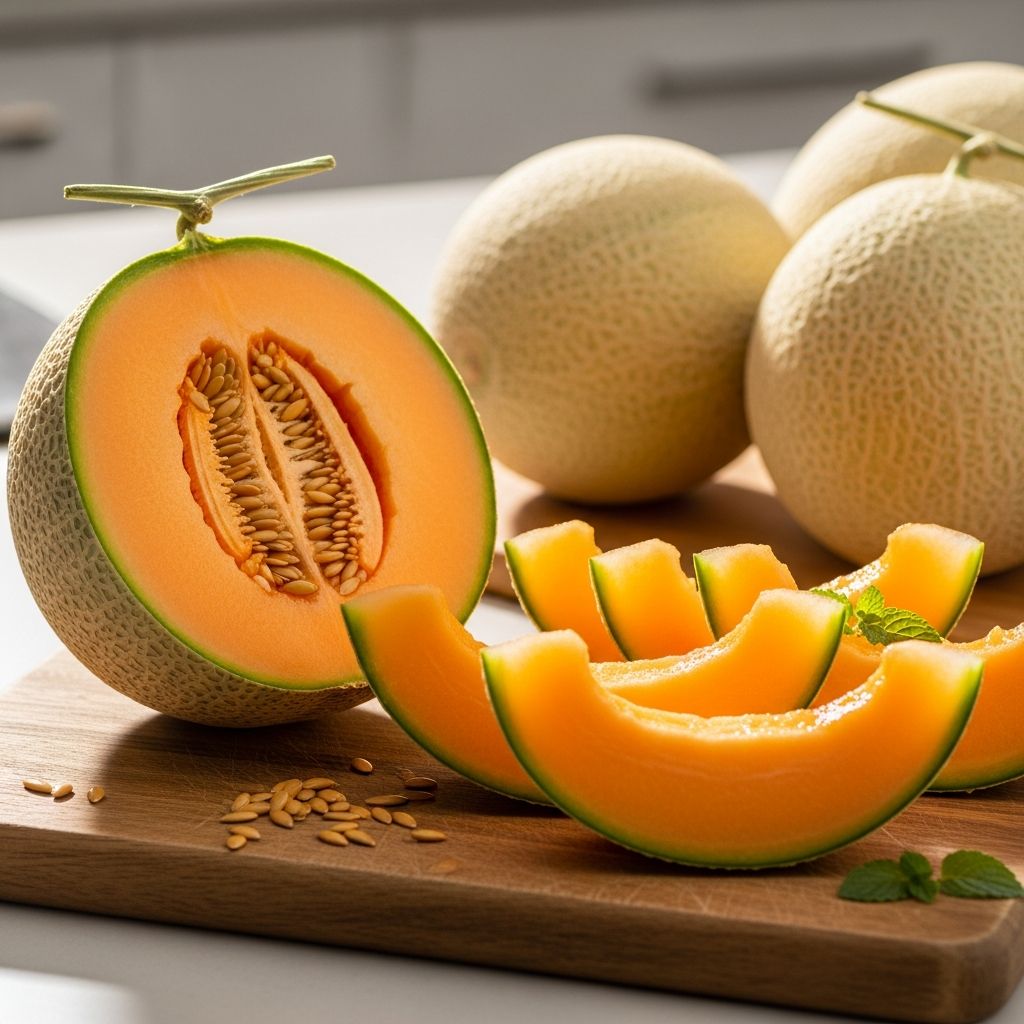
Cantaloupe, a sweet and juicy summer melon, delivers exceptional nutrition with low calories and high water content. One cup provides nearly 100% of daily vitamin A and C needs, plus fiber, potassium, and antioxidants that support hydration, immunity, eye health, and disease prevention.
What Is Cantaloupe?
Cantaloupe (Cucumis melo var. cantalupensis) features a rough, netted rind and vibrant orange flesh with a refreshing flavor. Native to regions in Africa and Asia, it’s now grown worldwide and available year-round, peaking in summer. This melon stands out for its versatility in salads, smoothies, or as a snack.
Its high water content—about 90%—makes it ideal for hydration, while phytonutrients like beta-carotene give it the signature orange hue and health-boosting properties.
Cantaloupe Nutrition Facts
One cup (177g) of cantaloupe balls offers approximately 54 calories, 13g carbs, 1.5g fiber, and negligible fat or protein. Key micronutrients include:
- **Vitamin A**: 100%+ DV (from beta-carotene), supporting vision and immunity.
- **Vitamin C**: 100%+ DV, aiding collagen production and antioxidant defense.
- **Potassium**: 10-15% DV, promoting heart health and blood pressure regulation.
- **Folate**: Significant amounts for cell function and pregnancy health.
- **Other**: B vitamins, magnesium, and antioxidants like lutein and zeaxanthin.
This profile makes cantaloupe a low-glycemic, hydrating choice for weight management and daily nutrition.
Potential Health Benefits of Cantaloupe
It’s Very Hydrating
With 90% water content, one cup of cantaloupe equals about half a cup of water plus electrolytes like potassium. Hydration supports skin health, kidney function, digestion, and prevents issues like headaches, constipation, and kidney stones.
Adequate hydration eases heart workload, aids weight control, and boosts immunity. In hot weather, water-rich fruits like cantaloupe combat dehydration risks such as heat exhaustion.
It’s Rich in Nutrients
Cantaloupe packs vitamins A and C at 100% DV per cup, plus folate, potassium, and B vitamins. Vitamin A (from beta-carotene) maintains vision, skin, and immune cells; vitamin C supports immunity, iron absorption, and wound healing.
Low in calories (54 per cup) and fat-free, it’s ideal for nutrient density without excess energy.
May Benefit Your Immune System
Vitamin C and beta-carotene (converted to vitamin A) strengthen immunity. Vitamin C reduces cold duration, while vitamin A supports mucosal barriers against pathogens.
Antioxidants neutralize free radicals, lowering infection risk. Choline in cantaloupe aids immune modulation.
May Reduce Inflammation
Cucurbitacin, beta-carotene, and vitamin C combat chronic inflammation linked to heart disease, cancer, and arthritis. Cucurbitacin specifically targets blood vessel inflammation, reducing atherosclerosis risk.
Choline reduces cytokine release, protecting cells, tissues, and DNA from inflammatory damage.
May Benefit Eye Health
Lutein, zeaxanthin, and beta-carotene protect retinas from UV damage, reducing risks of age-related macular degeneration (AMD), cataracts, and diabetic retinopathy.
These carotenoids filter blue light and combat oxidative stress in eyes.
May Help Prevent Asthma
High beta-carotene and vitamin C lower lung inflammation, potentially preventing asthma development. Antioxidants reduce airway swelling and oxidative stress.
Choline supplementation has shown reduced inflammation in asthma patients.
May Support Heart Health
Potassium, fiber, vitamin C, and folate help regulate blood pressure and cholesterol. Potassium counters sodium; fiber binds toxins; antioxidants prevent plaque buildup.
Related Stories



Regular intake links to lower cardiovascular risks.
May Have Anticancer Properties
Antioxidants like beta-carotene, lutein, and vitamin C neutralize free radicals, preventing DNA damage and cancer cell formation. Fiber protects against colorectal cancer.
Studies associate high intake with reduced risks of various cancers via oxidative stress reduction.
How to Select and Store Cantaloupe
Choose heavy, symmetrical melons with a creamy yellow rind (not green), firm shape, and sweet aroma at the stem end. Avoid soft spots or mold.
Store whole at room temperature until ripe, then refrigerate up to 5 days. Once cut, wrap tightly and use within 3 days. Freeze cubes for smoothies.
Easy Ways to Eat Cantaloupe
- Fresh slices or balls as a snack.
- Fruit salads with berries and mint.
- Smoothies with yogurt and spinach.
- Grilled with prosciutto.
- Salsas for savory dishes.
- Frozen treats or sorbet.
Incorporate daily for benefits without added sugars.
Who Shouldn’t Eat Cantaloupe?
Allergies are rare but possible (oral allergy syndrome). Those with digestive issues may experience bloating from fiber. Listeria risk exists in unripe melons—wash thoroughly and avoid if immunocompromised.
Consult doctors for specific conditions.
Frequently Asked Questions (FAQs)
Is cantaloupe good for you?
Yes, it’s nutrient-dense, hydrating, low-calorie, and rich in vitamins A, C, and antioxidants supporting immunity, eyes, and heart health.
Is cantaloupe high in sugar?
Moderate natural sugars (8g per cup), but low glycemic index makes it suitable for blood sugar management.
Can you eat cantaloupe on keto?
Limited; high carbs (13g/cup) exceed strict keto limits, but small portions fit low-carb diets.
Does cantaloupe cause gas?
Possible in sensitive individuals due to fiber and fructose; start small.
Is cantaloupe acidic?
Low acidity (pH 6.1-6.5), gentle on stomachs.
References
- 5 Health Benefits of Cantaloupe — Saber Healthcare Group. 2023. https://saberhealth.com/news/blog/health-benefits-of-cantaloupe
- Health Benefits and Nutrition of Cantaloupe — Cleveland Clinic. 2024-06-12. https://health.clevelandclinic.org/cantaloupe-health-benefits
- Cantaloupe: Health benefits and nutrition — Medical News Today. 2023-07-20. https://www.medicalnewstoday.com/articles/279176
- 6 Nutritious Benefits of Eating Cantaloupe — Healthline. 2024. https://www.healthline.com/health/food-nutrition/benefits-of-cantaloupe
- What are the Health Benefits of Cantaloupe? — Respiratory Therapy. 2023. https://respiratory-therapy.com/public-health/healthcare-policy/general-healthcare/what-are-the-health-benefits-of-cantaloupe/
Similar Articles








Read full bio of Sneha Tete