Cantaloupe Benefits: 8 Science-Backed Health Perks
Discover the impressive health perks of cantaloupe, from boosting immunity to supporting eye health and hydration.
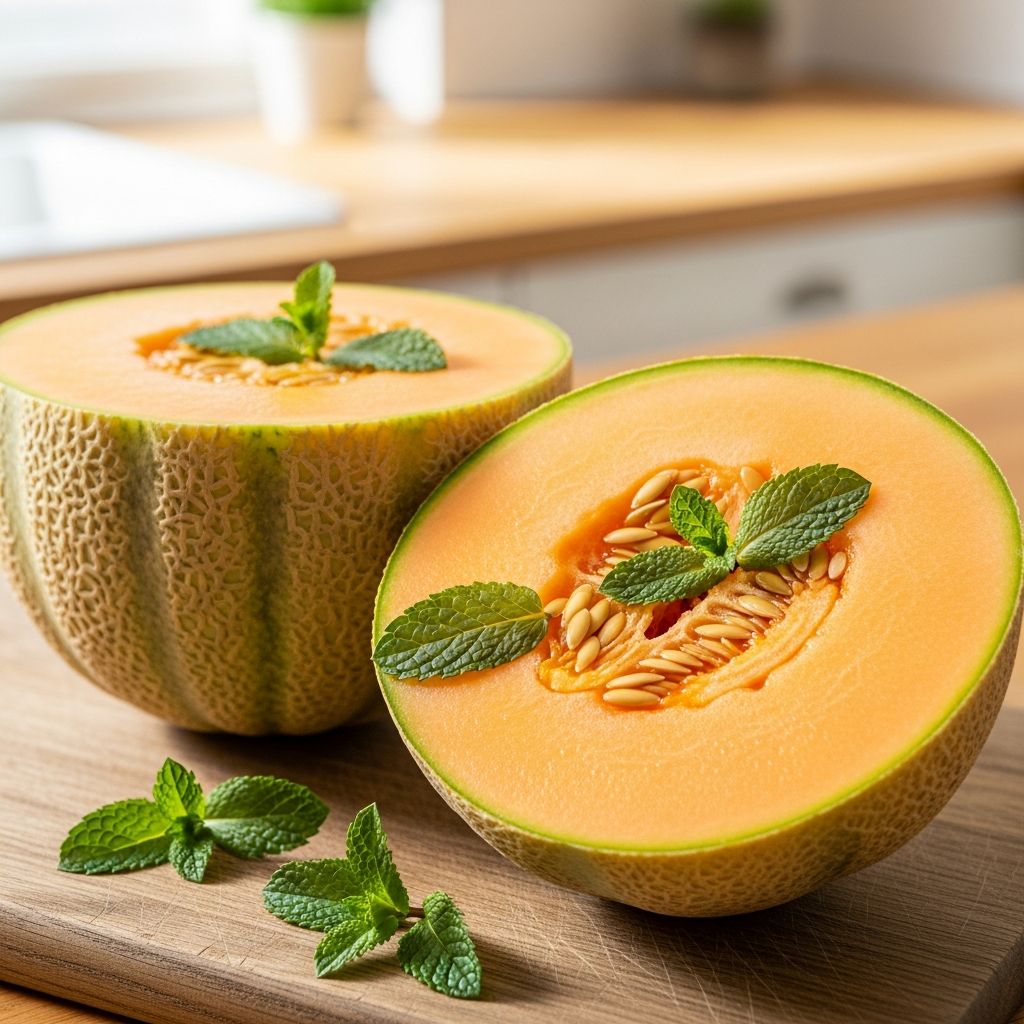
Cantaloupe, a sweet and juicy summer melon, offers a wealth of nutrients that support overall health. Low in calories yet rich in vitamins A and C, fiber, potassium, and antioxidants, this fruit aids hydration, reduces inflammation, promotes eye health, and may lower risks of chronic diseases like cancer and heart conditions.
What Is Cantaloupe?
Cantaloupe (Cucumis melo) is a muskmelon variety prized for its orange flesh, netted rind, and refreshing taste. Native to regions in Africa and Asia, it’s now widely grown worldwide and available year-round, peaking in summer. One cup of diced cantaloupe (about 177 grams) provides roughly 54 calories, making it an ideal low-calorie snack.
Its high water content—around 90%—combined with natural sugars, gives it a hydrating quality perfect for hot weather or post-workout recovery. Nutritionally, cantaloupe stands out for its dense profile of vitamins, minerals, and phytonutrients that combat oxidative stress and support bodily functions.
Cantaloupe Nutrition Facts
A single cup of cantaloupe balls delivers exceptional nutrition:
- Vitamin A: 100%+ of Daily Value (DV), primarily as beta-carotene for vision and immunity
- Vitamin C: 100%+ DV, aiding collagen production, immune function, and antioxidant defense
- Potassium: 12% DV, supporting heart health and blood pressure regulation
- Fiber: 4% DV (1.4-2 grams), promoting digestion and satiety
- Folate: Notable amounts for cell growth and DNA synthesis
- Other nutrients: Choline for brain health, lutein and zeaxanthin for eyes
With minimal fat and no cholesterol, cantaloupe fits seamlessly into balanced diets, including those for weight management. Eating it raw preserves heat-sensitive nutrients like vitamin C.
Top 8 Health Benefits of Cantaloupe
1. Packed With Nutrients
Cantaloupe is a nutritional powerhouse, providing over 100% DV of vitamins A and C per cup. Vitamin A supports immune function, skin health, and vision, while vitamin C boosts collagen synthesis, wound healing, and fights free radicals. Potassium aids muscle function, and fiber supports gut health.
These nutrients contribute to reduced obesity risk, better energy levels, and lower mortality from lifestyle diseases when consumed as part of a fruit-rich diet.
2. Improves Hydration
Comprising 90% water, one cup of cantaloupe equals about half a cup of pure water plus electrolytes like potassium. This makes it excellent for maintaining hydration, especially in summer or during exercise, preventing issues like heat exhaustion, kidney strain, and seizures.
Hydration from water-rich fruits like cantaloupe supports skin elasticity, kidney function, weight control, and heart efficiency by easing blood pumping.
3. Lowers Inflammation
The antioxidant cucurbitacin in cantaloupe targets inflammation, reducing risks of atherosclerosis (plaque buildup in arteries) and chronic conditions. Vitamin C blocks pro-inflammatory cytokines, while overall antioxidants combat long-term damage to cells, tissues, and DNA.
Chronic inflammation links to heart disease, cancer, and more; regular intake of anti-inflammatory foods like cantaloupe helps mitigate this.
Related Stories



4. May Help Prevent Cancer
Antioxidants including beta-carotene, lutein, vitamin C, and tocopherol neutralize free radicals, preventing oxidative stress that damages DNA and leads to cancer. Fiber (1.4g per cup) protects against colorectal cancer, and studies link high beta-carotene intake to lower overall cancer risk.
Though most research involves supplements, dietary sources like cantaloupe show promise in reducing cell damage.
5. Supports Immune Function
Vitamin C shortens cold duration and strengthens immunity, while beta-carotene converts to vitamin A, essential for immune cell production. Together, they enhance defense against infections.
Choline and other phytonutrients further bolster immune response, promoting resilience during illness.
6. Promotes Eye Health
Lutein, zeaxanthin, and beta-carotene in cantaloupe filter harmful blue light, reduce retinal inflammation, and prevent oxidative damage. These protect against age-related macular degeneration (AMD), cataracts, and diabetic retinopathy.
Studies confirm higher intake lowers risks of vision-impairing diseases.
7. Supports Heart Health
Potassium, fiber, vitamin C, and choline help regulate blood pressure, reduce arterial inflammation, and lower cholesterol. This combination decreases heart disease risk.
| Nutrient | Benefit for Heart |
|---|---|
| Potassium | Lowers blood pressure |
| Fiber | Reduces cholesterol absorption |
| Vitamin C | Prevents vessel inflammation |
8. Aids Digestion
High water and fiber content prevent constipation, promote regular bowel movements, and foster a healthy gut microbiome. This supports overall digestive tract health.
Additionally, cantaloupe may reduce asthma risk via beta-carotene and vitamin C, which lower lung inflammation.
Potential Downsides of Cantaloupe
While safe for most, cantaloupe poses risks for some. Its rind can harbor Listeria bacteria, linked to outbreaks; always wash and eat only the flesh. People with oral allergy syndrome may experience itching from pollen-related proteins. High sugar content warrants moderation for diabetics. Overconsumption can cause digestive upset due to fiber.
- Wash thoroughly to minimize contamination
- Limit if managing blood sugar
- Avoid rind and seeds
Healthy Ways to Eat Cantaloupe
Incorporate cantaloupe creatively:
- Fresh slices or balls in fruit salads
- Blended into smoothies with yogurt
- Topped with prosciutto for savory twist
- Frozen for a healthy treat
- Added to salsas or grilled dishes
Choose ripe melons: heavy for size, sweet aroma, slight softness at stem end. Store uncut in fridge up to 5 days; cut lasts 3 days.
Frequently Asked Questions (FAQs)
Is cantaloupe good for you?
Yes, cantaloupe is highly nutritious, offering vitamins A and C, hydration, and antioxidants that support immunity, eyes, and heart health.
Can you eat cantaloupe every day?
Moderation is key; 1-2 cups daily fits most diets, but consult a doctor if diabetic or allergic.
Does cantaloupe have a lot of sugar?
It contains natural sugars (about 8g per cup), but low glycemic index makes it suitable for most.
Is cantaloupe anti-inflammatory?
Yes, cucurbitacin and vitamin C reduce inflammation and related risks.
How much vitamin C is in cantaloupe?
One cup provides 100%+ DV, around 17-60mg depending on size.
References
- 5 Health Benefits of Cantaloupe — Saber Healthcare Group. 2023. https://saberhealth.com/news/blog/health-benefits-of-cantaloupe
- Health Benefits and Nutrition of Cantaloupe — Cleveland Clinic. 2023-10-12. https://health.clevelandclinic.org/cantaloupe-health-benefits
- Cantaloupe: Health benefits and nutrition — Medical News Today. 2023. https://www.medicalnewstoday.com/articles/279176
- What are the Health Benefits of Cantaloupe? — Respiratory Therapy. 2023. https://respiratory-therapy.com/public-health/healthcare-policy/general-healthcare/what-are-the-health-benefits-of-cantaloupe/
- 6 Nutritious Benefits of Eating Cantaloupe — Healthline. 2023. https://www.healthline.com/health/food-nutrition/benefits-of-cantaloupe
Similar Articles








Read full bio of Sneha Tete