Capecitabine Tablets: Uses, Dosage, and Side Effects
Complete guide to capecitabine tablets: uses, dosing, side effects, and safety information.
What is Capecitabine?
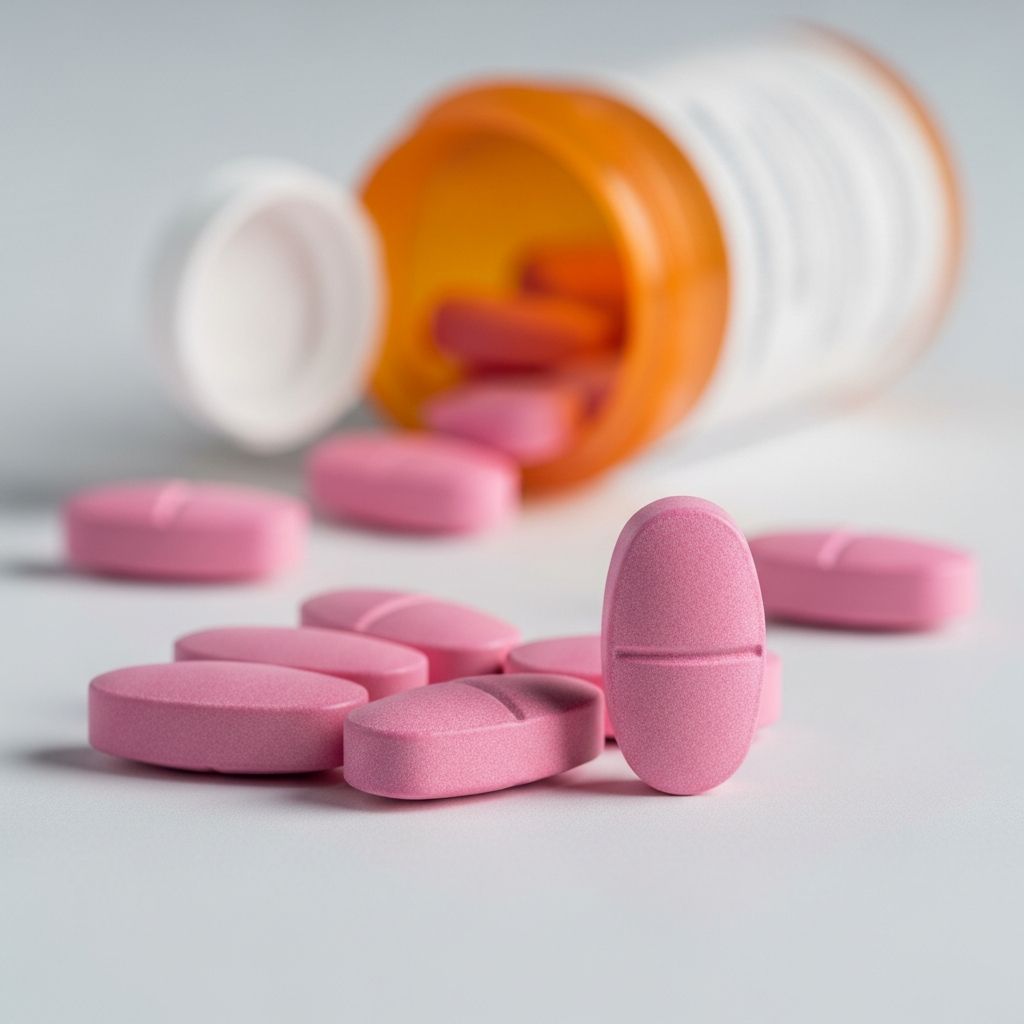
Capecitabine is an oral chemotherapy medication belonging to the group of antineoplastic agents (cancer medicines). It is sold under the brand name Xeloda in the United States. Capecitabine is a nucleoside metabolic inhibitor designed to overcome the disadvantages of 5-fluorouracil (5-FU) by delivering chemotherapy directly to cancer cells while minimizing systemic toxicity. Unlike traditional intravenous chemotherapy that requires central venous access and infusion pumps, capecitabine is taken as a tablet, making it a convenient oral treatment option for cancer patients.
The medication works by interfering with the growth of cancer cells, which are eventually destroyed by the body. Because capecitabine can be transported intact across the intestinal mucosa, it is selectively delivered as 5-FU to tumor tissues through enzymatic conversion preferentially inside tumor cells. This targeted approach reduces unwanted side effects compared to traditional intravenous 5-FU administration.
What is Capecitabine Used For?
Capecitabine is indicated for the treatment of several types of cancer, either as a single agent or in combination with other cancer medications and treatments. The following are the primary uses of capecitabine:
- Colorectal Cancer: Capecitabine is used alone or with other cancer treatments in patients with stage III colon cancer (after surgery) to help prevent cancer recurrence. It is also used to treat metastatic colorectal cancer (cancer that has spread to other parts of the body).
- Rectal Cancer: Capecitabine is used together with other cancer treatments and radiation therapy around the time of surgery to treat rectal cancer that has spread.
- Gastric Cancer: The medication is used in combination with platinum-based regimens for first-line treatment of advanced gastric cancer. It is also used to treat gastric, esophageal, or gastroesophageal junction adenocarcinomas that have spread or cannot be removed by surgery.
- Pancreatic Cancer: Capecitabine is used in combination with gemcitabine to prevent pancreatic cancer from recurring after surgery.
- Breast Cancer: The medication is indicated for treatment of metastatic breast cancer (breast cancer that has spread to other parts of the body).
- HER2-Positive Gastric Cancer: Capecitabine is used in combination regimens to treat HER2-overexpressing metastatic gastric or gastroesophageal junction adenocarcinoma in patients who have not received prior treatment for metastatic disease.
Before Taking Capecitabine
Before starting capecitabine treatment, it is essential to inform your healthcare provider about your complete medical history and any medications you are currently taking. Your doctor will perform specific tests to ensure capecitabine is safe for you.
DPYD Gene Testing
Your doctor will perform a test to check for the dihydropyrimidine dehydrogenase (DPYD) enzyme before you receive capecitabine. This enzyme is crucial for metabolizing capecitabine properly. A deficiency in DPYD enzyme activity can lead to severe, life-threatening side effects. This testing is recommended to ensure your safety during treatment.
Important Precautions
Inform your healthcare provider if you have any of the following conditions or are taking any medications that may interact with capecitabine:
- History of severe infections or compromised immune system
- Bleeding disorders or current use of anticoagulant medications (blood thinners) such as warfarin, as capecitabine may cause serious or life-threatening bleeding
- Liver or kidney disease
- Heart disease
- Pregnancy or plans to become pregnant, as capecitabine may harm an unborn baby
- Breastfeeding, as capecitabine may pass into breast milk
How to Take Capecitabine Tablets
Dosage
The recommended dosage of capecitabine depends on your body surface area (measured in square meters), the specific type and stage of cancer being treated, and whether you are receiving it as a single agent or in combination with other medications. Your doctor will calculate the correct dose based on your height and weight.
Related Stories



General dosing guidelines include:
- Colorectal Cancer (Single Agent): 830 mg/m² orally twice daily for the first 21 days of each 28-day cycle.
- Colorectal Cancer (with Oxaliplatin): 1,000 mg/m² orally twice daily for the first 14 days of each 21-day cycle.
- Pancreatic Cancer: 830 mg/m² orally twice daily for the first 21 days of each 28-day cycle for a maximum of 6 cycles in combination with gemcitabine.
- Gastric Cancer (with Cisplatin and Trastuzumab): 1,000 mg/m² twice daily for the first 14 days of each 21-day cycle.
Important: Your doctor will complete a dosage table with the correct number of tablets you should take. It is crucial that you take the exact number of tablets prescribed.
How to Take Your Tablets
Follow these instructions carefully when taking capecitabine:
- Take capecitabine exactly as directed by your doctor. Do not take more or less of it or take it more often than prescribed.
- Swallow the tablets whole; do not split, chew, or crush them.
- Take capecitabine twice daily (in the morning and evening) for 2 weeks, followed by a 1-week break before repeating the next dosage cycle.
- Take capecitabine within 30 minutes after a meal with a glass of water—preferably within 30 minutes of breakfast and dinner.
- Take capecitabine at around the same time every day.
- Tablets are available in 150 mg and 500 mg strengths; your treatment team will specify which tablets and how many to take daily.
Missed Dose
If you miss a dose of capecitabine, take it as soon as you remember, unless it is almost time for your next dose. In that case, skip the missed dose and continue with your regular dosing schedule. Never double up on doses to make up for a missed dose.
Dose Adjustments and Treatment Delays
Sometimes a treatment may be started at a lower dose, or the dose may need to be changed during treatment. There may also be times when your treatment is delayed. Your doctor may make these adjustments if they believe you are likely to experience severe side effects, if you develop severe side effects, if your blood counts are affected, or if you are finding it difficult to cope with treatment. Your doctor will explain any changes or delays to your treatment and the reasons why.
Possible Side Effects of Capecitabine
Like all cancer medications, capecitabine can cause side effects. It is important to be aware of possible side effects and to report them to your healthcare team immediately if they become severe. Side effects vary in frequency and severity among patients.
Common Side Effects
The following side effects are more commonly experienced by patients taking capecitabine:
- Hand-foot syndrome (redness, swelling, and pain in the palms of the hands and soles of the feet)
- Diarrhea
- Nausea and vomiting
- Mouth sores (stomatitis)
- Fatigue and weakness (asthenia or lethargy)
- Loss of appetite
- Hair loss (alopecia)
- Abdominal pain
- Eye problems such as conjunctivitis
- Constipation
- Dyspepsia (indigestion)
If vomiting occurs less often than expected or if nausea does not cause you to eat less than usual, it is not necessary to stop taking the medicine or check with your doctor unless these effects are particularly bothersome. Similarly, you do not need to stop taking capecitabine if diarrhea occurs less frequently than expected or if other side effects are not severe enough to interfere with eating or daily activities. However, you should check with your doctor as soon as possible if side effects persist or worsen.
Serious Side Effects
Anticancer drugs can sometimes cause serious problems. It is important to get medical help immediately if you become unwell. Contact your doctor right away if you experience:
- Signs of infection (fever, chills, severe fatigue)
- Unusual bleeding or bruising
- Severe diarrhea or vomiting that lasts more than a few hours
- Chest pain or difficulty breathing
- Severe allergic reactions
- Severe hand-foot syndrome that interferes with daily activities
- Severe mouth sores that prevent eating or drinking
Blood Count Effects
Capecitabine can temporarily lower the number of white blood cells in your blood, increasing the chance of getting an infection. It can also lower the number of platelets, which are necessary for proper blood clotting. If your blood count is affected, take the following precautions to reduce the risk of infection or bleeding:
- Avoid contact with people who have infections
- Practice good hygiene and wash your hands frequently
- Avoid activities that could cause injury or bruising
- Use a soft toothbrush and be gentle when brushing your teeth
- Use an electric razor instead of a blade razor to avoid cuts
Drug Interactions
Capecitabine may interact with certain other medications. Inform your doctor of all medications, supplements, and herbal products you are taking. A particularly important interaction occurs with anticoagulant medications:
Anticoagulants (Blood Thinners): Capecitabine may cause serious or life-threatening bleeding when taken together with anticoagulants such as warfarin. Your doctor will monitor you carefully if this combination is necessary.
Storage and Handling
Store capecitabine tablets at room temperature, away from heat and moisture. Keep the medication in its original container with the label intact. Do not store in the bathroom. Keep capecitabine out of reach of children and pets. Do not dispose of medication in household waste or water unless instructed to do so. Ask your pharmacist about proper disposal methods.
Frequently Asked Questions (FAQs)
Q: What is the difference between capecitabine and intravenous 5-FU chemotherapy?
A: Capecitabine is an oral form of chemotherapy designed to mimic the infusional pharmacokinetics of 5-FU without the complications of central venous access and infusion pumps. Because capecitabine can be transported intact across the intestinal mucosa, it is selectively delivered to tumor tissues, reducing gastrointestinal toxicity while maintaining efficacy.
Q: Can I take capecitabine if I am pregnant or breastfeeding?
A: Capecitabine may harm an unborn baby and may pass into breast milk. Inform your doctor if you are pregnant, planning to become pregnant, or breastfeeding. Use effective contraception during treatment and for a period after treatment completion as advised by your doctor.
Q: What should I do if I experience severe hand-foot syndrome?
A: Inform your doctor immediately if you develop severe hand-foot syndrome. Your doctor may reduce your dose or delay treatment. Keep your hands and feet clean and dry, avoid hot water, wear comfortable footwear, and avoid activities that may increase pressure on your hands and feet.
Q: How often will I need blood tests during capecitabine treatment?
A: Your doctor will determine the frequency of blood tests based on your individual treatment plan. Regular blood tests monitor your blood counts and organ function to ensure the medication is being tolerated well.
Q: Can I stop taking capecitabine if I feel better?
A: No. You must take capecitabine exactly as prescribed, even if you feel better. Do not stop or change your dose without consulting your doctor. Your doctor will determine the appropriate duration of treatment based on your response and any side effects you experience.
Q: What should I do if I vomit shortly after taking a dose?
A: If you vomit shortly after taking capecitabine, contact your doctor or pharmacist for guidance. Do not take an extra dose; wait until your next scheduled dose. Your healthcare team may recommend anti-nausea medication to prevent vomiting.
Q: Are there any foods I should avoid while taking capecitabine?
A: While there are no specific foods to avoid, take capecitabine with meals as directed. A balanced, nutritious diet can help support your body during cancer treatment. Discuss dietary concerns with your doctor or a dietitian.
Important Safety Information
Capecitabine is a powerful cancer medication that requires careful monitoring and adherence to your doctor’s instructions. Before starting treatment, ensure your doctor knows your complete medical history and all medications you are taking. Attend all scheduled appointments and blood tests. Report any new or worsening symptoms to your healthcare team immediately. Keep all medications, including capecitabine, out of reach of children and pets. Do not share your medication with others.
This information is provided to supplement, not replace, discussions with your healthcare provider. Always consult your doctor, nurse, or pharmacist with any questions or concerns about your treatment.
References
- Patient Information – Biliary Cancer Adjuvant – Capecitabine — eviQ (Cancer Institute NSW). Accessed January 13, 2026. https://www.eviq.org.au/medical-oncology/upper-gastrointestinal/pancreas-and-biliary/3385-biliary-and-gallbladder-adjuvant-capecitabine/patient-information
- Capecitabine (Oral Route) – Side Effects & Dosage — Mayo Clinic. 2024. https://www.mayoclinic.org/drugs-supplements/capecitabine-oral-route/description/drg-20062501
- Capecitabine Teva — European Medicines Agency (EMA). 2024. https://www.ema.europa.eu/en/medicines/human/EPAR/capecitabine-teva
- Capecitabine: Uses, Interactions, Mechanism of Action — DrugBank. Accessed January 13, 2026. https://go.drugbank.com/drugs/DB01101
- XELODA (Capecitabine) Tablets for Oral Use – Prescribing Information — U.S. Food and Drug Administration. 2022. https://www.accessdata.fda.gov/drugsatfda_docs/label/2022/020896s044s045s046s047s048s049s050s051lbl.pdf
- Capecitabine: MedlinePlus Drug Information — U.S. National Library of Medicine. 2024. https://medlineplus.gov/druginfo/meds/a699003.html
- Capecitabine (Xeloda) Chemotherapy Drug Information — Breast Cancer Now. Accessed January 13, 2026. https://breastcancernow.org/about-breast-cancer/treatment/chemotherapy/chemotherapy-drugs/capecitabine-xeloda
Similar Articles








Read full bio of medha deb