Capsaicin Benefits And Uses: Pain Relief, Heart Health
Discover how capsaicin from chili peppers relieves pain, supports heart health, aids weight management, and more while understanding safe usage.
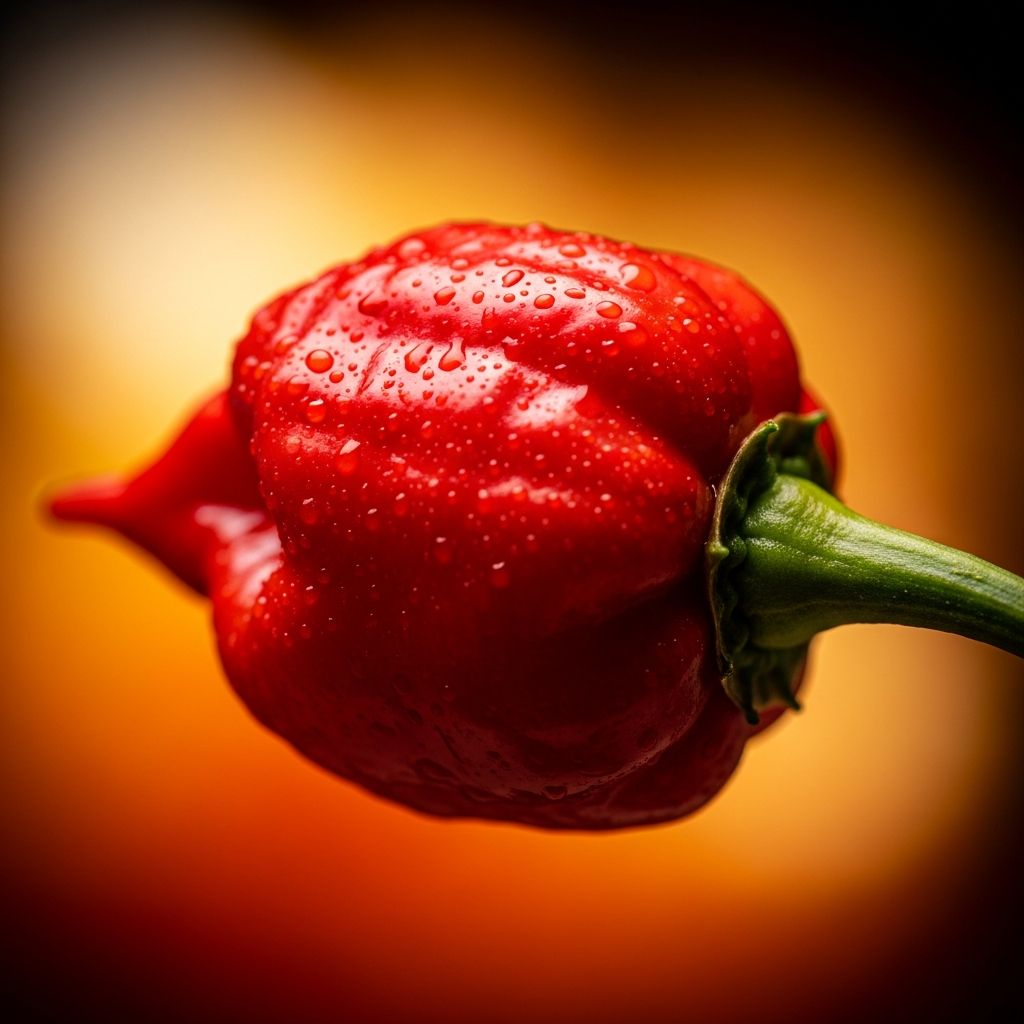
Capsaicin is the natural compound responsible for the fiery sensation in chili peppers, harnessed for centuries in traditional remedies and modern medicine for its unique ability to interact with pain-sensing nerves. Primarily applied topically as creams or patches, it desensitizes nerve endings to provide long-term relief from various painful conditions, while dietary consumption may offer metabolic and cardiovascular advantages.
What Is Capsaicin and How Does It Work?
Capsaicin activates TRPV1 receptors on sensory nerves, which detect heat and pain, initially causing a burning sensation that diminishes with repeated exposure as nerves become less sensitive. This mechanism, known as desensitization, reduces pain signals over time without affecting other sensations like touch or pressure.
- TRPV1 Activation: Triggers calcium influx, depleting substance P, a neurotransmitter involved in pain transmission.
- Topical Application: Common in 0.025% to 0.1% creams for localized relief.
- Dietary Role: Found in spicy foods, it may boost metabolism by increasing energy expenditure and fat oxidation.
Primary Therapeutic Applications
Capsaicin creams are FDA-approved for specific pain conditions, offering a non-opioid alternative for chronic management.
| Condition | Typical Use | Evidence Level |
|---|---|---|
| Post-herpetic neuralgia (shingles pain) | High-concentration patches (8%) | Strong clinical trials |
| Osteoarthritis | Low-concentration creams (0.025-0.075%) | Moderate, multiple studies |
| Neuropathic pain (diabetic neuropathy) | Patches or repeated cream application | Promising rodent and human data |
For shingles-related nerve pain, a single 8% capsaicin patch application can provide relief lasting up to three months, significantly reducing pain scores in clinical settings.
Cardiovascular and Metabolic Advantages
Beyond pain relief, capsaicin supports vascular health by enhancing nitric oxide production, improving endothelial function, and reducing risk factors for heart disease. Rodent studies demonstrate protection against atherosclerosis, hypertension, and stroke through eNOS activation and anti-inflammatory effects.
- Heart Health: Increases HDL cholesterol and vasodilation in hypertensive models.
- Metabolism Boost: Modest increase in metabolic rate, fat oxidation, and appetite suppression, aiding weight control.
- Diabetes Management: Lowers glucose, insulin, and triglycerides while boosting adiponectin in animal models.
Human trials confirm capsaicin patches improve exercise tolerance in angina patients by elevating serum NO levels, delaying ischemic threshold.
Digestive and Anti-Inflammatory Effects
Contrary to myths about spicy foods causing ulcers, capsaicin promotes gastric protection by inhibiting acid secretion, enhancing mucus production, and improving blood flow, accelerating ulcer healing. It also stimulates saliva flow and intestinal motility for better digestion.
Anti-inflammatory properties stem from reduced pro-inflammatory cytokines and antioxidant activity, potentially benefiting metabolic syndrome and non-alcoholic fatty liver disease.
Emerging Research: Cancer and Beyond
Preliminary studies indicate capsaicin induces apoptosis in prostate cancer cells via NF-kappaB inhibition, shrinking tumors in mouse models to one-fifth the size of controls. It shows anti-cancer potential against colorectal, pancreatic, and other cancers by targeting growth pathways.
Related Stories



- Antimicrobial Action: Inhibits bacterial growth, historically aiding food preservation.
- Obesity Prevention: Linked to thermogenesis and reduced visceral fat accumulation.
Safe Usage Guidelines
Start with low concentrations and small areas to build tolerance. Wash hands thoroughly after application to avoid eye irritation.
- Apply thinly 3-4 times daily to clean, dry skin.
- Avoid broken skin, eyes, mouth, and mucous membranes.
- Use gloves if sensitive; initial burning is normal and subsides.
- For patches, professional administration recommended for high doses.
Potential Side Effects and Precautions
Common reactions include temporary redness, burning, or itching at the site, resolving within weeks. High oral intake may cause nausea, diarrhea, or reflux.
- Contraindications: Hypersensitivity, active skin infections, or uncontrolled hypertension.
- Pregnancy/Breastfeeding: Avoid topical use on breasts; consult doctor.
- Interactions: May enhance blood pressure-lowering effects of antihypertensives.
Children under 2 years should not use; those over 2 require medical advice.
How to Incorporate Capsaicin Daily
Topical: Choose pharmacy-grade creams like 0.075% for arthritis.
Dietary: Add cayenne pepper or hot sauces moderately (1-2 tsp daily) to meals for metabolic perks without excess heat.
| Source | Capsaicin Content | Spice Level (Scoville) |
|---|---|---|
| Cayenne pepper | High | 30,000-50,000 |
| Jalapeño | Moderate | 2,500-8,000 |
| Tabasco sauce | Low-moderate | 2,500-5,000 |
Clinical Evidence Overview
Meta-analyses support capsaicin’s efficacy for neuropathic pain, with number-needed-to-treat around 8-12 for 50% relief. Ongoing research explores oral supplements for obesity and diabetes.
Frequently Asked Questions (FAQs)
Does capsaicin burn fat?
Yes, it modestly boosts thermogenesis and reduces appetite, supporting weight loss in studies.
Can capsaicin cure shingles pain?
It provides significant relief for post-herpetic neuralgia but does not cure the virus; high-dose patches are most effective.
Is capsaicin safe for daily use?
Yes, for most adults when used as directed; monitor for skin irritation and consult for chronic conditions.
Does spicy food intake equal capsaicin cream benefits?
Dietary capsaicin offers systemic perks like metabolism boost, while topical targets localized pain.
What if I experience severe burning?
Stop use, cool the area with water; persistent issues warrant medical attention.
Choosing the Right Product
Opt for products listing capsaicin percentage clearly; patches for severe pain, creams for mild. Combine with moisturizers post-absorption for comfort.
References
- Health Benefits of Capsaicin — WebMD. 2023. https://www.webmd.com/diet/health-benefits-capsaicin
- Capsaicin may have important potential for promoting vascular and … — PMC (NCBI). 2015-06-15. https://pmc.ncbi.nlm.nih.gov/articles/PMC4477151/
- Upping the Heat: Capsaicin for Human Health — Frontiers. 2023. https://www.frontiersin.org/research-topics/58912/upping-the-heat-capsaicin-for-human-health
- Spicy Food and Chili Peppers and Multiple Health Outcomes — PMC (NCBI). 2023. https://pmc.ncbi.nlm.nih.gov/articles/PMC10078540/
- Capsaicin: Risks and Benefits — U.S. Pharmacist. 2023. https://www.uspharmacist.com/article/capsaicin-risks-and-benefits
- Capsaicin: Exploring the Science and Benefits of Nature’s heat — Nutraceuticals Group. 2023. https://nutraceuticalsgroup.com/uk/news/capsaicin-science-and-benefits
Similar Articles








Read full bio of medha deb