Carb Cycling Diet: What Is It & Does It Work?
Discover carb cycling: Alternating high and low carb days to boost fat loss, performance, and metabolic health—backed by science and expert insights.
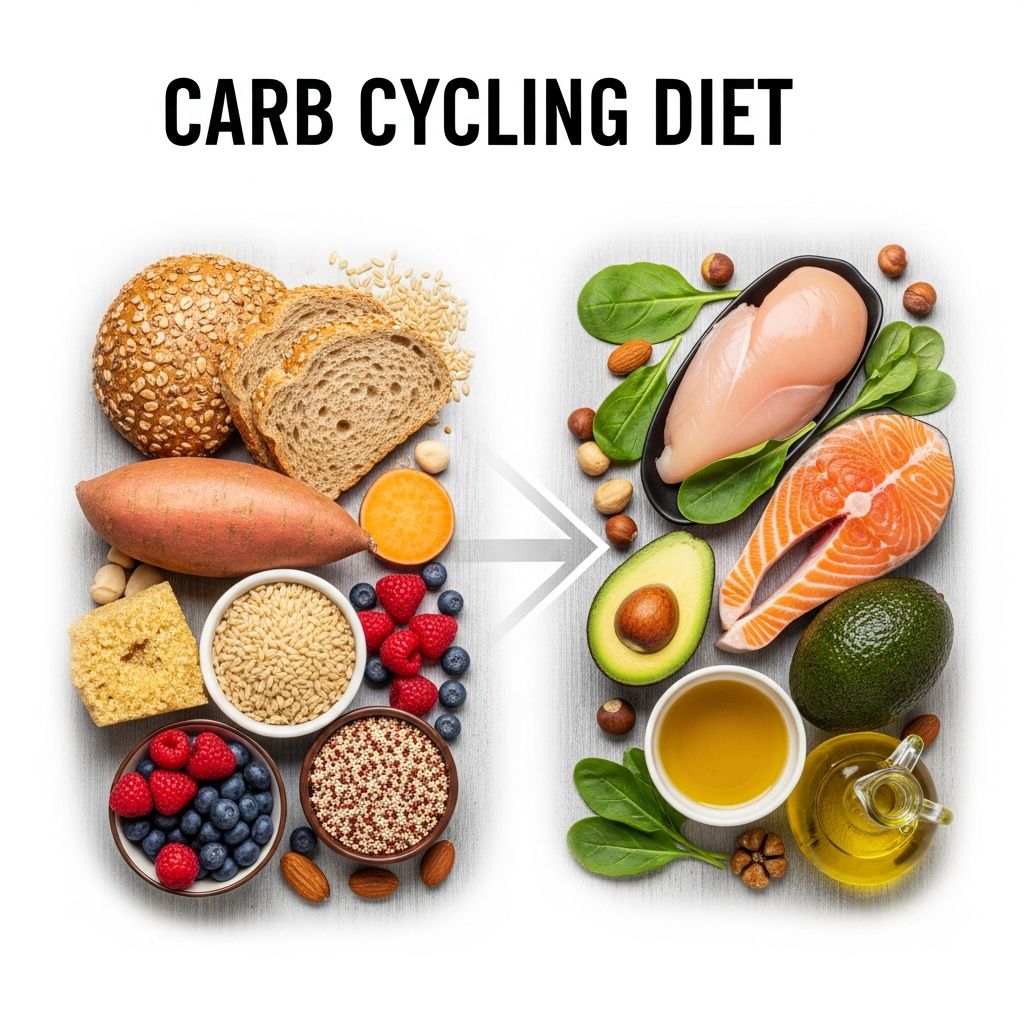
Carb cycling is a dietary strategy that alternates between high-carbohydrate and low-carbohydrate days to optimize fat loss, muscle preservation, athletic performance, and metabolic flexibility. This approach combines the fat-burning benefits of low-carb eating with the energy and recovery advantages of higher-carb intake, making it popular among athletes, bodybuilders, and those seeking sustainable weight loss.
What Is Carb Cycling?
Carb cycling involves strategically varying your carbohydrate intake over daily, weekly, or monthly cycles rather than maintaining a constant low- or high-carb diet. On high-carb days, you consume more carbs—typically from nutrient-dense sources like fruits, vegetables, and whole grains—to fuel intense workouts and replenish glycogen stores. Low-carb days shift focus to proteins, healthy fats, and fibrous vegetables, encouraging the body to burn fat for energy.
The concept emerged from bodybuilding and endurance sports, where athletes needed to balance calorie deficits for fat loss with sufficient fuel for training. Unlike strict keto diets, which limit carbs to under 50 grams daily, carb cycling allows flexibility, often 100-300 grams on low days and 300-600+ grams on high days, adjusted for body size and goals.
This pattern promotes metabolic flexibility, the ability of mitochondria (cell powerhouses) to switch between burning carbs and fats efficiently, potentially improving energy levels, body composition, and hormone regulation.
How Does Carb Cycling Work?
Carb cycling leverages physiological responses to carb intake variations. Low-carb days deplete glycogen, prompting fat oxidation and mimicking ketosis-like states for weight loss. High-carb days restore glycogen, boost leptin (a satiety hormone), elevate thyroid hormones like T3 for metabolism, and enhance workout performance.
- Glycogen Replenishment: High-carb days refill muscle and liver glycogen, reducing fatigue and supporting high-intensity exercise.
- Fat Burning: Low-carb periods increase mitochondrial biogenesis and fat utilization, aiding body fat reduction.
- Hormonal Balance: Cycling prevents metabolic slowdown from prolonged low-carb dieting, maintaining thyroid function and insulin sensitivity.
Overall, it creates a net calorie deficit for weight loss while preserving muscle through targeted nutrition timing.
Potential Benefits of Carb Cycling
Proponents claim carb cycling offers multiple advantages, supported by mechanistic studies though long-term human trials are limited.
Weight Loss and Fat Reduction
By alternating intake, carb cycling maintains a calorie deficit without constant restriction, potentially improving adherence. Low-carb days promote fat loss; high days prevent muscle catabolism. A 2024 review notes it enhances body composition when paired with high-intensity training.
Muscle Gain and Athletic Performance
Athletes report better training output on high-carb days due to glycogen availability. Carbs around workouts aid recovery and nutrient delivery. Studies on carb refeeds show improved performance and mental recovery in athletes.
Related Stories



Metabolic and Health Improvements
Low-carb phases may boost insulin sensitivity, cholesterol profiles, and fat metabolism. High-fiber carbs on intake days support heart health and digestion.
| Benefit | Mechanism | Supporting Evidence |
|---|---|---|
| Weight Loss | Calorie cycling + fat oxidation | 2024 paper: Effective with exercise |
| Muscle Retention | Glycogen refill prevents breakdown | Athlete studies on refeeds |
| Performance Boost | Targeted fueling | Improved training output |
| Hormone Regulation | T3/leptin upregulation | Endocrine studies |
Does Carb Cycling Work? Evidence Review
While promising, direct long-term studies on carb cycling are scarce. Mechanisms are backed by research on low/high-carb diets individually. A Healthline review states it may aid fat loss and performance via calorie deficits and glycogen management, but adherence varies. Cleveland Clinic notes it’s ideal for high-intensity training.
Medical News Today highlights benefits like weight management and performance but stresses consulting doctors due to planning needs. No large RCTs confirm superiority over steady deficits, but anecdotal success in fitness communities is common.
Limitations: More research needed on safety for non-athletes, potential nutrient gaps, or disordered eating risks.
Who Might Benefit from Carb Cycling?
- Athletes/Bodybuilders: Optimize training cycles.
- Weight Loss Seekers: Break plateaus with variety.
- Metabolic Health Focus: Improve flexibility.
- Not Ideal For: Beginners, those with eating disorders, or without exercise routines.
How to Do Carb Cycling: A Beginner’s Guide
Tailor to goals, activity, and calories (use TDEE calculators). Common 7-day cycle for fat loss/muscle gain:
| Day | Training Type | Carbs (g, ~150lb person) | Protein/Fat Focus |
|---|---|---|---|
| Mon/Wed/Fri | High-Intensity (weights) | 200-300g | Moderate protein, low fat |
| Tue/Thu | Cardio/Light | 100-150g | High protein, moderate fat |
| Sat | Heavy Lift/Refeed | 400+g | Balanced |
| Sun | Rest | 50-100g | High fat/protein |
Track macros via apps. Prioritize whole foods.
Sample Carb Cycling Meal Plan
High-Carb Day (~250g carbs, 1800-2200 cal)
- Breakfast: Oatmeal with berries, banana, whey protein (60g carbs)
- Lunch: Quinoa salad with chicken, veggies, sweet potato (70g)
- Snack: Rice cakes, fruit, yogurt (40g)
- Dinner: Brown rice, salmon, broccoli (60g)
- Post-Workout: Protein shake with maltodextrin (50g)
Low-Carb Day (~75g carbs, 1600-2000 cal)
- Breakfast: Eggs, avocado, spinach (15g)
- Lunch: Grilled turkey, leafy greens, olive oil dressing (20g)
- Snack: Greek yogurt, nuts (10g)
- Dinner: Steak, cauliflower rice, asparagus (20g)
- Evening: Cottage cheese (10g)
Adjust portions for needs; hydrate well.
Risks and Considerations
Potential downsides include meal prep complexity, energy fluctuations, or GI issues from carb swings. Not suitable for diabetics without monitoring or those with thyroid issues. WeightWatchers notes no direct studies confirm claims. Consult professionals; combine with resistance/HIIT training.
Frequently Asked Questions (FAQs)
What is the best carb cycling schedule for beginners?
Start with a 5 high/2 low weekly cycle aligned to workouts. Gradually adjust based on progress.
Can carb cycling help build muscle?
Yes, high-carb days support anabolism and performance, preserving lean mass during cuts.
Is carb cycling better than keto?
It offers more flexibility and sustainability for active people, avoiding keto flu.
How many carbs on high vs. low days?
High: 2-4g/lb bodyweight; Low: 0.5-1g/lb. Personalize via tracking.
Does carb cycling work for women?
Yes, but cycle with menstrual phases; evidence similar to men with exercise.
References
- Carb cycling: Benefits, evidence, and how to do it — Medical News Today. 2024. https://www.medicalnewstoday.com/articles/carb-cycling
- What Is Carb Cycling And How Does It Work? Benefits And Tips — MyProtein. Recent (post-2023). https://us.myprotein.com/thezone/nutrition/carb-cycling-how-does-it-work/
- What is Carb Cycling and How Does it Work? — Healthline. Recent (post-2023). https://www.healthline.com/nutrition/carb-cycling-101
- Carb cycling for weight loss | Diets for your metabolism — Lumen. Recent. https://www.lumen.me/journal/lifestyle/carb-cycling-for-weight-loss-a-beginner-s-guide
- Carb Cycling: What is it and How Does the Diet Work? — WeightWatchers. Recent. https://www.weightwatchers.com/us/blog/weight-loss/carb-cycling
- What is Carb Cycling and What Are the Benefits? — F45 Training. Recent. https://f45training.com/article/what-is-carb-cycling/
- What Is Carb Cycling? — Cleveland Clinic. Recent. https://health.clevelandclinic.org/what-to-eat-if-youre-carb-cycling
Similar Articles








Read full bio of Sneha Tete