Carbidopa-Levodopa: A Complete Treatment Guide
Understanding how this gold-standard Parkinson's medication works and what to expect.
What Is Carbidopa-Levodopa and Why It Matters
Carbidopa-levodopa represents a transformative breakthrough in neurological medicine, fundamentally changing how healthcare providers manage Parkinson’s disease symptoms. This medication combination, commonly known by the brand name Sinemet, remains the most potent pharmacological intervention available for addressing movement-related complications of Parkinson’s disease. Since its development in the late 1960s, this treatment has significantly improved the quality of life for millions of individuals living with this progressive neurological condition.
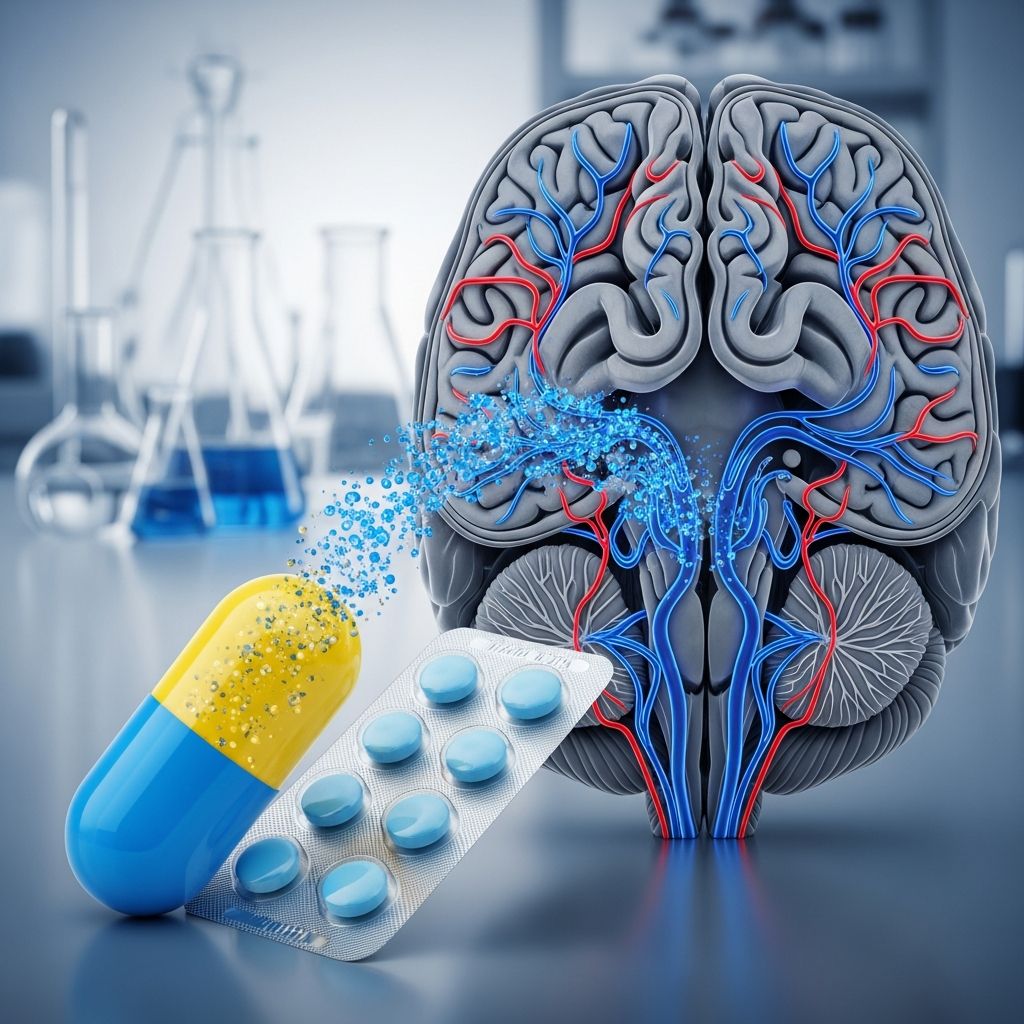
The medication works through a dual-mechanism approach: levodopa serves as the active therapeutic agent that crosses into the brain and converts to dopamine, while carbidopa acts as a protective facilitator that prevents premature breakdown of levodopa in the body. This combination strategy makes the treatment substantially more effective than levodopa alone, which would cause debilitating side effects if administered without carbidopa.
Understanding the Mechanism: How the Medication Works
The Dopamine Deficit Problem
Parkinson’s disease develops when specialized neurons in the brain progressively lose their capacity to produce dopamine, a neurotransmitter essential for coordinating movement and controlling muscle function. This dopamine deficiency manifests as characteristic symptoms including tremors, muscle rigidity, bradykinesia (slowness of movement), and postural instability. The central nervous system cannot utilize dopamine directly because the blood-brain barrier—a selective protective membrane surrounding brain tissue—blocks dopamine molecules from entering the brain.
Why Levodopa Is the Solution
Levodopa (L-DOPA) overcomes this biological obstacle because it possesses the molecular structure necessary to cross the blood-brain barrier. Once levodopa reaches brain tissue, specific enzymes convert it into dopamine, effectively replenishing the depleted neurotransmitter. This dopamine replacement strategy allows the brain to restore normal signaling pathways responsible for movement control, enabling patients to perform everyday activities such as walking, dressing, and eating.
The Role of Carbidopa
While levodopa circulates throughout the body en route to the brain, it encounters enzymes in peripheral tissues (areas outside the brain) that prematurely convert it to dopamine. This peripheral dopamine production creates significant problems: nausea, vomiting, dizziness, and cardiovascular complications. Carbidopa addresses this issue by inhibiting the enzyme that converts levodopa to dopamine in non-brain tissues. Crucially, carbidopa itself cannot cross the blood-brain barrier, so it remains in the body’s general circulation while levodopa proceeds to the brain unimpeded. This elegant design ensures that dopamine production occurs primarily where it matters most—within brain tissue.
Approved Uses and Treatment Applications
The primary indication for carbidopa-levodopa therapy is idiopathic Parkinson’s disease, where the condition develops without an identifiable external cause. This combination effectively manages the cardinal movement symptoms: tremor, stiffness, and slowness.
Beyond primary Parkinson’s disease, clinicians prescribe carbidopa-levodopa for secondary parkinsonism—movement disorders resembling Parkinson’s but resulting from specific causes. These conditions include:
- Post-encephalitic parkinsonism, occurring after viral inflammation of brain tissue
- Parkinsonism caused by carbon monoxide intoxication
- Movement disorders following manganese poisoning
Healthcare providers typically reserve levodopa therapy for situations where other antiparkinsonian medications no longer adequately control symptoms. Though some patients historically avoided levodopa therapy out of concern it represented a “last resort,” current evidence indicates that delaying treatment unnecessarily can compromise outcomes, and neurologists generally recommend initiating therapy when symptom burden warrants intervention.
Related Stories



Available Formulations and Dosing Strategies
Standard Tablet Formulations
Carbidopa-levodopa tablets come in multiple strength combinations, with most standard formulations maintaining a 1:4 carbidopa-to-levodopa ratio. Common tablet strengths include 25 milligrams carbidopa with 100 milligrams levodopa, and 50 milligrams carbidopa with 200 milligrams levodopa. These fixed-ratio tablets provide convenient dosing while maintaining the proven protective effect of carbidopa.
Extended-Release Capsules
Extended-release carbidopa-levodopa capsules deliver the medication gradually over several hours, potentially reducing dosing frequency and providing more consistent symptom control. Standard dosing for extended-release therapy begins with one capsule containing 35 milligrams carbidopa and 140 milligrams levodopa, taken twice daily for the initial three days, with subsequent adjustments based on individual tolerance and symptom response. Daily doses typically do not exceed 10 capsules.
Combination Formulations with Entacapone
Newer formulations combine levodopa and carbidopa with entacapone, a third agent that further extends dopamine activity in the brain. These triple-combination tablets offer flexibility across multiple levodopa dose strengths, helping manage response fluctuations that sometimes develop with long-term therapy.
Advanced Delivery Systems
For patients with advanced Parkinson’s disease experiencing motor complications, specialized formulations provide continuous dopamine delivery. DUOPA, a carbidopa-levodopa enteral suspension, delivers medication directly into the small intestine through a pump system, maintaining stable dopamine levels throughout the day. Additionally, research continues into transdermal levodopa patches and other delivery mechanisms designed to achieve continuous dopaminergic stimulation.
Managing Side Effects and Optimizing Treatment
Common Gastrointestinal Effects
Nausea and vomiting, while substantially reduced by carbidopa compared to levodopa monotherapy, can still occur, particularly when initiating treatment. Several strategies effectively manage these symptoms without discontinuing therapy:
- Taking medication with food may reduce gastric irritation, though food can slightly delay absorption
- Gradual dose escalation over days or weeks allows the digestive system to adapt
- Increasing carbidopa supplementation (adding an extra 25 milligrams of carbidopa per 100 milligrams of levodopa dose) often resolves nausea
- Temporarily loading the system with carbidopa alone for one week before resuming combination tablets can reset tolerance and facilitate successful reintroduction
Other Potential Effects
Additional side effects may include dizziness, orthostatic hypotension (blood pressure drops upon standing), involuntary movements (dyskinesias), and psychiatric effects such as hallucinations or mood changes in some patients. Most of these effects remain manageable through dose adjustment, timing optimization, or concurrent medication modifications.
Effectiveness in Symptom Management
Carbidopa-levodopa demonstrates particular effectiveness for bradykinetic symptoms—the slowness and difficulty initiating movement characteristic of Parkinson’s disease. The medication typically proves most efficacious for stiffness and slowness, though in many cases it also alleviates tremor. By restoring dopamine activity in motor-control brain regions, the combination medication enables patients to perform functional activities with greater ease and independence.
The medication’s potency in improving quality of life remains unmatched among available Parkinson’s treatments. Patients often experience dramatic functional improvements, regaining capacity for activities that Parkinson’s had compromised.
Modern Treatment Innovations
Combination Tablets with Dual Release
Recent FDA approvals include formulations combining immediate-release and extended-release levodopa with carbidopa in a single tablet. Products like Crexont incorporate both immediate and delayed-release components, extending symptom control duration while reducing required daily doses. This innovation represents significant advancement in medication convenience and treatment consistency.
Frequently Asked Questions
Is Levodopa Given Alone?
No. Levodopa is never administered as monotherapy for Parkinson’s disease due to prohibitive side effects. Whenever levodopa therapy is discussed for Parkinson’s treatment, carbidopa combination is inherently implied.
How Long Does Treatment Take to Work?
Patients typically notice symptom improvement within days to weeks of initiating therapy, though optimal benefit may require several weeks of dose optimization.
Can Treatment Be Adjusted if Side Effects Occur?
Yes. Dose adjustments addressing symptoms can occur both early in treatment and later as needs change. The carbidopa-to-levodopa ratio can be modified to address specific effects like nausea.
What Makes This the Gold Standard?
Carbidopa-levodopa remains the gold standard because it represents the most potent, effective, and well-tolerated dopaminergic therapy available, with decades of clinical evidence supporting its safety and efficacy.
Important Considerations for Patients and Caregivers
Understanding carbidopa-levodopa therapy enables informed decision-making about Parkinson’s management. The medication’s effectiveness, combined with manageable side effect profiles, makes it a cornerstone of modern neurological care. Patients should work closely with their neurologist to establish optimal dosing schedules, report side effects promptly, and discuss any concerns about treatment adjustments. Delaying initiation of therapy when symptoms warrant intervention may compromise long-term outcomes, making timely therapeutic decisions important.
References
- Exploring Carbidopa-Levodopa for Treating Parkinson’s Symptoms — Parkinson’s Foundation. May 22, 2025. https://www.youtube.com/watch?v=9lqCBeYBGwc
- Levodopa — Parkinson’s Foundation. https://www.parkinson.org/living-with-parkinsons/treatment/prescription-medications/levodopa
- Carbidopa & Levodopa Tablet: Parkinson’s Disease Treatment — Cleveland Clinic. https://my.clevelandclinic.org/health/drugs/20349-carbidopa-levodopa-tablets
- Carbidopa and levodopa (oral route) – Side effects & dosage — Mayo Clinic. https://www.mayoclinic.org/drugs-supplements/carbidopa-and-levodopa-oral-route/description/drg-20095211
- FDA approves new levodopa/carbidopa formulation for use in Parkinson’s — Michael J. Fox Foundation. https://www.michaeljfox.org/news/fda-approves-new-levodopacarbidopa-formulation-use-parkinsons
- Levodopa in the treatment of Parkinson’s disease — PubMed/NCBI. https://pubmed.ncbi.nlm.nih.gov/23948989/
- Levodopa (L-Dopa) – StatPearls — NCBI Bookshelf/NIH. https://www.ncbi.nlm.nih.gov/books/NBK482140/
- How Parkinson’s Disease Advances — DUOPA (carbidopa/levodopa). https://www.duopa.com/advanced-parkinsons
- Carbidopa/Levodopa: Side Effects, Dosages, & FAQs — American Parkinson’s Disease Association. https://www.apdaparkinson.org/article/common-questions-about-carbidopa-levodopa/
Similar Articles








Read full bio of Sneha Tete