Carbon Monoxide Poisoning: Guide To Symptoms And Treatment
Understand the dangers of carbon monoxide poisoning, recognize symptoms, learn prevention strategies, and discover effective treatments.
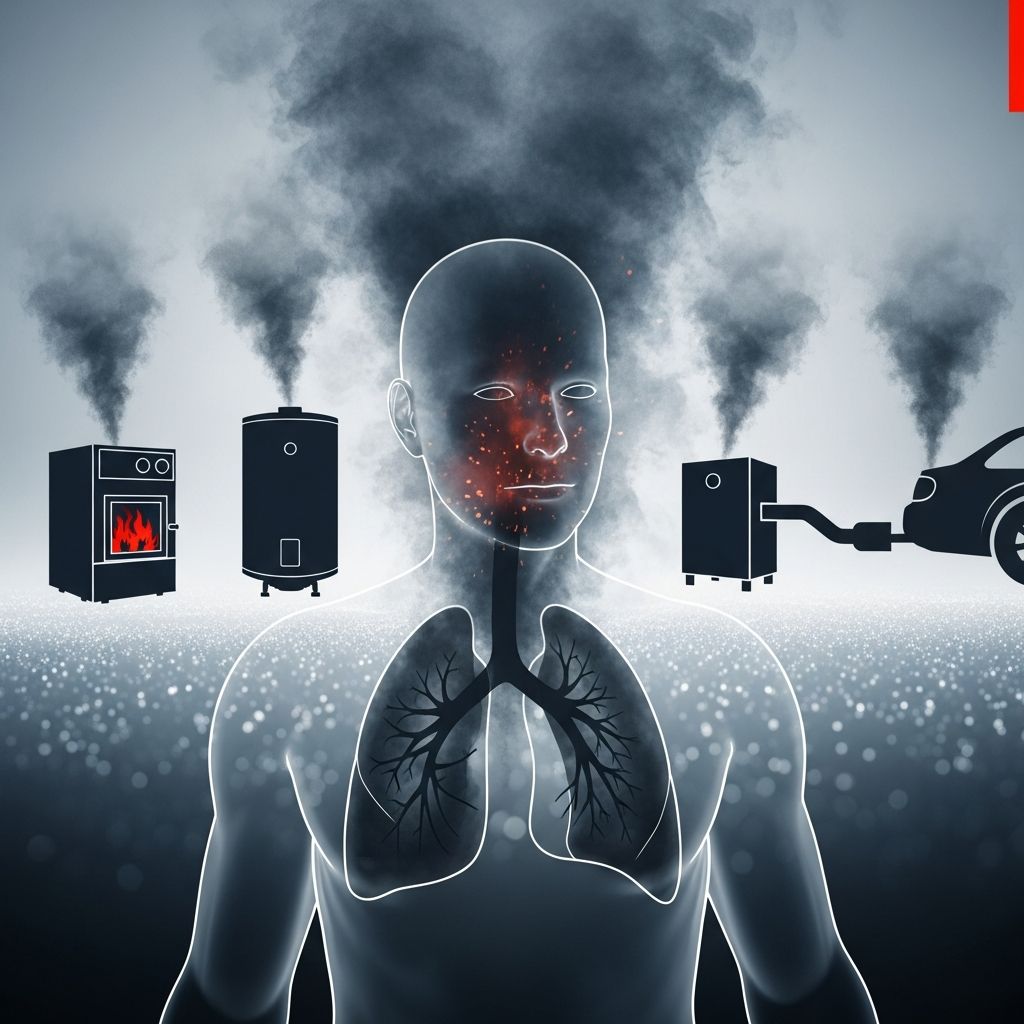
Carbon monoxide (CO) is a highly toxic, colourless, odourless, and tasteless gas produced by incomplete combustion of carbon-containing fuels. It poses a significant health risk because it binds to haemoglobin in the blood more readily than oxygen, forming carboxyhaemoglobin (COHb), which impairs oxygen delivery to vital organs like the brain and heart. This condition, known as carbon monoxide poisoning, can lead to severe illness or death if not addressed promptly. Every year, thousands of people worldwide suffer from CO poisoning, often due to everyday household appliances or vehicles in enclosed spaces. Early recognition and intervention are critical to prevent long-term neurological damage or fatality.
What is carbon monoxide poisoning?
Carbon monoxide poisoning occurs when inhaled CO displaces oxygen in the bloodstream, leading to hypoxia at the cellular level. Unlike oxygen, CO binds to haemoglobin with an affinity 200-250 times greater, reducing the blood’s oxygen-carrying capacity and disrupting cellular respiration. High concentrations overwhelm the body’s compensatory mechanisms, affecting oxygen-demanding organs first—the brain, heart, and muscles. Symptoms mimic flu or food poisoning, making diagnosis challenging without suspicion. Severity depends on concentration, exposure duration, and individual factors like age, health status, and activity level. Fetuses, infants, elderly individuals, and those with heart or lung conditions are particularly vulnerable due to higher metabolic demands or reduced reserves.
The gas arises from sources such as gas or oil boilers, cookers, fires, or car exhausts operating in poorly ventilated areas. Even low-level chronic exposure can cause insidious neurological effects, while acute high-level exposure leads to rapid unconsciousness and death. Blood COHb levels above 10% indicate exposure, with levels over 25-30% often requiring advanced intervention.
Carbon monoxide poisoning symptoms
Symptoms vary by exposure level and duration, often nonspecific and progressive. Low-level exposure mimics viral illnesses, delaying recognition, while high-level exposure causes dramatic collapse.
Low-level exposure symptoms
- Headache: Often the first sign, described as throbbing or migraine-like, worsening with continued exposure.
- Dizziness and vertigo: Feeling lightheaded or that surroundings are spinning.
- Nausea and vomiting: Similar to food poisoning or gastroenteritis.
- Tiredness and confusion: Fatigue, difficulty concentrating, or mental fog.
- Stomach pain: Abdominal discomfort without clear cause.
- Shortness of breath: Mild dyspnoea on exertion.
These symptoms may resolve with fresh air but recur upon re-exposure, leading to misdiagnosis as flu.
High-level exposure symptoms
- Impaired mental state: Confusion, irritability, personality changes, or intoxication-like behaviour.
- Vertigo and ataxia: Loss of coordination, stumbling.
- Cherry-red skin flushing: Visible on lighter skin tones due to high COHb saturation (harder to detect on darker skin).
- Chest pain and tachycardia: Heart strain from hypoxia, potentially triggering angina or infarction.
- Muscle spasms or seizures: Neurological irritability.
- Loss of consciousness, coma, or death: In severe cases within minutes.
Severe poisoning also presents with tachypnoea, hypotension, metabolic acidosis, arrhythmias, and pulmonary oedema. Multiple victims in a shared environment heighten suspicion.
Causes of carbon monoxide poisoning
CO poisoning stems from incomplete combustion in fuel-burning appliances lacking proper ventilation. Common sources include:
- Blocked or faulty chimneys/flues: Prevent exhaust escape, causing backdraft.
- Gas boilers, fires, or cookers: Poor maintenance leads to leaks.
- Portable generators or barbecues indoors: Extremely hazardous in enclosed spaces.
- Car exhausts in garages: Even with doors ajar.
- Wood-burning stoves or open fires: Without adequate airflow.
Seasonal risks peak in winter due to increased heating use. Blocked vents from bird nests or soot buildup exacerbate issues. Vehicle-related incidents are common in suicides or accidental garage use.
Related Stories



When to suspect carbon monoxide poisoning
Suspect CO poisoning if symptoms cluster in multiple household members or pets, especially without fever. Key red flags include:
- Flu-like illness improving outdoors but recurring inside.
- CO alarm activation.
- Recent appliance installation or maintenance lapse.
- Group illness post-heating season start.
Unexplained headaches in smokers (already elevated baseline COHb) or sudden pet deaths warrant immediate action. In emergencies, multiple victims confirm the diagnosis.
Diagnosis
Diagnosis combines clinical suspicion, pulse oximetry (often falsely normal), and arterial blood gas for COHb measurement. Co-oximetry distinguishes COHb from oxyhaemoglobin. Normal COHb is <2% (non-smokers), <10% (smokers). Levels >25% indicate severe poisoning. ECG monitors cardiac involvement, while neuroimaging assesses brain injury in comatose patients. History of exposure sources is pivotal.
Carbon monoxide poisoning treatment
Immediate actions: Evacuate to fresh air, call emergency services (911/999). Do not re-enter without professionals.
Standard treatment
Hospital care involves 100% oxygen via non-rebreather mask (15L/min) until COHb <10% or symptoms resolve (typically 4-6 hours). This accelerates CO elimination 4-fold vs. room air. Supportive measures include IV fluids, antiemetics, and monitoring for cerebral oedema.
Hyperbaric oxygen therapy (HBOT)
HBOT in a pressurized chamber (2-3 ATA) with 100% oxygen rapidly reduces COHb half-life to 20-30 minutes. Indicated for COHb >25%, unconsciousness, neurological deficits, cardiac ischaemia, pregnancy, or acidosis. Initiate within 6 hours ideally, up to 24 hours max. Evidence supports reduced sequelae, though long-term benefits vary.
| Severity Indicator | Treatment Recommendation |
|---|---|
| Mild (COHb <25%, alert) | Normobaric 100% O2 |
| Severe (COHb >25%, LOC, neuro deficits) | HBOT + supportive care |
| Pregnant or cardiac | Lower threshold for HBOT |
Complications
Even after treatment, survivors risk delayed neurological sequelae (DNS): memory loss, parkinsonism, psychosis (up to 30% at 4-6 weeks). Cardiac issues like infarction persist. Pregnancy raises fetal loss risk (up to 50% undetected maternal poisoning). Chronic low-level exposure causes cognitive decline.
Prevention of carbon monoxide poisoning
Prevention is straightforward:
- Install CO alarms: On every storey, near bedrooms; test monthly.
- Annual servicing: Gas/oil appliances by certified engineers.
- Ventilation: Never block vents; use exhaust fans.
- Safe practices: No generators indoors; open garage doors for vehicles.
- Spot risks: Soot, yellow flame (instead of blue), or unusual odours.
UK law mandates CO alarms in rental properties with fuel-burning appliances.
Frequently Asked Questions
What are the first signs of carbon monoxide poisoning?
The earliest signs are headache, dizziness, and nausea, often mistaken for flu.
How long do CO poisoning symptoms last?
With prompt oxygen therapy, symptoms resolve in hours; untreated, they can progress to coma.
Can carbon monoxide poisoning be fatal?
Yes, high exposure causes death within minutes via hypoxia; survivors face long-term risks.
Is hyperbaric oxygen always needed?
No, standard 100% oxygen suffices for mild cases; HBOT for severe.
How to test for carbon monoxide at home?
Use a certified CO detector; blood tests confirm in medical settings.
What to do if CO alarm sounds?
Evacuate immediately, ventilate, call emergency services; do not re-enter.
References
- The Diagnosis and Treatment of Carbon Monoxide Poisoning — Deutsches Ärzteblatt International (PMC). 2019-02-15. https://pmc.ncbi.nlm.nih.gov/articles/PMC6381775/
- Clinical Guidance for Carbon Monoxide Poisoning — Centers for Disease Control and Prevention (CDC). 2024-10-01. https://www.cdc.gov/carbon-monoxide/hcp/clinical-guidance/index.html
- Carbon monoxide poisoning: signs, symptoms, causes and treatments — Health Service Executive (HSE.ie). 2023-05-12. https://www2.hse.ie/conditions/carbon-monoxide-poisoning/
- Carbon-Monoxide Poisoning — Iowa Department of Health and Human Services. 2024-01-20. https://hhs.iowa.gov/health-prevention/providers-professionals/center-acute-disease-epidemiology/epi-manual/environmental-disease/carbon-monoxide
- Carbon monoxide poisoning – Diagnosis and treatment — Mayo Clinic. 2024-08-10. https://www.mayoclinic.org/diseases-conditions/carbon-monoxide/diagnosis-treatment/drc-20370646
- Carbon Monoxide Poisoning Symptoms — Cleveland Clinic. 2023-11-05. https://my.clevelandclinic.org/health/diseases/15663-carbon-monoxide-poisoning
Similar Articles








Read full bio of medha deb