Carbon Monoxide Poisoning: Symptoms, Treatment, Prevention
Learn about carbon monoxide poisoning: recognize symptoms, understand treatment options, and prevent exposure.
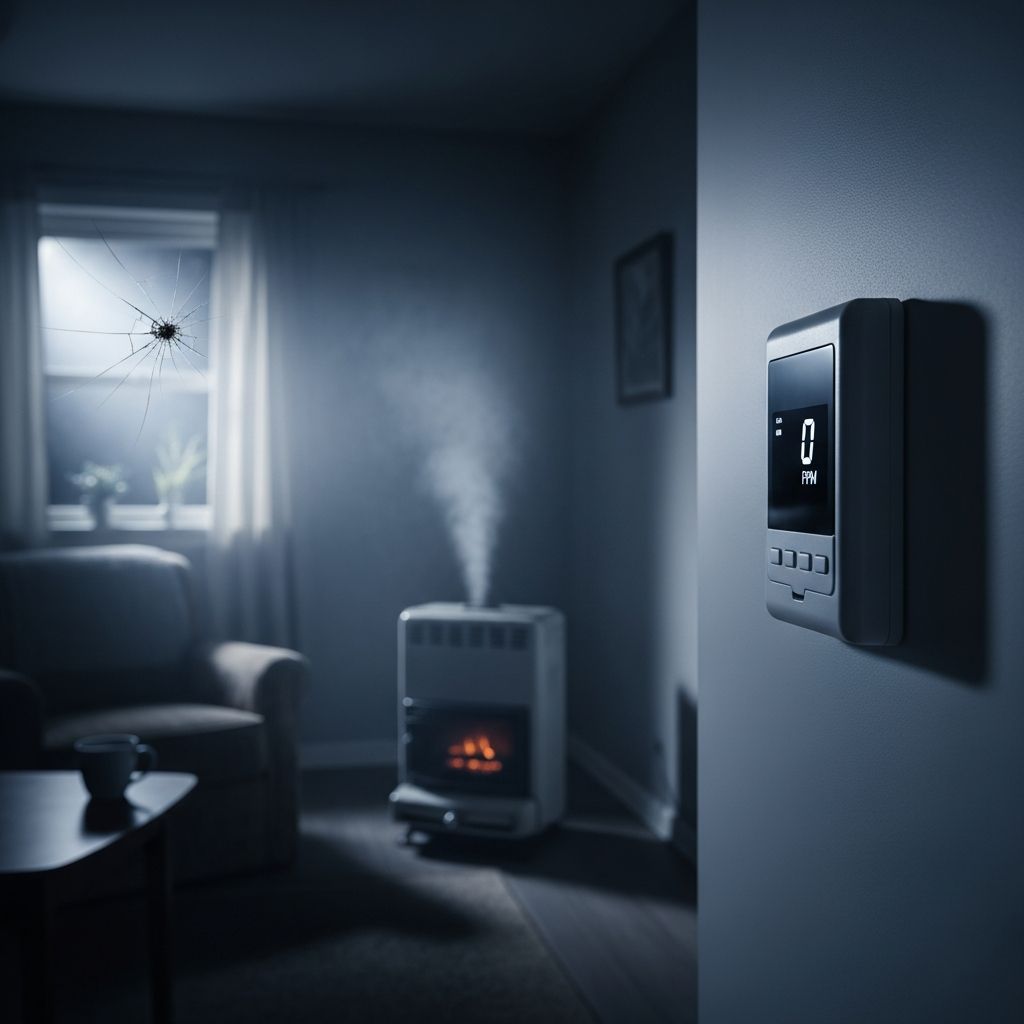
Understanding Carbon Monoxide Poisoning
Carbon monoxide (CO) is a colorless, odorless, tasteless gas that is produced whenever any fuel is burned. Whether from cars, trucks, small engines, stoves, lanterns, grills, fireplaces, gas ranges, furnaces, or other fuel-burning appliances, carbon monoxide can accumulate to dangerous levels in enclosed or partially enclosed spaces. Carbon monoxide poisoning occurs when you breathe in fumes containing high levels of carbon monoxide, which prevents your body from using oxygen properly. This dangerous gas binds to hemoglobin in your blood with an affinity 230–300 times greater than oxygen, reducing your blood’s oxygen-carrying capacity and potentially causing serious harm or death within minutes.
What Causes Carbon Monoxide Poisoning
Carbon monoxide is produced through incomplete combustion of fuel. Common sources include vehicle exhaust, faulty heating systems, poorly ventilated gas appliances, wood-burning stoves, charcoal grills used indoors, and portable generators. The gas diffuses rapidly through the alveolar membrane and binds preferentially to the iron in heme proteins. Within tissue, carbon monoxide also binds to other heme-containing proteins, such as skeletal and myocardial myoglobin. At the cellular level, carbon monoxide leads to activation of neutrophils, proliferation of lymphocytes, mitochondrial dysfunction, and lipid peroxidation. The development of oxygen radicals, oxidative stress, inflammation, and apoptosis creates damage mechanisms comparable to reperfusion injury.
Recognizing Symptoms of Carbon Monoxide Poisoning
Carbon monoxide poisoning symptoms are nonspecific and often resemble flu-like illness, making them easy to overlook. Early recognition is critical for prompt treatment and preventing serious complications or death.
Common Symptoms
The most common symptoms of carbon monoxide poisoning include:
- Headache (often the first symptom)
- Dizziness and lightheadedness
- Weakness and fatigue
- Nausea and vomiting
- Shortness of breath
- Chest pain and muscle pain
- Confusion and impaired judgment
- Blurred vision
- Irritability
Severe Symptoms
With continued or high-level exposure, symptoms can rapidly progress to more serious conditions:
- Loss of consciousness
- Loss of muscle control
- Seizures
- Cardiac arrhythmias
- Death
Delayed Neurological Symptoms
Symptoms related to the nervous system and brain can develop after recovery from acute carbon monoxide poisoning. The risk of these delayed symptoms is higher in older people and those who lost consciousness from carbon monoxide exposure. These may include memory loss, personality changes, and movement problems.
Who Is at Higher Risk
Carbon monoxide poisoning can affect anyone, but certain populations face increased risk:
- Infants and young children — Their smaller body size means exposure to lower concentrations can be more dangerous
- Pregnant women — Carbon monoxide can cross the placenta and harm the developing fetus
- Elderly individuals — Age-related health conditions increase vulnerability
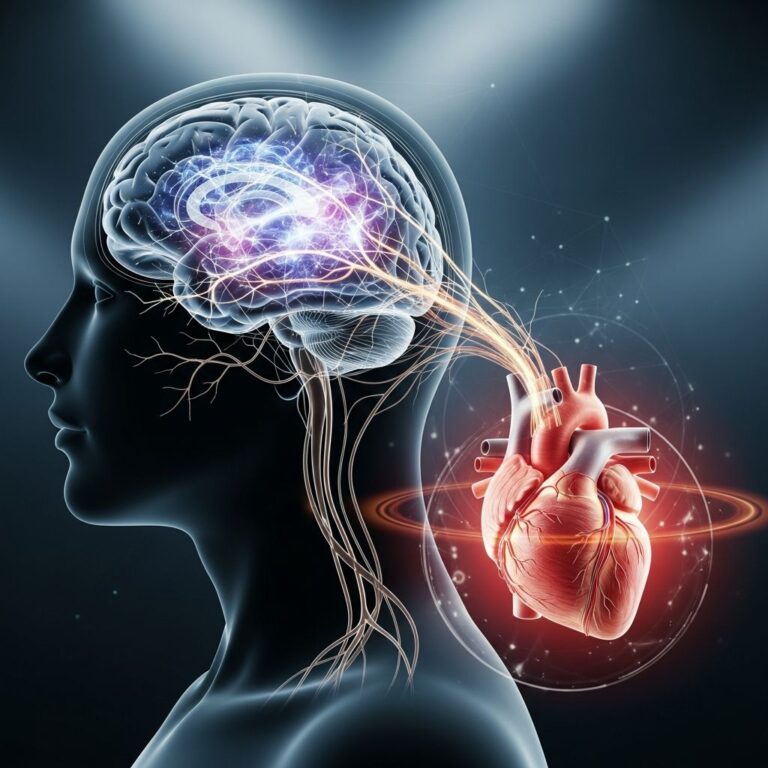
- People with heart disease — The gas particularly affects the heart and cardiovascular system
- Those with respiratory conditions — Conditions like asthma, emphysema, and chronic obstructive pulmonary disease increase susceptibility
- People who are sleeping, intoxicated, or sedated — These individuals may not recognize symptoms and can die from exposure before symptoms become apparent
Diagnosis of Carbon Monoxide Poisoning
Diagnosis of carbon monoxide poisoning is based on relevant symptoms and elevated carboxyhemoglobin (COHb) concentrations measured through blood gas analysis. If carbon monoxide poisoning is suspected, medical professionals will measure COHb levels in the blood to confirm the diagnosis. In patients with severe carbon monoxide poisoning, an electrocardiogram (ECG) should be obtained and biomarkers for cardiac ischemia should be measured, as the heart is one of the organs most affected by carbon monoxide.
Treatment Approaches
Immediate Emergency Response
If you suspect carbon monoxide exposure or poisoning, call emergency services (911 in the United States) immediately and move to fresh air. If it is unsafe to go outdoors, open a door or window and stay close to it to breathe fresh air rather than carbon monoxide fumes.
Related Stories



Oxygen Therapy
The initiation of 100% oxygen breathing as early as possible is the most important treatment for carbon monoxide poisoning. The administration of high-concentration oxygen significantly reduces the half-life of carboxyhemoglobin and accelerates its elimination from the body. In the preclinical phase, 100% oxygen is recommended for all patients with suspected carbon monoxide poisoning. This can be delivered through various methods depending on patient condition:
- Non-invasive continuous positive airway pressure (CPAP)
- Respiration using a mask with a demand valve
- Administration of 15 L/min oxygen through a reservoir mask
- Standard oxygen masks for conscious, cooperative patients
Oxygen therapy should continue until symptoms resolve completely or carboxyhemoglobin concentration drops to 3% or below.
Hyperbaric Oxygen Therapy (HBOT)
Hyperbaric oxygen therapy involves placing a patient in a full-body, high-pressure chamber to help force oxygen into the body at higher partial pressures than normobaric oxygen can achieve. The higher the partial pressure of oxygen provided, the shorter the elimination period for carbon monoxide, which theoretically supports the use of HBOT. Research has demonstrated that hyperbaric oxygen therapy can reduce the incidence of delayed neurological symptoms following carbon monoxide poisoning.
Hyperbaric oxygen therapy should be critically considered and initiated within six hours in patients presenting with:
- Neurological deficits
- Unconsciousness or impaired consciousness
- Cardiac ischemia
- Pregnancy
- Very high carboxyhemoglobin concentrations (greater than 25%)
- Metabolic acidosis
If hyperbaric oxygen therapy is provided, it should be started within six hours but under no circumstances after more than 24 hours from exposure.
Supportive Care
Patients with carbon monoxide poisoning should continue to be treated according to the standards of emergency medicine, including monitoring, cardiac assessment, and treatment of any complications that develop.
Long-Term Effects and Complications
Depending on the duration and severity of exposure, carbon monoxide poisoning may result in long-term health issues. Timely treatment may reverse some harmful side effects, but serious exposure can cause lasting damage:
- Permanent brain damage
- Memory loss and cognitive impairment
- Personality changes
- Movement problems and neurological dysfunction
- Heart damage
- Breathing problems and respiratory complications
- Parkinson’s disease
Patients should be examined for cognitive sequelae 4–6 weeks after carbon monoxide poisoning to identify any delayed neurological symptoms requiring additional intervention.
Prevention and Safety Measures
Prevention is the most effective strategy against carbon monoxide poisoning. Several measures can significantly reduce your risk of exposure:
Home Safety Steps
- Install carbon monoxide detectors — Place detectors on every level of your home, especially near bedrooms. Ensure detectors are functioning properly and replace batteries annually.
- Maintain heating systems — Have furnaces, fireplaces, and wood stoves inspected and serviced annually by qualified professionals.
- Never use outdoor equipment indoors — Keep grills, generators, and portable heaters outdoors. Never use a charcoal grill inside your home.
- Ensure proper ventilation — Make sure gas appliances are properly vented to the outside.
- Keep vents clear — Ensure exhaust vents from furnaces and appliances are not blocked by snow, leaves, or debris.
- Service your vehicle regularly — Have exhaust systems inspected to ensure no leaks are present.
- Never warm your car in an attached garage — Even with the garage door open, fumes can enter your home.
- Use proper fuel for appliances — Only use fuel recommended by manufacturers for specific equipment.
Frequently Asked Questions
Q: How quickly can carbon monoxide poisoning cause death?
A: High levels of carbon monoxide can be deadly after only a few minutes. People who are sleeping, intoxicated, or sedated may die from carbon monoxide poisoning before they even realize there is a problem.
Q: Can you see or smell carbon monoxide?
A: No. Carbon monoxide is a colorless, odorless, and tasteless gas. You cannot detect it with your senses, which is why carbon monoxide detectors are essential for home safety.
Q: What should I do if my carbon monoxide detector goes off?
A: Immediately move everyone outside to fresh air and call emergency services (911). Do not re-enter the building until emergency responders have determined it is safe.
Q: How long does it take to recover from carbon monoxide poisoning?
A: Recovery time depends on the severity of exposure. Mild cases may resolve within hours with oxygen therapy, while severe cases may require longer treatment and carry risk of permanent neurological damage.
Q: Can carbon monoxide poisoning cause permanent damage?
A: Yes. Severe carbon monoxide poisoning can cause permanent brain damage, memory loss, personality changes, and other long-term health complications. This is why prompt treatment is critical.
Q: Are there any age groups more susceptible to carbon monoxide poisoning?
A: Yes. Infants, young children, elderly individuals, and pregnant women are at higher risk. People with existing heart disease, respiratory conditions, or anemia also face increased risk.
When to Seek Emergency Care
Seek immediate emergency medical attention if you experience any symptoms of carbon monoxide poisoning, especially if multiple people in the same location are experiencing similar symptoms simultaneously. This pattern strongly suggests carbon monoxide exposure. Additionally, seek emergency care if you suspect you have been exposed to carbon monoxide, even if symptoms have not yet developed, as early treatment can prevent serious complications.
Conclusion
Carbon monoxide poisoning is a serious and potentially fatal condition that requires immediate recognition and treatment. Understanding the sources of carbon monoxide, recognizing early symptoms, and taking preventive measures are essential for protecting yourself and your family. If you suspect carbon monoxide poisoning, move to fresh air immediately and call emergency services. With prompt treatment, particularly the administration of high-concentration oxygen or hyperbaric oxygen therapy in severe cases, many of the harmful effects of carbon monoxide poisoning can be reversed or prevented. Install carbon monoxide detectors in your home, maintain fuel-burning appliances properly, and never use outdoor equipment indoors to significantly reduce your risk of this hidden danger.
References
- The Diagnosis and Treatment of Carbon Monoxide Poisoning — PubMed Central/National Center for Biotechnology Information. 2019. https://pmc.ncbi.nlm.nih.gov/articles/PMC6381775/
- Carbon Monoxide Poisoning — Centers for Disease Control and Prevention (CDC). 2024. https://www.cdc.gov/carbon-monoxide/about/index.html
- Carbon Monoxide Poisoning – Symptoms and Causes — Mayo Clinic. 2024. https://www.mayoclinic.org/diseases-conditions/carbon-monoxide/symptoms-causes/syc-20370642
- Carbon Monoxide Poisoning — National Health Service (NHS). 2024. https://www.nhs.uk/conditions/carbon-monoxide-poisoning/
- Carbon Monoxide Poisoning Symptoms — Cleveland Clinic. 2024. https://my.clevelandclinic.org/health/diseases/15663-carbon-monoxide-poisoning
Similar Articles








Read full bio of Sneha Tete