Carbs You Need In Your Diet: A Practical Guide
Discover why carbohydrates are essential for health, how many you need daily, and the best sources to choose for optimal nutrition and disease prevention.
Carbohydrates are a cornerstone of a healthy diet, providing essential energy for the body and brain while delivering vital nutrients like fiber, vitamins, and minerals. Contrary to popular low-carb trends, research emphasizes that quality carbohydrates from whole foods support heart health, weight management, and disease prevention when consumed in appropriate amounts.
What Are Carbohydrates?
Carbohydrates, often simplified as ‘carbs,’ are one of the three macronutrients—alongside proteins and fats—that fuel daily bodily functions. They break down into glucose, the primary energy source for cells, particularly the brain, which relies almost exclusively on glucose for fuel. Carbs are classified into simple and complex types: simple carbs, like sugars, provide quick energy, while complex carbs, such as starches and fiber, offer sustained release and additional health benefits.
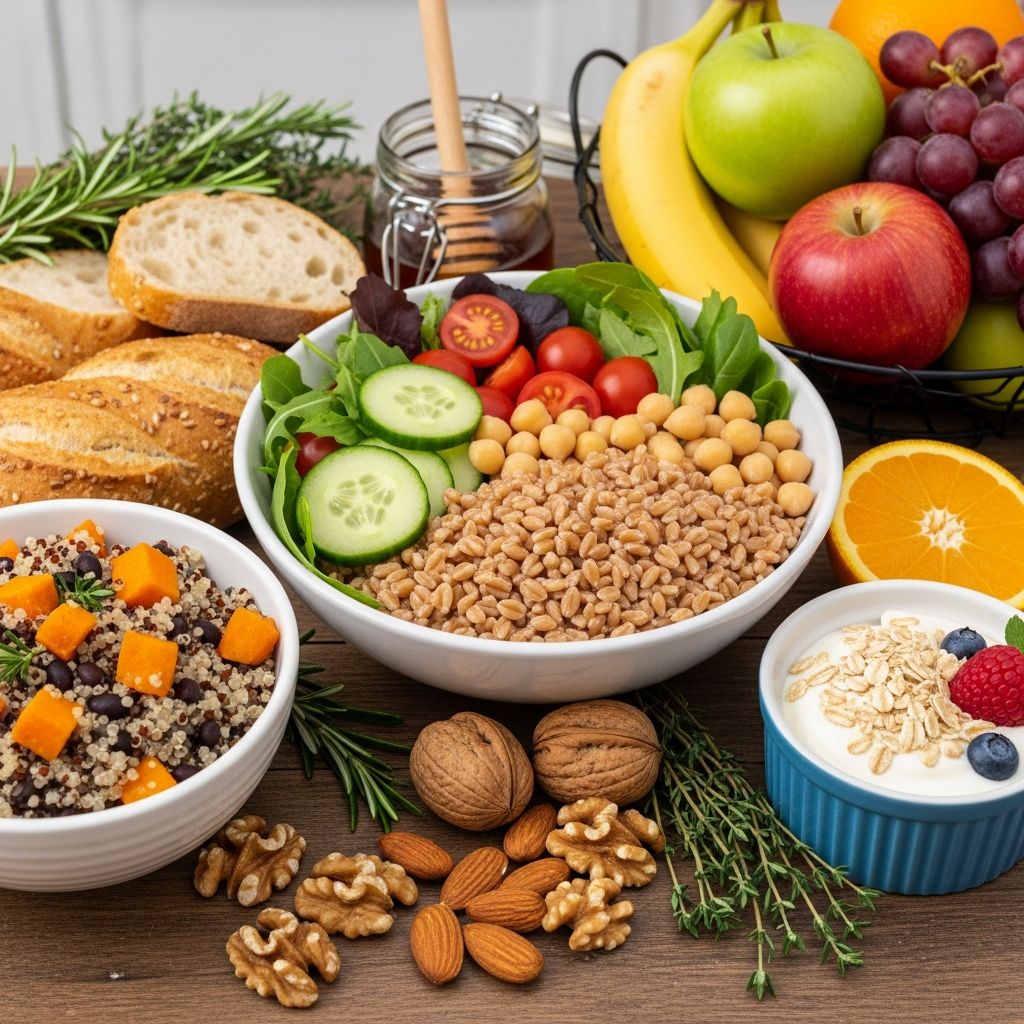
Not all carbs are created equal. Whole food sources like fruits, vegetables, legumes, and whole grains provide fiber, antioxidants, and micronutrients, whereas refined carbs from processed foods often lack these and contribute empty calories. Fiber, a non-digestible carb, aids digestion, promotes satiety, and supports gut health, playing a key role in preventing chronic diseases.
Why Your Body Needs Carbs
Your body requires carbohydrates for optimal performance. They supply about 4 calories per gram and are crucial for high-intensity activities, brain function, and maintaining blood sugar stability. Without adequate carbs, the body may break down muscle protein for energy, leading to fatigue and nutrient deficiencies.
- Energy Production: Carbs are the most efficient fuel, converting to glucose for immediate use or storage as glycogen in muscles and liver.
- Brain Health: The brain needs at least 130 grams of carbs daily to function properly, preventing cognitive fog and mood dips.
- Gut Microbiome Support: Fiber from carbs feeds beneficial gut bacteria, enhancing immunity and reducing inflammation.
High-quality carbs also protect against ‘cellular internal starvation’ by balancing insulin response, countering myths from the carbohydrate-insulin model that demonize all carbs equally.
How Many Carbs Do You Need Daily?
Daily carbohydrate needs vary by age, activity level, sex, and health status, but general guidelines provide a solid framework. The Dietary Guidelines for Americans recommend carbs comprise 45-65% of total daily calories, equating to 225-325 grams on a 2,000-calorie diet. This aligns with a minimum of 130 grams to fuel brain function, representing about 25% of calories.
| Calorie Intake | Recommended Carbs (%) | Daily Grams (Approx.) |
|---|---|---|
| 1,800 | 45-65% | 200-290g |
| 2,000 | 45-65% | 225-325g |
| 2,500 | 45-65% | 280-405g |
Athletes or highly active individuals may need more, up to 8-10 grams per kilogram of body weight for endurance training. Those managing diabetes or insulin resistance should prioritize low-glycemic index (GI) carbs to stabilize blood sugar. Always check Nutrition Facts labels for total carbs, fiber, and added sugars to track intake accurately.
Health Benefits of Carbohydrates
Protecting Against Disease
Fiber-rich carbs from whole grains, fruits, and vegetables lower risks of heart disease, stroke, type 2 diabetes, obesity, and colorectal cancer. Prospective cohort studies show whole grains reduce cardiovascular mortality, while pulses and low-GI foods decrease diabetes incidence. A meta-analysis of over 400,000 participants confirmed high whole grain intake correlates with lower heart disease risk.
Related Stories



Controlling Weight
High-fiber carbs promote fullness with fewer calories, aiding weight loss. Replacing refined carbs with whole fruits, veggies, and grains supports a healthy gut microbiome, linked to better insulin response and sustained weight management. Studies indicate low-carb extremes (<40% or >70% calories) increase mortality, with optimal benefits in the 40-70% range from quality sources.
Other Benefits
- Improved Insulin Sensitivity: High-quality carbs like oats and barley enhance metabolic health.
- Nutrient Delivery: Carbs carry B vitamins, magnesium, and potassium essential for energy metabolism.
- Muscle Recovery: Post-exercise carbs replenish glycogen stores efficiently.
Best Sources of Healthy Carbohydrates
Focus on nutrient-dense, minimally processed carbs to maximize benefits. Prioritize whole foods over refined options.
- Whole Grains: Oats, barley, quinoa, brown rice—rich in viscous fiber that lowers cholesterol and blood sugar.
- Fruits and Vegetables: Apples, berries, leafy greens, broccoli—high in fiber, water, and phytonutrients.
- Legumes: Beans, lentils, chickpeas—protein-fiber powerhouses that substitute for meat healthily.
- Dairy: Low-fat yogurt, milk—provide carbs with calcium and probiotics.
- Nuts and Seeds: In moderation, for complex carbs and healthy fats.
Avoid or limit refined grains (white bread), sugary drinks, and desserts, which spike blood sugar without nutrients.
Tips for Choosing Carbs Wisely
Integrate carbs into balanced meals for optimal glucose response: pair with proteins, fats, and fiber.
- Opt for whole fruits over juices to retain fiber.
- Choose low-fat dairy without added sugars.
- Boost beans and lentils for versatile nutrition.
- Limit added sugars to under 10% of calories.
- Read labels: Aim for >5g fiber per serving.
Personalize based on activity: Sedentary individuals may thrive at 45% carbs, while athletes benefit from higher.
Common Myths About Carbs
Low-carb diets promise quick weight loss but often fail long-term. Evidence shows no superiority for sustained fat loss, with quality trumping quantity. Carbs don’t inherently cause obesity; excess calories from any source do. High-quality carbs support, not sabotage, health goals.
Frequently Asked Questions (FAQs)
Are all carbs bad for weight loss?
No, high-quality carbs from whole foods aid weight control by promoting satiety and gut health.
Can I eat carbs if I have diabetes?
Yes, focus on low-GI options like whole grains and legumes to manage blood sugar effectively.
How do I know if I’m eating enough carbs?
Monitor energy levels and aim for 45-65% of calories from carbs, at least 130g daily.
What’s the difference between simple and complex carbs?
Simple carbs digest quickly for fast energy; complex provide sustained fuel plus fiber and nutrients.
Should I go low-carb for heart health?
No, fiber-rich carbs protect the heart; extremes increase mortality risk.
Consult a healthcare professional for personalized advice, especially with conditions like diabetes or metabolic syndrome.
References
- Carbohydrates: How carbs fit into a healthy diet — Mayo Clinic Staff. 2023-10-12. https://www.mayoclinic.org/healthy-lifestyle/nutrition-and-healthy-eating/in-depth/carbohydrates/art-20045705
- Low-carbohydrate diets and cardiometabolic health: A systematic review and meta-analysis of randomized controlled trials — PubMed Central (PMC). 2020-07-15. https://pmc.ncbi.nlm.nih.gov/articles/PMC7390653/
- Dietary Guidelines for Americans, 2020-2025 — U.S. Department of Health and Human Services and U.S. Department of Agriculture. 2020-12-01. https://www.dietaryguidelines.gov/
- Whole Grains and CVD Risk — American Heart Association. 2024-05-20. https://www.ahajournals.org/doi/10.1161/CIR.0000000000001099
Similar Articles








Read full bio of medha deb